Creating Zen Spaces: The Role of Minimalist Design in Enhancing Tranquility and Space Optimization
Importance of a Tranquil Environment
In today’s rapidly evolving society, characterized by ceaseless notifications and relentless schedules, cultivating a tranquil environment is crucial for maintaining mental wellness. The chaos of everyday life can lead to increased stress, anxiety, and a sense of overwhelming urgency, which is why creating a sanctuary through minimalist design is becoming increasingly relevant. This intentional space, marked by simplicity and peace, provides a counterbalance to the frenzied pace of modern living.
Key Elements of Minimalist Design
Embarking on the journey to create a Zen space involves understanding a few fundamental principles of minimalist design:
- Less is more: This iconic mantra in design emphasizes that simplicity should govern space. For example, rather than cluttering a coffee table with stacks of magazines, a single elegant vase or a plant can evoke tranquility and focus.
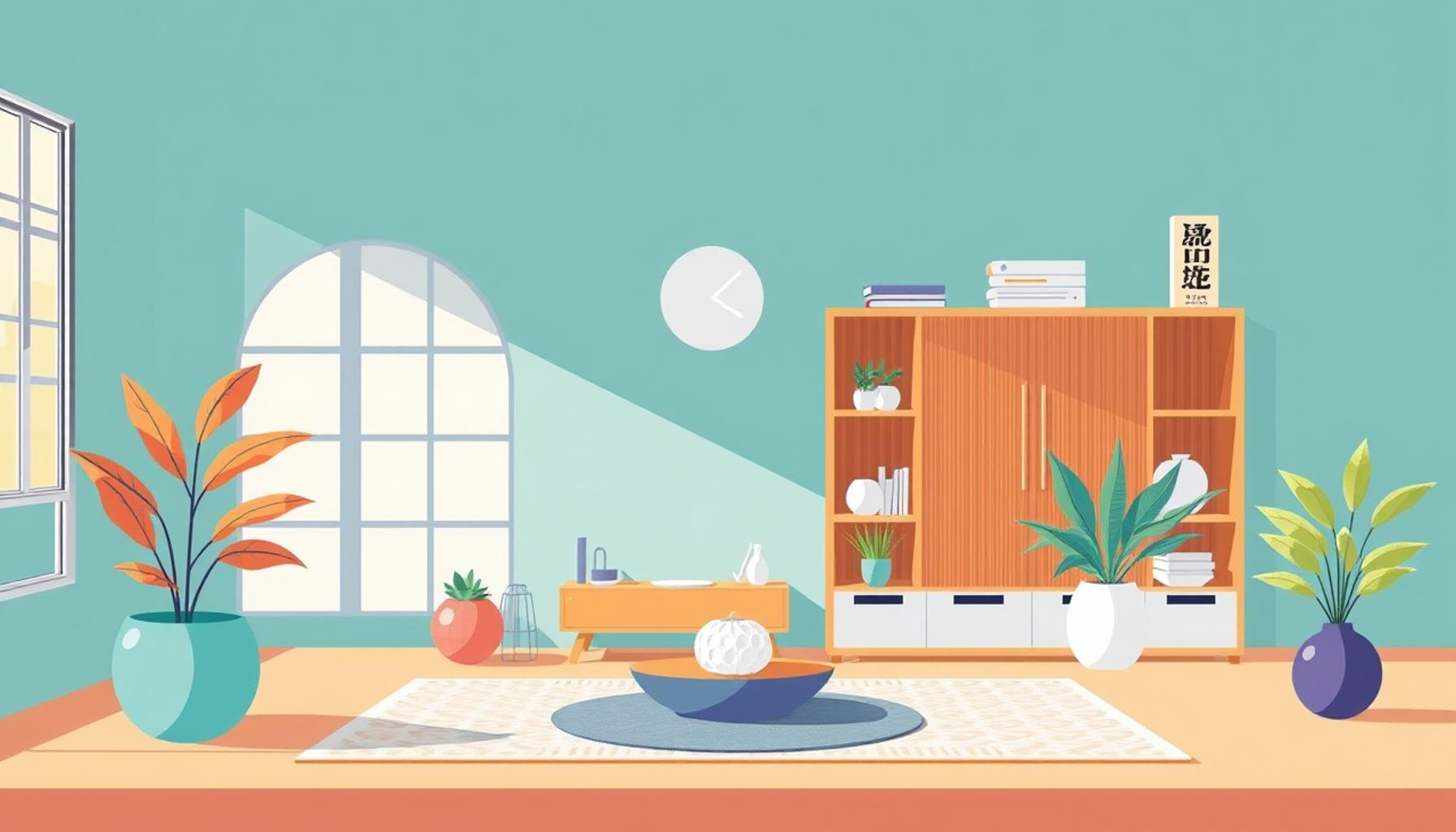
- Neutral color palettes: Colors such as soft whites, gentle grays, and earthy beiges help to soothe the mind. A living room painted in these hues can create a calming atmosphere conducive to relaxation after a long day.
- Natural materials: Integrating resources like wood, stone, and plants introduces an element of nature into homes. An indoor plant not only purifies the air but also adds life to the austere aesthetic of minimalist design.
Transforming Spaces with Minimalism
When implemented thoughtfully, minimalist design can transform various aspects of living spaces:
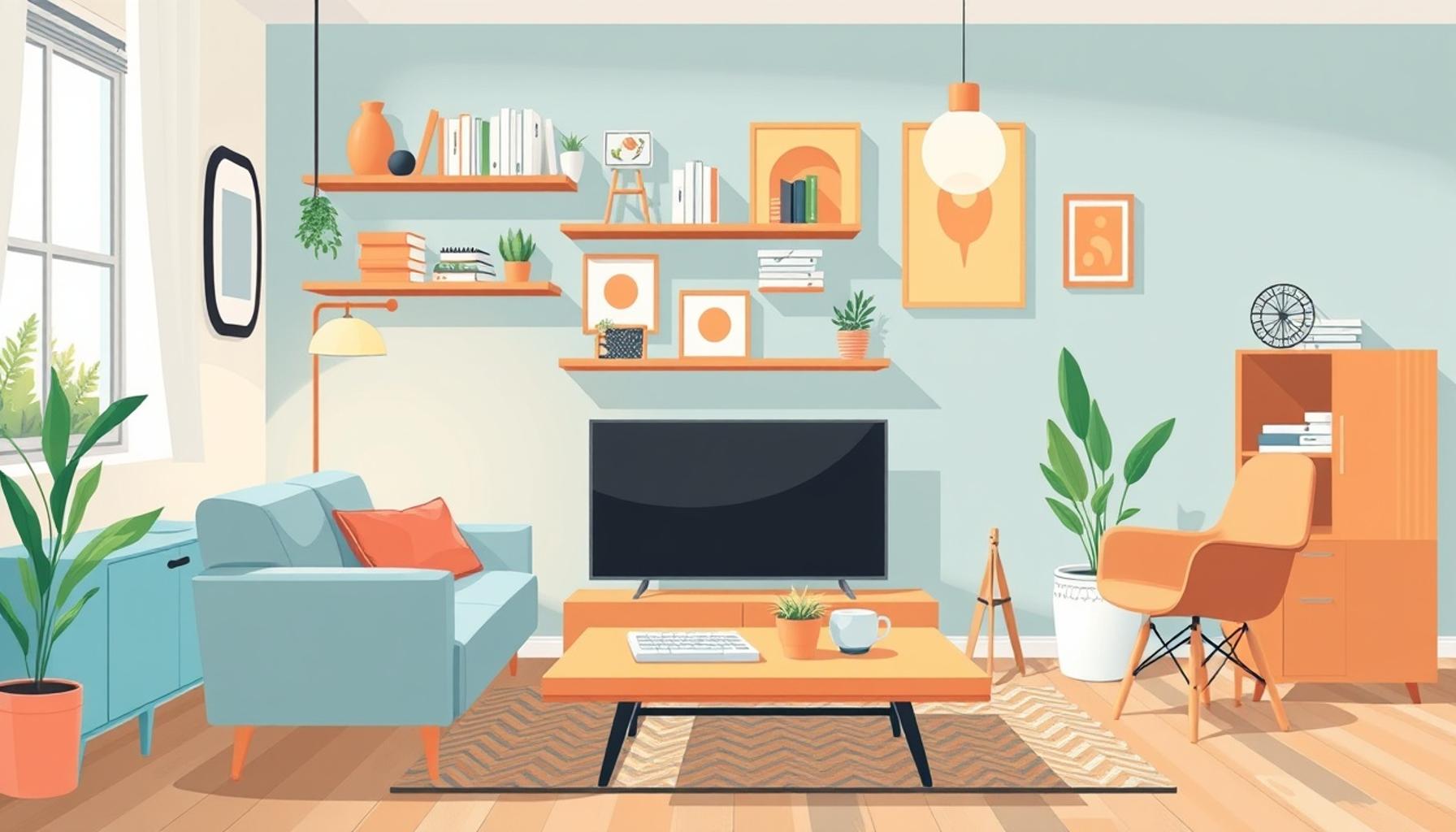
- Living rooms can be transformed into serene retreats by minimizing furniture and decor, allowing for open spaces that foster relaxation and conversation.
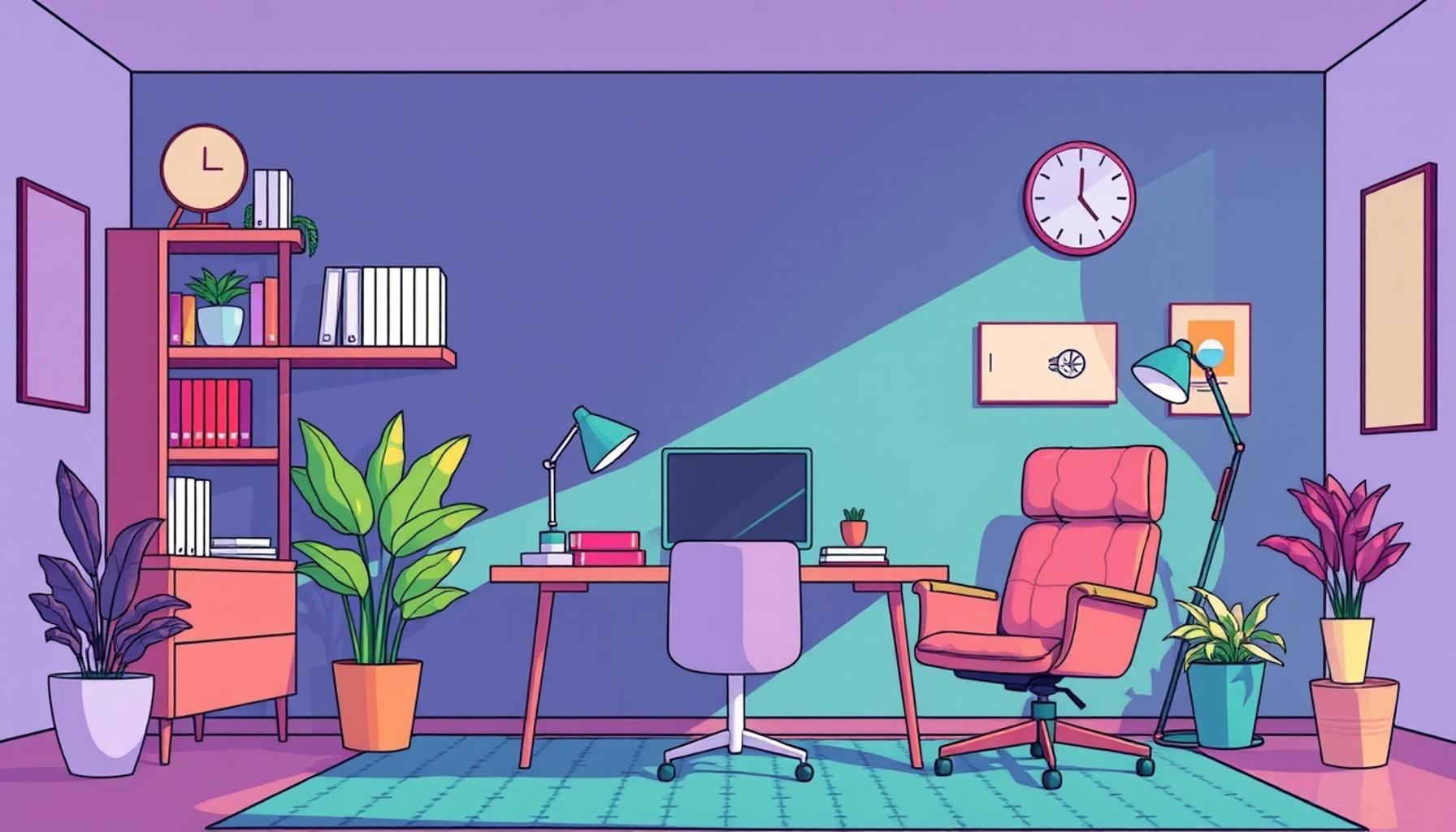
- Workspaces can become productive environments by eliminating distractions. A simple desk with only essential tools—like a laptop, a notepad, and a single lamp—can enable focused work sessions.
- Bedrooms, often seen as a personal sanctuary, can benefit from a minimalist approach by prioritizing comfort over excess. A bed adorned with a few cushions and a simple bedside table creates a restful atmosphere.
The Relevance of Minimalist Design
As awareness grows regarding the importance of mental health and wellness, the relevance of minimalist design becomes clearer. The conscious selection of design elements can transform any space into one that nurtures both the mind and body. For those exploring this aesthetic, ideas can be found in numerous online communities and publications focused on home improvement and mental wellness.
The benefits of these minimalist principles extend beyond aesthetics, offering a lifestyle that prioritizes serenity and well-being. In an age where stress and anxiety can feel omnipresent, a Zen space can indeed provide a much-needed respite, paving the way for a more peaceful life.
DISCOVER MORE: Click here to learn how to simplify your finances
Minimalist Design Principles to Enhance Tranquility
To successfully create a Zen space, understanding and applying the principles of minimalism is essential. This design philosophy encourages more than just aesthetic appeal; it seeks to cultivate a climate of calmness and clarity in our homes. By embracing minimalist design, individuals can create environments that not only look serene but also feel liberating. Below are key principles to consider when embarking on this transformative journey:
- Clutter-Free Spaces: Clutter can be a significant source of stress, both visually and psychologically. Adopting a minimalist approach means prioritizing functionality and beauty. By removing unnecessary items, homeowners can maintain open, clear spaces that promote relaxation and ease the mind. Even small changes like organizing a drawer or removing expired items from the pantry can contribute to a larger sense of tranquility.
- Mindful Organization: Organization is a key aspect of creating a Zen environment. Utilizing storage solutions that minimize visible clutter, such as elegant baskets or built-in shelving, can enhance the soothing nature of a space. Each item should have a designated place, allowing for a more serene atmosphere. This also makes it easier to maintain a tidy living space, which is intrinsically linked to mental clarity.
- Intentional Decor: In a minimalist design, every piece of decor should be intentional and functional. Instead of overcrowding surfaces with decorative items, consider investing in a few statement pieces that resonate personally. A single piece of artwork or a carefully chosen sculpture can draw attention and offer a focal point, while maintaining an overall feeling of spaciousness.
Crafting Calm Through Light and Space
Natural light plays a pivotal role in any minimalist design strategy aimed at enhancing tranquility. Strategically positioning mirrors, utilizing lighter window treatments, or choosing lighter paint colors can help reflect and amplify natural light, creating an airy and inviting space. Here are essential strategies to maximize light and space:
- Large Windows: If possible, installing large windows or glass doors can create a seamless connection between indoor and outdoor spaces, allowing natural light to flood in. This makes any room feel larger and more open, inherently calming.
- Open Floor Plans: Embrace open floor plans that encourage fluid movement throughout the home. By reducing the number of walls and creating a more extensive sense of space, individuals can cultivate an atmosphere that promotes relaxation and well-being.
- Strategic Furniture Placement: Furniture should be arranged to foster a sense of flow and openness. Avoid blocking pathways or creating cramped areas within a room. Instead, opt for a few essential pieces, placed in a way that facilitates conversation and offers a clear view through the space.
Implementing these minimalist design principles can significantly influence the atmosphere of a home. By prioritizing clarity, functionality, and intentionality, homeowners can create Zen spaces that nurture their mental wellness while optimizing the use of space. This shift towards simplicity not only enhances aesthetic appeal but also cultivates an enduring sense of calm amidst the surrounding chaos of daily life.
| Advantages | Description |
|---|---|
| Enhanced Serenity | Minimalist design removes distractions, fostering a peaceful environment that promotes mental clarity and relaxation. |
| Space Efficiency | Optimized layouts in minimalist spaces utilize less furniture and more open areas, maximizing the feeling of space while maintaining functionality. |
Minimalist design fundamentally transforms interior spaces into tranquil havens, emphasizing clean lines and simplicity. By prioritizing functionality over excessive decoration, these approaches can lead to enhanced serenity, an essential aspect for those seeking mental peace in their daily lives. Understanding how minimalism affects psychological well-being can lead to lasting benefits, such as reduced stress and improved focus.Moreover, the optimization of space plays a critical role in contemporary lifestyles. In urban settings where real estate is at a premium, minimalistic designs can provide efficient solutions to cramped living situations. The incorporation of smart furniture pieces that serve multiple purposes aligns with this philosophy, combining utility with aesthetic appeal. It intrigues readers to explore further how upgrading to a minimalist sanctuary can yield not just tranquility, but also a renewed sense of purpose in their personal spaces.
DISCOVER MORE: Click here to explore vertical gardens
Creating Harmonious Connections with Nature
Incorporating elements of nature into a minimalist design not only enhances tranquility but also deepens the connection between one’s living environment and the outdoors. This principle is often referred to as biophilic design, which emphasizes the importance of a human-centered approach to architecture and interior design. Here are key strategies to bring nature into your Zen space:
- Indoor Plants: Integrating plants into your home can significantly boost mood and reduce stress. Varieties such as snake plants and peace lilies require minimal maintenance while improving air quality and injecting life into a room. The act of caring for plants itself can foster a sense of purpose and tranquility, making them an essential component of any Zen-inspired space.
- Natural Materials: Utilizing materials like wood, stone, and bamboo in furniture and decor not only enhances aesthetic appeal but also connects the space to the natural world. For instance, reclaimed wood furniture can add warmth while promoting sustainability. Opting for organic textiles such as linen or cotton for upholstery and curtains further aligns the design with nature’s calming influence.
- Water Features: The sound of flowing water can promote relaxation and an inviting atmosphere. Whether it’s a small tabletop fountain or a more elaborate feature like an aquarium, water elements can enhance the sensory experience of a space and emulate the serene qualities found in nature.
Color Palettes: Setting the Mood
The color palette chosen for a minimalist design plays a critical role in establishing tranquility. Soft, neutral tones and earthy hues tend to evoke feelings of peace and relaxation. Here are effective approaches to selecting colors for a Zen space:
- Muted Earth Tones: Colors like soft greens, gentle blues, and warm grays can create a soothing backdrop that mimics the simplicity of nature. By using these colors on walls or large furniture pieces, one can maintain an airy atmosphere while inviting a sense of calm throughout the home.
- Accent Colors: While the overall scheme should lean towards calmness, strategically placing bolder tones as accents—such as a bright cushion or a vibrant artwork—can create visually engaging focal points without overwhelming the senses. This balance fosters an inspiring yet tranquil space.
- Consistent Color Theme: Maintaining a consistent color theme throughout the home can enhance harmony and flow. This coherence not only aids in space optimization but also reinforces the peaceful ambiance that minimalist design seeks to achieve.
Additionally, recent studies highlight that neutral colors can improve concentration and mindfulness, making them particularly suited for areas dedicated to relaxation and reflection, such as meditation corners or reading nooks. The psychological impact of color in design reinforces the connection between our environment and well-being, further emphasizing the importance of thoughtful selection in a minimalist approach.
By harmonizing the qualities of nature, thoughtful color choices, and embracing biophilic principles, one can create spaces that resonate tranquility while optimizing every inch. This commitment to minimalism not only transforms physical spaces but also nurtures the mental oasis we ultimately seek to cultivate in our daily lives.
DISCOVER MORE: Click here to learn how to optimize your space
Conclusion: Embracing Minimalism for a Tranquil Life
In today’s fast-paced world, the concept of creating Zen spaces through minimalist design is not just an aesthetic choice—it is a pathway to enhancing inner peace and optimizing our surroundings. The principles of minimalism enable us to declutter our lives, both physically and mentally, fostering serenity in our homes. By thoughtfully integrating elements of nature and focusing on soft color palettes, we can cultivate environments that not only soothe the senses but also promote overall well-being.
The mindful selection of furniture, decor, and materials plays an essential role in this journey. Incorporating biophilic design elements such as indoor plants, natural textures, and water features serves to deepen our connection with the natural world, creating a harmonious sanctuary. Additionally, the strategic use of muted earth tones aligns with our psychological need for tranquility, making our living spaces effective tools for relaxation and creativity.
As we continue to navigate the complexities of modern life, adopting a minimalist approach can transform our homes into personal retreats. The spaces we inhabit greatly influence our state of mind, emphasizing the importance of creating an environment that resonates with tranquility and balance. By embracing these principles, we can ensure that our Zen spaces not only optimize our living areas but also nurture our sense of calm, ultimately leading us to a more peaceful existence.
Related posts:
Smart Furniture Design: Creative Solutions for Compact Spaces
Maximizing Small Spaces: Minimalist Organization Tips for Urban Apartments
Creating Open Spaces: How Lighting and Arrangement Influence the Feeling of Spaciousness in Minimali...
The Art of Decluttering: How to Optimize Space with Minimalist Principles
Multi-Use Areas: Designing Flexible Spaces for a Minimalist Lifestyle
Vertical Storage: Utilizing Walls for Minimalist Organization