Functional Furniture: Innovative Designs for Space Optimization in Minimalist Homes
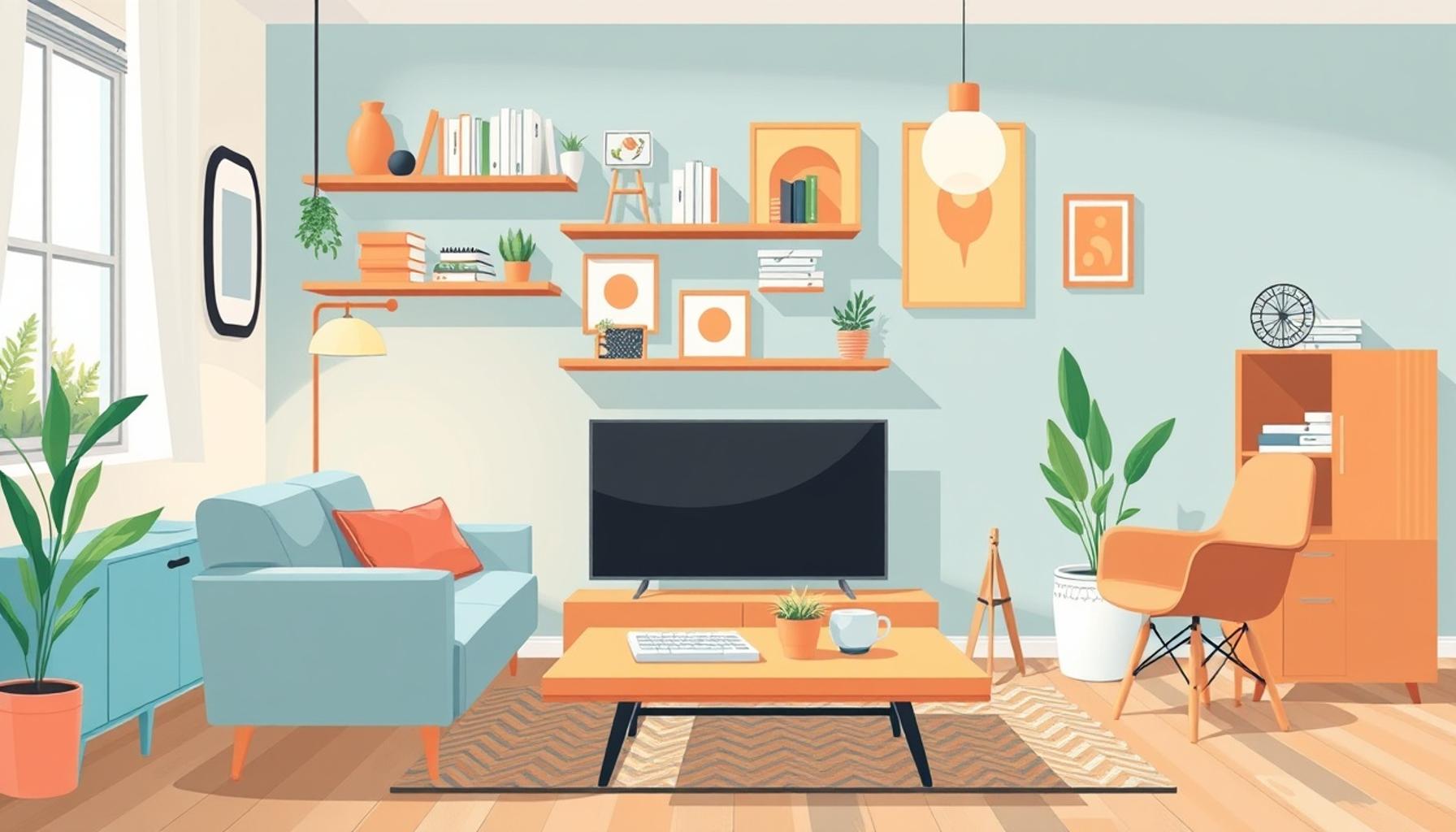
Maximizing Space with Style
In today’s urban landscape, where the average living space is continually diminishing, the demand for functional furniture has surged. This shift is particularly evident in cities like New York, Los Angeles, and San Francisco, where high rental prices compel residents to adapt to smaller environments. Minimalist homes, characterized by uncluttered aesthetics and a focus on essential elements, necessitate the integration of innovative design to effectively utilize every inch of available space.
One of the standout features of functional furniture is its multi-purpose use. For instance, a sofa bed can effortlessly transform from a sleek daytime lounging area to a cozy sleeping space at night, catering to hosts with limited guest accommodations. Similarly, dining tables that extend or nest are invaluable in homes where flexibility is key, allowing for intimate family meals or larger gatherings without permanently occupying excess space.
Compact designs further enhance the appeal of modern furniture. Manufacturers have begun producing pieces that are not only stylish but also crafted to fit snugly into tighter living environments. Take, for example, the development of foldable chairs and collapsible tables, which can be neatly tucked away when not in use. Brands such as IKEA have revolutionized this approach, offering a variety of chic yet practical options that appeal to design enthusiasts and space-savers alike.
An essential aspect of maximizing space lies in storage solutions. Furniture that incorporates hidden compartments or built-in shelves can significantly reduce clutter and promote a seamless aesthetic. Consider a coffee table with drawers or an ottoman that opens up to reveal ample storage for books and blankets. These designs not only maintain a clean look but also contribute to an organized lifestyle, reducing the stress that often accompanies disarray.
For residents across the United States, particularly those in densely populated areas, embracing these functional designs can yield a more efficient and elegant living environment. Regardless of whether you’re living in a studio apartment or a modest home in the suburbs, discovering and investing in the right furniture can truly transform the way you experience your space.
As we delve deeper into the realm of innovative designs, it’s important to consider how these functional pieces can align with personal taste while fulfilling practical needs. From transformable coffee tables to custom-built shelving units, the possibilities are vast. Each piece not only offers a solution to spatial challenges but also provides the opportunity to inject individual creativity into home decor. Exploring options like modular sofas or wall-mounted desks might just inspire your next home redesign, leading to a harmonious balance between functionality and aesthetic appeal.
DISCOVER MORE: Click here to learn about mind decluttering and its benefits</
Revolutionizing Living Spaces
The essence of functional furniture lies in its incredible versatility and adaptability, elements that are crucial in the context of minimalist homes. With space at a premium in crowded urban centers, the evolution of innovative furniture designs has become a necessary response to modern living challenges. Each piece is not merely a functional item but also a statement of style and practicality.
One prominent trend in the realm of space optimization is the concept of modular furniture. This approach allows homeowners to create customized layouts tailored to their unique spaces and needs. Modular sofas, for instance, consist of individual segments that can be rearranged into various configurations to suit both small gatherings and larger family events. This flexibility is not only convenient but also serves to maximize useable space without compromising comfort and aesthetics.
Another illuminating example is the innovation of transformable furniture. Designs that adapt in size or function are redefining traditional norms. The popular murphy bed serves as an excellent case study; it offers a permanent bed solution that folds up into the wall, freeing floor space during the day. Meanwhile, coffee tables that can lift or extend allow space conversion from relaxation to dining in seconds. These pieces exemplify how clever design can make even the smallest apartments feel more spacious and functional.
Smart Solutions for Storage
An essential consideration in any minimalist home is the challenge of storage. Achieving an uncluttered look while maintaining organization is a delicate balance that many strive to attain. Fortunately, functional furniture provides numerous solutions that cleverly integrate storage functionalities without sacrificing style. Here are some noteworthy options:
- Storage ottomans: These multifunctional pieces offer a place to sit while also doubling as concealed storage for blankets, magazines, or other items.
- Under-bed storage: Beds that include drawers or open space beneath allow for a discreet way to maintain a neat and orderly bedroom.
- Wall-mounted shelving: Utilizing vertical space can greatly reduce clutter on the floor, showcasing decor while providing a home for books and keepsakes.
- Expandable furniture: Items like side tables or dining sets that expand or contract help homeowners efficiently manage their space without permanent sacrifices to style or utility.
The integration of these smart storage solutions illustrates how innovative designs can enhance a minimalist lifestyle, ensuring that each piece of furniture serves a vital purpose. As more individuals gravitate towards smaller living environments, the demand for functionally designed furniture is on the rise, driving creativity and ingenuity in the industry. The result is an enriching living experience that marries beauty and practicality, paving the way for more stylish, efficient, and adaptable homes.
| Advantages | Innovative Features |
|---|---|
| Maximizes Living Space | Functional furniture transforms small areas into multi-purpose spaces, allowing homeowners to utilize every square foot effectively. |
| Enhances Aesthetics | Chic designs promote a modern aesthetic while ensuring that the furniture serves multiple functions without cluttering the room. |
| Promotes Organization | Smart storage solutions integrated into furniture pieces encourage an organized living environment. |
| Supports Sustainability | Many functional furniture options are crafted from eco-friendly materials, catering to environmentally conscious consumers. |
The theme of Functional Furniture: Innovative Designs for Space Optimization in Minimalist Homes highlights the necessity of merging style with practicality, especially in urban environments where square footage is often at a premium. This furniture approach not only addresses the needs of modern living but also promotes a lifestyle that values simplicity and functionality. Furthermore, by introducing modular designs, homeowners are empowered to customize their spaces quickly and easily, transitioning from work to leisure seamlessly. Another exciting aspect is the rise of smart furniture, equipped with technology that further enhances the user experience, providing convenience without excess.The focus on innovative designs ensures that each piece serves not just as a utility but as an artistic addition to the home, redefining how we perceive and interact with our spaces. This trend is inspiring designers to continually explore new materials, versatile forms, and cutting-edge features that cater to the needs of today’s consumers, establishing a market where design meets necessity.
LEARN MORE: Click here to discover minimalist scheduling techniques
Clever Designs for Multi-Purpose Living
In the landscape of functional furniture, the appeal of multi-purpose designs cannot be underestimated. People living in minimalist homes seek to remove excess while enhancing the utility of every square inch. Thus, innovative creations like sofas that double as pull-out beds or dining tables that convert into workspaces are rising to prominence. Such versatility allows residents to enjoy comfortable living arrangements without the burdensome clutter of excess furniture.
Consider the impact of folding furniture, which has made significant strides in recent years. Chairs that can fold flat and be stored away or side tables that collapse when not in use provide flexible options for urban dwellers contending with limited living space. When entertaining guests, these items can be quickly deployed and just as easily stowed, thereby transforming an intimate studio into a lively gathering space without enduring long-term sacrifices to the home’s layout.
The Role of Technology in Functional Furniture
Smart technology is also carving a niche within the world of functional furniture. Not merely content to serve physical purposes, modern pieces integrate tech-driven features that elevate user experience. For instance, some desks now come equipped with built-in wireless charging stations or USB ports, promoting a seamless connection between the physical workspace and digital demands. This innovation is particularly appealing to the tech-savvy population of the United States, who often balance remote work and leisure in small environments.
Smart furniture also extends to entertainment systems that blend into the aesthetic of a minimalist space. For instance, wall-mounted units equipped with cable management can minimize visual clutter while accommodating electronic devices stylishly. Hideaway systems combine traditional design with contemporary convenience, appealing to an audience that values both elegance and utility.
Moreover, the trend of eco-friendly materials finds its way into functional designs, aligning with the growing demand for sustainability among American consumers. Furniture crafted from reclaimed wood or recycled materials not only contributes positively to the environment but also adds unique character to a home. These pieces resonate with individuals who cherish artisanal craftsmanship while still prioritizing function over form.
Future Trends in Functional Furniture
<pAs the world continues to adapt to the demands of city living, experts predict a surge in custom furniture solutions tailored specifically for small spaces. The rise of 3D printing technology could allow homeowners to design and create one-of-a-kind pieces that meet their precise needs. Similarly, augmented reality applications might soon enable shoppers to visualize how a specific piece would fit and function within their space before making a purchase, marrying convenience with creativity.
Introducing biophilic design elements further enhances the appeal of functional furniture. Incorporating plants into furniture design—a shelving unit that integrates planters—promotes a sense of well-being in urban settings. These additions contribute not only to aesthetic appeal but to improved air quality and mental health, reflecting the broader lifestyle focus of minimalist living.
Ultimately, the exploration of functional furniture reveals an inspiring narrative of innovation, adaptability, and sustainability, catering to a growing population that values both style and substance in the pursuit of optimized living spaces.
DISCOVER MORE: Click here to unlock the secrets of simplified living
Conclusion: The Future of Space Optimization through Functional Furniture
As we traverse the evolving landscape of functional furniture, it becomes increasingly evident that innovation is at the core of space optimization in minimalist homes. The seamless integration of multi-purpose designs—ranging from foldable chairs to sophisticated smart desks—enables residents to embrace a lifestyle that prioritizes efficiency and aesthetics. This dynamic approach not only enhances the usability of living spaces but also significantly reduces clutter, a crucial consideration for urban dwellers.
The infusion of technology into furniture, alongside a commitment to sustainability through eco-friendly materials, represents a progressive shift towards a more conscious way of living. As the demand for personalized solutions grows, innovations like 3D printing and augmented reality are set to redefine how we interact with and select our furniture. These advancements promise to make functional pieces not just tools, but essential elements that contribute to the comfort and identity of our spaces.
Moreover, the incorporation of biophilic design emphasizes the role of furniture in enhancing well-being, proving that functionality and aesthetic appeal can coexist harmoniously. As we look to the future, the potential for customized furniture solutions tailored to individual needs will likely encourage exploration and creativity within the realm of interior design.
In summarizing this movement, functional furniture stands as a testament to human ingenuity—merging creativity with practicality, ultimately reshaping our perceptions of home. For those seeking to elevate their minimalist dwellings, embarking on this journey of discovery may lead to not just smarter spaces, but enriched living experiences as well.
Related posts:
Organization of Outdoor Spaces: How to Apply Minimalism in Gardens and Balconies
Maximizing Small Spaces: Minimalist Organization Tips for Urban Apartments
Smart Furniture Design: Creative Solutions for Compact Spaces
The Art of Letting Go: Strategies for Space Optimization and Item Reduction
Creating Open Spaces: How Lighting and Arrangement Influence the Feeling of Spaciousness in Minimali...
Cabinet Organization: Minimalist Strategies to Maximize Every Compartment