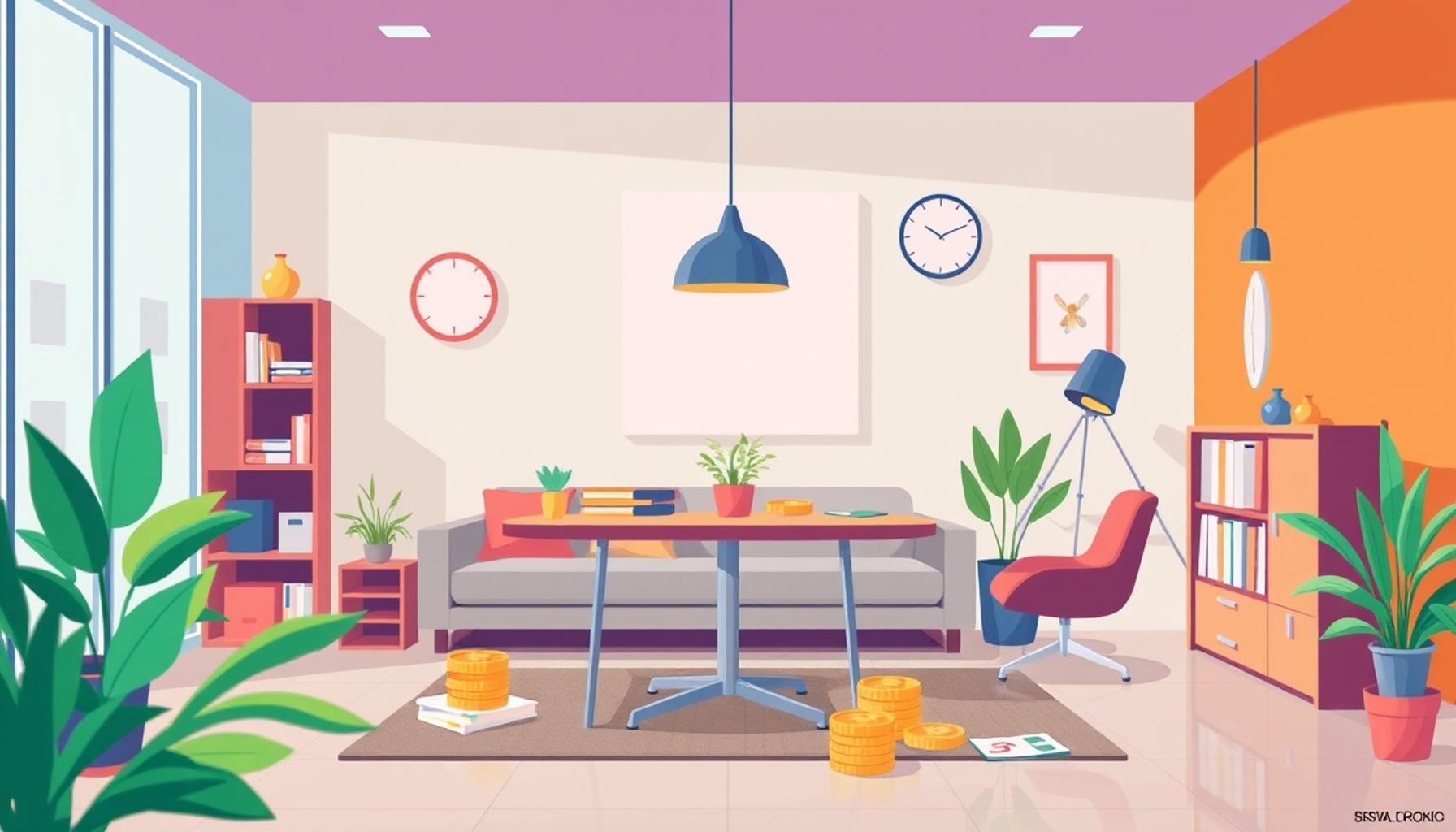
Smart Furniture Design: Creative Solutions for Compact Spaces

Transforming Small Living: The Future of Smart Furniture
As urbanization continues to reshape our lifestyles, a significant number of people in the United States are now calling small spaces home. From micro-apartments in New York City to stylish tiny houses in Portland, the need for intelligently designed living spaces has never been more pronounced. This evolving landscape has sparked a veritable revolution in smart furniture design, where innovation meets the constraints of compact living. The trend sets its sights on minimizing clutter while maximizing functionality and style.
The heart of this movement lies in creating furniture that effortlessly adapts to the changing needs of daily life. Whether it’s a cozy studio that doubles as an office by day or a living room that transforms into a guest quarters by night, smart furniture is paving the way for a new definition of home. Here are some pivotal features that characterize this exciting trend:
- Multi-functional pieces: Modern furniture often serves multiple purposes, eliminating the need for bulky, single-use items. For instance, a smart sofa that easily converts into a bed can enhance the functionality of a small apartment without overwhelming the design. Additionally, a coffee table with drawers or shelves can provide storage for books and games, resolving the clutter issue efficiently.
- Space-saving designs: Compact designs are gaining traction as they fit seamlessly into tight corners and smaller rooms. Foldable desks, stackable chairs, and wall-mounted shelves are some examples of how furniture can be ingeniously minimized in footprint while still being stylish. Popular retailers like IKEA and Wayfair offer a variety of options tailored for smaller living spaces, allowing homeowners to curate their environments with ease.
- Technological integration: The integration of technology into furniture is an emerging trend that reflects the modern lifestyle. Items such as beds with USB charging ports, dining tables with built-in speakers, or ottomans that double as charging stations are just a few illustrations of how smart furniture can incorporate high-tech conveniences for improved functionality.
These innovative solutions not only elevate the aesthetic appeal of living areas but also enhance the overall experience of small living. By opting for smart furniture, individuals can transform their spaces into comfortable and practical havens that reflect their personal style.
This article will delve into the latest trends in smart furniture, spotlighting revolutionary products and offering valuable tips on how to optimize your compact living environment. It’s time to explore how you can elevate your home with a harmonious blend of style and utility, ensuring that every square foot is utilized to its fullest potential.
DISCOVER MORE: Click here to learn more
Innovative Approaches to Smart Furniture Design
With the population density in urban areas skyrocketing, the demand for smart furniture design has surged as individuals and families look for creative solutions to make the most of their compact living spaces. The concept not only emphasizes functionality but also incorporates style, helping homeowners express their unique tastes while embracing practicality. As we explore the evolving landscape of smart furniture, several key strategies emerge that illustrate how modern design can cater to the needs of those living in smaller environments.
One prominent trend in this arena is the emergence of modular furniture. These adaptable units allow users to customize their space based on current needs. For example, modular sofas can be rearranged into various configurations, whether for a gathering of friends or an intimate movie night. Additionally, furniture pieces that can be connected or separated ensure that the available space can be tailored for any occasion, fostering flexibility in living arrangements. This evolving modular landscape is transforming how people perceive traditional furniture.
Comfort Meets Utility
Another notable feature of smart furniture is the emphasis on human-centric design. This approach prioritizes comfort without sacrificing usability. For instance, ergonomic chairs that provide lumbar support while doubling as attractive decor can enhance productivity in home offices. Dining sets that can be easily expanded for guests or collapsed for everyday use create a welcoming atmosphere without overwhelming space. These dual-purpose designs allow homeowners to embrace comfort and style equally, making them suitable for various lifestyles.
Integration of Nature
As more urban dwellers seek to reconnect with nature amidst concrete landscapes, the trend of biophilic design has emerged within the realm of smart furniture. Biophilic furniture includes elements such as indoor plants integrated into furniture pieces or natural materials like wood and bamboo that kindle a sense of tranquility in compact environments. This type of design not only beautifies a space but significantly impacts mental health, fostering an environment that promotes relaxation and well-being.
- Multi-functional layouts: Furniture that serves dual purposes allows for efficient use of space, such as a bed that folds into a wall.
- Convertible designs: Pieces that transform from one function to another, like a desk that converts into a dining table, cater to versatile living.
- Durable materials: Utilizing high-quality materials ensures longevity, making small investments worthwhile in the long term.
The fast-paced lifestyle of city living demands furniture that is inherently versatile and user-friendly. As such, smart furniture design not only simplifies daily tasks but also creates an environment that celebrates the art of living well in compact spaces. By integrating innovative solutions into our homes, we can create a space that aligns with our needs and aspirations, all while reflecting the essence of contemporary design.
| Design Innovation | Space Optimization |
|---|---|
| Multifunctionality | Maximizes usability in limited areas, providing storage and workspace. |
| Sleek Aesthetics | Creates an inviting look, making it ideal for urban living where space is at a premium. |
In urban settings where living space is often a premium, the concept of smart furniture design has emerged as a vital solution for maximizing functionality and aesthetics within compact areas. Multifunctionality is one of the key advantages of such designs; furniture can serve multiple purposes—transforming from a bed to a sofa or incorporating hidden storage that enhances the living experience. This not only adds practicality, but transforms the overall atmosphere in any room.Moreover, sleek aesthetics ensure that the furniture elevates the interiors without compromising on style. This aspect is crucial as it helps maintain an uncluttered, open feeling, even in small spaces. Smart furniture choices enable homeowners to strike a balance between form and function, providing a tailored approach to space utilization. Therefore, learning about these innovative designs can inspire creative solutions that cater to contemporary living standards.
DISCOVER MORE: Click here to learn how to set clear goals for a minimalist life
Emphasizing Technology in Smart Furniture
As technology continues to advance at breakneck speed, the integration of smart technology into furniture design is revolutionizing compact living. Features such as USB charging ports, wireless charging pads, and Bluetooth connectivity are becoming standard in modern furniture, making daily life more convenient for urban dwellers. For instance, coffee tables with built-in charging stations allow users to keep devices powered without cluttering their spaces with cables, reinforcing the idea that functionality is paramount in compact living.
Moreover, the rise of smart home technology opens up exciting opportunities for synchronizing furniture with home systems. Imagine a smart sectional sofa that converts into a bed while synchronizing with your smart thermostat to adjust room temperature for optimal comfort. Innovations like these not only showcase the versatility of smart furniture but also foster heightened efficiency by merging comfort with high-tech features.
Space-Saving Solutions
Space-saving furniture is another critical component of smart design. Vertical solutions, such as wall-mounted foldable desks or Murphy beds, provide clever mechanisms that utilize vertical space effectively. These types of innovations cater specifically to those living in studios or compact apartments where every square inch counts. They allow residents to maximize their available space while accommodating home office setups or guest accommodations effortlessly.
- Compact storage: Furniture featuring hidden compartments or integrated shelving systems minimizes clutter, which is essential in small spaces.
- Sliding solutions: Pieces that glide or slide, such as extendable dining tables or nesting chairs, enable flexibility without sacrificing floor space.
- Transparent materials: Utilizing materials like glass or acrylic can create an illusion of spaciousness. Transparent furniture allows light to flow freely through areas, making them feel more open.
The synergy of form and function in smart furniture design exemplifies the need for creativity in urban living. Design-forward brands are increasingly adopting eco-friendly approaches by incorporating sustainable materials, challenging the stereotype that sustainable choices compromise on style or functionality. By ensuring that their pieces offer both long-term durability and aesthetic appeal, manufacturers are addressing the desires of a contemporary consumer who values both responsibility and modernity.
The Rise of DIY and Customization
In parallel with industrial production, a burgeoning DIY movement allows individuals to create bespoke furniture tailored specifically to their space constraints and style preferences. Online platforms now facilitate access to modular kits that allow home users to assemble furniture from the comfort of their homes, promoting a sense of ownership over one’s living environment. This shift not only empowers consumers but also leads to a greater connection with their furniture, as each piece can be uniquely crafted to fit within their compact spaces.
As driving forces behind smart furniture design, technology, sustainability, and personalization combine as powerful elements to address the challenges of compact living. The convergence of these factors presents a dynamic landscape where traditional furniture conceptualizations are reimagined. In turn, this not only enhances the utility of everyday items but also makes them a centerpiece for personal expression—a hallmark of modern urban life.
DISCOVER MORE: Click here to learn tips for a sustainable minimalist lifestyle
Conclusion
In today’s fast-paced urban environment, smart furniture design has emerged as a transformative solution to the challenges posed by compact living spaces. The fusion of technology, sustainability, and customization empowers consumers to create functional yet stylish homes. Innovations such as integrated smart technology contribute to decluttering environments while enhancing convenience through features like hidden charging ports and connectivity options. Coupled with space-saving solutions, including modular systems and vertical designs, these advancements enable city dwellers to maximize their limited square footage efficiently.
Moreover, the rise of the DIY movement allows individuals to craft personalized solutions that cater to their unique tastes and requirements, further enriching the culture of self-expression in interior design. With a growing emphasis on eco-friendly materials, manufacturers are reshaping the narrative that sustainability and aesthetics cannot coexist.
The dynamic interplay between form and function in smart furniture underlines a shift towards a lifestyle where adaptability and efficiency are paramount for modern consumers. As urban spaces continue to evolve, embracing these creative solutions offers not just a way to cope with limited living areas, but also a pathway toward fostering a more intentional and stylish living experience. Moving forward, prioritizing innovation in design will be key to unlocking the full potential of compact spaces, making them not only livable but also reflective of personal identity.
Related posts:
Multi-Use Areas: Designing Flexible Spaces for a Minimalist Lifestyle
The Psychology of Space: How Minimalism Enhances Mindfulness and Productivity
The Art of Letting Go: How Space Optimization Contributes to a Minimalist Lifestyle
Multifunctional Furniture: The Key to Space Optimization in Minimalist Lifestyles
The Impact of Lighting on Space Optimization: Creating Cozy Minimalist Environments
Functional Furniture: Innovative Designs for Space Optimization in Minimalist Homes