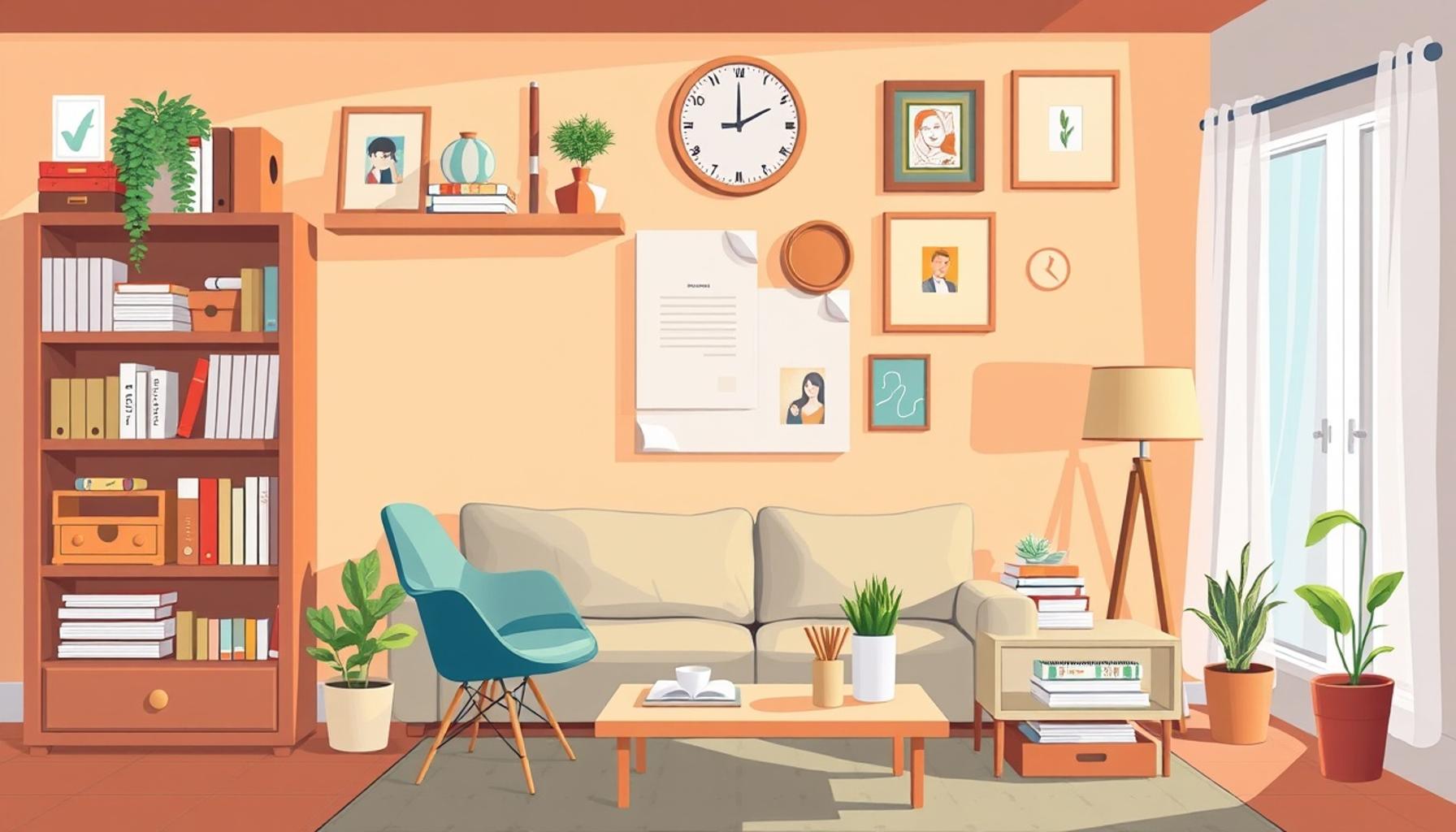
Organization of Spaces: Creating Functional Environments with Less

The Importance of Space Organization
In today’s fast-paced world, the organization of spaces has evolved into a fundamental aspect of everyday life. With growing urbanization and an increase in smaller living spaces, maximizing functionality while maintaining a serene atmosphere has become crucial. It’s essential to understand that optimizing our environments is not just about making them visually appealing; it also enhances overall well-being and productivity. For instance, research shows that a decluttered workspace can lead to improved focus and creativity, making effective organization even more valuable.
Decluttering: A Key to Efficiency
Decluttering is the first essential step in creating a productive environment. It involves evaluating our belongings and determining what is truly necessary. This process can be empowering; by letting go of items that no longer serve us or that we simply do not use, we can not only reclaim physical space but also mental clarity.
Some popular methods have emerged from this trend, such as the KonMari method, which encourages individuals to only keep items that “spark joy.” It’s not just about cleaning—it’s about cultivating a space that supports our goals. For example, a home office with only essential tools allows for a concentrated work environment, free from distractions.
Intelligent Design: Function Meets Aesthetics
Another principle, intelligent design, emphasizes the use of multifunctional furniture and decor. This is particularly relevant in urban environments where space may be limited. Items like a coffee table that doubles as storage, or a sofa bed that can accommodate guests, exemplify how to design effectively without cluttering spaces. Furthermore, utilizing vertical storage—like wall-mounted shelving—can optimize space while keeping the area looking chic and polished.
Innovative solutions, such as using modular furniture that can be rearranged based on different needs, provide versatility. Such designs not only enhance visual appeal but also cater to the dynamic nature of modern living.
Personalization: Reflecting Individual Style
Personalization is essential in tailoring a space that reflects one’s identity while remaining minimal. It’s about selecting decor and furnishings that resonate with personal taste and telling a story, all without unnecessary embellishments. For instance, incorporating family heirlooms or travel souvenirs can infuse character into a room, leading to a warm, inviting atmosphere.
Moreover, color choice plays a significant role in personalization; soothing hues can promote tranquility, while vibrant colors can inject energy into a space. The key lies in finding a balance that mirrors the inhabitant’s lifestyle and mood.
Conclusion: Embracing Minimalism
As we navigate the complexities of modern life, understanding how to create functional and organized spaces becomes increasingly important. Whether living in a small apartment in Chicago or a more spacious home in Portland, embracing the principles of decluttering, intelligent design, and personalization lays the foundation for a harmonious and efficient environment.
By fostering these organizational strategies, we can transform our living and working spaces into sanctuaries of simplicity and productivity, ultimately leading us toward a more focused and fulfilling life. Join us in discovering practical strategies and inspirations that can help in cultivating an organized way of living, revealing how minimalism can enhance everyday experiences considerably.
DISCOVER MORE: Click here to learn how minimalism can boost your mental health
Creating Efficient Spaces: Strategies and Practices
As we delve deeper into the organization of spaces, understanding the right strategies to create functional environments becomes paramount. The minimalist movement has gained considerable momentum, advocating for lifestyles characterized by simplicity and intentionality. This principle holds significant promise in a world that often equates more with better. By embracing the ethos of having less, we can foster environments that promote not only functionality but also peace of mind.
Choosing Quality Over Quantity
One of the cornerstones of effective space organization is the notion of quality over quantity. When selecting furniture and decor, it’s essential to opt for pieces that are not only aesthetically pleasing but also durable and practical. For example, rather than acquiring numerous low-quality items that may clutter your space, investing in a few high-quality pieces can create a more cohesive and organized environment. Here are some considerations when choosing items:
- Functionality: Ensure that every piece serves a specific purpose, whether it’s used regularly or provides essential storage.
- Timeless Design: Opt for designs that stand the test of time, steering clear of transient trends that may soon become obsolete.
- Multi-use Furniture: Consider items that serve multiple functions, such as a dining table that can double as a workspace.
- Size Appropriateness: Measure available space and choose furniture that fits comfortably to prevent overcrowding.
Smart Storage Solutions
Another effective strategy is implementing smart storage solutions that utilize every inch of space efficiently. In homes where square footage is at a premium, maximizing vertical and hidden space can make a remarkable difference. Here are some ideas to consider:
- Under-bed Storage: Utilize storage bins or drawers that slide under the bed to keep out-of-season clothing or extra linens organized.
- Overhead Shelving: Add shelves above door frames or high walls to store books, decorative items, or rarely used kitchenware.
- Built-in Storage: Consider custom cabinetry or built-ins in closets and hallways to create a seamless design that blends style with function.
- Multipurpose Rooms: Design spaces that can easily transition between uses, such as a guest room that doubles as a workspace.
Embracing Nature: Biophilic Design
Incorporating elements of nature into our spaces—known as biophilic design—can have a profound impact on our emotional well-being and productivity. Natural light, plants, and organic materials not only beautify a space but also contribute to a healthier indoor environment. Studies indicate that workplaces enriched with plants can reduce stress levels, boost creativity, and elevate mood. Consider these strategies to bring the outdoors in:
- Natural Light: Maximize natural lighting by using sheer curtains or strategically placing mirrors to reflect light.
- Indoor Plants: Integrate low-maintenance plants such as snake plants or pothos, which can improve air quality and add a breath of fresh air.
- Natural Textures: Use materials like wood, stone, and woven textiles to create a tactile connection to nature.
By adopting these strategies for creating functional environments with less, individuals can revolutionize their spaces. As we continue to explore this journey of organization, the principles of quality, smart storage, and biophilic design will pave the way for a more harmonious living experience.
| Advantages | Key Benefits |
|---|---|
| Maximized Efficiency | By organizing spaces thoughtfully, individuals can access tools and resources swiftly, enhancing productivity. |
| Enhanced Creativity | A decluttered environment fosters focus and inspires innovative thinking, encouraging creative solutions. |
| Improved Well-Being | Functional spaces contribute to a sense of calm and order, positively affecting mental health and reducing stress. |
| Environmental Sustainability | Creating environments with less helps reduce waste, allowing for a more sustainable lifestyle. |
In the realm of Organization of Spaces, the importance of creating functional environments cannot be overstated. By emphasizing a minimalist approach, individuals and organizations alike are finding that not only does efficiency increase, but so does creativity and overall well-being. When we streamline our surroundings, we’re actively making room for innovation while maintaining a serene atmosphere that nurtures mental clarity. This shift not only leads to enhanced productivity but also promotes a healthier lifestyle. Moreover, focusing on environmental sustainability through minimalism allows for a deeper connection to our surroundings. Embracing the philosophy of “less is more” can unlock hidden potential, making it an approach worth exploring for anyone seeking a transformation in their work or living spaces. The dynamic interplay of organization and functionality sets the stage for a truly positive experience in our daily lives.
DISCOVER MORE: Click here to uncover the benefits of minimalism
Maximizing Space Efficiency: Innovative Techniques
Continuing our exploration of space organization, it’s important to recognize that the path to creating functional environments isn’t solely about decluttering but also about innovative solutions that enhance usability. In today’s fast-paced world, where urban living is prevalent and open spaces are at a premium, adopting efficient techniques is essential for promoting a harmonious life.
Flexible Layouts: The Art of Adaptability
A growing trend among interior designers involves creating flexible layouts that can easily adapt to varying needs without extensive renovations. This adaptability is especially crucial in multifunctional spaces, where rooms serve different purposes throughout the day. Here are some tactics to achieve a flexible layout:
- Furniture on Wheels: Opt for movable furniture pieces that can be rearranged as needed. For instance, rolling carts can serve as coffee tables, dining areas, or workstations depending on the time of day.
- Zone Designation: Use area rugs or distinct color schemes to visually separate different functional zones within the same room. This strategy helps in creating distinct work and relaxation areas without permanent physical barriers.
- Foldable or Stackable Items: Incorporate foldable chairs, tables, or stackable storage solutions that can be tucked away when not in use, thus freeing up valuable floor space.
Decluttering Techniques: Mindful Minimalism
The journey to functional spaces also necessitates effective decluttering techniques. Mindful minimalism is about making intentional choices regarding what to keep and what to let go. Here are a few practical methods:
- The 90/90 Rule: Consider if an item has been used in the past 90 days or if you plan to use it in the next 90 days. If it doesn’t fit either criteria, it’s time to consider parting with it.
- One In, One Out: To maintain a clutter-free environment, adopt the practice of removing one item whenever a new one enters your space. This method encourages thoughtful consumption.
- Digital Decluttering: Don’t forget about your digital spaces! Organize and minimize digital storage to avoid feeling overwhelmed. Regularly purge unnecessary files and emails.
The Psychology Behind Organization: Creating Calm
Understanding the psychology of organization can greatly enhance the benefits of a well-organized space. Research suggests that physical clutter can lead to mental clutter, impacting focus and stress levels. Thus, cultivating a serene environment is crucial. Here are some ways to do so:
- Color Psychology: Choose calming color palettes, such as soft blues and greens, which promote relaxation and focus. The colors in a space can influence mood significantly.
- Personalized Spaces: Infuse areas with personal touches that bring joy, such as photographs or art pieces that resonate with you. These personalized elements can create a sense of belonging and comfort.
- Organizational Tools: Utilize clear storage solutions to keep items visible yet organized. When you can easily see what you have, it reduces anxiety and creates an efficient workflow.
Exploring innovative techniques for maximizing space efficiency reveals that organization is not merely a trend but a necessary adaptation to modern living. By embracing flexible layouts, mindful decluttering, and understanding the psychological impacts of our environments, we can shape functional spaces that enrich our lives while reducing the noise and chaos often associated with excess.
DIVE DEEPER: Click here to discover the art of living with less
Conclusion: Redefining Living Spaces with Purpose
As we’ve traversed the landscape of space organization, it becomes clear that the organization of spaces is an essential practice in today’s world, where efficiency and functionality take precedence. By integrating innovative techniques such as flexible layouts and mindful decluttering, we pave the way for environments that not only look appealing but also serve multiple purposes. This approach allows us to maximize our living spaces, transforming them into havens of productivity and calm amidst the hustle and bustle of life.
Understanding the psychological aspects of space organization helps us appreciate the profound impact our surroundings have on our mental well-being. With a little creativity and thoughtful design choices, we can mirror our inner state of peace within our physical environments. Techniques such as the 90/90 rule and personalized décor contribute significantly to maintaining a clutter-free existence, enabling us to focus on what truly matters.
Ultimately, the art of creating functional environments with less is not just about minimalism but about intentional living. Whether through vivid colors that awaken joy, multifunctional furniture that adapts to our needs, or simple artistic elements that bring us comfort, each choice contributes to a greater sense of harmony. In a world constantly filled with distractions, let us strive to redefine our spaces, inviting tranquility and purpose into every corner of our homes.
Related posts:
Financial Minimalism: How to Simplify Your Personal Finances to Achieve Freedom
Simplified Living for Beginners: A Step-by-Step Guide to Uncomplicating Your Life
The Art of Detachment: How to Simplify Your Life Through Minimalism
Demystifying Minimalism: How Less Can Be More in Our Personal Relationships
The role of Simplified Living in sustainability and conscious consumption
How Simplified Living Can Increase Your Daily Productivity