Multi-Use Areas: Designing Flexible Spaces for a Minimalist Lifestyle
The Rise of Minimalist Living
In a society where the hustle and bustle of daily life often leads to an overwhelming accumulation of possessions, the shift towards minimalism is not merely a trend but rather a significant lifestyle choice. Minimalism emphasizes the essence of living with less, focusing on utility and harmony. This shift has become increasingly relevant as urban dwellers face spatial constraints in metropolitan areas, prompting the need for multi-use areas in residential designs.
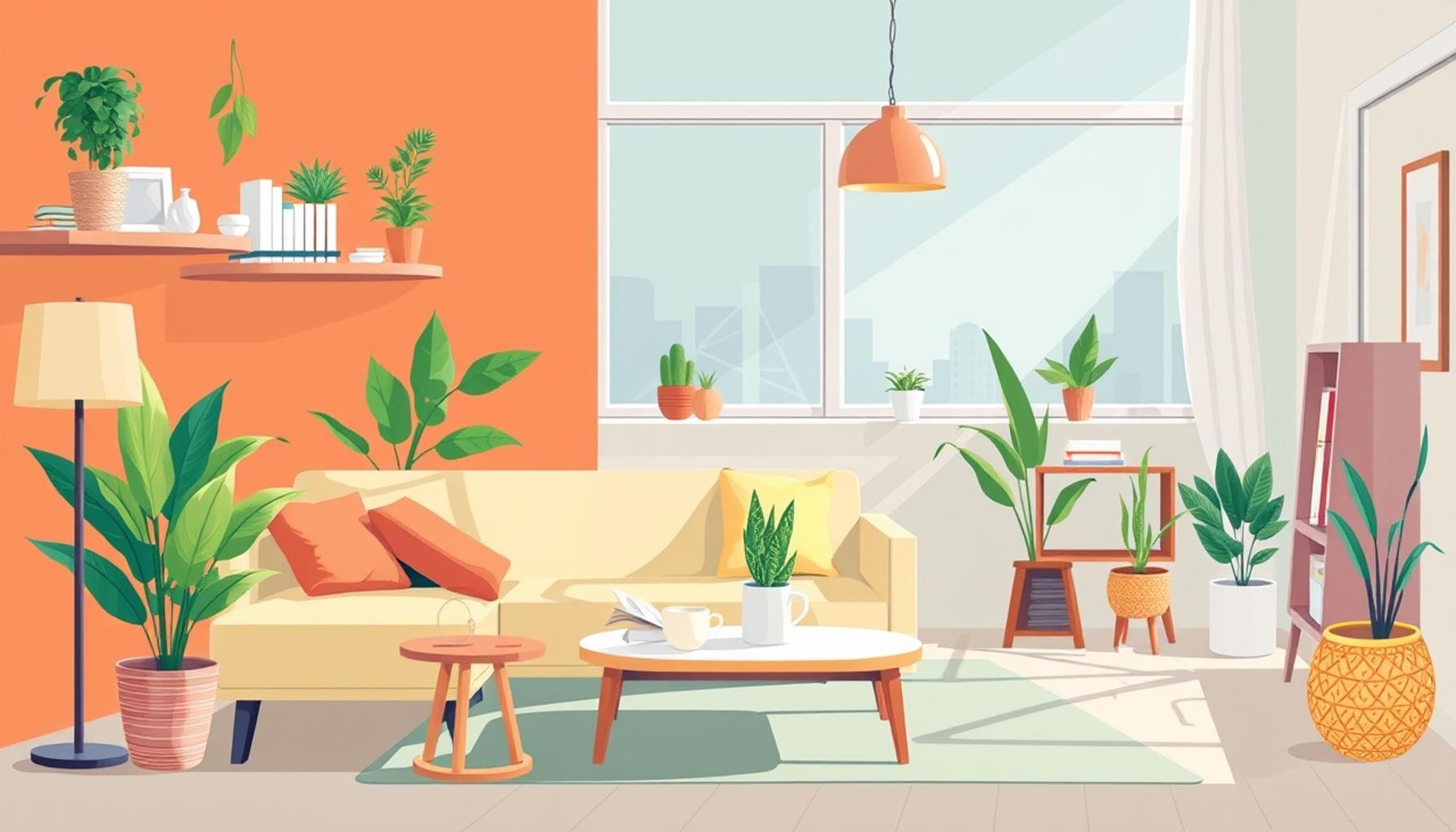
Multi-use spaces represent a practical solution to the challenges of modern living. By transforming our homes into versatile environments, these spaces allow us to adapt to various functions throughout the day. For instance, a living room can easily morph into a home office during the workday and revert back to a relaxation area in the evening. This duality in function speaks to a greater freedom in home management, effectively reducing clutter while maximizing comfort.
Key Features of Multi-Use Design
Designing these multifunctional areas requires careful consideration of certain elements that marry style with practical use. Here are a few essential features that can transform a standard living space:
- Transformative Furniture: Opt for furniture that can shift between uses. A sofa bed combines seating with sleeping space, while extendable dining tables cater to both small family dinners and larger gatherings.
- Smart Storage Solutions: To combat the chaos of clutter, innovative storage options like hidden compartments in furniture and built-in shelves can maximize space. For instance, a coffee table with storage inside can help keep things tidy while still providing a stylish surface.
- Flexible Layouts: Adopting an open floor plan allows for an adjustable layout that can be easily rearranged based on daily activities. Boards and rugs can delineate areas within a shared space, creating a sense of separation while maintaining unity.
The integration of these elements fosters an environment where every inch of space is utilized to its fullest potential. As more people embrace flexible living, the benefits extend beyond mere functionality—they create an atmosphere that enhances well-being and promotes simplicity. Imagine coming home to a space that seamlessly transitions from a cozy nook for family time to an efficient workspace, all while feeling aesthetically pleasing.
Exploring the art of designing flexible spaces is not just about aesthetics; it’s about understanding how to enhance daily living through innovation. By incorporating the principles of minimalist design, you can cultivate a harmonious home that reflects your lifestyle and values. As you embark on this journey, consider how you can implement these ideas to not only transform your space but also enrich your life.
DIVE DEEPER: Click here for insightful space optimization strategies
Creating Harmony Through Multi-Use Spaces
When designing for a minimalist lifestyle, the concept of multi-use areas emerges as a beacon of efficiency and aesthetic appeal. These spaces not only cater to a myriad of functions but also reflect a growing desire to simplify our lives. As more individuals find themselves navigating the multifaceted demands of work, family, and personal hobbies, the necessity for adaptable environments becomes even more apparent. The design of these flexible spaces parallels the ideologies of minimalism, where each element serves a purpose while contributing to an overall sense of calm and order.
To effectively implement multi-use designs, it is essential to consider specific strategies that enhance both functionality and style. Here are key considerations that can guide the transformation of conventional living spaces:
- Multipurpose Furniture: Invest in pieces that easily transition between roles. For instance, ottomans that double as storage bins or a Murphy bed that folds into the wall can dramatically increase space efficiency while reducing the visual clutter typically seen in traditional furniture arrangements.
- Zone Designation: Utilize visual boundaries to define areas within a room. This can be achieved through the use of rugs, varying paint colors, or even strategically placed furniture. By creating clear zones for work, relaxation, and socialization, residents can better navigate their daily routines without feeling overwhelmed.
- Natural Light Adaptation: Positioning furniture to maximize natural light can enhance the multifunctionality of a space. Bright, airy rooms encourage productivity, making them ideal for home offices, while intimate lighting can transform the same area into a cozy reading nook by evening.
- Incorporating Technology: Thoughtfully integrating smart technology can streamline the functionality of a space. Smart lighting systems, for example, can adjust based on the time of day or activity, allowing for a seamless transition between work and relaxation.
The beauty of designing multi-use spaces lies in their ability to adapt, reflect personal styles, and accommodate shifting needs. In a world where minimalism advocates for a less-is-more approach, embracing multifunctionality enables individuals to create environments that are not only practical but also profoundly inspiring. Imagine walking into your home and encountering a space that fluidly adjusts to your lifestyle demands, from a vibrant creative space in the afternoon to a tranquil retreat in the evening.
As you explore the possibilities of multi-use spaces, consider how these key elements can be adapted to fit your unique lifestyle. By focusing on versatile design solutions, you can carve out a living environment that prioritizes both peace of mind and productivity, all while embracing the essence of minimalism. Your home should be a reflection of your values, and with thoughtful planning, it can be transformed into a haven of flexibility and simplicity.
| Advantages | Description |
|---|---|
| Space Efficiency | Multi-use areas maximize available space, reducing clutter and enhancing organization. |
| Enhanced Versatility | Flexibility in design allows spaces to adapt to different activities and needs over time. |
Designing flexible spaces is a core principle of the minimalist lifestyle, compelling individuals to rethink their environments. Space efficiency is fundamental; living in multifunctional areas not only declutters but also fosters an environment of focus and tranquility. These spaces encourage intentionality in how belongings are used, aligning perfectly with the minimalist ethos of quality over quantity.Moreover, the enhanced versatility inherent in multi-use areas allows homes to evolve alongside their inhabitants. Whether transforming a guest room into a work-from-home office or a dining space into a yoga nook, flexibility becomes central to design choices. These adaptive spaces enable individuals to enjoy a variety of activities without the need for excess furnishings, making living spaces not only more functional but also more sustainable. As you explore the possibilities of multi-use areas, you may find new inspiration for designing spaces that reflect your minimalist lifestyle while enhancing your daily routine.
DIVE DEEPER: Click here to discover digital minimalism
Innovative Strategies to Maximize Flexibility
As the demand for multi-use areas continues to grow, innovative strategies emerge to create spaces that not only meet practical needs but also serve as a canvas for inspiration. Central to this pursuit is the understanding that flexibility goes beyond furniture choice—it’s about fundamentally rethinking how spaces are structured. Let’s delve into some advanced approaches that can elevate your design game while adhering to minimalist principles.
- Transformative Room Dividers: Traditional walls can create barriers, while modern room dividers enhance flexibility. Consider options such as folding screens or sliding panels that can be opened or closed depending on the desired use of the space. This approach allows for a seamless transition between a large communal area for gatherings and an intimate workspace when required.
- Vertical Utilization: High ceilings offer opportunities for vertical design solutions, turning underused wall space into functional areas. Shelving units that extend to the ceiling can store books and decor items while leaving floor space free for other activities. Even plants can be hung on walls or from ceilings, adding life without cluttering the ground level.
- Color and Texture Play: Using a well-thought-out color palette can visually alter perceptions of a space and delineate areas. For instance, a calming light hue in a workspace can encourage focus, while warm tones in a lounge area can foster relaxation. Textures like warm woods or soft fabrics can further enhance the mood, indicating function without the need for major alterations.
- Convertible Spaces: Think beyond conventional room definitions by designing spaces that reinvent their purpose entirely. With built-in features, a dining room can transform into a fitness studio with retractable equipment or a game room with a creative foldable table. The potential of transformable spaces not only reinforces functionality but also challenges the idea of static living environments.
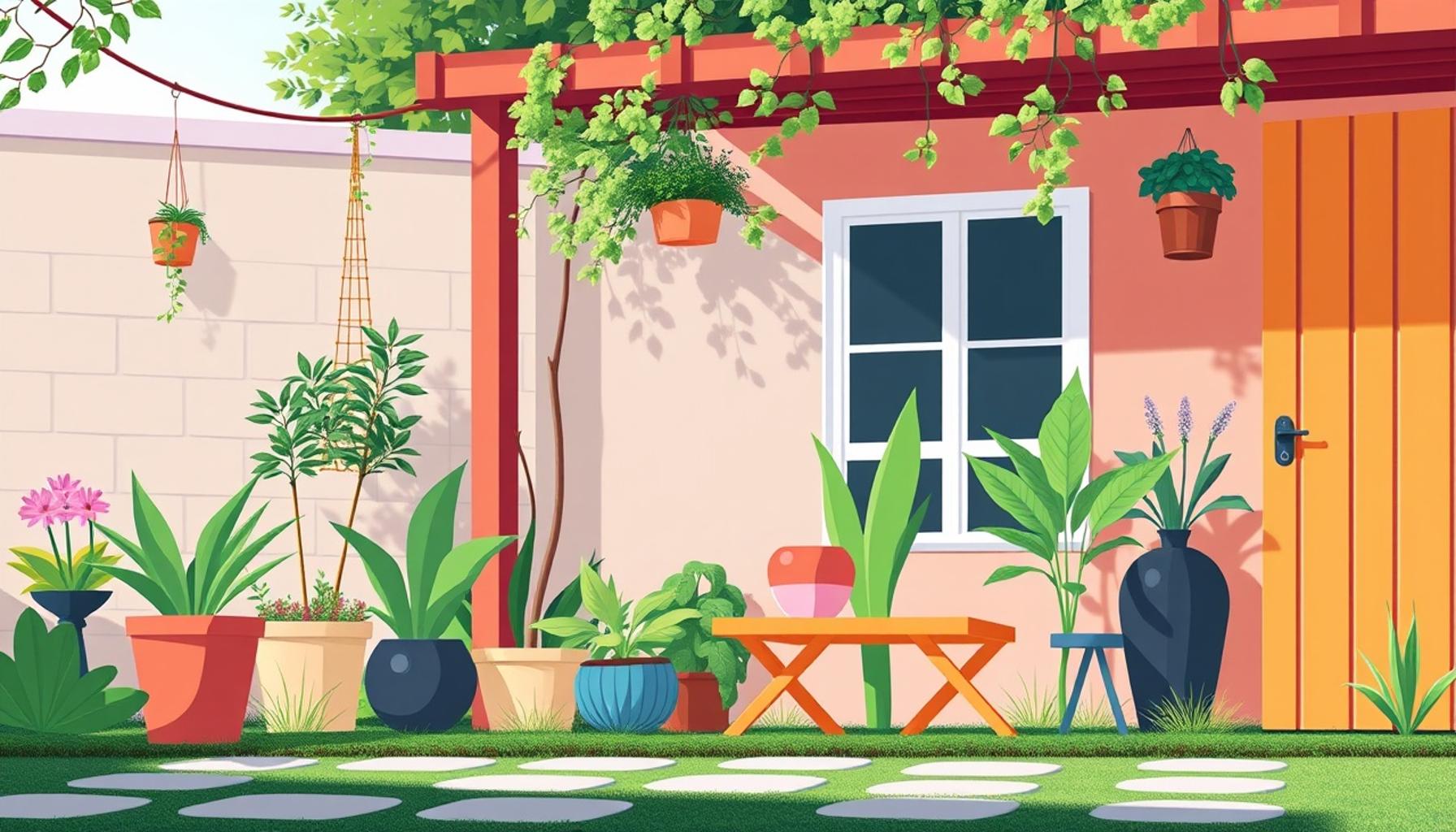
- Seasonal Adaptation: Consider how the seasons influence your use of space. Rooms can be designed with seasonal functionality in mind. For example, outdoor areas can seamlessly blend with indoor spaces during warmer months through oversized glass doors, effectively expanding living areas and embracing nature while fostering an indoor-outdoor lifestyle.
Equipped with these innovative strategies, homeowners have the power to turn ordinary spaces into personalized sanctuaries of flexibility. As the trend towards a minimalist lifestyle continues to gain momentum, many are seeking environments that cater to their multifaceted experiences and lifestyles, reinforcing the need for spaces that are not only versatile but also affirming of their values.
Moreover, embracing sustainable materials and energy-efficient solutions has become paramount for many when designing multi-use areas. Reclaimed wood, recycled metals, and eco-friendly textiles can all contribute to a cohesive aesthetic while promoting environmental consciousness. Systems like passive heating or cooling can adjust based on room use, enhancing comfort without adding to the energy footprint.
As the journey towards multifunctional living spaces unfolds, it invites both homeowners and designers alike to reimagine how to live more intentionally. By implementing these innovative strategies, individuals can create dynamic environments that support a minimalist lifestyle while remaining practical, stylish, and effortlessly adaptable to life’s ever-changing demands.
DISCOVER MORE: Click here to unlock your creativity
Conclusion: Embracing the Future of Multi-Use Design
In conclusion, the evolution of multi-use areas is a testament to the growing desire for flexibility and intentionality in our living spaces. By strategically implementing innovative design strategies such as transformative room dividers, vertical utilization, and the creation of convertible spaces, individuals can cultivate environments that are not only practical but also imbued with personal style and purpose. This reimagining of space aligns beautifully with the principles of a minimalist lifestyle, encouraging us to embrace simplicity while accommodating the diverse functions our lives demand.
Moreover, the integration of sustainable materials and adaptive features highlights an essential consideration in modern design—our responsibility towards the planet. As homeowners and designers champion eco-friendly practices, the potential for creating spaces that energize and inspire becomes boundless. By acknowledging the natural flow of seasons and recognizing the importance of an indoor-outdoor connection, we enhance our living experiences and foster a deep appreciation for our surroundings.
Ultimately, the journey into multi-use design is not just about maximizing functionality; it is about creating spaces that reflect our values, enhance our well-being, and adapt seamlessly to our changing lives. As we move forward, the challenge lies in thoughtfully crafting these environments, ensuring they serve as a canvas for our lives—celebrating both simplicity and versatility in our pursuit of a minimalist lifestyle.
Related posts:
Creating Zen Spaces: The Role of Minimalist Design in Enhancing Tranquility and Space Optimization
The Art of Letting Go: Strategies for Space Optimization and Item Reduction
Creating Functional Environments: Space Optimization Strategies for Home Offices
The Art of Decluttering: How to Optimize Space with Minimalist Principles
Multifunctional Furniture: The Key to Space Optimization in Minimalist Lifestyles
The Impact of Lighting on Space Optimization: Creating Cozy Minimalist Environments