Creating Functional Environments: Space Optimization Strategies for Home Offices
The Evolving Home Office Landscape
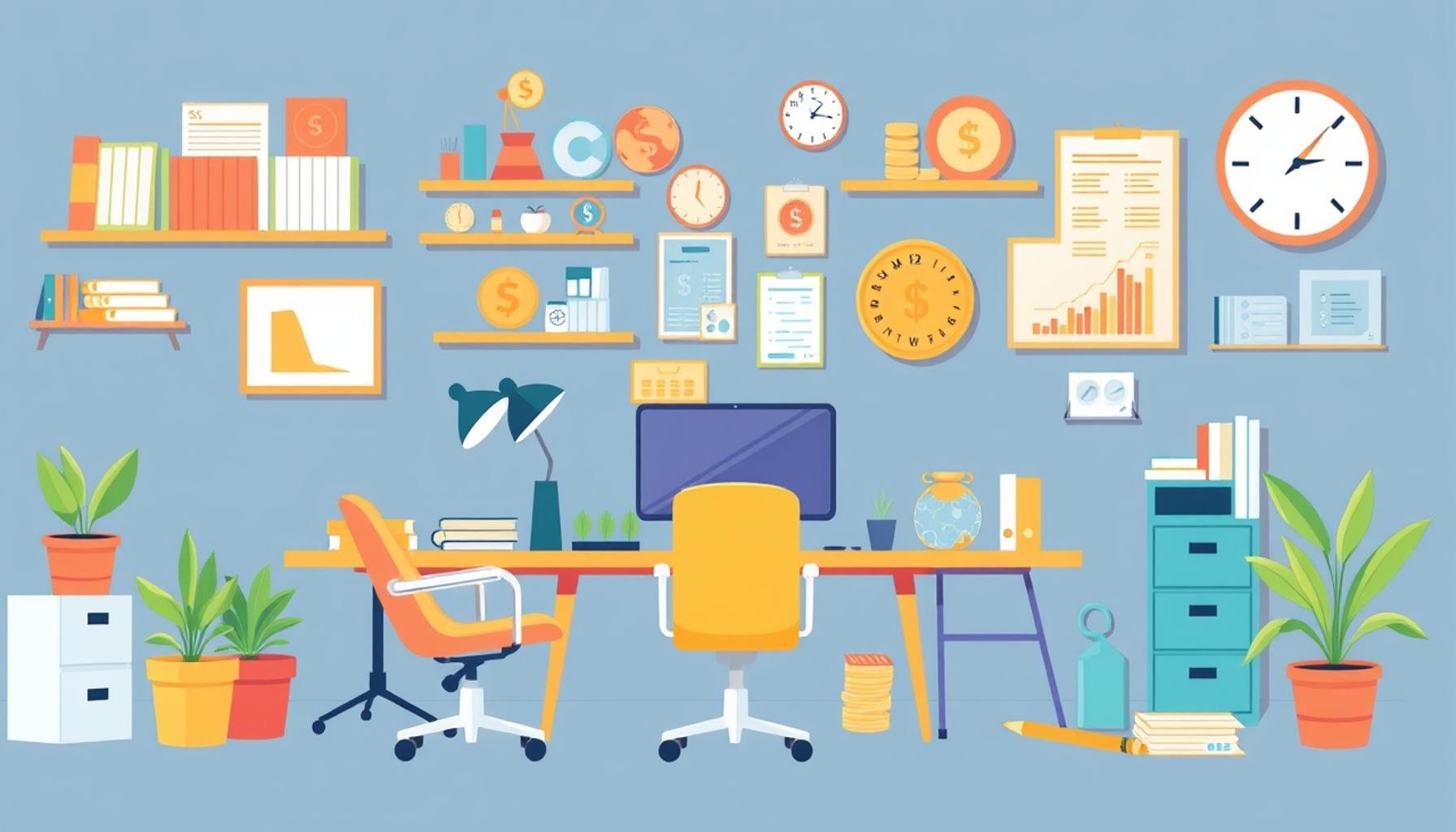
In the wake of the global pandemic, millions of workers across the United States have embraced remote work, reshaping their domestic landscapes. As commuting distances shrink from miles to mere steps, the concept of a functional home office has shifted from being a mere convenience to an essential element of professional life. With the right space optimization strategies, any corner of your home can become a sanctuary for productivity.
To create an environment that fosters creativity and efficiency, several key elements should be top of mind:
- Layout: The arrangement of furniture significantly influences both the function and flow of your workspace. For instance, placing your desk near a window not only provides natural light but also creates a sense of openness. Consider using L-shaped desks for corner spaces or standing desks to alternate between sitting and standing, promoting better posture and energy levels throughout the day.
- Storage Solutions: Clutter can be a silent productivity killer. To combat this, maximizing vertical space is crucial. Implement floating shelves or invest in tall bookshelves to utilize wall space efficiently. Multifunctional furniture—such as ottomans with storage options or desks with built-in shelves—can also help maintain an organized environment, keeping essential documents and supplies at your fingertips.
- Lighting: Good lighting is imperative for a productive workspace. Natural light has been shown to improve mood and reduce eye strain, making it an invaluable asset. If your workspace lacks adequate natural light, consider supplementing with task lighting like adjustable desk lamps, which can provide focused light for reading and writing without overwhelming the senses.
Moreover, the atmosphere and organization within your office should not be underestimated. Research indicates that over 60% of remote workers feel their productivity has soared since they adapted their working environments to suit their personal preferences and needs. This highlights the importance of not only physical adjustments but also psychological ones. A workspace decorated with personal touches, such as artwork or motivational quotes, can significantly enhance one’s sense of well-being and creativity.
As you embark on the journey to craft your ideal workspace, it’s essential to explore innovative ideas and practical strategies that fit your lifestyle. Consider integrating plants to improve air quality, incorporating calming colors to soothe the mind, or even setting up a cozy reading nook for breaks. The possibilities are limitless. Let us delve deeper into how to maximize every square foot of your home office and elevate it into a hub of efficiency and comfort.
DIVE DEEPER: Click here to discover more about minimalism in fashion
Maximizing Your Home Office Space
Space optimization is essential when it comes to creating functional home office environments. In today’s remote work landscape, every foot of available space can significantly impact productivity and overall job satisfaction. The intricate balance between functionality and comfort must be achieved without sacrificing style or personal preference. To realize this vision, there are several strategies that you can implement in your home office.
Understanding Your Space
Before diving into organizing and furnishing, it’s important to evaluate your available area. Whether you have a dedicated room or a small corner of a multipurpose space, understanding how to utilize it can be transformational. Begin by assessing the layout of your home office:
- Identify Your Needs: Take note of the equipment you regularly use, such as computers, printers, and filing systems. Do you need a desk large enough to accommodate dual monitors, or is a compact workspace sufficient? Establishing your priorities helps streamline the design process.
- Measure the Space: Accurate dimensions of your workspace can serve as a guide to selecting furniture that fits comfortably without crowding the area. Utilize a tape measure and consider scale drawings to visualize how items will fit together.
- Define Zones: If your home office is within a shared space, define specific zones to delineate work-related activities from leisure. Using rugs, furniture arrangements, or even dividers can help compartmentalize your environment.
Incorporating Functional Furniture
Another pillar of space optimization is selecting the right furniture. This means not just any desk or chair, but pieces that provide both functionality and adaptability. In particular, look for:
- Multi-Functional Desks: A desk that can transform from a sitting to a standing workstation is invaluable for those looking to incorporate more movement into their day. Ergonomic designs are equally essential, as they can prevent physical strain during long hours of work.
- Wall-Mounted Desks: For those with limited space, a wall-mounted desk can be a game-changer. Easily foldable and tucked away when not in use, they maximize floor space while providing a workspace when needed.
- Rolling Carts: These versatile pieces can offer additional storage and surface area that can be moved as necessary, making them perfect for crafting a dynamic workspace.
By understanding your space and incorporating furniture designed for efficiency, you can markedly enhance the functionality of your home office. With proper organization and design, you can ensure that your home office not only serves its primary purpose but also becomes a source of inspiration, creativity, and productivity. The journey towards a more optimized workspace continues; let’s explore more innovative strategies to transform any environment into a hub for work and creativity.
| Space Utilization | Practical Adaptations |
|---|---|
| Flexible Furniture | Incorporate multi-functional furniture that can adapt to various tasks, such as desks that double as meeting tables. |
| Vertical Storage Solutions | Utilize wall-mounted shelves and cabinets to maximize floor space, freeing up areas for movement. |
| Decluttering Techniques | Implement regular decluttering sessions, focusing on reducing items that are not essential to work tasks. |
| Defined Zones | Create distinct zones for different activities, such as a dedicated space for video calls or brainstorming sessions. |
By integrating these strategies, individuals can transform even the most modest home office into a dynamic space that enhances productivity. The effective use of flexible furniture and innovative storage solutions plays a critical role in achieving this goal. Moreover, establishing defined zones facilitates focus and reduces distractions, paving the way for more meaningful work experiences.
DIVE DEEPER: Click here to uncover more strategies
Strategic Storage Solutions
Once your essential furniture is in place, the next layer in creating functional home office environments involves innovative storage solutions. A clutter-free workspace fosters improved focus and efficiency, and the right storage strategies can help you achieve this goal without taking up too much space.
Creative Use of Vertical Space
In many home offices, floor space is limited, making vertical storage solutions invaluable. By drawing the eye upward, you can significantly declutter your work area:
- Open Shelving: Installing open shelves can provide easy access to frequently-used books, supplies, and decorative items. Opt for floating shelves that give an illusion of more space and can be placed at varying heights to suit your needs.
- Tall Cabinets: Utilize vertical storage cabinets that reach close to the ceiling rather than wide sideboards. These can house everything from filing systems to office supplies, maximizing your storage potential without consuming too much floor area.
- Wall-Bound Organizers: Consider wall organizers that utilize slots, pockets, or grids to hold mail, notes, or tools. Brands like Elfa and IKEA offer customizable systems that can adapt to your specific requirements.
Innovative Storage Options
Additionally, functional storage doesn’t always have to come in the traditional form of cabinets or drawers. Think outside the box with the following options:
- Under-Desk Storage: Rolling drawers or footrest boxes that can slide under the desk are great for stashing away items while keeping your floor space clear. This approach keeps your sitting area tidy while still maintaining easy access to essentials.
- Overhead Storage: Baskets or bins hung from the ceiling can serve as creative storage that won’t encroach on your working space. This type of storage also adds a playful aesthetic to your office.
- Magnetic Strips: Using magnetic strips for tools, pens, and other small items can help keep your desk clear. These strips can be attached to walls or the sides of cabinets, allowing for visibility and easy access without sacrificing space.
Decluttering and Organizational Techniques
Another critical aspect of space optimization is the consistent practice of decluttering and maintaining organization. You can implement several techniques to keep your home office in peak condition:
- The Two-Minute Rule: If a task can be completed in two minutes or less, do it immediately. This habit helps prevent small tasks from piling up and creating an overwhelming workspace.
- Regular Evaluation: Set aside time weekly or monthly to reevaluate your workspace and determine what items are essential and what can be discarded or donated.
- Digital Decluttering: Don’t overlook the importance of a clutter-free digital workspace. Organize your desktop by creating folders, uninstalling unused software, and regularly backing up files. This not only optimizes your device performance but also enhances focus during work hours.
By implementing optimized storage strategies, you can transform your home office into a well-organized, functional haven. As you continue to mold your workspace, considering these innovative solutions will help ensure that your home office is not just a place to work but also a sanctuary of inspiration and efficiency. Embracing such strategies can lead to an immediate improvement in your workflow and productivity.
DISCOVER MORE: Click here for expert tips on optimizing your space
Conclusion: Innovating Your Workspace for Maximum Efficiency
In the quest for productivity, creating functional home office environments is paramount. The strategies discussed throughout this article underscore the importance of intentional design, effective organization, and innovative use of space. By considering factors such as the balance between essential furniture and strategic storage solutions, workspace optimization can dramatically enhance not only the aesthetics of your office but also its functionality and your overall productivity.
Using creative vertical storage solutions, such as open shelving and tall cabinets, allows for a more expansive feel while keeping surfaces clutter-free. Additionally, unconventional storage methods, such as utilizing under-desks or overhead baskets, can help maximize every inch of your home office, accommodating both your workspace needs and personal style.
Regular decluttering and effective organizational techniques, such as the two-minute rule and digital management, are critical in ensuring that your workspace remains orderly and conducive to productivity. With these strategies, your home office can evolve into a sanctuary where inspiration flourishes, and tasks are managed efficiently.
As remote work continues to rise, rethinking your workspace is no longer merely an option but a necessity. By implementing these space optimization strategies, you can create an environment that not only meets your professional demands but also nurtures your creativity. Begin exploring these solutions today and unlock your home office’s full potential—your productivity will thank you!
Related posts:
Inspiring Workspaces: How Minimalism Transforms Home Offices with Space Optimization
Maximizing Small Spaces: Minimalist Organization Tips for Urban Apartments
The Power of Colors: How a Minimalist Palette Contributes to Space Optimization in Small Environment...
Vertical Storage: Utilizing Walls for Minimalist Organization
Functional Furniture: Innovative Designs for Space Optimization in Minimalist Homes
Digital Minimalism: Organizing Your Virtual Space for Efficiency and Clarity