The Impact of Lighting on Space Optimization: Creating Cozy Minimalist Environments
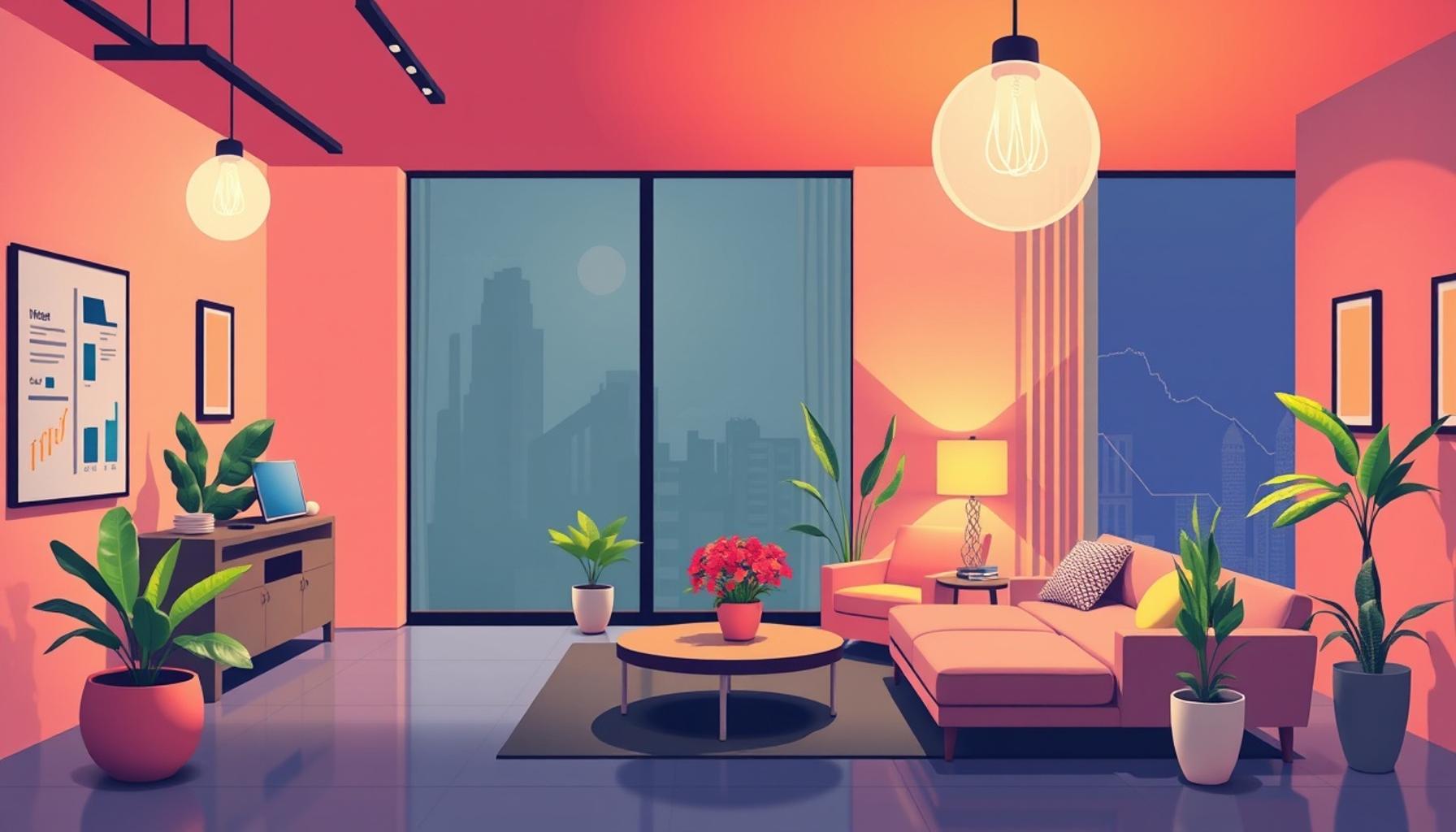
Understanding the Role of Lighting in Space Optimization
In the realm of interior design, the execution of space optimization plays an essential role in enhancing both form and function. One often overlooked element that significantly influences this optimization is lighting. The way light interacts with various surfaces and spaces can dramatically alter the perception and functionality of any environment. By making informed lighting choices, you have the potential to transform your living areas into welcoming havens that feel both expansive and intimate.
Maximizing Natural Light
First and foremost, harnessing the power of natural light is essential in optimizing the feel of your space. Large windows, glass doors, and strategically placed skylights can flood a room with sunlight, creating a buoyant atmosphere. For instance, consider utilizing sheer curtains that allow sunlight to filter through while providing some privacy. In homes with smaller spaces, this can be particularly effective in making a room appear larger. Cities like New York and San Francisco are filled with loft-style apartments that capitalize on expansive windows to create an airy ambiance that feels connected to the outdoor environment.
Creating Layers Through Lighting
Another fundamental aspect of space optimization is the use of layered lighting. This technique combines ambient, task, and accent lighting to create a dynamic atmosphere that adapts to different needs throughout the day. For example, pendant lights above a dining table can serve as both a functional lighting source and a focal point when entertaining guests. A well-placed floor lamp can illuminate a reading nook, while spotlights can highlight artwork or architectural features, adding depth and interest to your living space.
Emphasizing Color Temperature
The choice of color temperature also plays a critical role in establishing the desired mood within a room. Warm white lights (around 2700K to 3000K) are ideal for creating a cozy and inviting environment, making them perfect for living rooms and bedrooms. In contrast, cooler lights (5000K to 6500K) are better suited for workspaces like kitchens or home offices where focus and clarity are essential. By selecting the right color temperature, you not only enhance functionality but also foster an emotional connection to your environment.
In today’s fast-paced world, the minimalist design philosophy offers a breath of fresh air by promoting simplicity and clarity. Effective lighting techniques not only augment the visual appeal of your space but also streamline its function. Whether you inhabit a petite apartment in a bustling city or a suburban home with ample square footage, a reflective understanding of how light and space intertwine can be the key to cultivating a tranquil sanctuary. As you explore the multifaceted relationship between lighting and space optimization, you will uncover how these elements intertwine to create an ambiance that goes beyond aesthetics—turning your house into a true home.
DISCOVER MORE: Click here to uncover how mental organization can enhance your minimalist journey
Harnessing the Power of Lighting in Minimalist Spaces
As we delve deeper into the impact of lighting on space optimization, it’s crucial to recognize the fine balance between aesthetics and functionality that lighting can create, particularly in cozy minimalist environments. By thoughtfully designing your lighting scheme, you can not only enhance the visual appeal of your space but also accentuate its spatial qualities. Let’s explore some practical strategies that help achieve this delicate equilibrium.
Effective Use of Light Fixtures
The choice of light fixtures is fundamental in shaping both the style and experience of an environment. Selecting fixtures that complement your existing décor while offering flexibility in their functionality can significantly enhance space optimization. Here are some fixture types to consider:
- Pendant lights: These are excellent for drawing the eye upwards while providing vital illumination over specific areas like dining tables or kitchen islands. Their height can be adjusted to suit the room’s dimensions.
- Wall sconces: Ideal for narrow spaces or hallways, sconces can serve as accent lighting, freeing up floor space while still enriching the overall ambiance.
- Recessed lighting: Perfect for minimalist spaces, recessed can lights offer a streamlined look while providing a wash of light that minimizes clutter.
In spaces that prioritize minimalism, the aim is to ensure that each element serves a purpose, and the right light fixtures help maintain that principle. Choosing multipurpose lights that can adjust their brightness or color temperature allows for a spectrum of moods throughout the day. This way, a cozy atmosphere can be created in the evening, while vibrant light can invigorate a space during the day.
Strategic Placement for Visual Expansion
Lighting placement is equally critical for enhancing spatial perception. Strategic positioning can make a compact area feel much larger and more inviting. Here are some effective techniques to consider:
- Highlighting vertical lines: Use lighting to emphasize vertical lines in the architecture of the room, which can create the illusion of a higher ceiling.
- Illuminating corners: Softly lighting corners can prevent them from feeling cramped, helping to push the visual boundaries of the space.
- Mirrors and lighting: Pairing mirrors with lighting can enhance the natural light and make small rooms feel airy and expansive. Positioning lights near mirrors allows for maximum reflection, amplifying brightness.
Integrating these techniques with the core principles of minimalist design and space optimization ensures a coherent look and feel in your home. Every lighting element should contribute to the overall serenity and functionality of the environment, thereby creating a cozy retreat that resonates with its inhabitants.
The Role of Light in Enhancing Spatial Perceptions
When transforming a space into a cozy minimalist environment, the impact of lighting cannot be underestimated. Proper lighting not only serves functional purposes but also alters the perception of space. Natural light, for example, opens up rooms, creating an illusion of expansiveness. This is particularly beneficial in small apartments or spaces that might feel cramped. Utilizing large windows, skylights, or mirrors can enhance the influx of natural light, which in turn cultivates a serene atmosphere.
Layered Lighting Techniques
Another innovative approach to lighting in minimalist environments is through the use of layered lighting techniques. Combining ambient, task, and accent lighting allows for flexibility and personalized control over the feel of a room. Ambient lighting provides overall illumination, while task lighting focuses on specific areas, such as a reading nook or workspace. Accent lighting, such as wall sconces or spotlights, can highlight art pieces or architectural features. This multi-faceted approach not only optimizes space but also enhances the aesthetic appeal without overcrowding the environment.
Color Temperature and Mood Creation
The color temperature of light plays a critical role in influencing mood and atmosphere. Warm white lights (around 2700K to 3000K) evoke warmth and comfort, making spaces feel more inviting. Cool white lights (above 3500K), on the other hand, can create a more energizing and modern touch, suitable for study areas or kitchens. The strategic selection and placement of lighting fixtures according to their color temperature can significantly affect how cozy a minimalist space feels.
| Lighting Technique | Effect on Space |
|---|---|
| Natural Light | Creates an open feel, enhancing spatial perception |
| Layered Lighting | Allows for versatility, highlighting focal points while ensuring overall brightness |
Smart Lighting Solutions
With the advent of technology, smart lighting solutions have transformed how we approach lighting in minimalist designs. Adjustable smart bulbs and systems allow homeowners to change brightness and color temperatures with a simple app or voice command. This adaptability is crucial for optimizing lighting depending on the time of day or specific Mood settings. Integrating smart solutions not only enhances the functionality of space but also aligns with the minimalist ethos of simplicity and efficiency.
Ultimately, embracing the strategic use of lighting can create inviting spaces that feel larger, more functional, and undeniably cozy. As we continue to prioritize sustainable design and minimalist aesthetics, the role of lighting will remain at the forefront of creating environments in which we genuinely enjoy living and working.
DISCOVER MORE: Click here to learn about multifunctional furniture
Layering Light for Depth and Warmth
Another essential aspect of utilizing lighting in cozy minimalist environments is the concept of layering. By combining different types of lighting—ambient, task, and accent—you can create a dynamic space that feels both inviting and functional. This layered approach is where the true potential of lighting shines, allowing for versatility in how spaces are experienced throughout the day.
Ambient Lighting as the Foundation
Ambient lighting serves as the primary source of illumination in a room, setting the mood for the entire space. In minimalist environments, it’s vital to maintain a soft and diffused light that ensures comfort without overpowering the aesthetic. Consider using fixtures that distribute light evenly, such as floor lamps with lampshades or indirect ceiling lights that avoid glare. A warm color temperature, usually around 2700K to 3000K, can enhance the coziness of the environment, making it feel more homely.
Task Lighting for Functionality
When creating a cozy minimalist space, task lighting is crucial for areas where specific activities occur, such as reading, working, or cooking. Strategically placed table lamps or adjustable reading lights help illuminate these areas effectively while adding character to the décor. For instance, a sleek, modern desk lamp can serve as a focal point on a minimalist workspace, offering both form and function without adding unnecessary clutter.
Moreover, choosing LED or CFL bulbs with a warmer tone can enhance the quality of light in these task areas, making activities feel more enjoyable. The balance between form and efficiency in lighting fixtures not only optimizes space but also contributes to a sustainable approach in interior design.
Accent Lighting for Visual Interest
Accent lighting is crucial for drawing attention to specific features within a minimalist space, such as artwork, plants, or architectural elements. By using focused light to highlight these aspects, you can create visual intrigue and depth. For instance, a spotlight directed at a piece of art can create a stunning focal point, transforming a plain wall into a conversation starter.
- LED strip lights: These can be affixed to shelves or under cabinetry, providing subtle illumination that enhances depth and dimension.
- Picture lights: Ideal for illuminating art pieces, they add a gallery-like feel that elevates the overall aesthetic.
- Color accents: Experimenting with colored bulbs can add an unexpected yet inviting twist to your lighting scheme, enhancing mood without overwhelming a minimalist palette.
The interplay of ambient, task, and accent lighting can help to define each space while ensuring a cohesive look that aligns perfectly with the principles of minimalist design. A well-lit environment can transform even the smallest of spaces into a sanctuary, exuding warmth and comfort that invites residents and guests alike to linger longer.
Natural Light Integration
Lastly, natural light plays an integral role in optimizing space within cozy minimalist environments. Harnessing daylight can enhance the beauty of your furniture and design while promoting a sense of openness. Large windows or strategically placed mirrors can amplify the available sunlight, making spaces more inviting and uplifting.
Employing sheer window treatments or even opting for window films can soften harsh sunlight while still allowing that precious natural light to flow freely. By prioritizing natural light, a minimalist environment can become a revitalizing haven, showcasing the magic of simplicity intertwined with the illumination provided by the sun.
DIVE DEEPER: Click here to uncover more insights
Conclusion
In the quest for cozy minimalist environments, the importance of lighting cannot be overstated. The careful combination of ambient, task, and accent lighting plays a pivotal role in shaping the atmosphere of a space. By layering light effectively, one can create a harmonious balance that not only enhances functionality but also cultivates warmth and intimacy. The meticulous design choices—from selecting warm-colored bulbs to employing strategically placed fixtures—usher in a sense of serenity that is often sought after in today’s fast-paced world.
Furthermore, the incorporation of natural light maximizes the spatial quality of a minimalist setting while fostering a connection to nature. Large windows, mirrors, and even light-filtering treatments prove invaluable in accentuating this essence, making any space feel more expansive and inviting. Embracing the principles of sustainable lighting not only improves energy efficiency but also promotes a deeper appreciation for simplicity and elegance in design.
Ultimately, the interplay of light and space paves the way for creating environments that resonate with comfort and purpose. As we explore the realms of space optimization, let us be mindful of how we manipulate lighting to cultivate a sanctuary that reflects personal style while adhering to minimalist principles. In this journey toward transformation, an informed approach to lighting will undoubtedly illuminate not just our rooms, but also our lives.
Related posts:
Maximizing Small Spaces: Minimalist Organization Tips for Urban Apartments
Vertical Storage: Utilizing Walls for Minimalist Organization
Inspiring Workspaces: How Minimalism Transforms Home Offices with Space Optimization
Functional Furniture: Innovative Designs for Space Optimization in Minimalist Homes
The Minimalist Kitchen: Essential Tools and Techniques for Space Optimization
Creating Functional Environments: Space Optimization Strategies for Home Offices