Organization of Outdoor Spaces: How to Apply Minimalism in Gardens and Balconies
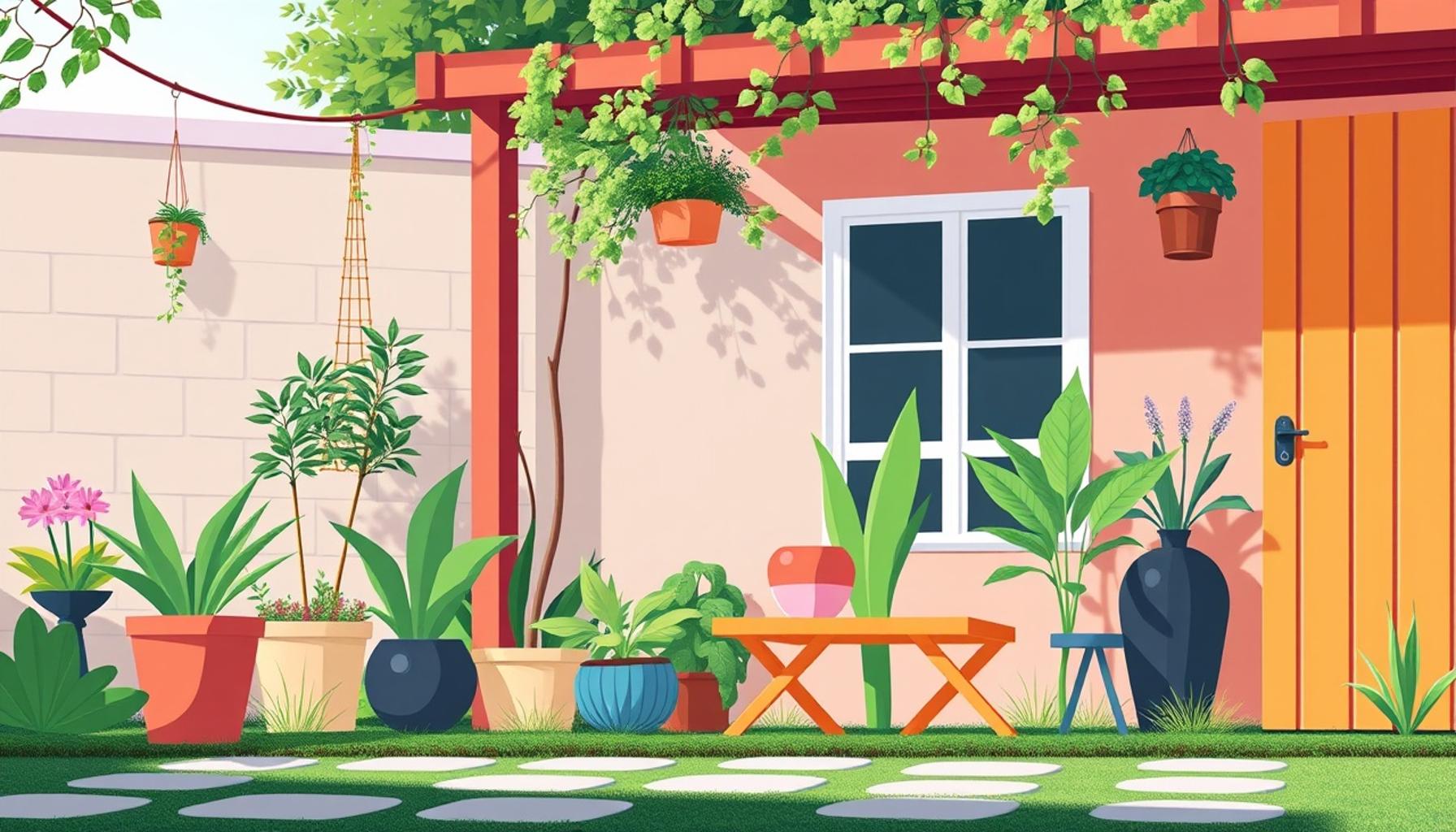
Transforming Your Outdoor Spaces
In today’s fast-paced world, embracing minimalism offers a refreshing approach to outdoor living. Outdoor spaces, such as gardens and balconies, can become serene retreats that reflect this trend. By taking a more thoughtful approach, you can create spaces that are not only beautiful but also functional. Minimalism encourages individuals to focus on what truly matters, allowing nature to take the spotlight and providing a setting that promotes relaxation and mindfulness.
Key Principles of Minimalism in Outdoor Spaces
Applying minimalism means prioritizing simplicity and efficiency. Here are some essential principles to keep in mind:
- Declutter: Remove unnecessary items to create a clean and open space. This might involve clearing away old furniture, excess garden ornaments, or broken planters. For instance, if your balcony is crowded with various pots and tools, consider consolidating them with a few well-placed pots featuring eye-catching plants or incorporating built-in storage solutions that blend seamlessly with the environment.
- Choose Neutral Colors: Use a palette of whites, grays, and earthy tones that promote calmness. Soft beige seating cushions, light gray planters, and natural wood elements can create a harmonious look. One example is using white gravel paths or neutral-toned tiles to guide the eye through your garden while allowing a serene atmosphere to prevail.
- Opt for Functional Furniture: Select pieces that are both aesthetically pleasing and serve a purpose. Lightweight, foldable furniture is great for smaller spaces, enabling flexibility in how the area is used. For example, a sleek, modern bench can function as seating and a decorative element while being sturdy enough to act as a table for outdoor dining on warmer evenings.
Incorporating these principles can lead to a refreshing and streamlined atmosphere in your garden or balcony. Whether it’s selecting the right plants or choosing modern furniture, each decision contributes to a cohesive minimalist design.
Exploring the Benefits
The benefits of minimalism extend beyond aesthetics. Some of the advantages include:
- Increased Space: Create a sense of openness and tranquility. A minimalist approach often emphasizes the use of vertical gardening or hanging plants to maximize space, making even the smallest balcony feel airy and expansive.
- Lower Maintenance: Fewer items mean less upkeep, allowing you more time to enjoy your outdoor haven. With a carefully selected few resilient plants, such as succulents or native flora, you’ll spend less time pruning and maintaining, thus maximizing your relaxation time.
- Enhanced Focus: A clutter-free environment encourages relaxation and mindfulness. Studies show that exposure to green spaces can significantly reduce stress and improve overall well-being. A minimalist outdoor area provides a perfect setting for unwinding after a hectic day, enabling better focus on personal well-being.
As you delve into this article, you will discover practical tips and inspiration for achieving a minimalist design in your outdoor spaces. With the right mindset and approach, transforming your outdoor area can become an enriching project that enhances your lifestyle and fosters a deeper connection with nature.
DIVE DEEPER: Click here to discover innovative space-saving solutions
Designing Your Minimalist Oasis
Creating a minimalist outdoor space is not just about removing clutter; it’s a philosophy centered on mindfulness and intentionality. When transforming your garden or balcony, consider how each element interacts with the others to foster harmony and tranquility. Whether you have a sprawling backyard or a compact urban balcony, this design ethos can significantly enhance your outdoor experience.
Strategic Plant Selection
The foundation of any minimalist garden or balcony is the careful choice of plants. Instead of overwhelming your space with numerous species, focus on selecting a few that serve specific purposes and create visual interest. Consider the following strategies:
- Less is More: Instead of filling every inch with plants, opt for a few statement pieces that can thrive in your environment. Large, sculptural plants like succulents or ornamental grasses can serve as focal points and eliminate the need for excessive decor.
- Native Plants: Incorporating native flora not only reduces maintenance but also encourages local wildlife, creating a natural ecosystem. Plants that are adapted to your region require less water and care, allowing your garden to flourish with minimal effort.
- Layering Heights: Use a mix of heights by placing tall plants at the back and shorter variations at the front. This technique draws the eye upward, creating a sense of depth while avoiding the need for excessive plantings.
Additionally, consider incorporating rectangular or circular planters that maintain clean lines, reinforcing the minimalist aesthetic. These containers can delineate areas within your space, serving both practical and visual purposes.
Utilizing Outdoor Decor Wisely
Minimalism invites you to rethink the way outdoor decor is used. Instead of cramming your outdoor space with decorative items, consider these ideas for maintaining an uncluttered appearance:
- Focus on Quality Over Quantity: Invest in a few high-quality pieces that can endure the elements while making a design statement. A beautifully crafted wooden bench or an artistic sculpture can have a more substantial visual impact than a collection of inexpensive ornaments.
- Incorporate Natural Elements: Embrace simplicity by using materials such as stone, wood, and metal in their raw forms. These elements harmonize effortlessly with nature, creating a cohesive look that complements your garden or balcony.
- Mindful Lighting: Soft, ambient lighting can enhance the tranquility of your space. String lights or minimalist lanterns provide illumination without overpowering your design, allowing for cozy evenings spent outdoors.
By following these principles, you can curate a minimalist outdoor retreat that is both functional and aesthetically pleasing. Each element, whether plant or piece of decor, should serve a purpose and contribute to the overall ambiance of your space.
Conclusion: Your Path to Serenity
As you embark on your journey to create a minimalist outdoor space, remember that the goal is to cultivate a sanctuary of peace and simplicity. Through intentional choices in plants and decor, your garden or balcony can become a personal oasis that invites relaxation and connection to nature.
Organization of Outdoor Spaces: How to Apply Minimalism in Gardens and Balconies
As the trend of minimalism gains momentum, many individuals are eager to apply these principles to their outdoor spaces. Understanding the organization of gardens and balconies can lead to a serene and functional environment. Minimalism emphasizes a clean aesthetic, focusing on essential elements that enhance beauty and functionality without overwhelming the senses.
To begin with, consider the layout of your space. Utilizing a grid system can help to categorize and organize essential components like plants, seating, and decorative elements. This system not only maximizes the available space but also fosters a sense of order that is crucial in minimalist designs. Additionally, opting for a limited color palette can create a cohesive look that feels open and inviting.
Incorporating multifunctional furniture is another excellent approach. For instance, choosing a bench that doubles as storage can help in neatly stowing away gardening tools or cushions while retaining visual appeal. The use of vertical gardens or planters can also save valuable floor space while providing a lush ambiance to the environment.
When selecting plants, prioritize a few carefully chosen varieties rather than an assortment. This strategy not only reduces clutter but also allows for a more meaningful interaction with each plant. Species like bamboo or succulents can thrive in compact spaces, making them ideal for balconies and small gardens.
Lastly, integrating natural materials such as stone, wood, and metal can foster a connection with nature while adhering to minimalist aesthetics. Aim for pieces that have simple lines and textures, ensuring that each element serves a clear purpose and contributes to the overall harmony of the outdoor space.
| Category | Key Features |
|---|---|
| Layout Design | Utilizes a grid system for organization. |
| Furniture Selection | Incorporates multifunctional pieces to maximize space. |
| Plant Selection | Focuses on fewer, meaningful plant varieties. |
| Material Choices | Emphasizes natural materials for aesthetic appeal. |
With these principles of minimalism in gardens and balconies, you can create an outdoor space that is not only beautiful but also functional. Embrace simplicity and transform your outdoor environment into a peaceful retreat.
DISCOVER MORE: Click here to learn about living with less
Creating Functional Outdoor Areas
Minimalism isn’t merely about aesthetics; it’s also about functionality. Your outdoor space should enhance your lifestyle, promoting relaxation and enjoyment. To achieve this, consider how your garden or balcony can serve as an extension of your home through practical zones designed with purpose and ease of use in mind.
Designated Activity Zones
To cultivate an inviting outdoor environment, it’s essential to thoughtfully allocate specific areas for various activities, be it gardening, dining, or lounging. Here’s how you can structure your space:
- Define Your Purpose: Clearly identify what you want from your outdoor space. If you love entertaining, consider a small dining area with a table and chairs. For those who wish to unwind, a compact seating nook with comfortable chairs can create an ideal spot for reading or meditation.
- Utilitarian Furniture: Choose furniture that is not only beautiful but also serves multiple purposes. For instance, a bench with hidden storage can provide seating while keeping your space tidy by storing cushions or gardening tools inside.
- Flow and Accessibility: Ensure there is a natural flow to your outdoor space. Leave clear pathways and create areas that are easy to navigate. This accessibility encourages use, making your minimalist garden or balcony feel welcoming.
Incorporating Functional Elements
For a truly minimalist vibe, consider integrating functional elements that blend seamlessly into your surroundings. Here are some practical features to enhance your outdoor experience:
- Vertical Gardening: Limited space shouldn’t limit your planting potential. Use vertical gardens or wall-mounted planters to maximize your area and allow for greenery without clutter.
- Outdoor Storage Solutions: When embracing minimalism, smart storage is key. Consider sleek storage solutions that can hold gardening supplies, cushions, or seasonal decor. Look for aesthetically pleasing cabinets or boxes that complement your landscape, ensuring they remain unobtrusive yet practical.
- Seamless Flooring Options: The right flooring can reinforce a minimalist design. Materials like gravel, decking, or sustainably sourced wood can create a clean, cohesive look while providing a durable surface for different activities.
Emphasizing Natural Beauty
Connecting with nature is inherent in minimalism. By emphasizing the beauty of natural elements, you can create a calming space that thrives on simplicity:
- Water Features: The gentle sound of water can provide a soothing backdrop in any garden. Consider minimalist water features, such as a small fountain or a reflecting pool. These installations can create a serene atmosphere while requiring minimal upkeep.
- Seasonal Adaptability: To maintain interest all year round, think about how your outdoor space can adapt to the seasons. Use plants that bloom at different times of the year or install flexible shade solutions like pergolas that provide shelter from the sun during hot months and warmth in cooler seasons.
Employing these strategies will not only refine the aesthetics of your outdoor space but also enrich your experience, leading you to embrace a more mindful lifestyle amidst the beauty of your garden or balcony.
DISCOVER MORE: Click here to learn about minimalism
Conclusion: Embracing Minimalism in Your Outdoor Space
As we’ve explored, the organization of outdoor spaces through the lens of minimalism goes beyond mere aesthetics; it reflects a philosophy that prioritizes functionality and tranquility. By designing purposeful areas within your garden or balcony, you cultivate an environment that enhances both your lifestyle and well-being. The key elements—from defining your intent and incorporating utilitarian furniture to emphasizing the beauty of natural features—serve to create a cohesive outdoor sanctuary.
Moreover, minimalism in outdoor design invites you to leave behind excess and distractions, focusing instead on the essentials that matter most. By utilizing smart solutions like vertical gardening and sleek storage options, your space can maintain an uncluttered appearance while still being practical. Whether it’s incorporating soothing water features or selecting plants that adapt with the seasons, these strategies help foster a connection with nature that nurtures the spirit.
Ultimately, the transformation of your outdoor space into a minimalist haven is an ongoing process—a canvas that allows you to express your individuality while promoting serenity and mindfulness. As more people discover the benefits of a streamlined space, the organization of outdoor areas will continue to evolve, encouraging everyone to embrace the profound simplicity that minimalism offers. By taking these insights into consideration, you can begin your journey toward creating a garden or balcony that serves as a peaceful retreat, embodying both beauty and purpose.
Related posts:
Minimalism in the Kitchen: Optimizing Spaces and Equipment for a Simpler Life
Maximizing Small Spaces: Minimalist Organization Tips for Urban Apartments
Vertical Living: Using Wall Space for Effective Minimalist Organization
The Impact of Lighting on Space Optimization: Creating Cozy Minimalist Environments
The Psychology of Space: How Minimalism Enhances Mindfulness and Productivity
Multifunctional Furniture: The Key to Space Optimization in Minimalist Lifestyles