
Minimalism in the Kitchen: Optimizing Spaces and Equipment for a Simpler Life
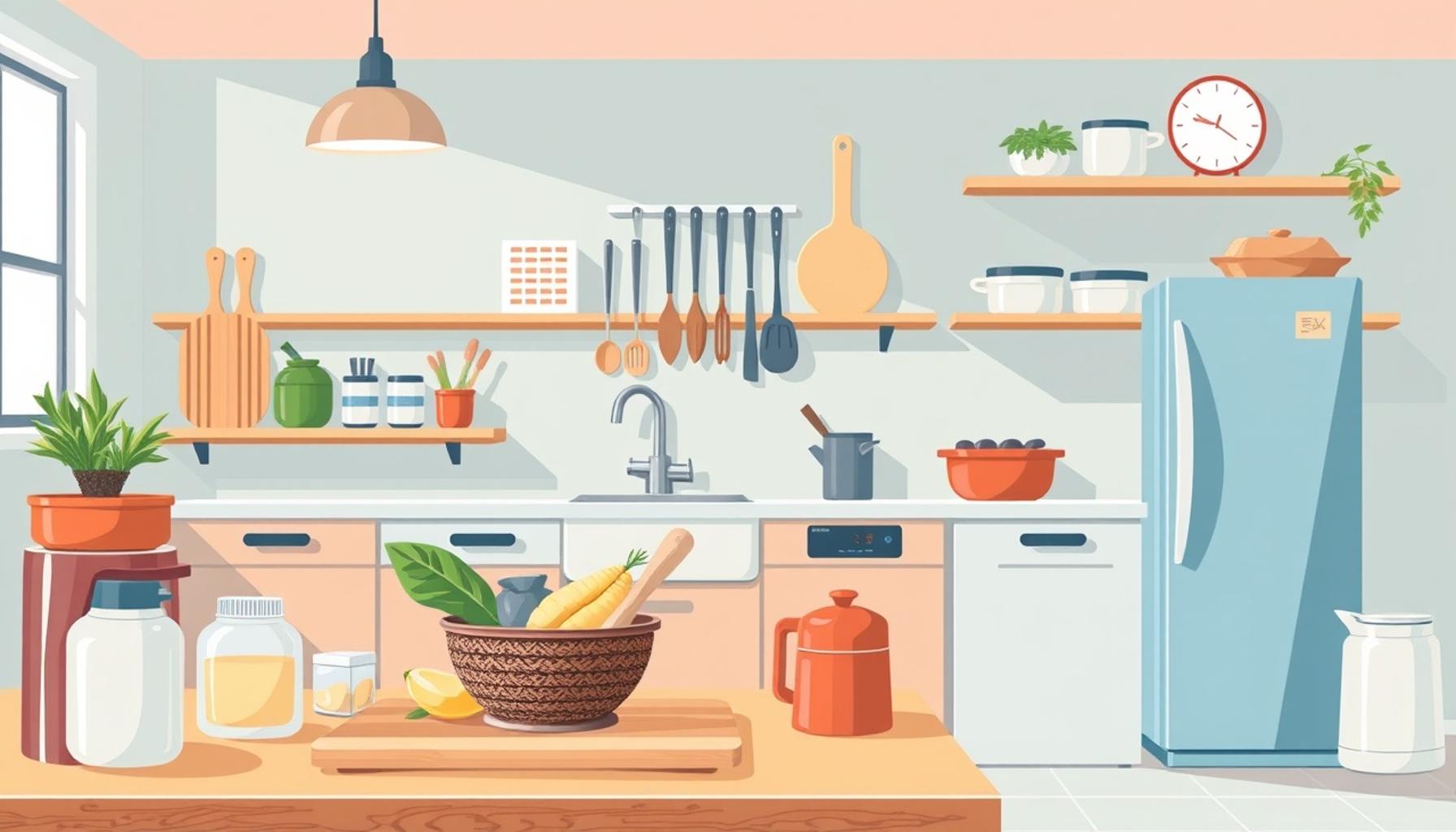
Harnessing Minimalism for a Calmer Kitchen
In an age marked by hustle and bustle, the kitchen frequently becomes a whirlwind of activity—a gathering place for families, a platform for culinary creativity, and, often, a source of stress. Embracing minimalism can be a game-changer, transforming this integral space into a sanctuary of simplicity and function. By adopting minimalist principles, homeowners have the opportunity to not only streamline their cooking process but also foster healthier lifestyle choices through mindful consumption and preparation.
To embark on your journey towards a minimalist kitchen, consider these foundational elements:
- Declutter Regularly: To maintain an organized space, it’s crucial to routinely assess your kitchen items. This practice includes donating or discarding appliances you seldom use, such as that bread maker gathering dust on the counter. A 2018 study from the University of Minnesota found that decluttering can have significant mental health benefits, including reduced anxiety levels, allowing for a more serene culinary environment.
- Choose Quality Over Quantity: Investing in a few high-quality kitchen tools can save you time and effort. For instance, instead of acquiring numerous knife sets, select one or two versatile knives, such as a chef’s knife and a paring knife, that can handle a broad range of tasks. According to culinary experts, properly maintained high-quality kitchenware not only enhances cooking efficiency but can also elevate the overall gastronomic experience.
- Optimize Storage: Creative storage solutions are vital in a minimalist kitchen. Consider utilizing vertical space by installing shelves or hanging pots and pans. Magnetic strips can also be an excellent way to store knives securely while saving counter space. Many homeowners find that drawer organizers and pull-out cabinets maximize efficiency and accessibility, making it simpler to find tools when you need them.
Minimalism goes beyond the visual appeal of a clean kitchen; it encourages mindful eating and cooking practices. A clutter-free environment can stimulate creativity, thus inspiring culinary exploration. With fewer distractions, home cooks can immerse themselves fully in the cooking process, leading to a greater appreciation of the food being prepared.
Are you intrigued by the possibilities of a minimalist kitchen? By deepening your understanding of kitchen optimization, equipment selection, and practical decluttering strategies, you can lay the groundwork for a simpler lifestyle. Such changes not only boost efficiency but also nurture a profound relationship with food—a critical aspect of health and happiness.
As you dive into this minimalist approach, consider exploring local resources or workshops focused on kitchen innovation and organization. Communities throughout the United States often host events highlighting sustainable living, where you can meet like-minded individuals and share ideas on achieving a more peaceful culinary space.
DISCOVER MORE: Click here to learn about vertical storage solutions
Key Strategies to Embrace Minimalism in Your Kitchen
As we venture deeper into the world of minimalism in the kitchen, it’s essential to identify specific strategies that can help you cultivate a space that fosters simplicity and efficiency. By implementing these techniques, you can create an organized environment that contributes to a more tranquil cooking experience.
One of the primary goals of a minimalist kitchen is to reduce visual clutter, which can be overwhelming and distracting. Here are several actionable steps to guide you in achieving this goal:
- Assess Your Needs: Before you begin the decluttering process, it’s important to evaluate your cooking habits and lifestyle. Do you enjoy baking? Or are you more inclined to prepare quick weekday meals? This assessment will help you determine which tools and appliances are truly essential for your culinary endeavors.
- Limit Utensils and Gadgets: Many kitchens are filled with a plethora of utensils, from avocado slicers to specialized graters. However, you can often accomplish the same tasks with multi-functional tools. For instance, a good-quality grater can serve multiple purposes, eliminating the need for multiple single-use devices.
- Streamline Pantry Items: Take stock of your pantry supplies to assess what is truly necessary. Expired items, duplicates, or ingredients you never use can be cleared out. Consider keeping only items that are versatile and frequently used, which can lead to simpler meal planning and preparation.
- Designate a “One In, One Out” Policy: To keep your kitchen organized and avoid the accumulation of unnecessary items, adopt a policy where for every new item you bring into your kitchen, one must be removed. This practice not only helps to maintain order but also encourages thoughtful purchases.
Incorporating these methods encourages a shift in perspective and fosters a habitual practice of mindful consumption. By being intentional about what you bring into your kitchen, you help cultivate a space that reflects your values and supports a simpler lifestyle.
Furthermore, embracing minimalism in your kitchen can extend beyond organization and equipment. It lays the foundation for a more intentional relationship with food. When we eliminate distractions and simplify our environments, we tend to focus more on the culinary experience itself. This mindfulness can lead to healthier eating habits, and often, more creativity in meal preparation.
As you embark on your minimalist journey, consider the benefits of sharing insights with others who practice similar lifestyles. Joining local or online communities dedicated to minimalism and sustainable cooking can provide further motivation and innovative ideas to keep your kitchen streamlined and efficient.
Minimalism in the Kitchen: A Path to Simplicity
Adopting minimalism in the kitchen is more than just a trend; it’s a transformative lifestyle choice that encourages efficiency and clarity in our culinary spaces. The heart of any home should promote comfort and creativity without feeling cluttered. By reevaluating the items and equipment you have, every piece can serve a purpose, leading to a more satisfying cooking experience.
One of the cornerstones of a minimalist kitchen is thoughtful organization. When every tool and gadget has a dedicated space, not only does it enhance functionality, but it also evokes a sense of calm. For instance, consider utilizing vertical storage solutions to maximize limited space. This approach not only declutters countertops but also allows for easy access to essential items. Additionally, eliminating duplicates of utensils can free up space and reduce decision fatigue, allowing for more creative cooking.
Moreover, embracing quality over quantity can significantly enhance your kitchen experience. Investing in versatile, durable equipment can limit the number of appliances needed. For example, a high-quality chef’s knife can replace several lesser tools, streamlining your cooking process while ensuring safety and precision. This philosophy extends to cookware as well – opting for multi-functional pots and pans allows you to create a variety of dishes without the need for a multitude of specialized items.
Furthermore, the concept of meal prep and planning plays a vital role in maintaining a minimalist kitchen. By preparing meals in advance and only keeping necessary ingredients, your kitchen remains organized and functional. This not only reduces waste but promotes mindful eating and simplifies your daily cooking choices.
Incorporating these principles fosters a more peaceful home environment, leading to healthier cooking habits and a simpler lifestyle. Embrace the idea of ‘less is more’ and let your kitchen space reflect the calm, creativity, and joy that comes with a minimalist approach.
| Advantages | Description |
|---|---|
| Space Optimization | Effective use of vertical storage and multi-functional tools leads to a clutter-free environment. |
| Increased Efficiency | A well-organized kitchen enhances cooking speed and reduces stress during meal preparation. |
By consciously applying these minimalist principles, individuals can experience a refreshing change in their kitchens, transforming them into inviting spaces that encourage creativity and simplicity in daily cooking tasks.
DISCOVER MORE: Click here to unlock minimalist cabinet organization tips
Creating an Inviting and Functional Cooking Space
To further develop a minimalist kitchen, it’s crucial to focus on not only decluttering but also optimizing your space for functionality and comfort. A well-organized environment can greatly enhance your culinary experience, making both cooking and entertaining more enjoyable.
One effective approach is to create specific zones within your kitchen tailored to different tasks. By designating areas for preparation, cooking, and cleaning, you enhance efficiency and streamline workflow. Here are several tips to effectively implement this:
- Designate Work Zones: Allocate accessible areas for meal prep (like counter space with cutting boards and knives), cooking (near the stove with pots and pans), and clean-up (next to the sink with dish soap and towels). This not only aids in functionality but also creates a logical flow throughout the cooking process.
- Incorporate Open Shelving: Consider installing open shelves to replace bulky cabinets. This choice serves to display your favorite dishes or ingredients while keeping essential items within reach. Open shelving also promotes a sense of spaciousness and invites a more casual, homely dining atmosphere.
- Utilize Vertical Space: In a minimalist kitchen, taking advantage of vertical space is paramount. Install wall-mounted racks for pots and pans or magnetic knife strips for easy access. This not only saves counter space but also adds an aesthetic appeal to your kitchen.
- Opt for Multi-Functional Furniture: When choosing furniture, look for pieces that serve multiple purposes. A kitchen island can double as a dining area or a prep station. Tables with built-in storage can help keep utensils easily accessible yet neatly concealed.
Aside from optimizing space, integrating minimalism into your kitchen also involves making conscious decisions about your kitchen appliances. The rise of smart kitchen technology provides an excellent opportunity to enhance efficiency while reducing clutter.
Smart appliances, such as multifunctional cookers and smart fridges, can perform multiple tasks and help streamline meal planning. For instance, an air fryer can replace several gadgets by frying, grilling, and roasting in one compact unit. Research indicates that embracing these innovative technologies not only saves space but can significantly cut kitchen prep time, enabling more moments to enjoy the cooking process.
Additionally, you may want to consider adopting a seasonal approach to your kitchen inventory. By rotating items and ingredients based on seasons, you maintain a fresh and relevant supply. For example, keeping summer fruits and vegetables on hand promotes lighter, healthier meals, while winter may focus on hearty soups and stews. This practice not only reduces waste but also encourages creativity in meal preparation.
Incorporating nature into your kitchen can also bring a refreshing minimalistic touch. Consider adding a small herb garden or a few potted plants. They not only beautify the space but also provide fresh ingredients at your fingertips, affirming the bond between a minimalist lifestyle and healthy eating.
By thoughtfully organizing your kitchen and integrating functional elements, you pave the way for a more practical yet aesthetically pleasing space. This approach promotes a sense of calm and order, becoming a cornerstone in your journey toward a simpler, more fulfilling life.
DISCOVER MORE: Click here for minimalist organization tips
Embracing Minimalism for a Harmonious Kitchen
In conclusion, the journey towards minimalism in the kitchen extends far beyond mere decluttering; it embodies a holistic approach to organizing your cooking space and optimizing the tools you use. By strategically creating functional zones, utilizing vertical space, and adopting multi-functional appliances, you can transform a chaotic kitchen into a haven of efficiency and calm. This new environment not only facilitates a more enjoyable culinary experience but also fosters habits that align with a simpler, more mindful way of living.
The integration of smart kitchen technology and the practice of focusing on seasonal ingredients further enhance this minimalist approach, bringing convenience and joy directly to your table. Engaging with nature through small herb gardens or potted plants not only freshens your space but also enriches your meals, supporting a lifestyle that celebrates health and sustainability.
As you embark on your path toward a more streamlined and functional kitchen, consider the long-term benefits of reduced stress, increased creativity, and a profound connection to the food you prepare. Minimalism is not merely a style; it’s a philosophy that encourages intentionality and simplicity, allowing you to savor both the cooking process and the shared moments with family and friends. By embracing these principles, your kitchen can become more than a place to cook—it can be the heart of your home, where simplicity paves the way for richer experiences.
Related posts:
Vertical Gardens: The Integration of Nature and Space Optimization in Minimalist Environments
Digital Minimalism: Organizing Your Virtual Space for Efficiency and Clarity
Organization of Outdoor Spaces: How to Apply Minimalism in Gardens and Balconies
Transforming Cluttered Spaces: A Step-by-Step Guide to Minimalist Organization
Vertical Living: Using Wall Space for Effective Minimalist Organization
The Impact of Lighting on Space Optimization: Creating Cozy Minimalist Environments