
The Art of Letting Go: How Space Optimization Contributes to a Minimalist Lifestyle
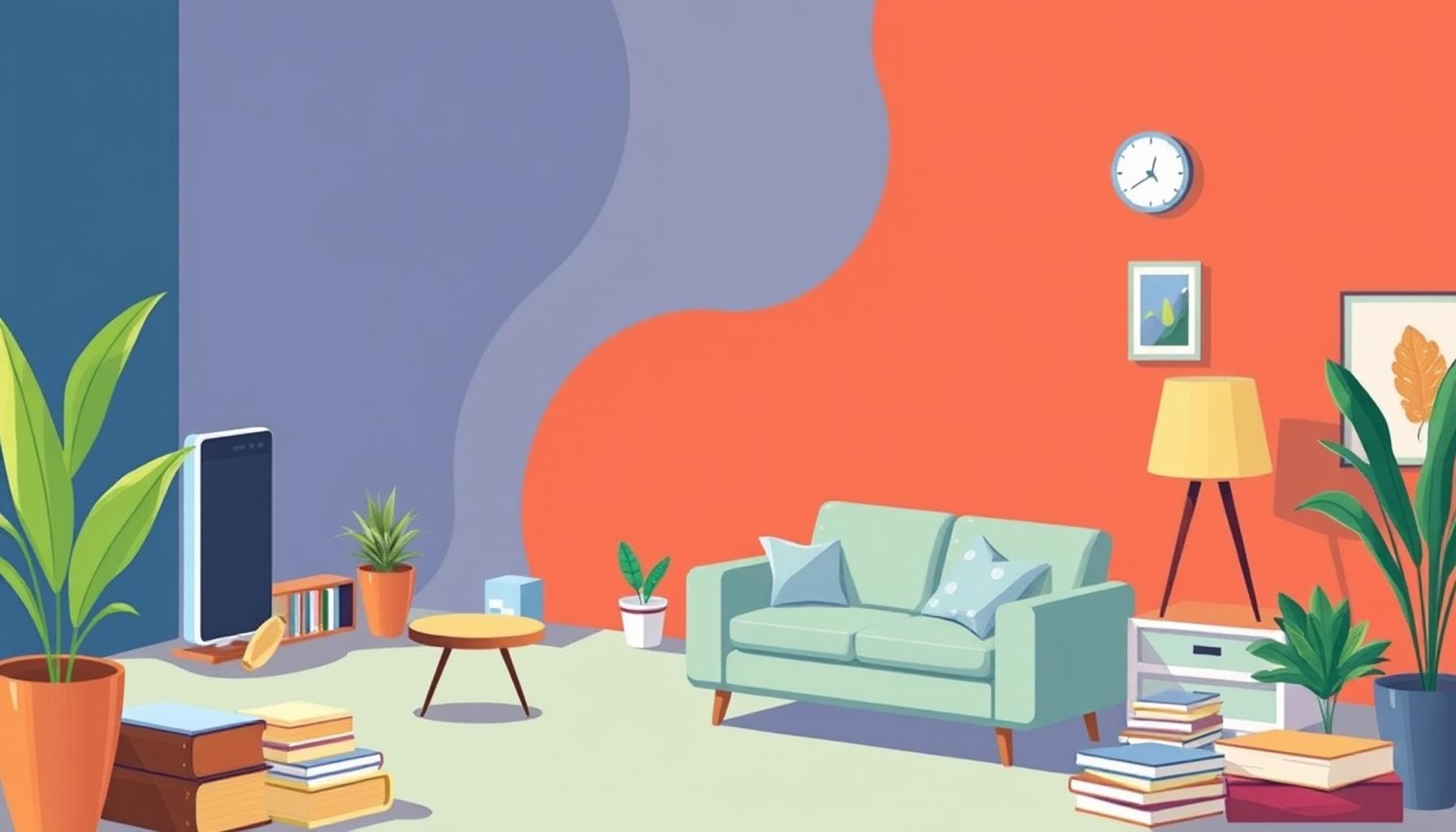
The Power of Letting Go
In a rapidly changing world, where consumerism often overshadows clarity and tranquility, a growing movement toward minimalism is gaining traction. This lifestyle encourages individuals to let go of unnecessary possessions that weigh them down emotionally and physically. By minimizing clutter, people are finding not just cleanliness, but a path to emotional liberation and mental clarity.
The first stepping stone on this transformative journey often involves decluttering. This can be an emotional process, as many individuals find that their belongings hold memories or comfort. However, recognizing that objects do not define us is pivotal. As you clear out items that no longer serve a purpose, you may discover a renewed sense of peace and focus in your environment.
Space Optimization: Enhancing Everyday Living
Central to the minimalist ethos is the concept of space optimization. This doesn’t merely mean making a room look nice; it’s about reshaping the way we interact with our living spaces to make them more functional and serene. When items are strategically organized, it promotes an overall sense of calm and clarity. Here are some profound benefits to consider:
- Reduces Stress: Several studies indicate that a clean, organized environment can lower cortisol levels, leading to reduced anxiety. For instance, coming home to a tidy living room after a long day can instantly uplift your mood.
- Enhances Productivity: A clutter-free workspace fosters concentration. In fact, professionals across various industries report finding increased efficiency when their desks are devoid of unnecessary distractions.
- Encourages Mindfulness: Letting go of excess belongings reinforces mindfulness. By thoughtfully choosing what to keep, individuals learn to cherish and appreciate the few items that hold true significance.
Take a moment to reflect on your surroundings. Look around your space—are there items crowding your home that no longer bring joy or utility? This exercise is crucial as you explore the art of letting go. You might find that as your home transforms into a sanctuary, so too does your life. A minimalist approach is not merely aesthetic; it is a profound shift toward simplicity and intentional living.
Practical Tips for Decluttering
Embarking on your minimalist journey might feel daunting, but remember that small steps lead to significant changes. Start with one room or even one area, such as a drawer or closet. Set aside time specifically for decluttering, and don’t be afraid to remove items that no longer serve you. Donate, recycle, or sell what you can.
This article invites you to delve deeper into how space optimization shapes a minimalist lifestyle. Join us as we uncover practical strategies and inspiring anecdotes that illustrate the remarkable effects of decluttering on your overall well-being. The journey towards a simpler life is not just about what you lose but also about what you gain: clarity, peace, and a renewed appreciation for the essentials.
DISCOVER MORE: Click here for innovative storage solutions
Understanding the Emotional Ties to Our Belongings
The act of letting go can be one of the most challenging aspects of embracing a minimalist lifestyle. Many of us form emotional attachments to our possessions, viewing them as markers of our experiences, relationships, or achievements. A worn-out couch may remind us of family gatherings, while a collection of books represents countless hours spent lost in imaginative worlds. Recognizing these emotional ties is essential as it lays the foundation for a successful decluttering process. Understanding that memories are not confined to physical objects but reside within us allows for a healthier detachment from things we hold dear.
Moreover, the concept of sentimental clutter is a prevalent challenge in American homes. In a culture that promotes acquiring and accumulating, many individuals find it difficult to discern which items are truly meaningful. According to a survey by the National Association of Professional Organizers, approximately 80% of the items we keep in our homes are never used. This statistic speaks volumes about the emotional toll of attachment, which morphs the act of letting go into an emotional hurdle.
Creating a Functional and Inviting Space
Space optimization is not just about decluttering; it’s also about rethinking how we utilize the space we have. A minimalist lifestyle encourages individuals to create environments that are not only orderly but also functional and inviting. Functional spaces are designed with the intention of enhancing daily activities, making them more enjoyable and efficient. To help you create such spaces, consider the following strategies:
- Assess Your Needs: Before you start rearranging or discarding items, determine what you truly need for daily living. Ask yourself what tools or items facilitate your lifestyle rather than hinder it.
- Utilize Vertical Space: In smaller homes or apartments, it’s imperative to maximize vertical space. Shelving units or wall-mounted organizers can free up valuable floor space, giving the illusion of a more open area.
- Implement the One In, One Out Rule: As you acquire new items, make a pact with yourself to remove an equivalent item. This not only prevents accumulation but also reinforces the importance of intentional living.
- Incorporate Multi-Functional Furniture: Items such as storage ottomans or convertible sofas can serve dual purposes, maintaining functionality while conserving space.
As you immerse yourself in the art of letting go and space optimization, you’ll find that your physical environment mirrors your inner state of mind. The ripple effect of this process can extend beyond your living spaces into various aspects of your life, fostering a mindset oriented toward intentionality and clarity. In the coming sections, we will further explore how practical decluttering strategies can transform not only your physical spaces but also your emotional landscape, guiding you toward a more fulfilling and minimalistic approach to life.
As the journey towards minimalism unfolds, understanding how space optimization plays a pivotal role becomes essential. Embracing the concept of letting go facilitates a deeper connection with what truly matters in life. By decluttering our environments, we not only enhance our physical space but also cultivate a mental landscape grounded in clarity and serenity. A key aspect of space optimization is the strategic organization of possessions. Vertical storage, for example, maximizes available area, allowing us to keep only the essentials on hand. This method not only clears visual chaos but also promotes a streamlined living experience. Similarly, multi-functional furniture offers solutions that serve both purpose and aesthetic—think of a coffee table doubling as a storage ottoman. This approach underscores a fundamental principle of minimalism: every item must fulfill a role or bring joy.Furthermore, optimizing space encourages intentionality in our purchasing habits. The minimalist lifestyle challenges us to evaluate our consumer choices, leading to more sustainable living. Each purchase becomes a well-considered decision, ultimately minimizing the cycle of accumulating unnecessary items. This conscientious approach contributes to reduced waste and a more environmentally friendly lifestyle.Through the art of letting go, we begin to redefine our relationship with our possessions. Each item retained is not merely a physical object, but rather a reflection of our values and aspirations. By deliberately simplifying our environment, we create room for personal growth and mindfulness, where the focus shifts from ownership to experience. This transformation not only aids in achieving a minimalist aesthetic but also fosters mental well-being, enhancing overall life satisfaction. In essence, space optimization is a significant method of cultivating a minimalist lifestyle, merging practicality with a deeper philosophical journey. As we continue this exploration, the next steps involve practical tips and strategies to further refine our spaces and align them with our ideals.
DISCOVER MORE: Click here to enhance your time management skills
Emphasizing the Benefits of a Minimalist Lifestyle
Adopting a minimalist lifestyle extends beyond simply reducing clutter; it encompasses a mindset that embodies clarity, focus, and freedom. As you integrate the principles of space optimization into your daily life, you’ll likely experience a multitude of benefits that contribute to both mental and emotional well-being. Studies increasingly indicate that a simplified environment reduces stress and enhances cognitive function. According to research by the Princeton University Neuroscience Institute, physical clutter can actually compete for your attention, hindering your ability to focus. By letting go of unnecessary items, you can create a mental landscape that fosters productivity and tranquility.
The ripple effects of embracing a minimalist lifestyle also transcend personal well-being. In a society where consumerism reigns supreme, adopting a minimalistic approach can cultivate deeper social connections and communal ties. Reducing consumption and valuing experiences over material possessions can shift priorities toward building relationships and creating lasting memories. For instance, rather than purchasing expensive gifts for loved ones, individuals may prioritize shared experiences like vacations or communal activities that create lasting bonds, enriching life beyond what items can offer.
Practical Strategies for Sustainable Minimalism
Transitioning to a minimalist lifestyle is a journey that demands more than a one-time decluttering session; it requires a commitment to continuous pruning and contemplating one’s possessions. Here are some practical strategies to maintain your minimalist ethos and ensure your space remains inviting:
- Practice Regular Decluttering: Schedule a regular decluttering session, whether weekly or monthly, to reevaluate your belongings. This habit prevents clutter from creeping back into your home and keeps your environment aligned with your values.
- Mindful Purchasing: Foster a habit of questioning the necessity of each potential purchase. Before buying new items, ask yourself if they serve a purpose or if they will likely end up as clutter. This conscientious approach not only saves money but also preserves the intentionality of your space.
- Define Your Aesthetic: Leverage your personal style to guide you in shaping a space that resonates with your identity. Establishing a cohesive aesthetic can serve as a guidepost for selecting decor and ensuring that each item genuinely enriches your space.
- Embrace Digital Solutions: In the digital age, many aspects of life can be streamlined online. Consider digitizing photos, documents, or receipts that would otherwise take up physical space. This practice not only frees up room but can also enhance your organizational skills.
As you delve deeper into the art of letting go and space optimization, you will likely uncover an emotional lightness that accompanies a less encumbered life. The minimalist lifestyle offers a refreshing lens through which to view your possessions and priorities. With each item you release, you cultivate not only a more organized environment but also a clearer path towards your most authentic self. In embracing minimalism, you open the door to greater joy, fulfillment, and the realization that true wealth lies in experiences and relationships, not material possessions.
DISCOVER MORE: Click here for valuable strategies
Conclusion: Embracing the Journey of Letting Go
In a world increasingly defined by excess and overstimulation, the art of letting go offers a refreshing antidote to the chaos of modern life. By embracing space optimization and the principles of a minimalist lifestyle, individuals can reclaim their environments and, ultimately, their peace of mind. As we’ve explored, the benefits of minimalism extend far beyond mere aesthetics; they touch upon mental clarity, emotional well-being, and even enrich social connections. When we choose to prioritize experiences over possessions, we cultivate a life that resonates with authenticity and intention.
Transitioning to a minimalist lifestyle is not simply a one-time task but a continuous journey. It encourages us to constantly assess our belongings and the value they bring to our lives. The inclusion of strategies such as regular decluttering, mindful purchasing, and defining a personal aesthetic not only maintains a balanced space but also fosters a reflective approach to life. Moreover, as you let go of clutter, you allow room for not only new experiences but also deeper relationships and a more profound appreciation for the present.
Ultimately, letting go is less about sacrifice and more about liberation. It invites us to meditate on what truly matters, guiding us toward a lifestyle that celebrates simplicity and profound connections. By adopting these principles, you are more than just enhancing your living space; you are embarking on a transformative journey that can lead to a more fulfilled, enriching life. As you embrace the minimalist ethos, remember that every item you release is a step toward embracing the beauty of existence itself.
Related posts:
The Art of Letting Go: Strategies for Space Optimization and Item Reduction
The Psychology of Space: How Minimalism Enhances Mindfulness and Productivity
Cabinet Organization: Minimalist Strategies to Maximize Every Compartment
Digital Minimalism: How to Optimize Your Virtual and Physical Space
Minimalism in the Kitchen: Optimizing Spaces and Equipment for a Simpler Life
Multifunctional Furniture: The Key to Space Optimization in Minimalist Lifestyles