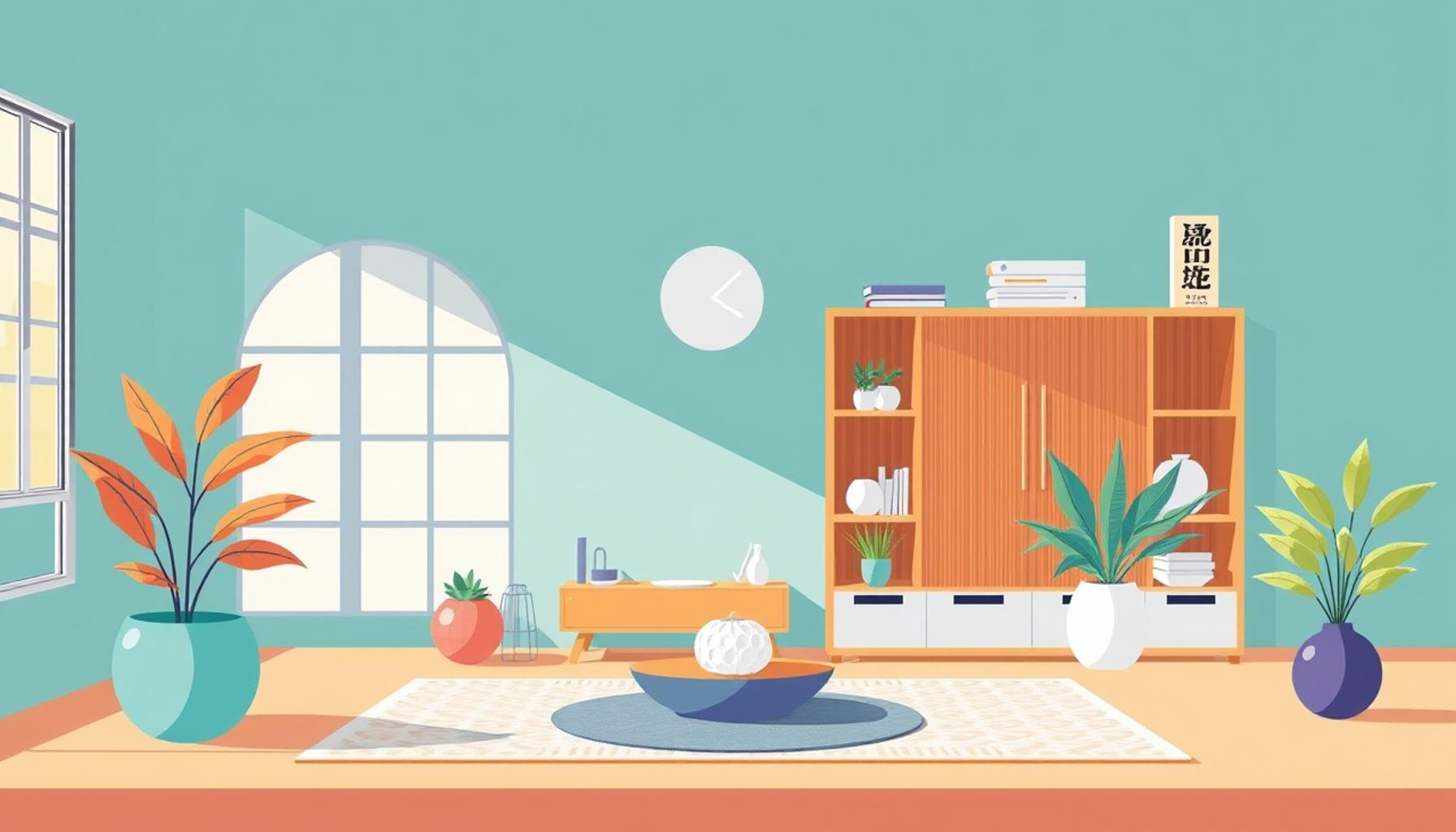
Creating Open Spaces: How Lighting and Arrangement Influence the Feeling of Spaciousness in Minimalist Environments
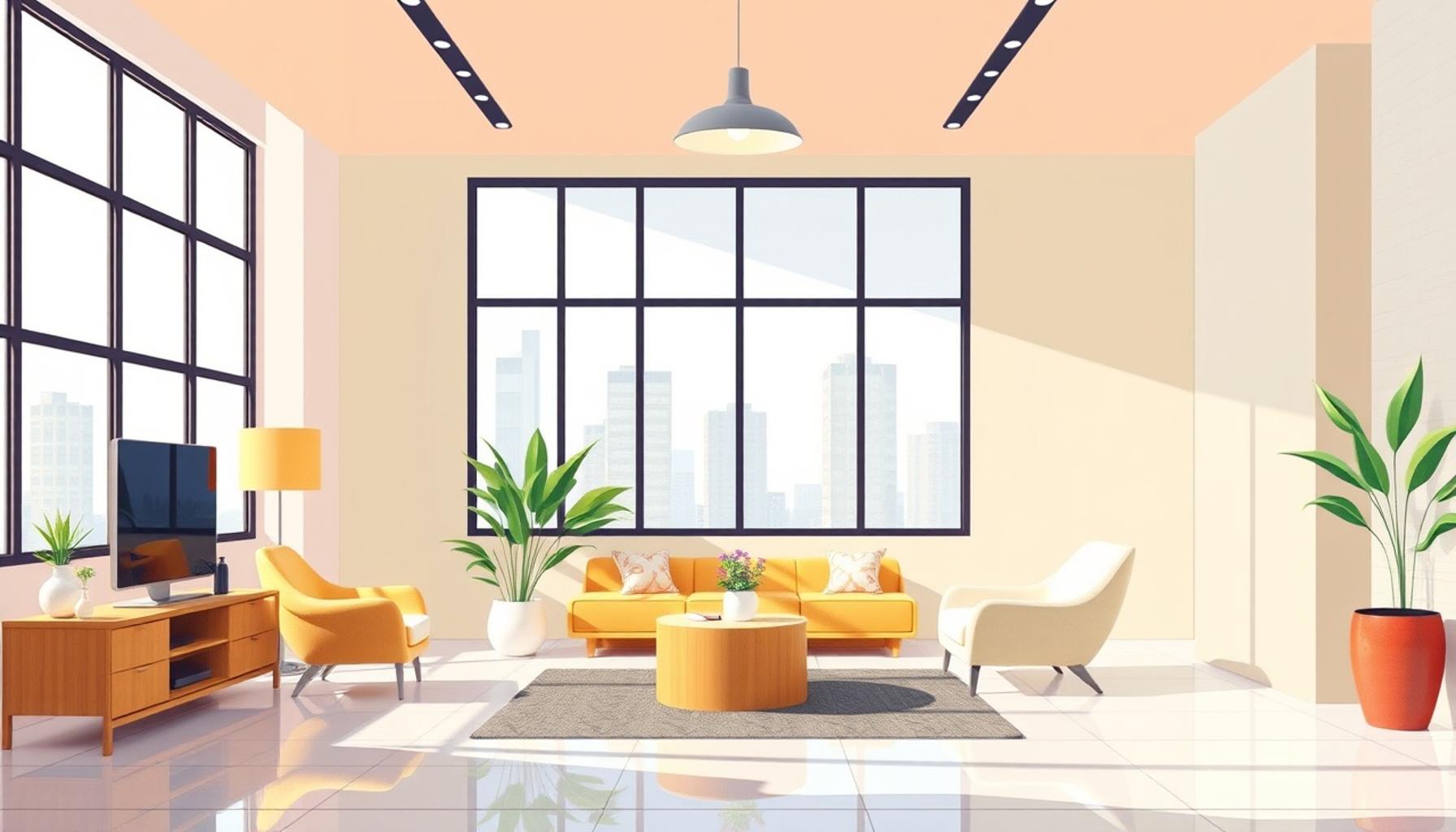
Creating Open Spaces: A Journey into Minimalism
As more people gravitate towards urban living, where space can be a luxury, the quest for a sense of spaciousness in our homes becomes essential. A well-designed environment can profoundly impact mental well-being, enhancing clarity and calmness. Achieving this spacious feeling can be accomplished through two key elements: lighting and arrangement.
In the minimalistic approach, where every piece of furniture and decoration is chosen for its utility, the interplay of light, color, and arrangement becomes particularly significant. The design ethos encourages simplicity, which can lead to a serene atmosphere and foster a clear mind. Below are several crucial elements that can greatly influence the perception of space in our homes:
- Natural Light: Utilizing available sunlight not only enhances visibility but creates an illusion of depth within a room. For instance, large windows can open up even the smallest of spaces, making them feel more expansive. In many modern American homes, incorporating skylights or large glass doors can help achieve this effect, bringing the outdoors in and amplifying that airy feel.
- Color Schemes: The influence of color on perception should not be underestimated. Light tones such as whites, soft pastels, and pale grays reflect light efficiently, thereby enhancing the overall sense of space. For instance, a living room painted in a creamy beige can feel more inviting compared to a dark, cramped space. Designers frequently recommend using uniform color palettes throughout open-concept living areas to create continuity, which helps visually expand them.
- Furniture Arrangement: Thoughtful placement of furniture can greatly enhance flow and accessibility. Floating furniture away from walls, rather than clumping pieces together, encourages movement and makes the room feel larger. Additionally, multi-functional furniture like ottomans with storage or expandable dining tables can save space while ensuring that living areas remain uncluttered.
Delving deeper into these elements reveals a wealth of techniques that can transform any minimalistic home into a welcoming open space. For example, utilizing mirrors strategically can reflect light and give the illusion of an even larger space. Moreover, integrating nature through plants not only enhances air quality but also brings a comforting, earthy vibe that contributes to mental well-being.
As we explore these concepts further, we will provide practical tips and inspiring examples that can greatly influence your living environment. By embracing these principles, you can create spaces that are not only visually appealing but also enhance your comfort and overall quality of life. Join us on this journey into the art of minimalism and discover how to make your home feel more open and inviting.
DIVE DEEPER: Click here to simplify your finances
Illuminating Space: The Role of Lighting in Minimalism
When it comes to creating open spaces in minimalist environments, lighting plays a pivotal role that cannot be overlooked. The right balance of natural and artificial light transforms how a space is perceived, enabling small rooms to seem far larger than their actual dimensions. Large windows, strategically placed skylights, and well-thought-out light fixtures can all contribute to an airy atmosphere that promotes relaxation and clarity.
Natural light is one of the most essential elements in achieving this effect. It not only brightens a room but also connects the indoors with the outside world. In recent trends, many urban dwellers are opting for open-plan designs where living, dining, and kitchen areas seamlessly flow into one another. This design maximizes natural light exposure, thereby creating an illusion of uninterrupted space. According to a study by the American Institute of Architects, homes with ample daylighting are rated as more functional and offer better emotional well-being compared to dimly lit spaces.
In addition to harnessing natural light, artificial lighting can accentuate the minimalist aesthetic. Using warm-toned light bulbs can create a welcoming ambiance, while dimmers and adjustable fixtures enable personalization according to the time of day. Here are key lighting strategies to consider:
- Layering Light: Employing multiple sources of light—ambient, task, and accent lighting—can create a dynamic atmosphere. For example, pendant lights over a dining table paired with floor lamps in the living room can add depth.
- Light color temperature: Warmer light produces a cozier and inviting feel, while cooler light enhances focus and energy. Mixing these can help maintain balance in multi-functional spaces.
- Use of Reflections: Incorporating reflective surfaces, such as glossy finishes or mirrors, can amplify light and enhance the sensation of spaciousness.
Spatial Arrangement: Creating Flow and Functionality
Complementing light is the arrangement of furniture and decor, which significantly influences the overall openness of a space. In minimalism, the mantra “less is more” rings especially true. Thoughtful organization contributes to a serene environment, reducing clutter and providing the necessary space for both movement and peace. To achieve this, one must consider a few foundational concepts:
- Decluttering: Removing unnecessary items not only clears physical space but also mental clutter, leading to enhanced focus and tranquility.
- Functional Zoning: Define specific areas within a room through careful arrangement of furniture. For instance, using rugs can delineate the living area from the dining area, providing a sense of purpose without sacrificing openness.
- Movement Pathways: Ensure that there’s a clear flow throughout the space, allowing easy navigation. Avoid blocking pathways with furniture, which can create a cramped feeling.
By blending effective lighting with smart room arrangements, minimalism becomes a lifestyle that promotes liberation from excess. As we explore further, you’ll discover how these elements work harmoniously to cultivate not just physical space, but an inspiring serenity that resonates throughout modern homes.
| Lighting Techniques | Impacts on Space Perception |
|---|---|
| Natural Light Utilization | Enhances spaciousness by reducing shadows and creating an airy environment. |
| Layered Lighting | Allows for flexible ambiance shifts, influencing emotional responses and perceived depth. |
In the realm of minimalist environments, how one arranges both furniture and lighting plays a crucial role in the overall feeling of space. The thoughtful placement of furniture not only maintains a sleek appearance but also aids in maximizing walkability, thereby accentuating the open feel. For instance, incorporating multi-functional furniture can reduce clutter and promote a seamless flow, enhancing the spacious aura of each area.Moreover, employing a neutral color palette alongside reflective materials can contribute significantly to the perception of roominess. This strategy not only bounces natural light around but also evokes a sense of tranquility, a key aspect of minimalism. Thus, light and arrangement work synergistically to create environments that do not just serve aesthetic purposes but also engender a sense of calm and expanse that is intrinsic to the minimalist philosophy. By exploring these elements, one can transform any confined space into a sanctuary of openness and serenity.
DISCOVER: Click here to enhance your space
Bringing It All Together: The Harmony of Light and Arrangement
In the intricate dance of creating open spaces, the integration of both lighting and arrangement is crucial. These elements do not operate in isolation; rather, they work collaboratively to enhance the perception of spaciousness in minimalist environments. This synergy is not just a matter of aesthetics; it fundamentally impacts the way individuals engage with their surroundings.
Visual Continuity is an essential aspect of this relationship. Utilizing a consistent color palette for walls and furniture can significantly enhance the sense of flow from one area to another. Light colors, particularly whites and soft pastels, reflect light, further enhancing the spacious feel. A study from the National Association of Realtors revealed that light-colored walls and furniture can make a room appear up to 30% larger compared to darker tones. Pairing these colors with carefully placed lighting creates a unified look that reduces visual obstructions.
Moreover, minimalist decor plays a role in maintaining this continuity. Uniform styles of furniture and fixtures contribute to a cohesive aesthetic, effectively minimizing distractions that can make a space feel busy. For instance, floating shelves reduce floor clutter while simultaneously providing storage, combining form and function elegantly. Utilizing multipurpose furniture, such as ottomans that double as storage or foldable tables, is another strategic move that enhances versatility while keeping the space free from unnecessary chaos.
Creating Depth and Perspective
Another compelling aspect of blending lighting and arrangement lies in the ability to create depth and perspective within a room. Properly positioned mirrors can reflect both light and views, dramatically altering how spacious a room can feel. The placement of mirrors opposite windows or within well-lit areas allows the natural light to bounce around, effectively increasing the room’s brightness and perceived square footage.
Consideration should also be given to the height of furniture. Low-profile pieces can promote an unobstructed line of sight, allowing the eye to roam freely around the space, which enhances the perception of height. Coupling this with vertical lighting, such as wall sconces, can draw the eyes upward, further reinforcing the spatial illusion.
- Ceiling Heights: In smaller spaces, using layered lighting that emphasizes the ceilings draws attention upward, creating an airy atmosphere that counters enclosed feelings.
- Transitional Spaces: Hallways and open doorways should also be thoughtfully integrated. Utilize lighting to illuminate these spaces, ensuring they feel welcoming rather than merely connecting more significant areas.
- Artwork and Decor: Even in a minimalist scheme, carefully chosen artwork can focus the gaze and add a sense of personal narrative to the flow of light and space, as long as they are not overly large or distracting.
By harmonizing light with thoughtful arrangements, homeowners can vastly improve both the aesthetic and functional qualities of their environments. This interplay not only cultivates open spaces but also enhances emotional well-being, creating living areas that feel expansive and inviting. In a world that often feels crowded and chaotic, these principles can transform any space into a sanctuary of serenity.
DISCOVER MORE: Click here for innovative storage solutions
Conclusion: The Art of Spaciousness in Minimalism
Creating open spaces through the thoughtful manipulation of lighting and arrangement is not merely a design trend; it represents a significant shift in how we interact with our environments. In minimalist settings, these elements converge to foster a feeling of freedom and expansiveness, essential in today’s fast-paced world where homes often serve as sanctuaries. By employing a consistent color palette and embracing multifunctional furniture, homeowners can achieve visual continuity that amplifies the sense of space.
Moreover, strategically placed mirrors and vertical lighting techniques transform typical rooms into vibrant realms of depth and perspective. As research suggests, light hues can make areas appear up to 30% larger, a vital consideration for optimizing smaller living spaces. The use of layers in lighting design, from ambient to accent, can dramatically elevate the atmosphere and perception of height, imparting airiness even in constrained settings.
Ultimately, the interplay of light and arrangement is pivotal not only for enhancing aesthetic appeal but also for promoting emotional well-being. As homeowners adopt these principles, they can cultivate serene, open spaces that not only reflect personal style but also nurture a peaceful living experience. As we continue to navigate a crowded world, the art of creating spacious environments in our homes emerges as a beacon of tranquility, inviting us to explore and embrace the beauty of simplicity.
Related posts:
The Psychology of Space: How Minimalism Enhances Mindfulness and Productivity
Integrating Technology and Minimalism: Space Optimization Solutions for the Modern Home
Multi-Use Areas: Designing Flexible Spaces for a Minimalist Lifestyle
Smart Furniture Design: Creative Solutions for Compact Spaces
Maximizing Small Spaces: Minimalist Organization Tips for Urban Apartments
Vertical Living: Using Wall Space for Effective Minimalist Organization