
The Importance of Structure in Collaborative Workspaces
In today’s fast-paced work environments, the concept of collaborative workspaces has gained immense traction, driven by the need for teams to innovate and adapt quickly. However, without effective organization, the benefits of collaboration may never be fully realized. Organizing a workspace not only facilitates smoother operations but also ignites creativity among team members, fostering an atmosphere where innovative ideas can flourish. Understanding how to create and maintain an organized collaborative space is paramount for achieving success in group endeavors.
Key Elements of an Organized Collaborative Workspace
Within collaborative settings, implementing structured practices can significantly enhance team performance. Here are some essential elements to consider:
- Defined Roles: Each member of a team should have clearly defined responsibilities tailored to their strengths. For example, in a marketing team, one person may focus on content creation while another handles analytics. This clarity helps avoid confusion and enhances accountability, thereby allowing team members to contribute effectively.
- Accessible Resources: A well-organized workspace should ensure that all necessary tools and materials are readily available. Imagine a shared digital platform where files, project updates, and resources are stored in an easily navigable structure. This immediacy can eliminate unnecessary delays and streamline workflow, thus enhancing productivity.
- Flexible Layouts: The physical layout of a collaborative workspace greatly influences interaction and focus. For instance, an open floor plan with designated quiet zones allows for vigorous brainstorming sessions while still providing areas for individual concentration. This adaptability caters to diverse working styles, making it easier for teams to switch from collaborative efforts to solitary tasks when needed.
Benefits of Organizational Strategies
The impact of implementing these organizational strategies can be transformative for teams. Here are some observable benefits that exemplify this transformation:
- Improved Communication: An organized workspace fosters an atmosphere of openness. When team members know who is responsible for what and where to find relevant information, they are more likely to communicate effectively, encourage feedback, and share insights freely.
- Increased Efficiency: Streamlined processes allow teams to maximize output. With defined tasks and accessible resources, team members can focus their efforts on driving projects forward without getting bogged down by administrative hurdles or communication breakdowns.
- Enhanced Morale: A well-organized environment contributes significantly to positive employee sentiments. When team members feel supported by a structured setup, it can lead to higher job satisfaction, reduce workplace stress, and attract top talents eager to collaborate in a productive atmosphere.
As businesses continue to embrace flexible working arrangements, recognizing how to optimize collaborative spaces is crucial for both team cohesion and overall organizational success. By delving into effective organization tips, teams can unlock new levels of dynamism and effectiveness in their collaborative efforts. Moreover, in a world where remote and hybrid work models are often the norm, the ability to adapt organizational strategies to various environments will undoubtedly play a critical role in future workplace evolution.
DISCOVER MORE: Click here to learn effective task prioritization techniques
Essential Strategies for Optimizing Collaborative Workspaces
Creating an efficient collaborative workspace requires thoughtful planning and practical strategies. Teams that prioritize organization can reap a multitude of benefits, from heightened creativity to improved output levels. Here are some critical practices that can help teams optimize their collaborative environments:
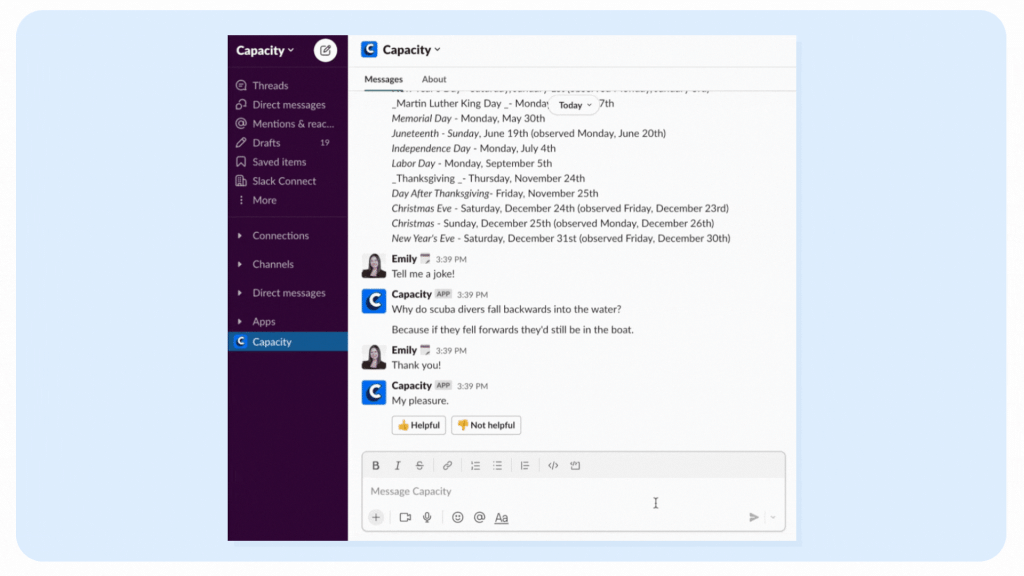
- Utilizing Technology: In today’s digital age, technology plays an integral role in organizing collaborative efforts. Leveraging tools such as project management software (like Trello or Asana) and communication platforms (such as Slack or Microsoft Teams) can streamline coordination among team members. These tools allow for real-time updates, document sharing, and task tracking, ensuring that everyone remains on the same page and can contribute effectively to the project’s progress.
- Establishing Workflow Processes: Clear workflow processes help define how tasks should be executed, reducing confusion and overlap. Teams need to establish a visual representation of their workflows through flowcharts or Kanban boards, which illustrate the movement of tasks from one phase to the next. This level of visibility not only clarifies expectations but also serves as a reference to measure progress and identify any potential bottlenecks in the system.
- Regular Team Check-ins: Routine meetings—whether daily stand-ups or weekly check-ins—can significantly enhance team dynamics. These meetings allow team members to discuss tasks, raise concerns, and share insights, promoting open dialogue among collaborators. Furthermore, regular check-ins help ensure accountability, as each member commits to specific goals and timelines.
- Creating a Collaborative Culture: The essence of a successful collaborative workspace lies in fostering a culture that embraces collaboration, trust, and respect among team members. Encouraging brainstorming sessions, facilitating icebreakers, and implementing team-building exercises can help strengthen interpersonal relationships. When team members feel connected, they are more inclined to share ideas and solutions, fostering innovation.
The implementation of these organization tips can significantly improve how teams function in collaborative environments. By adopting technology, establishing structured workflows, maintaining communication, and cultivating a culture of trust, organizations can set the stage for enhanced productivity and creativity that benefits not only individual team members but also the collective whole.
A well-organized and thoughtfully designed collaborative workspace is more than just a physical space; it’s a driver for team success. Recognizing and integrating these strategies can place teams ahead of the curve, making them better equipped to tackle challenges and seize opportunities swiftly. As remote and hybrid work models continue to evolve, the importance of maintaining an organized workspace that promotes collaboration becomes increasingly vital for lasting success.
| Organizational Strategies | Team Dynamics Enhancement |
|---|---|
| Clear Communication Channels | Facilitates understanding and clarifies roles and expectations. |
| Flexible Workspace Design | Promotes creativity and encourages spontaneous collaboration. |
| Regular Team Meetings | Ensures alignment on goals and strengthens interpersonal connections. |
| Digital Collaboration Tools | Streamlines project management and enhances productivity. |
Implementing organizational strategies within collaborative workspaces can revolutionize how teams interact, leading to enhanced team dynamics. Establishing clear communication channels reduces misunderstandings, ensures roles are well-defined, and cultivates a supportive environment. Additionally, a flexible workspace design can ignite creative thinking, inviting spontaneous ideas and innovation.Regular team meetings play a vital role in maintaining focus on mutual goals while also enhancing emotional bonds between team members. Utilizing digital collaboration tools can significantly streamline project management processes, ultimately increasing team productivity and efficiency. By embracing these tips, organizations can create a thriving collaborative atmosphere that benefits overall team performance and satisfaction.
DIVE DEEPER: Click here to learn more
Innovative Layouts and Flexible Spaces to Encourage Interaction
As remote work environments continue to shape modern business practices, designing an effective collaborative workspace becomes paramount. One essential aspect is the layout of the workspace itself. Adopting innovative layouts that encourage team interaction can lead to improved engagement and teamwork. For instance, incorporating communal tables or open lounge areas can facilitate spontaneous discussions, promote brainstorming sessions, and break down the barriers that traditional cubicles create.
Moreover, providing flexible spaces that teams can adapt based on project needs allows for a dynamic environment. Environments that can shift from group meetings to individual workspaces encourage both collaboration and focus. This adaptability not only enhances productivity but also empowers team members to take ownership of their work environment, leading to greater satisfaction and creativity.
Utilizing Visual Aids and Clutter-Free Environments
The aesthetic and organization of a workspace significantly impact team dynamics. Utilizing visual aids such as whiteboards, bulletin boards, or digital screens can keep essential project information front and center. These tools act as constant reminders of goals and deadlines, while also providing a platform for teams to showcase their progress, celebrate achievements, and share ideas. A visible, collaborative environment fosters a sense of accountability and camaraderie among team members.
Aside from visual aids, maintaining a clutter-free environment is crucial for minimizing distractions and enhancing focus. Implementing organizational strategies like designated storage areas, labeling systems, and digital filing solutions can vastly improve the physical workspace. When team members have clear systems in place to manage materials and documents, they can devote more energy to creative thinking and collaborative tasks, rather than wasting time searching for misplaced items.
The Role of Inclusivity in Collaborative Spaces
Inclusivity is another critical factor in fostering effective collaborative environments. By ensuring all team members feel included and valued, organizations can drastically improve team dynamics. This can be achieved through diverse seating arrangements, morning huddles that welcome input from everyone, or rotating team leadership roles on projects. When every member has a stake in the decision-making process, it leads to greater innovation and collaboration.
Furthermore, implementing measures that accommodate any special needs or preferences, such as ergonomic furniture or different lighting options, ensures a comfortable workspace for everyone. Adjustments that promote well-being can significantly affect productivity and morale. When employees see that their organization values their contributions and caters to their needs, they are more likely to remain engaged and enthusiastic about their work.
Ultimately, the organization of collaborative workspaces should focus on creating an environment that balances structure with flexibility, ensuring a balance that enables both focused work and fruitful collaboration. By establishing spaces that celebrate teamwork, foster inclusivity, and prioritize clear communication, organizations can harness the full potential of their teams while benefiting from a cohesive and dynamic work culture.
DON’T MISS: Click here to enhance your productivity
Conclusion
In today’s fast-paced business environment, the organization of collaborative workspaces plays a crucial role in fostering team dynamics and overall productivity. By implementing thoughtful strategies such as innovative layouts, clutter-free environments, and inclusive practices, organizations can create atmospheres that not only enhance collaboration but also drive creative problem-solving. Responsive design choices—like adaptable workspaces that cater to various tasks and comfortable accommodations—are vital in meeting the diverse needs of team members. These environments serve as a sanctuary for ingenuity, where every individual feels empowered to contribute.
The benefits of cultivating such carefully organized spaces are manifold. When team members engage freely in discussions, share ideas openly, and stay mindful of organizational goals, the workplace transforms into a vibrant ecosystem rich in collaboration and innovation. Companies embracing these organization tips can expect to see significant improvements in team dynamics, leading to increased motivation and higher performance levels.
To maximize the efficacy of a collaborative workspace, it is essential for organizations to remain adaptable and responsive to the evolving nature of work. As teams continue to navigate new challenges, fostering a culture that prioritizes collaboration, appreciation, and clear communication will unlock immense potential. The result is a thriving workplace where creativity flourishes, ultimately propelling the organization toward success in today’s competitive landscape.
Related posts:
Maximizing Space: Organization Strategies for Small Home Offices
The Influence of Colors and Textures on Workplace Organization and Its Impact on Productivity
How Minimalism Can Transform Your Workspace and Increase Focus
Digital Organization Techniques to Maximize Productivity in Remote Work
The Impact of the Physical Organization of Materials on Professional Performance
Effective Strategies for Decluttering and Organizing Your Home Office

Linda Carter is a writer and productivity and personal organization specialist focused on helping readers build better routines, manage their time, and stay on top of daily priorities. With experience covering practical planning methods, habit-building strategies, and tools for organization, Linda shares actionable guidance on our platform. Her goal is to empower readers with clear, realistic tips to work smarter, reduce overwhelm, and stay consistent over time.