
Strategies for Enhanced Productivity in Remote Work
As the trend of remote work gains momentum across various sectors in the United States, professionals are discovering both its advantages and pitfalls. The increased flexibility often leads to a healthier work-life balance; however, it can also pose significant challenges, particularly in maintaining organization and focus amidst the distractions of home life. To tackle these issues effectively, employing a set of proven digital organization techniques can prove invaluable in boosting productivity.
Utilizing Cloud Storage Solutions
Cloud storage solutions such as Google Drive or Dropbox not only offer convenient access to files from any device but also facilitate easy collaboration among team members. For instance, a marketing team working on a campaign can simultaneously edit documents, share images, and manage project assets without running into version control issues. By using these platforms, teams can ensure that everyone is aligned and has the most up-to-date materials at their fingertips. Moreover, reliable storage options often include features for sharing links with specific permissions, safeguarding sensitive information while still promoting teamwork.
Embracing Task Management Tools
Another critical aspect of staying organized is the adoption of task management tools. Applications like Trello and Asana allow individuals and teams to visualize their workloads through boards, lists, and timelines. This structure can help prioritize tasks and deadlines effectively. For example, utilizing Trello’s Kanban-style system, a user can create boards for each project, categorizing tasks as ‘To Do,’ ‘In Progress,’ and ‘Completed,’ thereby providing transparency and accountability. By regularly updating these boards, remote workers can maintain a sense of accomplishment, motivating them to tackle the next item on their list.
Implementing Time-Tracking Apps
To ensure focus and accountability, incorporating time-tracking apps such as Toggl or Harvest can be a game-changer. These tools allow users to log their working hours and breaks, helping to identify patterns in productivity. For example, if a worker discovers they are most productive during early morning hours, they can adjust their schedule accordingly. Such self-awareness is crucial, as it not only cultivates better work habits but also promotes a healthier balance between work and personal time.
By leveraging these digital tools, remote workers can streamline their workflows and significantly enhance their efficiency. Beyond just technology, merging these tools with a structured daily routine can lead to improved focus and increased productivity. The next step for professionals is to explore how to adapt these digital solutions to their individual working styles, which will ultimately empower them to navigate the complexities of remote work with confidence and resilience.
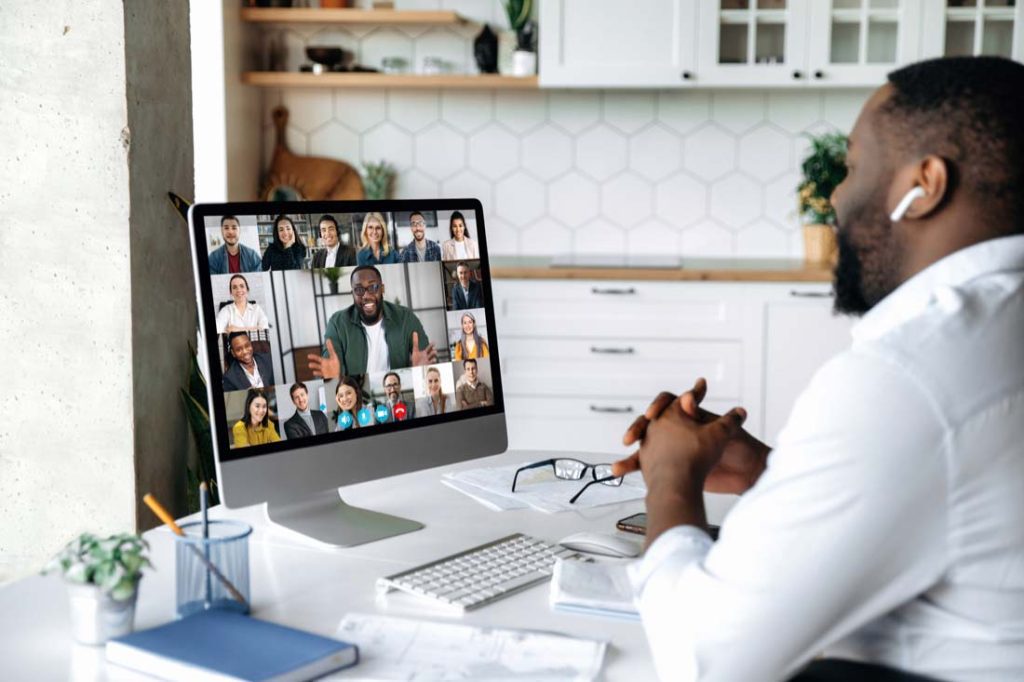
DIVE DEEPER: Click here to enhance your time management skills
Crafting a Productive Workspace
The foundation of successful remote work is significantly influenced by a well-organized and intentional workspace. Designating a specific area in your home solely for work can lead to enhanced focus and productivity. For instance, creating a home office that is distinct from your living areas can help signal to your brain that it’s time to work. This space should be devoid of distractions; it is advisable to minimize noise by positioning your workspace away from high-traffic areas in the home and utilizing noise-canceling headphones if necessary.
Lighting is another crucial element. Natural light has been shown to boost mood and energy, so positioning your desk near a window can improve your overall work experience. However, it’s essential to complement natural light with good quality artificial lighting for those late-night work sessions. Additionally, having the right tools on hand—like a high-speed internet connection, ergonomic chairs, and clutter-free desks—ensures that you can perform at your best. According to research, those who have a defined workspace report feeling more professional, which can enhance their overall productivity. Therefore, investing in good furniture and technology pays off in both comfort and efficiency.
Establishing a Consistent Routine
In the realm of remote work, establishing a consistent daily routine is paramount. Removed from the natural structure provided by commuting or set office hours, many workers experience disorientation. A well-structured daily schedule—including clear start and end times—can provide the necessary framework to nurture productivity. By allotting specific periods for concentrated work and intentional breaks, you can maintain your workflow effectively.
For instance, consider using time-blocking strategies, where you allocate distinct sections of your day to particular tasks or projects. Aligning your routine with your peak productivity times can also maximize output. Here’s a detailed sample routine to illustrate how one might structure their day:
- Morning (8:00 AM – 10:00 AM): Focused work on high-priority tasks, perhaps engaging with complex projects that require uninterrupted thought.
- Mid-Morning (10:00 AM – 10:30 AM): Take a short break for refreshments, perhaps a walk around your home or some light stretching.
- Late Morning (10:30 AM – 12:00 PM): Collaborate with colleagues through video calls or chat apps to catch up on project status.
- Afternoon (1:00 PM – 3:00 PM): Focus on continuing work on secondary tasks, making sure to evaluate what needs to be prioritized next.
- Late Afternoon (3:00 PM – 5:00 PM): Review accomplishments of the day and plan tasks for tomorrow to ease into the next workday.
This structured approach not only develops good work habits but also minimizes the often challenging overlap between personal and professional life, which is frequently encountered in remote work settings. By defining boundaries, remote employees can protect their personal time and maintain a healthy work-life balance.
Leveraging Communication Tools
In remote work environments, effective communication can significantly impact team dynamics. Utilizing communication tools such as Slack or Microsoft Teams fosters ongoing conversation among team members, ensuring that everyone remains interconnected despite physical distances. These platforms support both synchronous communication—allowing for real-time discussions—and asynchronous communication, enabling colleagues to contribute and connect when it suits them. This flexibility is vital in accommodating different schedules or time zones.
Moreover, creating dedicated channels for specific projects or topics within these tools enhances organization and allows team members to quickly access critical information. For instance, someone working on a marketing campaign might use a designated channel for brainstorming sessions while maintaining another for project updates. This organized approach streamlines collaboration, as it reduces the chaos of miscommunications and scattered information.
Transitioning to remote work is more than just adopting new technologies; it requires a mindset shift towards structured and personalized work methods. By employing organization techniques such as dedicated workspaces, consistent routines, and effective communication tools, remote workers can create a workflow that supports both high levels of productivity and personal well-being. As a result, they may find themselves more engaged and energized, ready to tackle the challenges of their job with clarity and purpose.
| Key Digital Techniques | Impact on Productivity |
|---|---|
| Task Management Tools | Enable clear tracking of assignments and deadlines, promoting accountability and focus. |
| Cloud-Based Storage | Allows easy access to files from anywhere, ensuring seamless collaboration among team members. |
| Virtual Communication Platforms | Facilitates real-time discussions, reducing delays in decision-making and information sharing. |
| Time Management Apps | Assist in prioritizing tasks, thus maximizing the efficiency of work hours. |
In the realm of remote work, implementing digital organization techniques is more than just a best practice; it’s often a necessity for driving results. Task management tools stand out as essential resources for enhancing accountability, allowing every team member to visualize due dates and prioritize tasks effectively. Coupled with cloud-based storage, teams can contribute and access documents effortlessly, eliminating obstacles related to file transfers or version control.Moreover, virtual communication platforms have transformed how teams interact. Instant messaging and video conferencing allow for clearer, quicker discussions compared to traditional emails, effectively streamlining workflows. The incorporation of time management applications further enhances productivity by helping individuals discern between urgent and less critical tasks. These digital tools not only foster a sense of organization but also contribute to a more engaged and efficient remote working environment, ultimately maximizing overall productivity. With an array of solutions tailored for digital organization, the remote workforce can thrive by making well-informed choices on which tools to utilize. Understanding these options and their application can dramatically change the dynamic of your workspace, leading to greater output and innovation.
DIVE DEEPER: Click here to enhance your time management skills
Implementing Task Management Systems
A task management system is integral to boosting productivity among remote workers. In virtual work settings where individuals may juggle multiple projects, these systems offer a structured approach to tracking and managing tasks. Tools like Trello, Asana, and ClickUp allow users to break down projects into smaller, actionable tasks, assign deadlines, and set priorities. This not only enhances clarity around responsibilities but fosters accountability among team members.
Incorporating Kanban boards or Gantt charts can improve visual tracking of progress. For example, using Kanban allows team members to see which tasks are in progress, completed, or pending, providing insight into project status at a glance. These tools can also enable remote teams to allocate resources more efficiently, ensuring that workloads are balanced and deadlines met. A study by the Project Management Institute found that organizations using structured project management techniques experience 28% more successful project outcomes. This statistic underscores the value of implementing effective task management systems in the remote work landscape.
Emphasizing Digital Collaboration Tools
Collaboration platforms like Zoom, Miro, and Google Workspace have revolutionized the way teams interact in remote settings. These digital collaboration tools support real-time interaction and brainstorming, allowing teams to work effectively from different corners of the world. A critical factor in maximizing productivity is selecting the right tools that fit your team’s specific needs.
For instance, Google Workspace facilitates seamless document sharing and editing, while Miro provides a virtual whiteboard for visual collaboration, making brainstorming sessions more dynamic. Integrating audio and video conferencing software enhances communication by allowing face-to-face interactions, which can foster stronger relationships and better understanding among team members. According to a report by McKinsey, the use of collaborative tools can increase productivity by 20 to 30%. This statistic highlights the profound impact that digital collaboration tools have on team dynamics and overall output.
Setting Clear Goals and Metrics
Establishing clear, measurable goals is essential for maintaining a productive remote work environment. By setting specific objectives, teams can create a shared sense of purpose and direction. The SMART criteria—Specific, Measurable, Achievable, Relevant, Time-bound—can be employed to define these goals, ensuring that everyone is aligned in their efforts. Regularly assessing these objectives also allows teams to pivot and adjust strategies as necessary.
One effective practice is conducting weekly check-ins or monthly reviews that track progress against established goals. These meetings serve to reinforce accountability and provide an opportunity to celebrate achievements, which can boost morale. Additionally, using dashboards or productivity tracking software can offer real-time insights into individual or team performance, making it easier to identify and address areas that may need improvement. A Gallup study showed that employees who set specific goals are 10 times more likely to be engaged in their work than those who do not have clear goals.
By utilizing task management systems, digital collaboration tools, and setting clear goals, remote teams can establish a web of organization that supports sustained productivity. These digital organization techniques not only help navigate the complexities of remote work but also empower employees, promoting a culture of accountability and teamwork that translates to higher performance levels. As remote work continues to evolve, these methods will be crucial in defining how teams collaborate effectively, regardless of location.
DISCOVER MORE: Click here to learn how to stay focused and motivated
Conclusion
In an era where remote work has become the standard for many organizations, digital organization techniques have emerged as critical components for maximizing productivity. By incorporating structured task management systems, such as Trello and Asana, teams can navigate their responsibilities with clarity and ensure that accountability remains a priority. These systems foster an organized approach that allows individuals to break down complex projects into manageable tasks, making it easier to meet deadlines and achieve set goals.
Moreover, the integration of digital collaboration tools like Zoom and Miro enhances team interaction, promoting a collaborative environment that transcends geographical boundaries. With real-time communication and editing capabilities, teams can brainstorm more effectively and maintain strong working relationships, which are essential in cultivating team cohesion and morale. The statistics from studies indicating a potential productivity increase of up to 30% due to collaborative tools further emphasizes the importance of these resources.
Finally, the practice of setting clear goals and metrics cannot be overlooked. Utilizing the SMART criteria ensures that teams have a clear direction and can track progress through consistent evaluations. This practice reinforces accountability and motivates employees, leading to higher engagement levels. As organizations strive to adapt to remote work’s challenges, utilizing these digital organization techniques will be crucial not only for enhancing productivity but also for cultivating a resilient, empowered workforce. As we look to the future, these strategies will undoubtedly shape how remote teams collaborate effectively, delivering results that stand the test of time.
Related posts:
How to Create a Visual Organization System in the Workspace to Boost Creativity and Productivity
Effective Strategies for Decluttering and Organizing Your Home Office
The Importance of Zoning in the Workplace to Increase Productivity
The Influence of Colors and Textures on Workplace Organization and Its Impact on Productivity
How Lighting and Ergonomics Influence the Organization of the Workspace
Organization Tips for Collaborative Workspaces and Their Benefits for Team Dynamics

Linda Carter is a writer and productivity and personal organization specialist focused on helping readers build better routines, manage their time, and stay on top of daily priorities. With experience covering practical planning methods, habit-building strategies, and tools for organization, Linda shares actionable guidance on our platform. Her goal is to empower readers with clear, realistic tips to work smarter, reduce overwhelm, and stay consistent over time.