
Understanding the Role of Lighting in Enhancing Workplace Effectiveness
Creating an efficient workspace goes beyond aesthetics; it involves strategic considerations of lighting and ergonomics. These factors can significantly shape productivity, mood, and overall employee well-being. Understanding their influence is crucial for businesses aiming to enhance their work environments.
Lighting: The right lighting can reduce eye strain and increase focus. Office environments that rely heavily on fluorescent lighting often create a harsh atmosphere that leads to eye fatigue and general discomfort. Studies show that employees exposed to natural light report feeling happier and more productive. For example, workplaces that incorporate features such as large windows or skylights can not only beautify their spaces but also enhance employee satisfaction and performance. One study indicated that natural light could improve mood by up to 15%, making it an essential aspect of workplace design.
Maximizing Natural Light
In many modern offices, architectural choices such as open floor plans capitalize on natural light to reduce reliance on artificial lighting. Incorporating elements like reflective surfaces and lighter colors on walls can amplify the effects of natural light, creating a brighter environment without the harshness of artificial sources. Moreover, flexible workstation designs that allow employees to choose their seating locations based on light availability can empower individuals, leading to increased satisfaction and motivation.
Ergonomics: A Key to Comfort and Efficiency
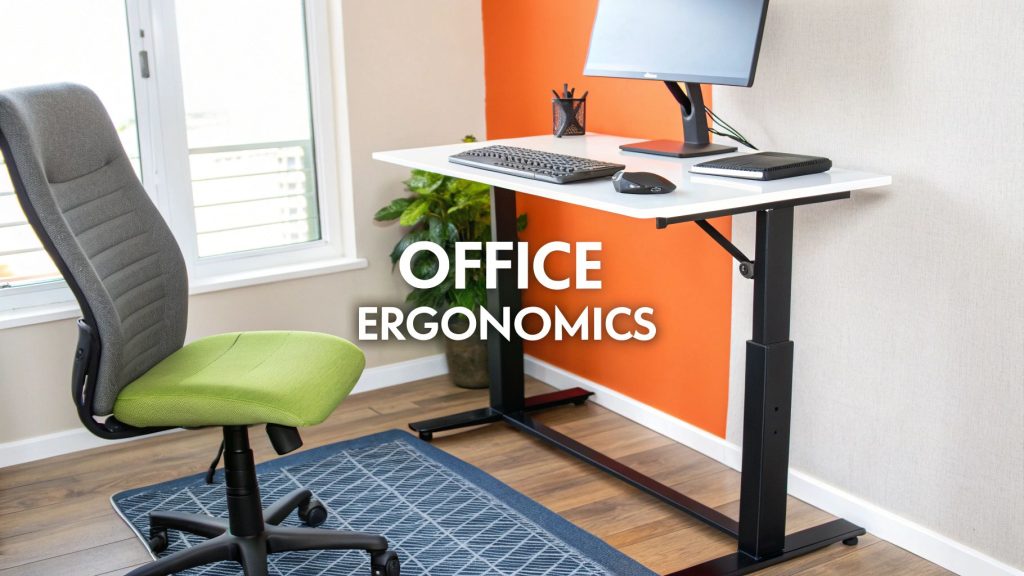
Ergonomics: Properly designed furniture can prevent physical discomfort and promote better posture. One of the main contributors to workplace-related injuries is poor ergonomic setup. An ergonomic workstation considers the human body’s limitations, allowing for adjustments that cater to individual needs. For instance, chairs that provide lumbar support, desks that are height-adjustable, and adequate screen placement can significantly enhance an employee’s comfort.
Implementing Ergonomic Solutions
Many companies have begun investing in ergonomic tools, such as standing desks, keyboard cushions, and monitor risers. These adaptations not only reduce the likelihood of repetitive strain injuries but also encourage movement throughout the day. Research indicates that simply allowing employees to stand while working can increase engagement and energy levels, resulting in up to a 10% increase in productivity over time.
The Synergy Between Lighting and Ergonomics
Combination Effects: Together, they create an environment conducive to creativity and collaboration. A workspace that effectively blends optimal lighting with ergonomic principles can lead to enhanced creativity, reduced absenteeism, and higher overall productivity. For example, consider a tech startup that combines cluster office designs, which encourage teamwork, with adjustable workstations and ample natural light. This combination has been shown to lead to innovative brainstorming sessions and high levels of employee well-being.
In summary, as businesses increasingly recognize the importance of a thoughtfully designed workspace, the integration of lighting and ergonomics will play a crucial role in shaping workplace dynamics. By prioritizing these elements, companies not only enhance productivity but also create a vibrant atmosphere where employees thrive. In this article, we will delve deeper into how these two elements intertwine, providing insights and practical tips for optimizing workspace organization effectively. This exploration will reveal valuable solutions that organizations can implement, leading to a more dynamic and engaging work atmosphere.
DISCOVER MORE: Click here to enhance your workspace
Creating a Harmonious Workspace: The Intersection of Lighting and Ergonomics
As organizations strive to cultivate an engaging work environment, the integration of lighting and ergonomics stands out as a critical element in workplace design. These two components work in tandem to foster a sense of well-being, enhance productivity, and ultimately contribute to the organization’s success. Understanding how they intersect can help managers make informed decisions about their workspace layout.
The Impact of Lighting on Employee Performance
Lighting plays a pivotal role in setting the tone of an office. It affects not only visibility but also employee mood and motivation. Insufficient lighting levels can lead to issues such as headaches, fatigue, and decreased focus. Employers who recognize the importance of adequate lighting often see marked improvements in employee efficiency. A study from the Cornell University found that proper lighting can lead to a 20% increase in productivity. Moreover, when employees feel comfortable in terms of lighting, they are more likely to collaborate and engage with their peers, creating a dynamic workplace culture.
To optimize lighting in the office, consider the following strategies:
- Implement Task Lighting: Utilize desk lamps or adjustable lights for individual tasks, allowing employees to tailor their light sources based on their preference.
- Use Dimmers: Dimmable lighting fixtures can create flexible environments where light intensity adapts to different work activities throughout the day.
- Prioritize Natural Light: Whenever possible, arrange desks and workspaces to capitalize on sunlight, reducing the reliance on artificial lighting.
Ergonomic Design: The Backbone of Workspace Comfort
Pairing optimal lighting with sound ergonomic principles is essential for long-term employee health. Ergonomics focuses on designing workspaces that fit the needs of the individual, reducing strain and discomfort. A poorly designed workspace can lead to musculoskeletal disorders, which are among the leading causes of workplace absenteeism in the United States. By investing in ergonomic solutions, companies not only enhance comfort but also diminish the risk of long-term health issues. In fact, a report by the Occupational Safety and Health Administration (OSHA) highlighted that employers could save up to $1 billion annually by implementing ergonomic best practices.
Key ergonomic practices to consider include:
- Adjustable Furniture: Invest in sit-stand desks and chairs with adjustable heights to accommodate various body types.
- Monitor Positioning: Ensure computer monitors are at eye level to prevent neck and back strain.
- Keyboard and Mouse Placement: Position keyboards and mice at a height where arms can remain relaxed and aligned with the body.
In conclusion, lighting and ergonomics are not merely elements of good design; they are pivotal to enhancing workplace organization and overall employee satisfaction. When thoughtfully applied, these elements can lead to an environment where employees feel valued and motivated, laying the groundwork for a successful organizational culture. As we move forward in this article, we will explore practical applications and real-world examples that underline the importance of merging lighting and ergonomic principles to foster an inspiring workspace.
How Lighting and Ergonomics Influence the Organization of the Workspace
In today’s fast-paced work environments, understanding how lighting and ergonomics impact workspace organization is vital for enhancing productivity and employee wellness. Improper lighting can lead to eye strain, headaches, and fatigue, while a poorly designed workspace can exacerbate discomfort and reduce efficiency. By focusing on these two crucial elements, organizations can create an atmosphere that promotes both comfort and performance.
Natural light, for instance, has been shown to boost mood and increase alertness. Studies indicate that workplaces flooded with natural light can improve well-being and even influence sleep patterns in employees. In contrast, harsh artificial lighting can contribute to high stress levels and hinder cognitive functions. It’s essential to harmonize ambient lighting with task lighting to create a well-lit environment.
On the other hand, ergonomics play a significant role in reducing physical strain. An ergonomic workspace involves the careful arrangement of furniture, technology, and equipment to fit the user’s needs, ensuring that tasks can be performed efficiently and comfortably. Adjustable desks, ergonomic chairs, and computer monitors set at eye level are just a few examples of how ergonomics can foster health and productivity. When employees are physically comfortable, they achieve enhanced concentration and efficiency.
The correlation between lighting and ergonomics is profound. Effective organization of a workspace that considers both elements can significantly reduce absenteeism and improve overall job satisfaction. Organizations that invest in these aspects report not only happier employees but also a notable increase in productivity and creativity. As businesses evolve, the ongoing study of how these components interact will remain essential in maximizing workplace effectiveness.
| Category | Details |
|---|---|
| Lighting | Natural light enhances mood and productivity. |
| Ergonomics | Proper design reduces strain, enhancing comfort. |
By understanding and implementing effective lighting and ergonomic strategies, businesses can create a supportive work environment that maximizes both well-being and performance.
DISCOVER MORE: Click here to dive deeper
Enhancing Workspace Dynamics: The Role of Collaboration and Technology
While lighting and ergonomics form the foundation of an efficient workspace, their effectiveness can be magnified by fostering collaboration and integrating modern technology. Together, these elements can create a holistic work environment that encourages creativity, flexibility, and interaction among employees. In today’s fast-paced corporate landscape, organizations must adapt to the evolving needs of their workforce by enhancing workspace dynamics through innovative practices.
Collaborative Spaces and Social Interaction
Research shows that collaborative workspaces can lead to significant increases in innovation and engagement. The Harvard Business Review highlights that employees who engage in spontaneous conversations with colleagues are more productive and happier at work. To support this, a thoughtful integration of lighting and ergonomic elements into these collaborative spaces is crucial.
By utilizing open layouts with bright, natural light, organizations can foster better interactions among team members. Acoustic lighting, which incorporates materials that reduce noise while illuminating the environment, can help create a comfortable atmosphere for brainstorming and discussions. Additionally, modular furniture that is easily reconfigurable promotes teamwork and adaptability.
- Flexible Seating Arrangements: Use movable chairs and couches to allow teams to rearrange their workspace based on the nature of their discussions, whether formal meetings or casual brainstorming sessions.
- Dedicated Collaboration Zones: Designate specific areas with optimal lighting and ergonomics to encourage group activities, integrating comfortable lounges and standing tables.
Technology as a Catalyst for Ergonomics and Lighting
The rise of technology has revolutionized workplace organization, providing tools to enhance both lighting and ergonomics. Smart lighting systems, for instance, allow organizations to adjust lighting based on occupancy and time of day, minimizing energy consumption while maximizing employee comfort. According to the U.S. Energy Information Administration, smart lighting can reduce energy costs by up to 60% in commercial settings.
In addition to lighting, technology plays a key role in ergonomic solutions. Wearable devices that monitor posture and movement can provide employees with real-time feedback on their body alignment, leading to healthier work habits. Moreover, advanced software can help track and analyze employee work patterns, allowing managers to refine workspace layouts continually for optimal comfort and productivity.
- Integrated Technology Workstations: Consider workstations with built-in screens and tools that lower visual strain, such as blue light filters, which can enhance visual ergonomics.
- Virtual Reality Ergonomics Testing: Utilize VR technology to simulate various desk setups, allowing employees to experience and evaluate comfort before implementation.
As organizations embrace the digital age, merging these technological advancements with effective lighting and ergonomic strategies becomes essential. This synergy not only streamlines operations but also protects employee well-being, proving that investing in these areas is just as important as the bottom line.
DIVE DEEPER: Click here to learn how to say no effectively
Conclusion: The Future of Workspace Design
Ultimately, the integration of lighting and ergonomics in workplace organization is pivotal for maximizing productivity and enhancing employee well-being. This article has explored how optimal lighting can energize spaces and foster collaboration, while effective ergonomic strategies reduce physical strain and improve comfort. As we have seen, the equilibrium between these elements results in not only a more engaging work environment but also a reduction in healthcare costs associated with poor ergonomic practices.
Moving forward, it is essential for organizations to embrace innovative solutions such as smart lighting systems and adjustable furniture to adapt to diverse work styles. With studies indicating that proper lighting can increase employee performance by up to 20% and ergonomic adjustments can decrease fatigue and musculoskeletal disorders, the data underscores the necessity of a synchronized approach to workspace design.
Additionally, by fostering collaborative areas enhanced by appropriate lighting and ergonomic furnishings, companies can cultivate a culture of creativity and teamwork. This approach, coupled with cutting-edge technology and responsive workspace layouts, invites employees to actively participate in their work environment, leading to greater job satisfaction and retention.
In conclusion, as businesses seek to position themselves competitively, prioritizing the interplay between lighting, ergonomics, and collaborative dynamics will be a cornerstone for future workspace strategies. By investing in these areas, organizations can ultimately realize a tangible return on investment that extends far beyond financial metrics, enhancing overall workplace culture and productivity.
Related posts:
The Role of Plants in the Organization of Work Space and Their Effects on Concentration
The Impact of the Physical Organization of Materials on Professional Performance
Organization Strategies for Remote Teams: Maintaining Cohesion and Productivity
How Automation Technology Can Transform Office Organization and Increase Efficiency
Maximizing Space: Organization Strategies for Small Home Offices
Digital Tools for Managing Workspace Organization and Increasing Productivity

Linda Carter is a writer and productivity and personal organization specialist focused on helping readers build better routines, manage their time, and stay on top of daily priorities. With experience covering practical planning methods, habit-building strategies, and tools for organization, Linda shares actionable guidance on our platform. Her goal is to empower readers with clear, realistic tips to work smarter, reduce overwhelm, and stay consistent over time.