
Adaptability in Small Spaces
As the landscape of professional work continues to shift, many individuals find themselves navigating the intricacies of remote employment. This transition has made it increasingly evident that effective home office setups are no longer just options; they are essential for ensuring productivity and work-life balance. Especially when space is at a premium, leveraging innovative strategies to enhance your small workspace becomes crucial.
Utilize Vertical Space
One of the most impactful methods for optimizing a small office is to utilize vertical space. By installing wall-mounted shelves or utilizing pegboards, you can free up valuable floor area while still keeping important items easily accessible. For instance, a series of floating shelves can display books, plants, or decorative items that inspire creativity, while also providing a functional space for office supplies. Additionally, vertical file organizers can be attached to walls, keeping documents off the desktop yet within arm’s reach, thereby promoting an organized visual space.
Multi-functional Furniture
Multi-functional furniture is another cornerstone of small office design. Desks that include built-in drawers or shelves allow one to blend workspace with storage seamlessly. A foldable desk that can be tucked away when not needed can transform a tight corner into a spacious living area after hours. For example, wall-mounted desks that fold down are not only stylish but incredibly practical for smaller homes, as they provide a workspace when needed and disappear when the workday ends.
Organizational Tools
Investing in organizational tools is also paramount in a small office setting. Clear storage bins, labeled folders, and drawer organizers can help to categorize supplies and documents, reducing clutter and enhancing efficiency. For instance, a dedicated bin for electronic accessories, like chargers and cables, keeps them contained and prevents them from tangling with other items. Using color-coded folders can simplify the retrieval of important documents, making the search process less time-consuming and more intuitive.
The transformation of a cramped corner into a dynamic, effective workspace is achievable with strategic planning and a keen eye for detail. By embracing these organization strategies, you can create a home office that not only meets your functional needs but also preserves the aesthetic appeal of your living space. This approach will not only help in boosting productivity but will also contribute to a positive work atmosphere.
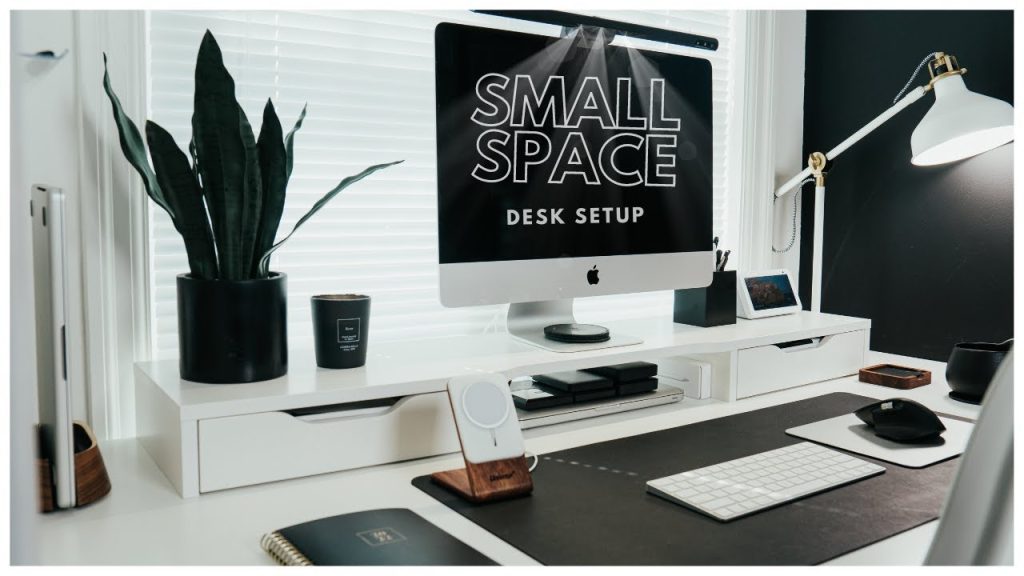
Whether your work area is a nook in the living room or a spare room repurposed for productivity, these tips serve as a guide to reshaping your environment into a hub of efficiency. Ultimately, the key lies in balancing functionality with personal style, creating a workspace that you will look forward to spending time in. Let’s delve deeper into the exciting world of home office organization!
LEARN MORE: Click here to discover how your workspace impacts productivity
Creating Defined Zones
When working within limited confines, establishing defined zones in your small home office can dramatically enhance productivity and functionality. This strategy is about creating specific areas dedicated to different tasks, allowing for a more focused work environment. For instance, designating one area strictly for computer work, another for reading or brainstorming, and a separate nook for filing might seem ambitious in a compact space, but with the right arrangement, it’s entirely achievable and beneficial.
To implement this effectively, start by identifying the activities that make up your workday. Do you frequently need to gather materials for meetings? Consider an area with easy access to your essential supplies and tech. If brainstorming is a key part of your job, perhaps a cozy corner with a comfortable chair and a small whiteboard could fit the bill. Tailoring your workspace to support your daily tasks can significantly impact your efficiency and creativity throughout the day.
Incorporating Smart Storage Solutions
Smart storage solutions are another essential aspect of maximizing space in a small home office. Investing in furniture with built-in storage can streamline the organization process while ensuring that everything you need is just a reach away. Consider the following options to keep your workspace tidy:
- Under-desk storage: Utilize the space under your desk with rolling carts or shallow drawers that can hold office supplies, papers, and other essentials without sacrificing legroom.
- Storage ottomans: These versatile pieces can function both as seating and as concealed storage, perfect for stashing away miscellaneous items.
- Overhead cabinets: If ceiling height allows, carefully consider installing cabinets above your workspace. They provide unobtrusive storage options that keep items off your desk.
Moreover, a well-organized filing system is crucial, even in a small home office. Use vertical file organizers for documents, and sort them by category—projects, clients, or personal correspondence—to avoid paper clutter. Investing in a good label maker can also help to make everything unmistakably clear at first glance, creating an environment that grows increasingly efficient as time passes.
Decluttering Regularly
A pivotal part of maintaining an organized small office is the process of decluttering regularly. As work demands fluctuate, items can accumulate, creating an overwhelming environment that detracts from productivity. Setting aside a specific day each month to review your workspace can prevent buildup. During this review, consider the following actions:
- Assess your supplies: Keep only what you use and need. Discard or donate excess items that clutter your space.
- Digital decluttering: Don’t forget your digital files! Organize digital documents, and regularly delete unnecessary files to maintain a streamlined workflow.
- Revise your zones: As your work evolves, so too might your office needs. Regularly check if your defined zones still serve you well and adjust as necessary.
In summary, creating a small home office that maximizes space calls for a thoughtful blend of organization strategies that can lead to a more productive and enjoyable workspace. By defining activity zones, incorporating innovative storage solutions, and regularly decluttering, you can cultivate an environment that inspires creativity and efficiency. The next sections will explore even more exciting ways to optimize your workspace, so let’s keep going!
Maximizing Space: Organization Strategies for Small Home Offices
In today’s fast-paced world, small home offices have become a necessity for many professionals. As the demand for effective remote working environments grows, optimizing every inch of space becomes crucial. Understanding organization strategies can greatly enhance productivity while maintaining a specialized focus on aesthetics. Here’s a closer look at some noteworthy approaches to make the most out of your limited workspace.
| Smart Storage Solutions | Enhanced Productivity |
|---|---|
| Utilizing vertical space | Reduces clutter, making it easier to focus. |
| Multi-functional furniture | Allows integration of storage and workspace. |
Implementing smart storage solutions such as wall-mounted shelves and pegboards allows you to free up floor space while keeping frequently used items within arm’s reach. This approach not only keeps your work area tidier but also enhances your productivity as a serene workspace can significantly contribute to your ability to focus. Additionally, opting for multi-functional furniture like desks that convert into filing cabinets or benches can considerably elevate both the functionality and the aesthetics of your office.
In considering how to maximize your workspace, it’s essential to balance utility with comfort. Each element should serve a distinct purpose without sacrificing style. Customizing your office layout to meet personal and professional needs will create an invigorating atmosphere conducive to success. As remote work continues to redefine our workspaces, let these strategies empower you to make your small home office both functional and inspiring.
DISCOVER MORE: Click here to uncover the Pomodoro Technique
Adopting Multi-Functional Furniture
In a small home office, every square inch counts, making multi-functional furniture an invaluable addition to your workspace strategy. This type of furniture not only saves space but can also enhance the overall aesthetics of your office. Consider investing in pieces that serve more than one purpose to maximize utility while minimizing clutter. For example, a desk that doubles as a bookshelf can effectively utilize vertical space, allowing you to store books, files, and decorative items without needing additional cabinets or shelves.
Another clever option is a wall-mounted drop-leaf table. This versatile piece can act as a compact desk when needed but can be folded down when you need to reclaim space for other activities. Furthermore, incorporating a sleeper sofa for potential guests can be a valuable asset, serving as a comfortable seating option during work hours and a place to rest during off-hours. These smart design choices promote a flexible environment where you aren’t confined to a single setup for your workspace.
Utilizing Vertical Space
With limited floor area in a small home office, vertical space becomes an essential component for organization. Making the most out of walls can help create an organized, efficient workspace while keeping foot traffic smooth and uninterrupted. One effective strategy is to install floating shelves where you can display important files, books, or decorative items that inspire you. By elevating storage, you free up valuable desk space and provide a visually appealing layout that can enhance focus.
Consider pegboards or wall grids for a dynamic organization solution. These can hold office tools like scissors, pens, or sticky notes while adding a personalized touch to your space. Even incorporating art or personal photographs on the walls can create an inviting atmosphere that keeps you motivated and engaged. Using wall-mounted magazine holders is another clever way to store paperwork or magazines without taking up desk space, thus promoting a cleaner working environment.
Streamlining Technology
In the digital age, the technology we use in our offices can often contribute to clutter if not managed properly. Therefore, a crucial part of maximizing space involves streamlining technology in your small home office. Start by assessing your devices—do you really need a printer, scanner, and shredder, or can you consolidate functionalities? Multi-function printers, for instance, can print, scan, and copy, cutting down on the number of devices while saving space.
Additionally, managing cords and cables is vital. Use cable organizers or conduits to keep everything neat and out of the way. Under-desk cable trays can keep cords from tangling and create a smoother visual appearance. When technology is organized, it not only frees up physical space but also creates a calming, focused environment while you work.
Lastly, integrate digital tools like project management software and cloud storage solutions to reduce physical paperwork. Technologies such as these facilitate remote collaboration and can keep you connected with your team while keeping your physical space minimalistic.
By incorporating multi-functional furniture, utilizing vertical space effectively, and streamlining technology, you can create a highly functional and organized small home office. These strategies will not only optimize the workspace but also contribute to a more enjoyable and productive work experience.
DIVE DEEPER: Click here to discover prioritization techniques
Conclusion: Embracing Smart Strategies for an Efficient Workspace
Maximizing space in a small home office is not merely about squeezing in as much furniture as possible; it’s about creating an inviting, functional, and organized environment that enhances productivity. By incorporating multi-functional furniture, you can effectively utilize the limited square footage while maintaining a stylish aesthetic. The addition of pieces that serve dual purposes—like a desk that doubles as storage—meets the pressing demand for functionality without sacrificing taste.
Additionally, harnessing vertical space plays a crucial role in organization. Installing floating shelves or pegboards not only declutters your working area but also adds a personal touch, inspiring creativity and keeping motivation high. With the appropriate storage solutions, you can easily display items like books and tools, transforming your walls into an active part of your workspace.
Lastly, in an age where technology drives inefficiency, streamlining your tech setup can significantly revolutionize your work environment. By adopting multi-functional devices and maintaining organized cable management, you can create a serene atmosphere that encourages focus and minimizes distractions.
Ultimately, these organization strategies not only enhance functionality but also foster a more enjoyable working experience in a compact space. As remote work continues to evolve, exploring innovative solutions in your small home office will be essential. Embrace these ideas, and watch how a little creativity combined with smart design can lead to a workspace where productivity knows no bounds.
Related posts:
The Influence of Colors and Textures on Workplace Organization and Its Impact on Productivity
Digital Tools for Managing Workspace Organization and Increasing Productivity
The Importance of Zoning in the Workplace to Increase Productivity
The Importance of Ergonomics in Workplace Organization
The Role of Plants in the Organization of Work Space and Their Effects on Concentration
Organization Strategies for Remote Teams: Maintaining Cohesion and Productivity

Linda Carter is a writer and productivity and personal organization specialist focused on helping readers build better routines, manage their time, and stay on top of daily priorities. With experience covering practical planning methods, habit-building strategies, and tools for organization, Linda shares actionable guidance on our platform. Her goal is to empower readers with clear, realistic tips to work smarter, reduce overwhelm, and stay consistent over time.