
The Impact of Colors on Employee Emotion and Productivity
Colors exert a profound influence on human psychology. In workplace design, this means that choosing the right colors can significantly enhance the work environment. For instance, blue hues are known to foster a sense of calm and encourage concentration, making them ideal for spaces where focus is essential, such as offices or conference rooms. Conversely, vibrant shades like yellow can ignite creativity and innovation, suitable for brainstorming areas or collaborative spaces.
Research from the University of Oregon shows that participants working in blue-colored environments reported feeling more productive and experienced less stress compared to those in environments dominated by neutral shades. Similarly, the color green, often associated with nature, can be refreshing and reduce mental fatigue, helping employees feel more energized as they navigate their tasks throughout the day.
The Role of Texture in Workplace Ambiance
Textures enhance the tactile experience of a workspace, contributing to its overall atmosphere. For example, smooth surfaces such as glass and polished metals can streamline visual appeal and encourage efficient work processes. In contrast, softer materials—such as plush fabrics and warm woods—can create a more inviting and comfortable environment, promoting relaxation and collaboration among team members.
The interaction between colors and textures can also aid in delineating different areas within a workspace. For instance, a section with bright colors and soft textures might be designed for collaborative brainstorming, while another area featuring muted tones and sleek finishes could be ideal for focused, individual tasks. Such an approach not only organizes the space but can also promote a seamless flow of productivity as employees transition from one area to another, enhancing both effectiveness and morale.
Learning from Industry Leaders
Companies like Google and Apple have long been pioneers in the realm of workplace design, leveraging vibrant colors and innovative textures to invigorate their workspaces. Google’s offices are famous for their vivid color schemes, which are specifically chosen to energize and stimulate the creativity of their employees. Meanwhile, Apple’s design philosophy also incorporates clean lines and soothing textures, creating a serene backdrop that enhances employee focus and collaboration.
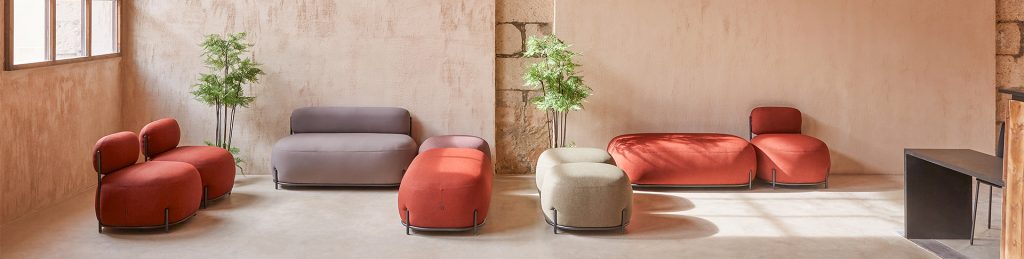
This strategic use of colors and textures illustrates how thoughtful design can significantly impact workplace dynamics. Organizations that recognize and implement these principles can expect not only an enhanced working environment but also improved employee satisfaction and productivity. Delving deeper into the relationship between colors, textures, and productivity reveals powerful strategies for foreign and domestic workplaces, making it a fascinating area for further exploration.
DISCOVER MORE: Click here to learn about digital tools for boosting productivity
Understanding the Psychological Effects of Colors in the Workplace
The significance of colors in workplace organization extends beyond mere aesthetics—they tap into the emotional and psychological responses of employees. Research highlights that colors can evoke specific feelings and behaviors, creating an environment that influences productivity on multiple levels. Bright, bold colors may cultivate excitement, while softer hues can promote tranquility; this duality presents a unique opportunity to tailor spaces that align with organizational goals.
For instance, red is often associated with energy and urgency, ideal for areas designed for dynamic teamwork or fast-paced brainstorming sessions. It can invigorate employees, making them more engaged and willing to collaborate. However, too much red can lead to heightened stress levels, suggesting moderation is key. On the other hand, muted colors like beige or gray might be beneficial for administrative tasks that require a steady, focused mindset, as they are less likely to overwhelm.
Another aspect to consider is the context within which colors are applied. A workplace striving for creativity might benefit from an eclectic mix of bold colors, while one focused on finance or law might thrive in a more subdued palette. Ultimately, the strategic application of colors plays a vital role in shaping workplace dynamics, enhancing employee experiences, and optimizing productivity levels.
Exploring Textures: The Unsung Hero of Workplace Design
While colors are often the more visible components of workplace design, textures also serve an equally important function in fostering a conducive work atmosphere. Texture can create a sensation—whether it’s the soft feel of carpet underfoot inviting moments of relaxation, or the sleek, polished surface of a conference table making an impactful statement during meetings. These tactile elements interact with color to create a cohesive aesthetic that supports either creativity or focus.
In contemporary office environments, we are witnessing an emerging trend where texture is creatively employed to define different work zones. Consider the following applications:
- Soft fabrics in lounge areas enhance comfort, promoting informal discussions and idea exchanges.
- Hardwood or tile floors in high-traffic areas facilitate quick movement, while providing an orderly feeling that encourages efficiency.
- Textured wall panels contribute to sound absorption, creating quieter workspaces that minimize distractions.
As workplaces evolve, the importance of textures cannot be overstated. The right combination can effectively delineate work zones, helping employees understand when it’s time to focus and when it’s acceptable to be more relaxed and social. This intentional design fosters not only a sense of organization but also enhances productivity through an improved workplace ambiance.
Ultimately, as organizations endeavor to maximize employee engagement and output, understanding how colors and textures influence workplace organization emerges as a key factor. An effective strategy that harmonizes these elements can lead to not just a well-organized environment, but to a thriving culture of productivity among employees.
| Advantage | Impact on Productivity |
|---|---|
| Enhanced Mood | Colors like blue and green can uplift spirits and increase job satisfaction. |
| Optimized Focus | Warm colors can enhance alertness and concentration during tasks, influencing overall performance. |
| Reduction in Stress | Neutral colors and soft textures can create a serene environment, reducing workplace anxiety. |
| Increased Collaboration | Bright colors in communal areas can stimulate creativity and encourage team interaction. |
The visual elements of a workplace significantly shape employee experiences. By understanding how colors not only beautify a space but also enhance emotional well-being, companies can strategically design their work environments to promote productivity. The integration of textures—such as soft furnishings or smooth surfaces—encourages a tactile interaction that can either inspire creativity or offer a needed sense of comfort. With such insights, businesses can pivot their organizational approaches to maximize team potential, fostering an atmosphere where productivity thrives. This leads to an intriguing inquiry: how far can the intentional application of color and texture impact not just individual performance but an entire organization’s culture?
DIVE DEEPER: Click here to learn about the importance of flexibility in task prioritization</p
Boosting Engagement Through Strategic Color and Texture Pairing
To truly harness the influence of colors and textures on workplace organization, it is crucial to delve into the science behind how these design elements can enhance employee engagement and productivity. Recent studies have shown that when colors and textures are synergistically combined, they can lead to greater employee satisfaction and overall performance. By carefully curating a workplace environment that accounts for both visual and tactile experiences, employers can foster a culture of productivity.
For instance, research conducted by the American Psychological Association indicates that 85% of employees feel more productive in environments that are tailored to their sense of sight and touch. Pairing vibrant colors, such as orange or lime green, known for their invigorating qualities, with soft, inviting textures like knits or natural wood finishes can create friendly and inclusive work zones. Such combinations encourage a collaborative and dynamic atmosphere, essential for brainstorming sessions and team meetings.
Moreover, the role of natural textures, such as plants, stone, or reclaimed wood, cannot be overlooked. Integrating elements of nature—often referred to as biophilic design—can further enhance workplace satisfaction and productivity. Numerous studies involving office plants have shown that a presence of greenery can reduce stress by up to 37%, which also lends itself to increased focus and creativity. The appeal of nature not only brings a calm aesthetic but also offers varying textures that draw employees into a more soothing workspace.
The Role of Lighting in Color and Texture Perception
Another crucial aspect of how colors and textures impact workplace organization is the role of lighting. The wrong lighting can distort colors and make textures appear less inviting, ultimately hindering productivity. Natural light is ideal; it enhances colors and makes textures feel more accessible. In contrast, fluorescent lights can wash out colors, leaving spaces looking dull and uninspiring. This is particularly relevant for open office spaces that rely heavily on artificial lighting.
Employers can significantly increase workplace motivation by integrating large windows or strategically placed skylights. Additionally, adjustable task lighting enables employees to tailor their immediate workspace to suit personal preferences, providing both comfort and functionality. This highly adaptable approach allows staff to experiment with color schemes and textures that resonate with them individually, thereby fostering a more engaged workforce.
Creating Zones for Different Work Functions
To fully utilize the impact of colors and textures, businesses should aim to create specific areas tailored to varied functions. By differentiating spaces with distinct color palettes and textural experiences, organizations can delineate zones for focused tasks versus collaborative brainstorming. For instance, a quiet, muted area with plush seating and soft hues can serve as a quiet zone, perfect for deep work, while another area with bright colors and industrial textures can encourage lively discussions and creative exchanges.
Consider utilizing sound-absorbing materials in conference rooms adorned with energizing colors to create a balanced and productive atmosphere. The overall goal is to use color and texture not just as a structural organization tool but as a catalyst for enhancing employee morale and work efficiency. By understanding and implementing these elements effectively, organizations on U.S. soil and beyond can reshape their workplace dynamics for the better.
In summary, the thoughtful choice of colors and textures holds transformative power in workplace organization. This strategic approach can enhance productivity by fostering a better working environment conducive to employee engagement, collaboration, and overall satisfaction.
DIVE DEEPER: Click here to discover more strategies
Conclusion: The Transformative Power of Color and Texture in the Workplace
In a rapidly evolving workplace landscape, understanding the influence of colors and textures on workplace organization has become essential for fostering a productive and engaging environment. The strategic integration of vibrant colors, soft textures, and biophilic elements not only enhances the aesthetic appeal of workspaces but also plays a critical role in shaping employee moods, engagement levels, and overall output.
Through evidence-backed insights, we see that environments tailored to visual and tactile preferences can significantly boost productivity. As highlighted, colors such as orange and lime green stimulate creativity and collaboration, while natural textures improve employee well-being, ultimately leading to a healthier work culture. Furthermore, the importance of lighting cannot be overstated; optimal illumination is key to revealing the true vibrancy of colors and textures, thereby enhancing the workplace atmosphere.
Creating designated zones for different functions by employing distinct color palettes and textures has emerged as a significant strategy for organizations. This thoughtful segmentation not only provides clarity and purpose but also accommodates diverse working styles, boosting both focus and teamwork. With the workplace evolving into a more flexible paradigm, the opportunity arises for companies to invest in their environments as an asset that drives productivity and employee satisfaction.
Ultimately, the synergy of colors and textures serves as a powerful tool for transforming traditional workplaces into inspiring, efficient spaces that foster creativity and collaboration. As organizations strive for innovation, embracing these design elements can pave the way for a brighter, more productive future.
Related posts:
The Importance of Zoning in the Workplace to Increase Productivity
How Customizing the Workspace Can Stimulate Creativity and Motivation
The Role of Plants in the Organization of Work Space and Their Effects on Concentration
The Impact of the Physical Organization of Materials on Professional Performance
Organization Tips for Collaborative Workspaces and Their Benefits for Team Dynamics
The Importance of Ergonomics in Workplace Organization

Linda Carter is a writer and productivity and personal organization specialist focused on helping readers build better routines, manage their time, and stay on top of daily priorities. With experience covering practical planning methods, habit-building strategies, and tools for organization, Linda shares actionable guidance on our platform. Her goal is to empower readers with clear, realistic tips to work smarter, reduce overwhelm, and stay consistent over time.