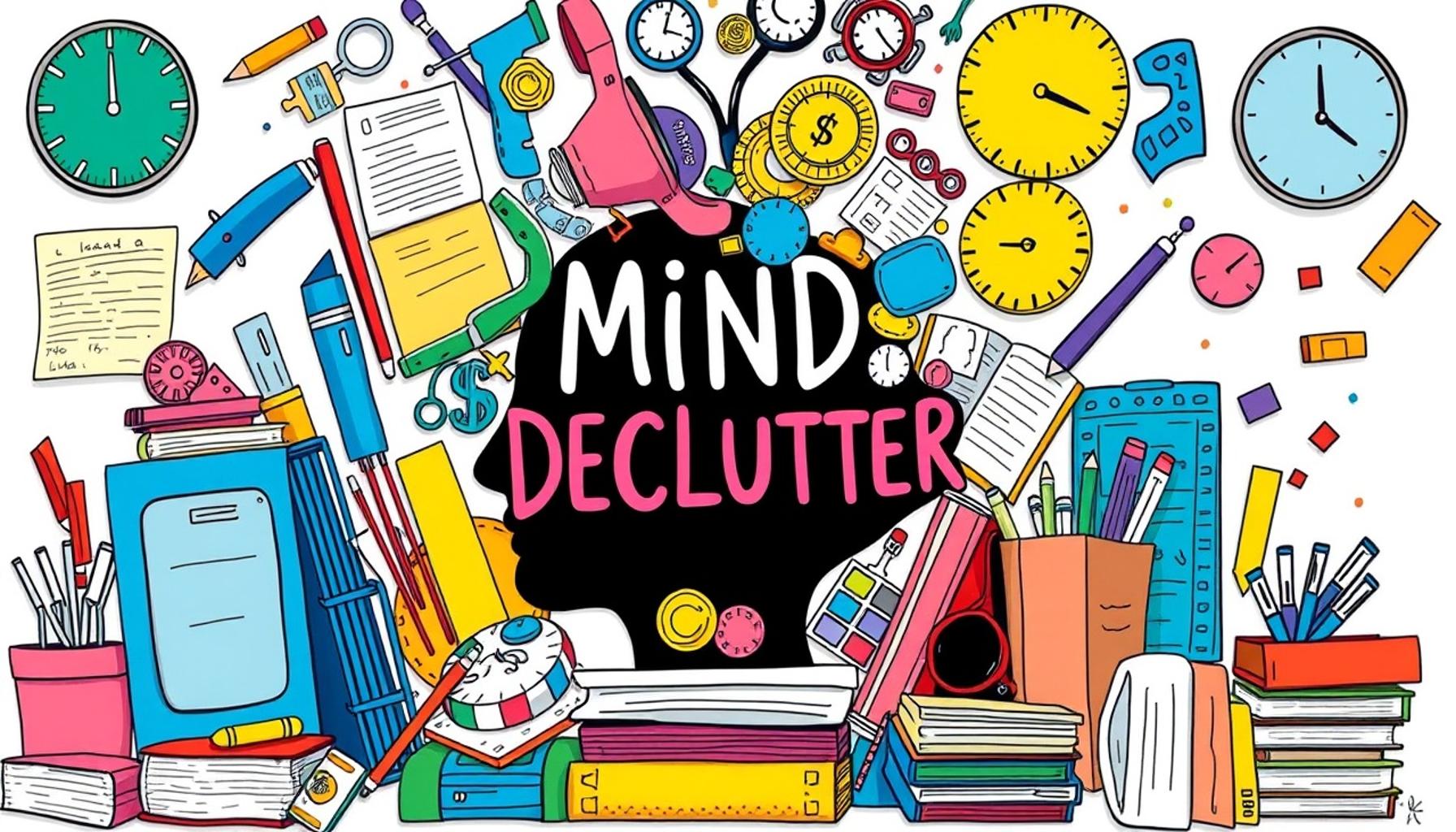
How the Elimination of Mental Distractors Enhances the Practice of Minimalism

Discovering the Power of Focus
In a world filled with relentless information and constant notifications, the significance of mental clarity becomes paramount. Understanding how to eliminate mental distractors is crucial for anyone aspiring to the principles of minimalism. When distractions are cast aside, the pathway to a more intentional and fulfilling life reveals itself.
Understanding Mental Distractors
Mental distractors can manifest in various forms, including:
- Social media notifications
- Overlapping commitments
- Multitasking
These distractions clutter our minds, obscuring our ability to concentrate on what truly matters and undermining a minimalist lifestyle. For instance, consider social media notifications. A 2021 study revealed that the average American checks their phone around 96 times per day, with social media alerts being a significant source of these checks. Each notification can disrupt your train of thought, pulling your attention away from more profound tasks or creative efforts.
Similarly, overlapping commitments create a cycle of stress and procrastination. When we have too many obligations, our minds race between responsibilities, leaving little room for deeper reflection or focused work. A common example is rushing between meetings—while we strive to be productive, our ability to think critically often suffers as a result.
Multitasking, touted as a modern skill, can instead be a trap. Research has shown that multitaskers might feel productive in the moment, yet they often produce lower quality work and take longer to complete tasks. This habit complicates our mental processes, making it even more challenging to embrace a minimalist lifestyle where focus and intention play vital roles.
Benefits of Eliminating Distractions
The transition to minimalism is not solely about physical possessions; it’s also about creating mental space. By diminishing distractions, individuals can:
- Enhance productivity and creativity
- Improve decision-making abilities
- Foster deeper connections with oneself and others
As a result, the commitment to mental clarity can lead to newfound opportunities for personal growth. For example, when you streamline your day by eliminating unnecessary distractions, you may discover that you have time for new hobbies or passions that align with your values. Engaging in a focused creative project can lead to breakthroughs in thought and innovation, opening doors you never knew existed.
Moreover, clearer decision-making promotes a sense of empowerment. When your mind isn’t bogged down by clutter, making choices becomes easier and more aligned with your personal and professional aspirations. This, in turn, strengthens your relationships, allowing you to connect with others on a deeper level, as you become more present and attentive during conversations.
Embracing a Minimalist Mindset
As the journey unfolds, embracing minimalism through the lens of mental focus sets the stage for a satisfying lifestyle. Techniques such as time blocking for uninterrupted work periods, digital detoxes to reduce social media exposure, or even mindfulness meditation can significantly minimize distractions. Each of these practices encourages a more focused mindset, promoting clarity and intentionality in everyday life.
Ultimately, the journey towards mental clarity and minimalism is personal and unique. As you navigate through the process, exploring strategies to minimize distractions will undoubtedly lead to profound changes. Whether it’s spending more time reading, engaging in meaningful conversations, or pursuing personal goals, such improvements enrich every aspect of life, paving the way for a more fulfilled, intentional existence.
DISCOVER MORE: Click here to dive deeper
Identifying and Addressing Mental Clutter
To truly embrace minimalism, one must first understand the nature of mental distractions. Identifying these sources of clutter is essential for cultivating a focused mind and enhancing productivity. Mental distractors can come from external stimuli, like the incessant buzzing of a smartphone, or internal factors, such as anxiety about future commitments. Recognizing this distinction is critical for anyone serious about living a minimalist lifestyle.
External distractions are often loud and intrusive. For instance, the average American spends over two hours each day on social media platforms, a habit that can overshadow more meaningful activities. Notifications from these platforms can easily derail concentration, causing momentary lapses in focus that accumulate over time. According to research by the American Psychological Association, frequent interruptions can lead to a significant decrease in productivity, often resulting in extended completion times for tasks.
Internal distractions, on the other hand, stem from our thoughts and emotions. This includes the nagging worry about obligations or past decisions that linger in our minds. A cluttered mental space can lead to overwhelm, making it challenging to prioritize tasks in alignment with minimalist principles. A report from the National Institute of Mental Health indicates that nearly one in five adults experiences anxiety disorders, suggesting that many individuals might struggle with mental noise that must be quieted for effective minimalism.
Strategies for Mental Focus
To mitigate these mental distractors, adopting effective strategies becomes imperative. Here are several actionable techniques that can help in achieving mental clarity:
- Digital Detox: Taking scheduled breaks from all digital devices can lessen the noise of notifications and allow individuals to focus on their immediate surroundings or tasks.
- Mindfulness Meditation: Practicing mindfulness can help in training the mind to remain present. Even a few minutes of daily meditation can enhance calmness and concentration.
- Setting Boundaries: Clearly defining work hours and leisure time can minimize the feeling of being overwhelmed by overlapping commitments.
- Prioritizing Tasks: Creating a hierarchy of tasks can clarify what needs immediate attention, moving away from the chaos of multitasking.
Implementing these strategies fosters a more deliberate approach to daily life. As individuals begin to notice their level of focus improving, they may find themselves with more time and energy to devote to the things that genuinely resonate with their minimalist ideals. The remarkable transformation in mental clarity brought forth through these practices is not merely an added benefit but a cornerstone of a minimalist lifestyle.
By committing to a more focused existence, we open the door to cultivating deeper connections and pursuing passions that align with our values. The journey to minimalism is thus not only about reducing physical clutter but also about clearing the mind—creating space for intentional living.
How the Elimination of Mental Distractors Enhances the Practice of Minimalism
In today’s fast-paced digital world, distractions are ubiquitous. From social media notifications to constant news alerts, these mental interruptions can significantly detract from our capacity to focus on what truly matters. When it comes to minimalism, the concept emphasizes simplicity and clarity, but achieving this state is often obstructed by overwhelming stimuli.
Eliminating these mental distractors can lead to profound benefits not only in our physical environments but also in our mental spaces. By consciously removing or reducing distractions, individuals pave the way for enhanced focus, allowing for more intentional actions and decisions. This reinforces the core principles of minimalism — simplicity, mindfulness, and purpose.
Imagine waking up in a serene space devoid of clutter, where one can enjoy a cup of coffee without the intrusion of a smartphone. This is where the philosophy of minimalism shines. Engaging in such mindful rituals without distractions leads to a calmer mind and a more reflective approach to life.
Moreover, studies have shown that a cluttered mind can lead to increased stress and anxiety. Hence, by creating a distraction-free zone, whether physically or mentally, one can significantly decrease stress levels and enhance personal well-being. Mental clarity fosters creativity and productivity, enabling individuals to pursue projects and passions with renewed vigor.
To delve deeper into how less truly is more, many practitioners of minimalism advocate for regular digital detoxes, which involves stepping away from the incessant clamor of notifications and deadlines. This cultivation of silence is integral to sharpening one’s focus. Thus, by embracing minimalism at a mental level, individuals can align their daily practices with their long-term goals.
| Category | Advantages of Mental Clarity |
|---|---|
| Focus Enhancement | Eliminating distractions allows individuals to concentrate better on meaningful tasks, leading to improved productivity. |
| Increased Creativity | A clear mind fosters creative thinking by allowing individuals to explore ideas without the interference of external demands. |
By harnessing these benefits of mental clarity, individuals not only amplify their efforts toward practicing minimalism but also enrich their overall quality of life. Pursuing a minimalist lifestyle, free from the weight of distractions, can lead to greater fulfillment and a deeper sense of peace.
DISCOVER MORE: Click here to uncover minimalism in your outdoor spaces
The Connection Between Mental Clarity and Minimalist Living
Embracing a minimalist lifestyle requires more than just decluttering physical belongings; it demands clear thinking and mental tranquility. The act of eliminating mental distractors not only creates an environment conducive to focus but also fundamentally reshapes how individuals interact with their world. Numerous studies have highlighted the positive effects of mental clarity, particularly in enhancing creativity and decision-making, both central tenets of minimalism.
For example, a study published in the journal Cognitive Science suggests that individuals with less mental clutter can think more creatively, as they are free to explore new ideas without the burden of overwhelming thoughts. This resonates with the minimalist philosophy of stripping away the superfluous to focus on what genuinely matters. As we shed distractions like extraneous commitments and unnecessary possessions, our ability to engage in creative activities, such as art, writing, or problem-solving, flourishes.
Attention and Intention
Moreover, focused attention aids in bolstering intention and purpose. Minimalism is largely about making intentional choices—whether regarding what to keep in one’s home or how to allocate time and energy. Psychological research shows that people who practice focused attention techniques, like meditation, experience heightened levels of concentration and improved decision-making, enabling them to act in accordance with their minimalist goals.
This intentionality can also translate to prioritizing activities that enrich life, steering clear of distractions that falter personal values. For example, individuals may choose to engage in community service or pursue hobbies that foster personal growth rather than defaulting to time-consuming digital engagements that add little value. Embracing such choices is vital in the journey of minimalism, as studies indicate that engaging in meaningful activities leads to greater overall happiness and satisfaction.
Impact of Decluttering the Mind
Moreover, mental decluttering can have tangible health benefits. Research from the Mayo Clinic has shown that individuals with lower levels of mental distress often enjoy better physical health, demonstrating a significant correlation between mental well-being and general health. The reduction of mental distractors through mindfulness and intentional living can yield reduced stress levels, lower blood pressure, and improved immune function—benefits that further enhance one’s capacity to engage in a minimalist lifestyle.
As people cultivate mental clarity, they can more easily identify what truly adds value to their lives. This clear vision allows for more meaningful interactions with loved ones and leads to the nurturing of relationships that are based on mutual understanding and support. The cultivation of such authentic connections can serve as a buffer against the loneliness often exacerbated by the mental noise of modern life.
By fostering this mindset of awareness and focus, individuals are better equipped to make lifestyle adjustments that contribute to their minimalist goals. The interplay of mental clarity and purposeful living illustrates how the elimination of mental distractions is not merely an act of reducing noise; it is a profound journey toward enhancing life’s quality, fostering deeper engagement with the world, and living with intention.
DON’T MISS: Click here for expert tips on cabinet organization
Conclusion
In summary, the journey of minimalism transcends mere physical decluttering; it is intrinsically linked to the elimination of mental distractors that cloud our minds. By prioritizing mental clarity and conscious living, individuals can cultivate an enriched lifestyle that aligns closely with their values and aspirations. This holistic approach enhances creativity, sharpens decision-making, and nurtures deeper, more meaningful relationships. The synergy between mental tranquility and minimalist practices not only fosters personal growth but also translates into tangible health benefits, reinforcing the interconnectedness of mind and body.
As we navigate an increasingly complex world, embracing minimalist principles may serve as a pathway to reclaim control over our mental landscapes. By shedding distractions both material and mental, we create space for intentional choices that uplift our well-being and align our lives with what truly matters. Additionally, engaging in activities that resonate with our passions offers a sense of fulfillment that goes beyond the superficial possessions of modern life.
Ultimately, the adoption of minimalism through the lens of mental decluttering can lead to a transformative experience, one that not only simplifies our surroundings but elevates our overall quality of life. By understanding the profound impact of reducing mental noise, we empower ourselves to embark on a journey that emphasizes clarity, purpose, and authentic engagement with the world around us. As more individuals seek mental peace amidst chaos, the practice of minimalism holds the potential to inspire an entire movement toward intentional living, inviting us to savor the essence of what it means to truly live.
Related posts:
Mind Declutter: Cultivating Gratitude as a Way to Simplify the Mind and Life
Mind Declutter: The Connection Between Mental Health and Minimalism
The connection between Mind Declutter and creativity: freeing the mind for new ideas
How the practice of Mind Declutter can improve your daily productivity
The relationship between Mind Declutter and anxiety reduction in a minimalist world
Mind Declutter in the Digital Era: How to Manage Information and Reduce Mental Overload