
Mind Declutter: The Connection between a Clean Mind and Organized Physical Spaces
The Power of Clarity
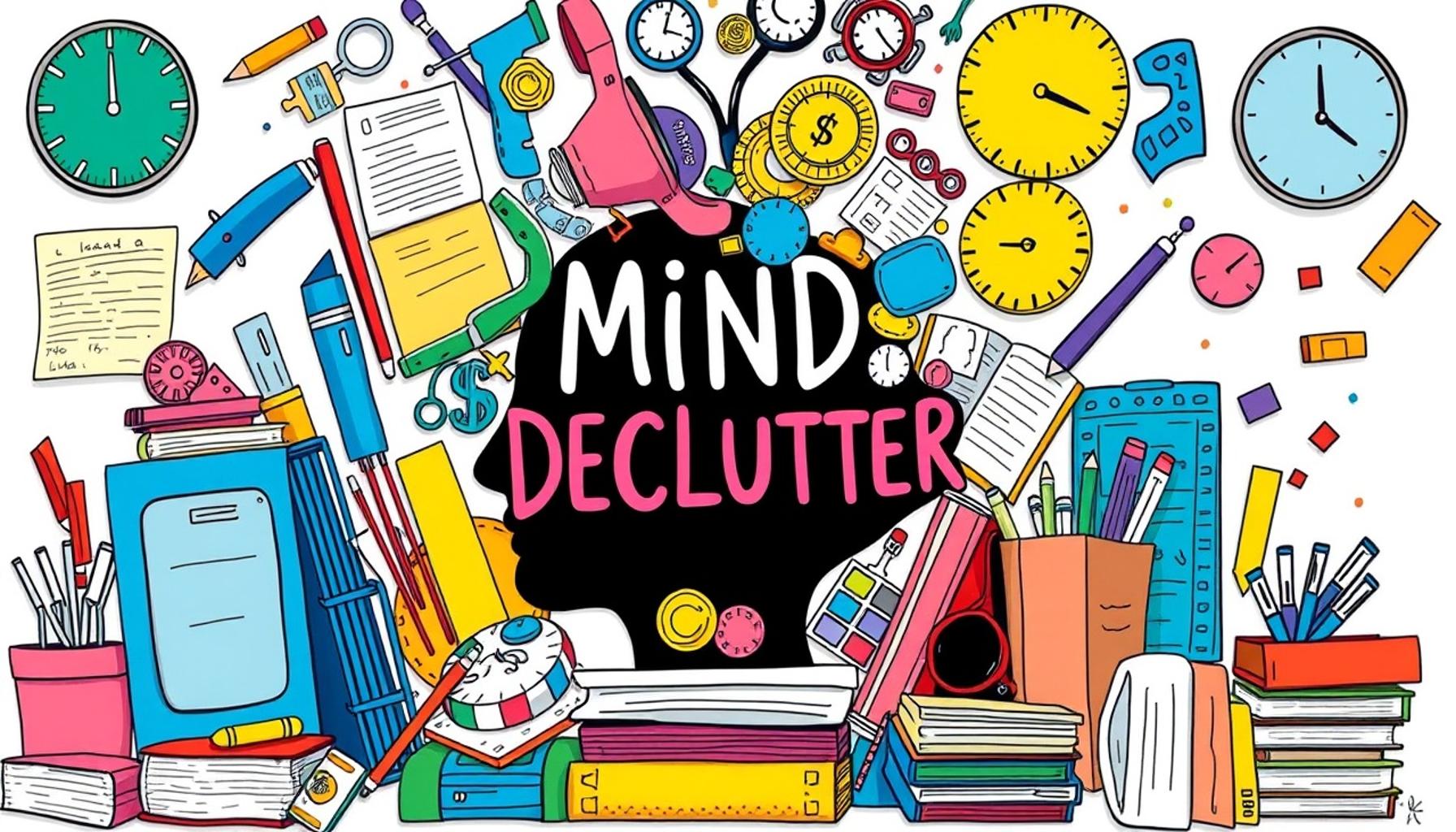
In today’s fast-paced world, mental clutter is a common hurdle for many. As the demands of daily life pile up, our minds can feel as chaotic as our surroundings. But what if a clean physical space could lead to a cleaner mind? The relationship between our environment and mental well-being is profound, and understanding it can lead to transformative changes in our lives.
Understanding the Connection
Research suggests a strong link between our environments and mental states. Consider the following:
- Decreased Stress: An organized space can effectively reduce feelings of anxiety. A study by the Princeton Neuroscience Institute found that clutter can overwhelm the brain, leading to increased distraction and stress. In contrast, a tidy environment can create a peaceful atmosphere, allowing individuals to manage their stress levels more effectively.
- Enhanced Focus: A tidy environment enables better concentration and productivity. For instance, a 2017 study published in the Journal of Organizational Behavior indicated that employees working in organized spaces experienced improved focus and task completion rates. This suggests that keeping one’s workspace orderly can have tangible benefits for performance.
- Boosted Creativity: Clarity in physical surroundings often sparks new ideas and inspiration. Creative professionals, such as artists and writers, have long recognized that a serene and organized space can enhance their imaginative processes. When distractions fade away, the mind can roam free, leading to innovative thoughts and solutions.
When we declutter our minds, we can better organize our physical spaces. This symphony of organization leads to improved well-being, making room for growth and positive thoughts.
Exploring Practical Tips
Individuals can enhance their lives by initiating simple changes, such as:
- Creating a designated workspace free from distractions. This can be as simple as a quiet corner in one’s home or a specific desk at the office. Personalizing this space can make it inviting and conducive to productivity.
- Implementing daily tidying rituals to avoid overwhelming clutter. Establishing a routine that includes spending a few minutes each day organizing belongings can maintain a clean environment and prevent chaos from building up.
- Practicing mindfulness to clear mental pathways for better decision-making. Techniques such as meditation, focused breathing, or even short walks can help center thoughts and reduce mental noise.
Join us as we delve deeper into the transformative effects of a decluttered mind and an organized space, setting the stage for an enriched and focused life. By embracing these principles, it becomes evident that clarity is not merely a nice-to-have; it is essential for navigating the complexities of modern living and achieving personal and professional goals.
DISCOVER MORE: Click here to enhance your productivity
The Ripple Effect of Clean Spaces
The idea that a clean environment fosters mental clarity is not merely anecdotal; it is grounded in science. When we are surrounded by order, our brains can function with greater efficiency. This connection has led to numerous studies exploring how decluttering both physical spaces and mental states can enhance overall well-being. Let’s delve deeper into the mechanisms at play and the practical applications that can yield remarkable improvements in daily life.
The Science of Clutter
Understanding how clutter affects us is essential in comprehending the significance of a clean space. The psychological impact of clutter can manifest in numerous ways. Research has shown that a disorderly environment can lead to higher levels of cortisol, the stress hormone, in individuals. This chronic state of stress can impair cognitive function and lead to overwhelming feelings of anxiety. A study published in the Journal of Environmental Psychology found that individuals in organized environments reported a greater sense of control and satisfaction in their daily activities.
In contrast, when we declutter, we allow our minds to breathe and focus on what truly matters. Not only does a clean space promote serenity, but it also has the potential to transform our mental approach to challenges. Consequently, people often report feeling more energized and motivated after organizing their surroundings.
Positive Changes from a Decluttered Mind
Incorporating practices that encourage physical organization can result in positive transformations in our mental landscapes. Here are several benefits that arise from embracing a decluttered mind paired with an organized space:
- Increased Productivity: By creating an organized physical space, you can streamline your thought processes, allowing for a sharper focus on tasks at hand. When distractions are minimized, the subsequent uptick in productivity is often stark.
- Improved Emotional Well-being: An organized environment can cultivate a sense of peace and well-being. This effect can lead to lower levels of frustration and heightened feelings of accomplishment, which can culminate in a more nurturing emotional state.
- Better Decision-Making: With a clearer mind, decisions can be made more efficiently. Removing chaos from our surroundings allows us to think critically and engage in more thoughtful problem-solving.
Moreover, maintaining decluttered spaces extends beyond just homes or workspaces; it influences our lives holistically. When we consciously choose to eliminate clutter, we are not just tidying our surroundings; we are also sculpting a lifestyle that encourages mindfulness and intentionality. This symbiotic relationship renders the process of decluttering an enlightening journey toward greater well-being.
As we explore these principles further, it is vital to remember that the act of decluttering is not a one-time endeavor but a continuous practice. By committing to this lifestyle, you will find an inherent harmony between mind and space, paving the way for newfound clarity and productivity in every facet of your life.
Mind Declutter: The Connection between a Clean Mind and Organized Physical Spaces
The relationship between our mental state and our physical environment is profound. A cluttered space often reflects a cluttered mind, leading to increased stress and decreased productivity. In this section, we will delve into various aspects that highlight the significance of maintaining an organized space to foster a clearer mindset.
One primary aspect of this connection is mental clarity. When your surroundings are tidy, it can significantly improve your focus and enhance creativity. A study conducted by the Princeton University Neuroscience Institute found that people working in cluttered environments had a harder time focusing on tasks compared to those in organized workspaces. This finding underscores the importance of establishing order in both your physical and mental spaces.
An additional aspect to consider is the psychological benefits associated with decluttering. Organizing your space can provide a sense of accomplishment, which can be uplifting and motivate you to tackle other challenges in your life. The act of decluttering activates positive feelings, allowing individuals to experience a better mood and a greater sense of well-being.
Moreover, understanding the principles of minimalism may be beneficial. Minimalism emphasizes the quality of possessions over quantity, encouraging individuals to let go of items that no longer serve a purpose. This principle not only aids in creating a cleaner space but also promotes deeper connections with the items that matter most, reducing distraction and enhancing mental peace.
Lastly, the practice of regular mindfulness meditation in a clean space can help strengthen this connection. Meditation encourages a focus on the present moment, which can be much easier in an uncluttered environment. By combining these practices, individuals can achieve both an organized physical space and a peaceful mind.
| Category 1 | Category 2 |
|---|---|
| Mental Clarity | Organized spaces enhance focus and creativity. |
| Psychological Benefits | Decluttering improves mood and boosts motivation. |
| Minimalism Principles | Fosters deeper connections with meaningful items. |
| Mindfulness Practices | Meditation benefits from an uncluttered environment. |
By recognizing these connections, individuals can take actionable steps toward achieving both a clean mind and organized physical spaces, resulting in a more fulfilling and productive life.
DISCOVER MORE: Click here to learn effective strategies
Creating a Sustainable Decluttering Practice
While understanding the benefits of a decluttered mind and space is essential, implementing a sustainable practice is where the challenge often lies. A clean environment doesn’t result from a one-time effort; rather, it requires a commitment to continuously evaluate and refine our surroundings. This ongoing process not only keeps physical spaces organized but also reinforces a clear and focused mind.
Strategies for Effective Decluttering
Several techniques can be utilized to enhance the effectiveness of your decluttering routine, making it easier to maintain an organized lifestyle:
- The Five-Second Rule: Taking immediate action on tasks can prevent clutter from accumulating. When faced with a decision, count to five; a quick action can prevent items from becoming clutter while keeping your space tidy.
- The Four-Box Method: Set out four boxes labeled: “Keep,” “Donate,” “Trash,” and “Relocate.” This technique allows a systematic approach to sorting belongings, making the decluttering process more manageable and less overwhelming.
- Scheduled Decluttering Sessions: Dedicate specific times each week or month to tackle different areas of your home or workspace. By segmenting the decluttering process, you create bite-sized tasks that are easier to accomplish without feeling burdened.
Engagement with these practices not only transforms physical spaces but also encourages a mindset centered on organization and mindfulness. The discipline of maintaining a decluttered space becomes a reflection of a decluttered mind, reinforcing positive habits that contribute to improved daily functioning.
The Role of Minimalism
Minimalism has emerged as a popular lifestyle choice, emphasizing the value of living with less. This philosophy highlights a crucial connection between a clean mind and organized physical spaces, promoting the idea that true fulfillment comes not from material possessions but from experiences and relationships. Embracing minimalism can motivate individuals to reassess their possessions and prioritize what brings true joy and purpose.
In the United States, this minimalist wave has inspired trends in home organization, such as Marie Kondo’s “KonMari Method,” which encourages individuals to only keep items that “spark joy.” This approach helps cultivate emotional clarity and reduces mental noise while promoting sustainable practices that further a decluttered lifestyle.
Technology as a Double-Edged Sword
In today’s digital age, technology plays a dual role in decluttering our minds and spaces. While it can contribute to mental overload through excessive notifications and information, it can also provide valuable tools for organization. Apps dedicated to project management, to-do lists, and habit tracking can simplify the process of monitoring tasks and obligations.
However, it is vital to remain vigilant about digital clutter, as a disorganized digital environment can mirror physical chaos. Taking time to organize files, delete unnecessary emails, and manage online subscriptions can help maintain a balanced digital space, ultimately contributing to a clearer mental state.
A comprehensive approach to decluttering—one that addresses physical, emotional, and digital spaces—enhances overall well-being. As individuals delve into these strategies and philosophies, the symbiotic relationship between a clean mind and organized physical spaces becomes increasingly evident. By engaging thoughtfully in this process, every individual can cultivate an atmosphere that nurtures focus, creativity, and fulfillment.
DISCOVER MORE: Click here for tips on decluttering your mind
Conclusion
In the bustling landscape of modern life, the importance of mind decluttering can hardly be overstated. The intricate relationship between a clean mind and organized physical spaces reveals that our surroundings significantly affect our mental well-being. By actively engaging in decluttering practices, from implementing the Five-Second Rule to embracing the principles of minimalism, we can foster environments that not only alleviate stress but also enhance our focus and productivity.
Moreover, as we navigate the complexities of technological advancements, it’s crucial to maintain awareness of both physical and digital clutter. A harmonious environment—whether of tangible belongings or online data—encourages clarity, creativity, and emotional balance. This holistic approach to decluttering, encompassing our homes, workplaces, and digital spaces, can transform our day-to-day experiences into ones that are more fulfilling and purpose-driven.
As we continue to explore innovative strategies and philosophies around mind decluttering, such as Marie Kondo’s impactful teachings, it’s essential to remember that this journey is personal and ongoing. While cultivating a decluttered lifestyle requires dedication and intention, the rewards are manifold. Embracing this journey can lead to a profound shift in perspective, highlighting that true fulfillment stems from our experiences and connections, rather than the accumulation of possessions. Ultimately, by prioritizing both mental and physical organization, we pave the way for a more harmonious and enriched life.
Related posts:
Mind Declutter: Cultivating Gratitude as a Way to Simplify the Mind and Life
How the Elimination of Mental Distractors Enhances the Practice of Minimalism
Mind Declutter: The Role of Meditation in Simplifying Minimalist Living
Mind Declutter: Techniques to Simplify Your Mind and Increase Focus
The connection between Mind Declutter and creativity: freeing the mind for new ideas
Mind Declutter: How Mental Organization Can Transform Your Minimalist Lifestyle