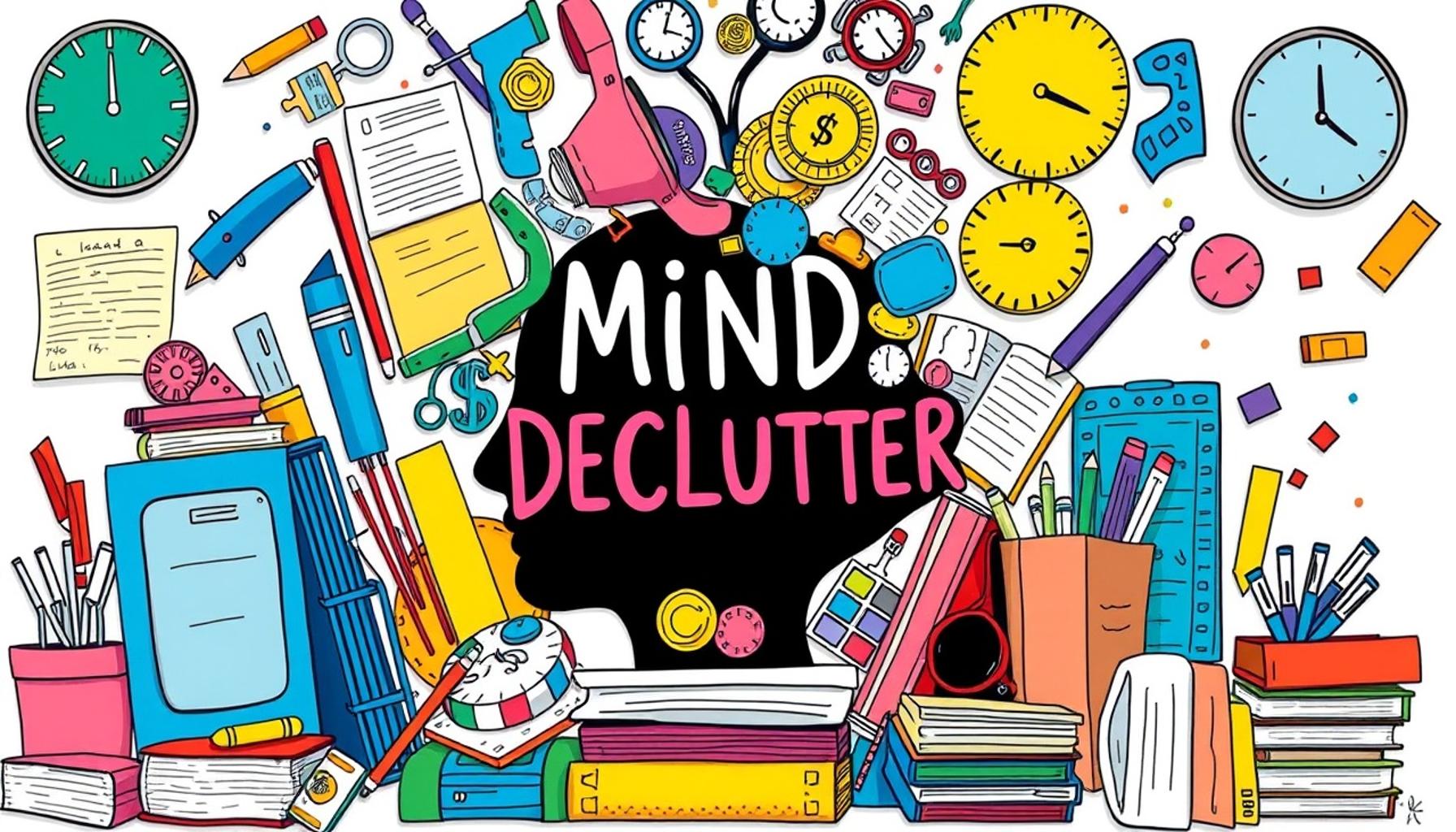
Mind Declutter and the Art of Saying No: How to Eliminate Mental Overloads

Every day, millions of Americans navigate a whirlwind of responsibilities, decisions, and social commitments. This constant barrage often leads to mental overload, where the mind becomes cluttered and overwhelmed. The good news? There are effective strategies to reclaim mental clarity and focus.
Understanding Mental Clutter
Mental clutter encompasses the myriad of thoughts and obligations that swirl through our minds, often leaving us feeling distracted and unfocused. It can stem from several sources that infiltrate our daily lives, contributing to this chaos. Common sources include:
- Work-related tasks: The demands of deadlines, meetings, and ongoing projects can create a continuous mental loop of stress and anxiety.
- Social obligations: Feeling pressured to attend social functions, family gatherings, or community events often adds another layer to our mental load.
- Family responsibilities: From managing children’s schedules to caring for aging parents, these obligations can weigh heavily on our minds.
The Importance of Saying No
One powerful tool in the arsenal against mental clutter is the art of saying no. This often challenging skill can yield significant benefits, such as:
- Reducing stress and anxiety: By declining additional commitments that do not align with your priorities, you create mental space to focus on what truly matters.
- Enhancing focus and productivity: With fewer distractions, you can dedicate more time and energy to your most important tasks, leading to higher quality work.
- Creating space for personal priorities: When you say no, you allow yourself to engage in activities that bring joy and fulfillment, fostering a sense of balance in your life.
Learning to prioritize what truly matters is essential for a healthy mental state. For instance, an employee who finds themselves overwhelmed by their workload may benefit from discussing their boundaries with their supervisor, expressing the need to focus on quality over quantity. In personal life, a busy parent might choose to skip a social event in order to spend quality time with their child. These decisions can lead to a more organized and peaceful mind.
As we explore additional techniques to eliminate mental overloads, consider mindfulness practices such as meditation or journaling. These methods can ground you in the present moment, reducing the incessant chatter of racing thoughts. Embracing strategic habits can ultimately lead to a more focused mind, better equipped to handle the inevitable challenges of everyday life. By taking these steps, we not only enhance our personal well-being, but also become more present for those around us, making a positive impact on our communities.
DISCOVER MORE: Click here to gain insights
Recognizing the Signs of Mental Overload
Before implementing strategies to declutter your mind, it is essential to recognize the signs of mental overload. Individuals may experience a range of symptoms that signal the presence of excessive mental clutter. Understanding these signs can be the first step towards regaining control and clarity. Here are some common indicators:
- Inability to concentrate: You might find it challenging to focus on tasks for extended periods, leading to decreased productivity.
- Chronic fatigue: Feeling constantly tired, even after a full night’s sleep, can indicate that your mind is overloaded.
- Heightened anxiety: If you experience an increase in feelings of worry or panic, it may be a sign that your responsibilities are weighing you down.
- Overwhelming sense of stress: Stress can manifest in various ways, including headaches, irritability, or a general feeling of distress.
- Difficulty making decisions: When faced with mental clutter, people often find themselves second-guessing choices or struggling to prioritize tasks.
Identifying these symptoms is crucial, as they serve as a warning that it is time to take action against mental overload. Once you recognize the signs, the importance of developing a routine that incorporates mind declutter techniques becomes paramount. This process often starts with the ability to say no—a skill that many find difficult but immensely valuable.
Understanding the Psychology Behind Saying No
The psychological aspect of saying no is significant; it involves setting boundaries and prioritizing your mental well-being. For many, the fear of disappointing others or missing out leads to an overwhelming schedule filled with obligations that may not serve their true interests. Delving deeper into this psychology reveals the following key factors:
- Fear of rejection: People may equate saying no with being unkind or risking relationships, preventing them from prioritizing their own needs.
- Societal pressure: Our culture often glorifies busyness, leading individuals to feel as though they must constantly occupy their time with tasks and commitments.
- Perfectionism: Those striving for a flawless image may struggle to turn down requests, believing they must meet every expectation placed upon them.
These psychological barriers can be significant obstacles in the journey towards mental clarity. However, recognizing these challenges is the first step to overcoming them. By addressing the motivations behind your reluctance to say no, you can begin to practice asserting your own needs and priorities more effectively.
As we further explore practical strategies for saying no, it’s crucial to understand that doing so does not mean disregarding others’ needs but rather affirming your own. Penning down your personal priorities and setting clear boundaries will enable you to create a balanced life, ultimately leading to a streamlined mind free from unnecessary clutter.
| Category | Benefits |
|---|---|
| Stress Reduction | Eliminating mental clutter leads to a calmer mind and lower anxiety levels, allowing for clearer thought processes. |
| Improved Focus | By mastering the art of saying no, individuals can concentrate better on tasks that truly matter, boosting productivity and efficiency. |
| Enhanced Decision-Making | With a decluttered mind, decisions become easier and more instinctive, as mental overload is significantly reduced. |
| Emotional Well-being | Saying no fosters a sense of autonomy, leading to greater emotional stability and self-esteem, while prioritizing personal values. |
The practice of mind decluttering alongside learning to say no empowers individuals to reclaim control over their mental space. As you engage with these beneficial practices, consider how they can influence your life. Such techniques not only foster resilience against stress but also enhance the overall quality of your interactions. The more clearly you define your priorities, the easier it becomes to navigate decisions that align with your goals. In this way, implementing these concepts can significantly reduce the noise of modern life and promote a more fulfilling experience.
DISCOVER MORE: Click here to dive deeper
Practical Techniques for Saying No
Now that we have explored the psychological limitations behind saying no, it’s time to empower you with practical techniques that will help you navigate the often tricky waters of self-assertion. These techniques are simple yet powerful, and integrating them into your daily interactions can significantly reduce mental overload.
1. The 30-Second Rule
When faced with a request, take a moment to pause before responding. Applying the 30-second rule can help you gain perspective. Instead of feeling rushed to answer on the spot, use this brief window to assess the situation. Ask yourself: “Does this align with my priorities? Will it add value to my life?” This practice not only reduces impulsivity but also gives you the chance to respond thoughtfully.
2. Offer Alternatives
One of the most effective ways to say no without feeling guilty is to offer an alternative. For instance, if a colleague asks for your help on a project that overwhelms you, consider suggesting another team member who might be better suited for the task. This approach preserves relationships while freeing you from the burden of additional commitments.
3. Practice Assertive Communication
Saying no does not require an apology or excessive justification. Clear and assertive communication is vital. Using phrases like “I appreciate your request, but I cannot take on that responsibility at this time,” sends a clear message. This straightforwardness ensures that your reasons are respected, aiding you in eliminating mental overload.
4. Prioritize Your Time
Engaging in effective time management practices can create a natural barrier against unwanted commitments. Utilizing tools like digital planners or project management apps can help you visualize your schedule. Once you see how full your calendar is, it becomes easier to say no to requests that threaten to push you over the edge.
5. Develop a Personal Mantra
Creating a personal mantra can serve as a powerful reminder of your intention to declutter your mind. It could be something simple like, “My time is valuable, and so am I,” or “Less is more; I choose quality over quantity.” Reciting this mantra can foster confidence, especially when faced with the temptation to overcommit.
6. Reflect on Your Values
It’s crucial to identify and reflect on your core values when making decisions. Whether it’s family, health, or personal growth, knowing what truly matters to you will make it easier to say no to things that don’t serve your purpose. By aligning requests with your values, you can effectively filter out what is necessary and what can be respectfully declined.
By implementing these strategic techniques into your life, you can begin to cultivate a habit of saying no that enhances your mental clarity. These skills not only contribute to personal well-being but also foster a culture of respect and understanding in your interpersonal relationships.
Leveraging Support Systems
Lastly, don’t underestimate the power of enlisting support from friends or colleagues who understand your journey. Share your goals related to mind decluttering and the art of saying no with them, and they can help hold you accountable. Having a support system can make it easier to maintain your boundaries, keeping you aligned with your mental well-being objectives.
DISCOVER MORE: Click here to learn about mind declutter and anxiety reduction
Conclusion
In a world inundated with constant demands and distractions, mastering the art of saying no is not merely a skill, but a necessary instrument for mind decluttering. Embracing this practice can help you regain control over your mental space, while allowing you to prioritize what truly matters in your life. By thoughtfully implementing techniques such as the 30-second rule, assertive communication, and reflecting on your core values, you can create a sustainable framework for maintaining balance and clarity.
Moreover, cultivating personal mantras and utilizing effective time management tools equips you with the confidence and organizational skills needed to set boundaries without guilt. This shift not only enhances your personal well-being but also fosters healthier relationships, as others will appreciate your honesty and respect your limits.
Consider viewing each encounter as an opportunity to practice and refine your ability to say no. Remember, it is okay to lean on support systems for encouragement and accountability on this journey. Ultimately, as you become more adept at navigating your commitments, you will find that saying no can lead to a life enriched by meaningful engagements, diminished mental overload, and a heightened sense of achievement.
As you embark on this journey towards a decluttered mind and a balanced life, keep in mind that the ability to say no is a form of empowerment. It allows you to focus on what truly fulfills you and brings joy, making it an essential element in achieving mental peace and overall well-being.
Related posts:
How the Practice of Mind Declutter Can Boost Your Creativity in Minimalism
Mind Declutter and Stress Reduction: Creating Space for Clarity and Inner Peace
Effective Techniques to Clear the Mind and Increase Productivity
Mind Declutter and its Implications for Mental Health: How Mental Simplicity Promotes Well-Being
Mind Declutter in the Digital Era: How to Manage Information and Reduce Mental Overload
How the practice of Mind Declutter can improve your daily productivity