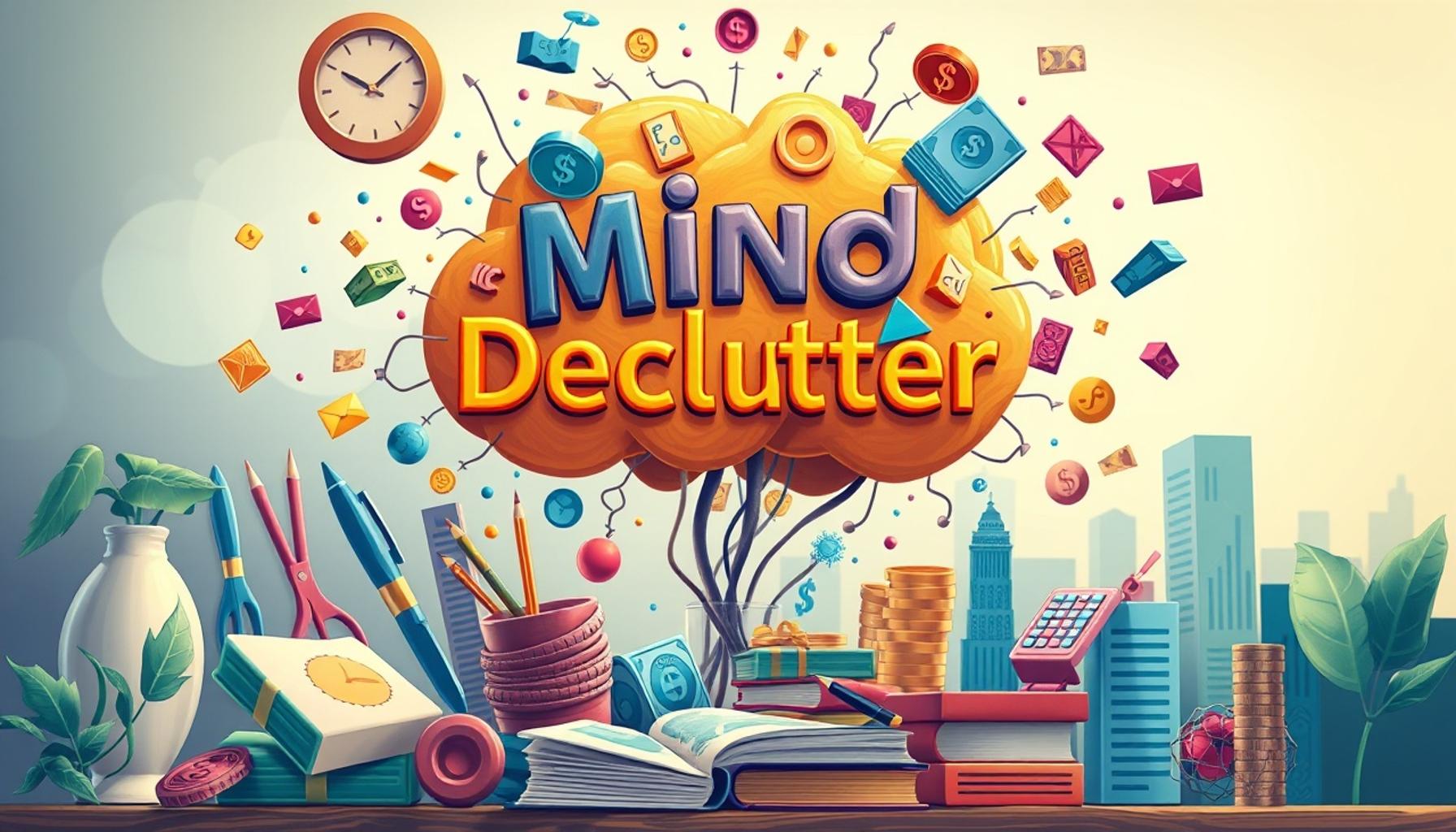
Mind Declutter: The Connection Between Mental Health and Minimalism
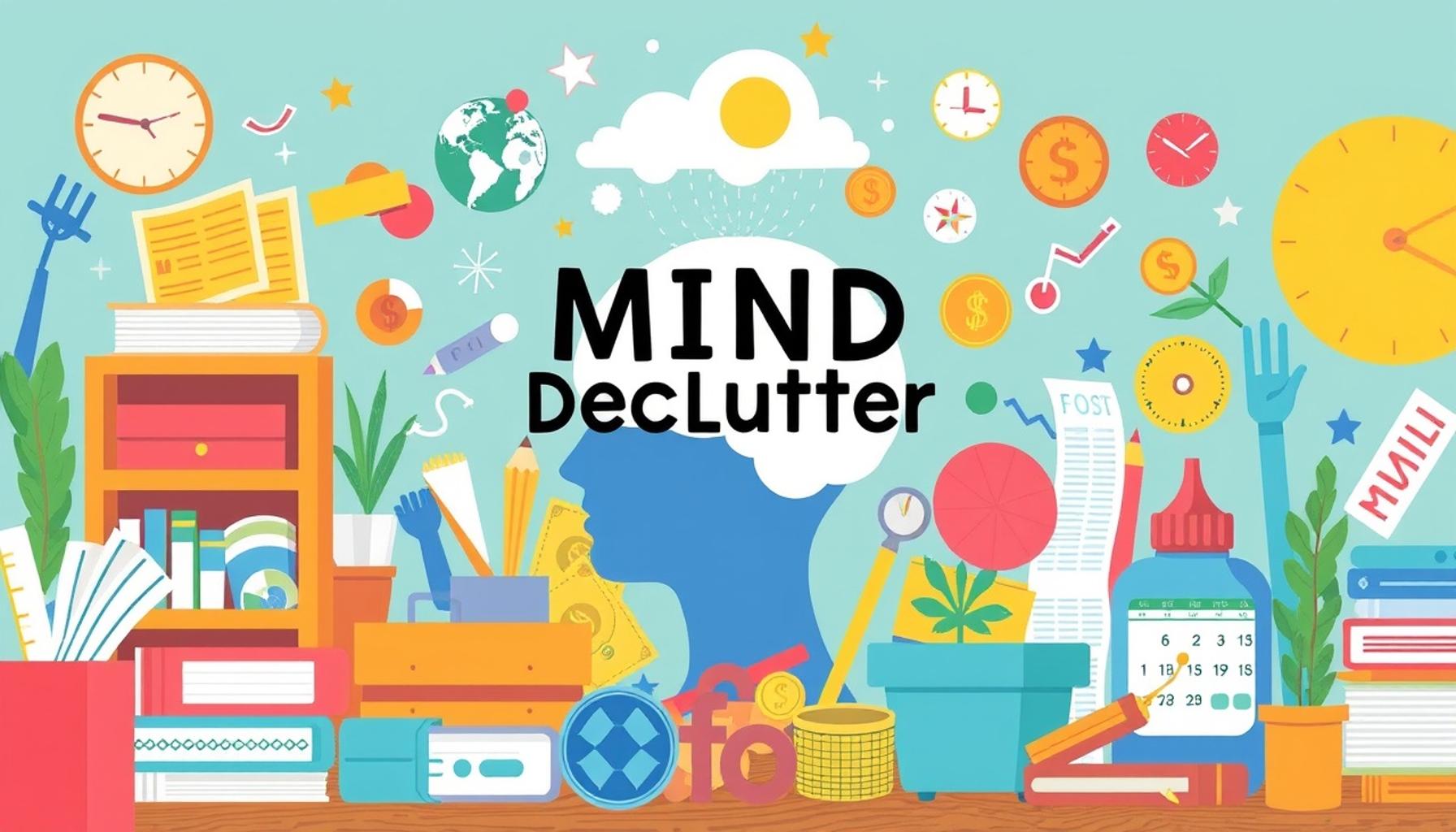
Exploring the Benefits of Minimalism for Mental Well-Being
In today’s fast-paced world, mental health is a growing concern for many across the United States. As our lives become increasingly cluttered, the desire for a clear mind has led to a rise in the minimalist lifestyle. But what exactly is the connection between mental health and minimalism?
Minimalism advocates for less: less stuff, less noise, and ultimately, less stress. It encourages individuals to focus on what truly matters, fostering a sense of peace and clarity. This shift towards simplicity goes beyond just aesthetics; it carries profound implications for our mental wellness. Here are some key aspects of minimalism that can contribute to improved mental well-being:
- Decluttering Physical Space: A tidy environment can lead to a more organized mind. Research shows that physical clutter can overwhelm the brain, making it difficult to focus and negatively impacting our productivity. When one utilizes minimalism to declutter their home, they often find that their mental state improves as they create a serene, inviting space.
- Reducing Decision Fatigue: Fewer possessions mean less mental energy spent on choices. In a consumer-driven society, we often face a barrage of decisions, from what to wear to what to buy. Streamlining our belongings minimizes distractions and helps us allocate more cognitive resources to essential decisions, enhancing clarity and focus.
- Promoting Mindfulness: Minimalism encourages being present and appreciating the moment. Engaging in mindfulness practices, such as meditation or conscious breathing, aligns perfectly with a minimalist lifestyle. By cultivating a state of awareness, individuals are more capable of managing stress and fostering gratitude, significantly improving overall mental health.
Embracing minimalism does not mean sacrificing quality of life. Instead, it prompts individuals to rethink their priorities and gain insights into their emotional health. For example, many people report that by eliminating unnecessary items from their lives, they make space for relationships, experiences, and passions that they value. This reallocation of time and resources leads to a more fulfilling existence.
In this journey towards mental clarity, it is vital to consider the concept of mind declutter. Just as one organizes physical surroundings, it is equally important to clear the mental space. Practices such as journaling, digital detoxes, and focusing on positive affirmations contribute significantly to this endeavor.
Furthermore, adopting a minimalist lifestyle encourages a greater appreciation for nature and simple joys that many of us overlook. Whether it’s enjoying a peaceful walk in a local park or relishing a cup of coffee without distractions, these small moments can enrich our lives, enhancing our emotional resilience.
Join us as we uncover strategies, benefits, and expert insights that reveal how decluttering the mind can lead to a healthier, more balanced life. By understanding minimalism’s profound effect on mental clarity, individuals can empower themselves to cultivate a calmer, more purposeful existence filled with meaning and vitality.
DISCOVER MORE: Click here to gain clarity and inner peace
The Impact of Physical Clutter on Mental Clarity
The relationship between our physical environment and mental health is more intertwined than many might realize. Numerous studies indicate that our surroundings can have a profound impact on our emotional and psychological well-being. For instance, a study published in the journal Personality and Social Psychology Bulletin found that individuals living in cluttered homes experienced increased levels of stress, frustration, and fatigue compared to those in tidier environments. This suggests that physical clutter can lead to mental overload, complicating our ability to focus and make decisions.
When one embarks on a journey towards minimalism, the primary goal often begins with decluttering space. The process involves evaluating possessions and determining what truly brings joy or serves a necessity. The practice of letting go not only declutters the home but can also initiate a profound psychological shift. Participants in minimalism often report experiencing a sense of liberation and emotional unburdening; the act of removing excess can feel like shedding a layer of stress. The newfound organization fosters a cleaner, clearer environment that enables better mental focus.
- Enhanced Focus: Without visual distractions prevalent in cluttered spaces, individuals find it easier to concentrate on the tasks at hand. For example, students who study in organized environments often perform better academically due to improved focus and reduced anxiety.
- Increased Productivity: Minimalist principles encourage efficiency, which significantly boosts productivity. A clean desk promotes a clear mind, enabling employees to accomplish more in their workday with reduced interruptions from unnecessary items.
- Better Mood: The act of maintaining a decluttered lifestyle has been linked to higher levels of happiness. Being surrounded by fewer things means individuals often feel more in control, leading to greater satisfaction and contentment in daily life.
Let’s consider the typical scenario of tackling a cluttered home. As individuals engage in the process of sorting through belongings, they often stumble upon sentimental items previously forgotten. This reflection not only serves as a cathartic experience but can also ignite memories associated with happiness, reaffirming the importance of meaningful connections over material possessions. In this way, minimalism prompts an emotional inventory, a necessary step that can foster improved mental health.
Additionally, the relevance of a digital declutter is growing alongside the physical aspects of minimalism. In a world increasingly dominated by screens and technology, managing digital clutter has become paramount. Notifications, emails, and countless social media feeds can inflate our mental load and distract from real-life interactions. By simplifying digital lives through fewer apps and organized information, individuals can significantly enhance their mental clarity and sense of peace.
Understanding the connection between minimalism and mental well-being is essential in the pursuit of a balanced life. As many Americans continue to face challenges with anxiety and stress, the principles of minimalism offer practical solutions that create not only a serene environment but also a more centered and fulfilled mental state. The journey to mental clarity may very well start with the tangible act of decluttering, shaping a path towards emotional and psychological wellness.
| Advantage | Description |
|---|---|
| Reduced Anxiety | Embracing minimalism can lead to a significant decrease in anxiety levels. By eliminating physical clutter, individuals often experience a calmer and more focused mind. |
| Enhanced Focus | A decluttered space promotes better concentration. Fewer distractions allow individuals to put their energies toward productive activities, improving mental clarity. |
Exploring the intricate relationship between mental health and minimalism reveals that embracing a less complicated lifestyle can foster emotional well-being. Studies indicate that maintaining a simplified environment can help individuals establish a healthier mindset. By reducing excess, people can often find joy in the essentials, leading to a more fulfilling life experience.Moreover, minimalism goes hand in hand with mindfulness practices. When one prioritizes presence and intention, the ability to appreciate small moments increases. Individuals who adapt a minimalist philosophy often report a feeling of liberation, where they are not mentally weighed down by unnecessary possessions or distractions. This liberating feeling can further propel one’s journey towards better mental health, offering not just peace but also clarity. Overall, creating a mental declutter aligns closely with establishing a holistic approach to well-being, where both physical and emotional facets are harmoniously integrated.
DIVE DEEPER: Click here to discover how simplicity can enhance your well-being
The Psychological Benefits of Embracing Minimalism
In addition to the immediate effects of physical decluttering, the longer-term psychological benefits of embracing a minimalist lifestyle can contribute significantly to enhanced mental health. The philosophy of minimalism extends beyond just tangible possessions; it encompasses a holistic approach to life, encouraging individuals to prioritize what truly matters. This shift in mindset can foster resilience, clarity, and personal growth.
One notable aspect of minimalism is its profound influence on creating mindful habits. As individuals strive to reduce the chaos around them, they often begin to cultivate mindfulness in their daily routines. By focusing on fewer, more meaningful activities, people become more present and aware, facilitating a deeper connection with their surroundings. Mindfulness has been shown to reduce symptoms of anxiety and depression, making it an essential component of a mental health strategy.
Consider, for instance, the practice of intentional living, which is rooted in minimalism. Individuals drawn to this lifestyle often commit to spending their time and resources on activities that align with their core values, such as spending quality time with family or engaging in hobbies that ignite passion. In turn, this focused approach contributes to a greater sense of fulfillment and purpose, reducing feelings of emptiness and isolation. A study from the American Psychological Association highlighted that individuals engaged in purposeful activities had improved mental health and well-being.
- Reduced Decision Fatigue: With fewer choices to make regarding possessions or lifestyle, individuals experience less decision fatigue, allowing for more cognitive resources to be allocated to essential tasks. Enhanced decision-making capabilities contribute directly to improved mental clarity and overall well-being.
- Enhanced Emotional Resilience: By developing a mindset that values quality over quantity, individuals learn to cope better with life’s uncertainties. The attachment to material items often dissipates, paving the way for emotional resilience and adaptability in the face of challenges.
- Stronger Relationships: Minimalism encourages individuals to cherish quality relationships over the accumulation of things. By focusing on meaningful interactions, individuals experience increased social support, which is vital for mental health and combating feelings of loneliness.
For many, minimalism acts as a powerful antidote to the pressures of consumerism that characterize modern American life. The incessant bombardment of advertisements and social media influences can lead to a false sense of inadequacy if one does not keep up with consumer trends. Adopting a minimalist approach allows individuals to step back, rejecting external pressures and redefining success on their own terms.
Moreover, the financial aspect of minimalism cannot be overlooked. Reduced spending habits often accompany minimalism, which alleviates financial stress—a major contributor to anxiety and mental health issues. The practice of budgeting and prioritizing expenditure fosters a sense of control over one’s financial situation, further promoting peace of mind.
In parallel with these benefits, community engagement plays a crucial role in the minimalist journey. Many minimalists find solace in sharing their experiences through social media, local workshops, or support groups aimed at embracing simpler living. This sense of community fosters connection and accountability, reinforcing the psychological perks of minimalism.
The potential for improved mental clarity through minimalism is not merely anecdotal—research supports this ideology. A study from the National Institutes of Health revealed that individuals who maintained a minimalist lifestyle reported lower levels of mental distress and higher life satisfaction compared to those who embraced a more consumer-driven lifestyle. These findings underline the tangible benefits of embracing a mindset that favors simplicity and intentionality in life.
DIVE DEEPER: Click here to discover more
Conclusion
The journey towards a minimalist lifestyle is profoundly intertwined with improvements in mental health. As individuals simplify their surroundings, they embrace a powerful strategy to reclaim not only physical space but also mental clarity. This connection highlights how mind decluttering can lead to reduced stress, anxiety, and feelings of loneliness, while simultaneously fostering emotional resilience through the intentional prioritization of relationships and experiences.
Moreover, the practice of minimalism empowers individuals to engage in mindful habits, reducing decision fatigue and enhancing overall well-being. As studies illustrate, those who adopt minimalist principles regularly report lower levels of mental distress and experience heightened life satisfaction. The financial relief gained through reduced consumption further alleviates common sources of anxiety, presenting a compelling case for minimalism as a holistic approach to mental health.
As we navigate the complexities of modern life, it becomes increasingly essential to challenge the societal narratives that equate success with material accumulation. Instead, a focus on quality and intention can reignite a sense of purpose and fulfillment. Thus, those looking to improve their mental health might consider minimalism not just as a lifestyle choice, but as a pathway to greater emotional well-being and personal growth.
For anyone intrigued by the transformative power of minimalism, exploring resources, joining communities, and implementing small changes can yield significant rewards. The mind’s decluttered landscape promises not only a serene sanctuary but also the potential for a more meaningful and enriched life.
Related posts:
How the practice of Mind Declutter can improve your daily productivity
Mind Declutter and the Importance of Reflective Writing to Organize Thoughts and Emotions
Mind Declutter: How Mental Organization Can Transform Your Minimalist Lifestyle
The Role of Meditation in Mind Declutter: Strategies for Mental Minimalism
Mind Declutter: Techniques to Simplify Your Mind and Increase Focus
Mind Declutter: Tools and Techniques to Simplify Your Mind and Daily Life