
The Influence of Workspace Customization on Creativity and Motivation
The physical environment in which we work can profoundly affect our creativity and motivation. Studies show that a personalized workspace not only enhances productivity but also inspires innovative thinking. When individuals have a say in how their surroundings look and feel, the potential for creativity flourishes.
Research—such as findings from the Hawthorne Studies—demonstrates that environments tailored to the preferences of employees significantly boost their engagement and performance. This optimization can take various forms, from color schemes to furniture arrangement. Consider these key elements of workspace customization:
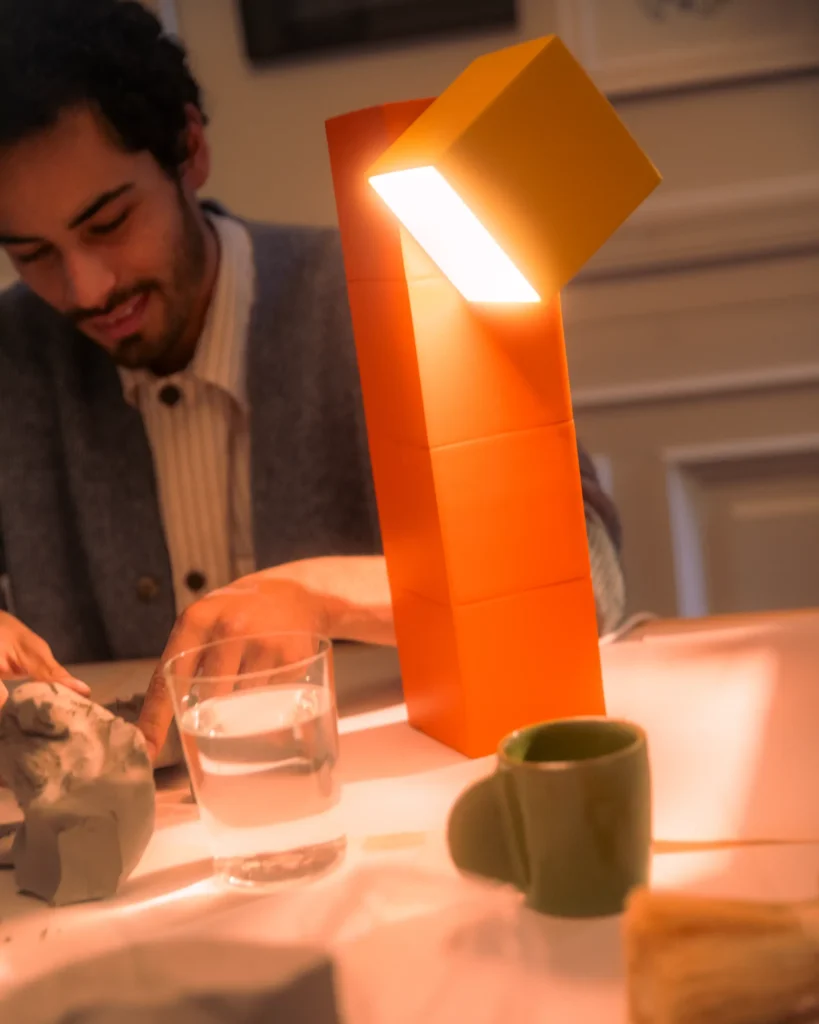
- Color Schemes: Colors can influence mood and energy levels. Warm tones like orange and yellow stimulate creativity by promoting a sense of warmth and happiness, while cool tones like blue and green provide calmness that fosters focus. A well-chosen color palette can invigorate a space or create a calming sanctuary, directly impacting the innovativeness of the thought process.
- Personal Touches: Adding personal items—photos, art, or motivational quotes—can boost morale and create a sense of ownership over the workspace. For example, a small shelf displaying travel souvenirs or family pictures can evoke positive memories, igniting a spark of inspiration when faced with challenges. These personal artifacts can transform a generic office into a unique reflection of one’s identity.
- Functional Layouts: Ergonomic furniture, such as adjustable desks and supportive chairs, paired with a well-thought-out layout, promotes comfort and efficiency, reducing distractions. Creating designated areas for collaboration or solitary tasks can help delineate responsibilities and encourage focused work sessions, tailored to how one best interacts with projects.
Furthermore, customization can extend to factors such as lighting and technology integration. Harnessing the natural light from windows has been shown to enhance mood and energy, while customizable artificial lighting can help adjust the atmosphere according to the time of day or task at hand. Comfortable temperature settings also play a critical role in maintaining alertness and can lead to increased focus.
The ability to adjust layout and tools to fit personal workflows, such as utilizing dual monitors or specific software, can lead to profound insights and breakthroughs in creativity. In fact, companies like Google and Facebook are well-known for providing flexible environments that promote dynamic collaboration among their employees, leading to innovative products and solutions.
Ultimately, creating a workspace that resonates with individual preferences fosters a deeper connection to tasks and drives motivation. By recognizing that a customized workspace isn’t merely a matter of aesthetics but of psychological and emotional engagement, organizations can begin to see the profound relationship between environment and output. Embracing these changes can lead not just to improved productivity, but to a more enjoyable work experience overall, resulting in happier, more engaged employees.
DISCOVER MORE: Click here to enhance your productivity
Elements of a Customizable Workspace that Foster Creativity and Motivation
In today’s fast-paced work environment, the need for a workspace that not only supports productivity but also enhances creativity and motivation is paramount. Many organizations are beginning to recognize that a one-size-fits-all approach to office design is no longer sufficient, as different individuals thrive under various conditions. By creating a customizable workspace, companies can facilitate a creative atmosphere that encourages innovative thinking and sustained motivation. Here are several critical elements that contribute to this transformative process:
- Natural Elements: Incorporating plants and natural materials into the workspace can significantly elevate mood and cognitive performance. Research published by the University of Exeter suggests that the presence of greenery can boost productivity by up to 15%. Integrating biophilic design principles—like having large windows for natural light or creating an indoor garden—can foster a sense of connection with nature, which, in turn, nurtures creativity.
- Flexible Spaces: Work environments that allow for adaptability in how they are used can be immensely beneficial. Spaces that morph from quiet zones to collaborative hubs can cater to various working styles. For instance, using movable furniture or modular wall systems enables teams to create setups that suit different projects, promoting teamwork and innovation. This flexibility helps keep monotony at bay, which is essential for maintaining motivation.
- Technology Integration: The rise of remote work has highlighted the importance of seamless technology integration in the workspace. Access to tools like video conferencing software, cloud storage, and collaborative platforms enables greater flexibility and communication. Customizing workstations with the right technology not only streamlines tasks but also opens up new avenues for creative problem-solving, as individuals can easily share ideas and resources.
Moreover, the concept of acoustic design cannot be overlooked in customizing a workspace. Sound levels directly influence concentration and creativity; therefore, implementing sound-absorbing materials or designated quiet areas can significantly enhance focus. Employees are more likely to experience bursts of creative thought when they are not overwhelmed by distracting noises. In addition to visual and physical customization, auditory considerations are essential for holistic workspace design.
Lastly, considering the importance of community and collaboration in a customizable workspace is critical for stimulating creativity. Designing areas that facilitate social interaction, such as lounges or coffee zones, allows employees to share ideas and brainstorm solutions in a relaxed setting. Connections made through informal conversations can lead to innovative concepts that might not have surfaced during structured meetings. An inviting environment encourages open dialogue and experimentation, fostering a culture where creativity can thrive.
In summary, the customization of workspaces has emerged as a crucial factor for organizations aiming to enhance creativity and motivation. By paying attention to elements such as natural light, flexible arrangements, and technology integration, companies can create environments that empower employees to unleash their full creative potential, leading not just to increased productivity, but also to a more dynamic and enjoyable work experience.
As we delve deeper into the significance of customizing the workspace to boost creativity and motivation, it is crucial to understand the psychology behind a personalized environment. A workspace that reflects an individual’s personality can significantly enhance their emotional connection to the tasks at hand. Studies indicate that when employees have the freedom to personalize their area, it fosters a sense of ownership and pride, which is directly linked to increased productivity.Moreover, incorporating elements such as color psychology can play a pivotal role in stimulating creativity. For example, vibrant colors like yellow and green are known to evoke feelings of happiness and increase focus. Likewise, comfortable furniture and ergonomic layouts not only promote physical well-being but also allow for more spontaneous collaboration and brainstorming sessions. These factors contribute to an overall positive atmosphere, encouraging individuals to engage with their work more readily and innovate.Additionally, configuring a workspace to include varying zones such as collaborative spaces, quiet zones, and creative nooks supports diverse working styles. This adaptability caters to different teams and tasks, reducing monotony and encouraging new ideas to flourish. When employees can switch environments based on their needs, it not only breaks the routine but also enhances cognitive flexibility, leading to greater problem-solving capabilities.Furthermore, integrating natural elements like plants or natural light can significantly impact mental clarity and overall well-being. Nature-inspired designs have been shown to reduce stress and improve concentration, enabling individuals to think creatively and remain motivated throughout their workdays. By understanding these elements and leveraging them creatively, organizations can craft a workspace that not only inspires innovation but also revolves around the well-being of its users, ultimately cultivating a rich culture of creativity and motivation.To encapsulate the advantages of customizing workspaces in a structured format, consider the following table, which outlines pertinent categories and their implications for stimulating creativity and motivation:
| Advantages | Implications |
|---|---|
| Personalization | Fosters emotional connection; promotes ownership |
| Color Psychology | Influences mood and focus; enhances creativity |
| Flexible Work Zones | Accommodates diverse working styles; stimulates collaboration |
| Natural Elements | Reduces stress; enhances concentration and motivation |
DIVE DEEPER: Click here to learn how to stay motivated
Creating a Personalized Workspace Experience
An integral part of stimulating creativity and motivation lies in allowing employees to design their own workspaces according to their preferences. The concept of personalization has emerged as a pivotal trend in workplace customization, as it empowers individuals to create an environment that reflects their unique style and facilitates their best work. When employees have the autonomy to choose personal elements such as desk layout, decorations, and even the colors surrounding them, they cultivate a deeper emotional connection to their workspace, which can lead to heightened motivation and creative output.
One significant aspect of personalization is the selection of artwork and decor. Research suggests that personalized spaces can trigger positive emotions, which enhance creative thinking. Employees who display photographs, artwork, or memorabilia that resonate with them are likely to feel more comfortable, inspired, and energized. For instance, a recent study found that colors like blue and yellow can evoke feelings of calmness and enthusiasm, respectively. Integrating these colors into personalized workspaces can help boost creativity and keep motivation levels high throughout the day.
Moreover, embracing ergonomics in workspace customization cannot be overlooked. Ergonomically designed furniture tailored to individual needs supports physical health, which is a vital precursor to effective creativity. Adjustable desks, supportive chairs, and personalized keyboard setups reduce discomfort and fatigue, allowing employees to focus more on their creative tasks. According to the Occupational Safety and Health Administration (OSHA), improperly designed workstations can lead to decreased productivity and reduced job satisfaction. Hence, investing in ergonomic solutions underscores the value organizations place on employee well-being, which directly translates to enhanced motivation and creativity.
Incorporating Color Psychology
The psychological impact of color in workplace design plays a crucial role in influencing creativity and motivation. Companies that incorporate color psychology into their customizable workspaces can enhance productivity. For example, shades of green can inspire calmness and focus, while reds can energize and motivate. The key is to strike a balance; spaces that are too vibrant may lead to overstimulation, while dull colors may contribute to feelings of stagnation. Thoughtfully selecting color schemes that complement the tasks employees engage in can significantly enhance their overall performance. Additionally, adaptable room lighting that can shift in hue and intensity throughout the day further complements this concept, allowing employees to optimize their environment for creativity and focus.
Encouraging Playfulness
Beyond aesthetics and ergonomics, the physical environment of the workplace can be enhanced through the incorporation of elements of playfulness. Features such as game areas, breakout spaces with fun seating options, or creativity-driven areas with whiteboards and art supplies can encourage spontaneous brainstorming and collaboration. Google’s campuses serve as a prime example of this trend, showcasing engagement through playful design elements. A workplace that embraces playfulness signals to employees that creativity is not just welcome but celebrated. It invites them to think outside the box and pursue unconventional solutions to everyday challenges.
Ultimately, the true potential of a customizable workspace unfolds through a holistic approach, where personal preferences, ergonomic considerations, color psychology, and playful elements converge to create a stimulating environment. Companies dedicated to this model embody the understanding that a tailored workspace not only cultivates creativity but also enhances motivation—a win-win situation that can foster long-term organizational success.
DIVE DEEPER: Click here to learn about workplace ergonomics
Conclusion: The Power of a Customized Workspace
In conclusion, the journey toward maximizing creativity and motivation in the workplace begins with a dedicated focus on customization. As we’ve explored, the personalization of workspaces enables employees to cultivate an environment that resonates with their individuality, resulting in increased emotional investment and productivity. By selecting personal artwork and decor, integrating thoughtful color psychology, and employing ergonomic solutions, organizations can significantly enhance their employees’ work experiences, ultimately leading to greater creative output.
Moreover, the incorporation of playfulness in workspace design creates an atmosphere that celebrates innovation. Employers should continue to promote flexibility and adaptability, allowing for varied interactions and collaborative opportunities. Companies that recognize and implement these essential elements are not merely enhancing employee satisfaction; they are investing in a potent catalyst for success—one that can redefine not only the workplace culture but also drive long-term organizational achievement.
As organizations look to the future, they must embrace this holistic approach to workspace customization. In doing so, they acknowledge that every detail—from layout and color to amenities and collaborative spaces—plays a role in fostering an inspired and motivated workforce. With the right strategies in place, businesses can unlock the full potential of their teams, leading to groundbreaking ideas and innovative solutions that thrive in a world that increasingly values creativity.
Related posts:
The Importance of Ergonomics in Workplace Organization
The Importance of Zoning in the Workplace to Increase Productivity
Maximizing Space: Organization Strategies for Small Home Offices
The Influence of Colors and Textures on Workplace Organization and Its Impact on Productivity
Digital Tools for Managing Workspace Organization and Increasing Productivity
How Minimalism Can Transform Your Workspace and Increase Focus

Linda Carter is a writer and productivity and personal organization specialist focused on helping readers build better routines, manage their time, and stay on top of daily priorities. With experience covering practical planning methods, habit-building strategies, and tools for organization, Linda shares actionable guidance on our platform. Her goal is to empower readers with clear, realistic tips to work smarter, reduce overwhelm, and stay consistent over time.