
Harnessing Creativity and Productivity with Visual Organization
In today’s fast-paced world, maximizing creativity and efficiency has never been more crucial. How we arrange our workspace significantly impacts our ability to think clearly and work effectively. A visual organization system serves as a vital tool for enhancing both individual performance and collaborative efforts by transforming conventional work areas into vibrant hubs of inspiration and productivity.
The implementation of a visual organization system involves several essential elements that cater to various working styles and preferences. Notably, here are key aspects worth considering:
- Color Coding: By employing a color-coded system for tasks and materials, you can instantly identify what requires attention. For instance, using red for urgent tasks, green for completed items, and blue for ongoing projects allows you to scan your workspace and prioritize effectively. This simple yet effective strategy can help alleviate the stress of seeking crucial items in an often chaotic environment.
- Visual Boards: Incorporating corkboards or whiteboards provides a canvas for visual thinking. Displaying timelines, project outlines, or brainstorming ideas encourages collaboration and participation. For example, Agile teams often utilize Kanban boards to track work progress visually, which can enhance communication and accountability within the group.
- Labeling: A well-organized space is synonymous with clearly labeled storage solutions. Labels not only minimize clutter but also help maintain order over time. For instance, using labeled bins or folders in a filing system allows anyone to find documents quickly, reducing wasted time and increasing focus on more creative tasks.
Moreover, a robust visual organization system can significantly enhance team collaboration. When projects, deadlines, and responsibilities are laid out for everyone to see, it nurtures a culture of ownership and transparency. For instance, a common project chart can help team members understand how their roles interconnect, potentially sparking innovative solutions to challenges. Such shared visibility contributes to a more engaged work atmosphere that fuels creative breakthroughs and streamlined workflows.
As you explore effective strategies for developing a visual organization system, it’s important to remember that the ultimate goal is to create a workspace that fosters both creativity and productivity. Embracing this approach not only simplifies daily tasks but also cultivates an environment where ideas flourish and innovation thrives. With the right tools and techniques, you can reshape your workspace and reimagine your creative potential.
DIVE DEEPER: Click here to discover helpful tools
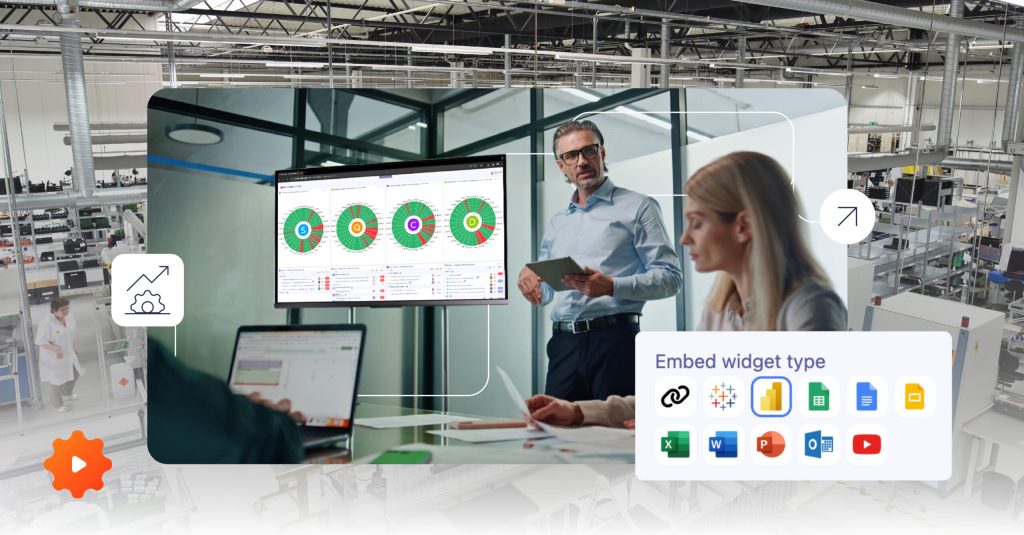
Essential Strategies for Implementing a Visual Organization System
Creating a successful visual organization system in the workplace involves a blend of creativity, planning, and practicality. As you embark on this endeavor, consider the following actionable strategies that can elevate your workspace into a powerhouse of creativity and productivity:
- Incorporate Natural Elements: Bringing elements of nature into your workspace can spark creativity and enhance mood. Studies have shown that exposure to plants can reduce stress and improve concentration. Consider adding succulents, small potted plants, or even flowers to your desk. Not only do they offer aesthetic appeal, but they also serve as a reminder of the outside world, fostering a sense of positivity.
- Use Visual Timelines: Timelines are an excellent way to track project progress and deadlines visually. You can create a large wall calendar or chart where team members can add their tasks and milestones. This not only keeps everyone informed but also creates a motivating visual reference that encourages accountability and teamwork.
- Personalize Your Space: Encourage creativity by allowing individuals to express their personal styles. Customizing workspaces with visual elements like art, motivational quotes, or personalized wall art can enhance their comfort and stimulate innovative thinking. A workspace that reflects personal identity can lead to increased job satisfaction and productivity.
The key to fostering a truly productive environment lies in the harmony of these elements. For instance, when team members interact with personalized spaces adorned with natural elements and visual timelines, it creates a shared experience that can propel creative collaboration. Moreover, incorporating a range of visual tools caters to both visual learners and verbal communicators, optimizing engagement during brainstorming sessions.
As you weave together various components of your visual organization system, keep in mind the importance of flexibility. Workspaces should allow for easy rearrangement of elements to adapt to specific tasks or projects. Consider using mobile organizers or movable whiteboards that can be shifted around for team discussions or creative brainstorming. This adaptability fosters an environment where inspiration can strike at any moment, making it easier for ideas to flow freely.
Through effective implementation of these strategies, anyone can initiate a visual organization system that is tailored to their unique work style and preferences. By investing the time and effort to create a workspace that is both visually appealing and functional, you nurture an environment where creativity thrives, productivity skyrockets, and collaborative efforts reach new heights.
Implementing the Visual Organization System
Creating a successful visual organization system begins with a clear understanding of your workspace and the types of tasks you engage in daily. Start by assessing the spatial dynamics of your workspace. Identify areas that can benefit from organization, such as your desk, storage spaces, or even the digital workspace. Consider categorizing your tools and resources according to their functions or projects, allowing you to streamline your workflow.Next, utilize visual aids such as color coding, labels, and diagrams to organize these categories. For instance, a designated color for each project can drastically improve your ability to find necessary materials at a glance. Visual cues can serve as reminders, minimize clutter, and foster an environment conducive to creativity. Additionally, the implementation of mind-mapping techniques can provide a visual representation of brainstorming sessions, leading to better idea generation.
The Role of Digital Tools
In today’s tech-driven environment, a visual organization system isn’t limited to physical spaces. Integrating digital tools can enhance your organization efforts. Consider using project management software that allows for visual boards, like Trello or Asana, which offer a drag-and-drop interface for managing tasks visually. These platforms enable users to assign deadlines, categorize tasks, and track progress, leading to increased accountability and motivation.Visualization apps such as Miro or Lucidchart can aid in creating diagrams and flowcharts that clarify processes and ideas. Engaging with these digital tools not only supports productivity but also enhances the collaborative efforts if you’re working within a team setting. With everyone on the same visual page, tasks become more manageable and the team dynamic improves.
Maintaining Your Visual Organization System
Establishing a visual organization system requires maintenance to ensure its long-lasting effectiveness. Regularly review your system as part of your workflow, making adjustments as necessary. Schedule periodic clean-ups to declutter both your physical and digital spaces, discarding what no longer serves a purpose. Engaging in this reflective practice not only boosts productivity but also reinvigorates your workspace with fresh perspectives.Teach yourself to stay disciplined about adhering to your organization strategies. The benefits will translate into a more inspiriting work environment, encouraging creativity and facilitating seamless transitions between various tasks. The end goal is to create a workspace that visually represents your processes, helping you work smarter rather than harder.
| Category | Advantages |
|---|---|
| Visual Clarity | Enhances the ability to identify tasks and tools quickly. |
| Increased Creativity | A well-organized space fosters innovative thinking. |
| Improved Productivity | Streamlined processes lead to more efficient task completion. |
| Team Collaboration | Visual systems enhance teamwork by providing clarity. |
DISCOVER MORE: Click here to learn how your environment impacts productivity
Engaging Visual Tools and Techniques
To further enhance the effectiveness of your visual organization system, integrating specific tools and techniques can significantly contribute to creativity and productivity. These assets not only serve to strengthen organization but also act as powerful facilitators of interaction and inspiration within the workspace.
- Color-Coded Systems: Color can have a profound psychological impact on mood and efficiency. Implementing a color-coded system for files, documents, or task assignments can streamline processes and enhance visual clarity. For instance, use red for urgent tasks, green for completed projects, and blue for ongoing discussions. This method not only aids in quick identification but also adds a layer of energy to the workspace, promoting dynamic productivity.
- Visual Boards for Ideas: Consider setting up brainstorming boards, also known as idea boards, in communal areas. These can be cork boards, whiteboards, or even digital platforms like Trello or Miro. By allowing team members to visually share and expand on ideas in real time, you create a collaborative atmosphere that encourages spontaneous creativity. The act of physically moving ideas around can stimulate new perspectives and innovations.
- Infographics and Mind Maps: Utilizing infographics and mind mapping techniques can help simplify complex information visually. Mind maps, for example, can facilitate a clearer understanding of projects, showcasing connections between different components at a glance. This clarity enhances problem-solving abilities and helps teams remain aligned on objectives, as well as fostering greater creativity through visual storytelling.
Another aspect to consider is the integration of digital tools that align with traditional physical organizational systems. Software such as Asana, Notion, or Microsoft Planner allows for visual management of tasks and projects, enhancing collaborative efforts in real-time while keeping everyone on the same page. These platforms can complement physical systems for those who thrive on technology without losing the engaging benefits of a visually organized workspace.
Moreover, regular updates and maintenance of the visual organization system are crucial. Schedule periodic check-ins to review and refresh visual elements, like whiteboards filled with ideas or timelines tracking project progress. This not only prevents stagnation in creativity but also helps keep the energy alive within the workspace. Engaging the team in these updates encourages ownership and collective investment in the visual organization process.
Finally, don’t overlook the importance of minimalist design. A clutter-free environment boosts focus and creativity, enabling individuals to think clearly and work efficiently. In this regard, incorporating strategically placed visual elements like inspirational art, organization bins, or productivity tools can make a significant difference without overwhelming the senses.
Incorporating these engaging tools and techniques into your visual organization system synergizes various aspects of the workplace experience. By fostering an environment that utilizes visual cues and methods to enhance creative thinking and productivity, teams can unlock their potential and collaborate more effectively, leading to innovative outcomes and greater overall success.
DIVE DEEPER: Click here to learn how to conquer procrastination
Conclusion: Maximizing Creativity and Productivity through Visual Organization
Creating a visual organization system in the workspace is more than a trend; it is an effective strategy to enhance both creativity and productivity. By carefully selecting and implementing various engaging visual tools—such as color-coded systems, idea boards, infographics, and mind maps—organizations can transform their environments into vibrant hubs of innovation. These visual cues do not simply organize tasks; they foster interaction, stimulate thought processes, and encourage collaboration among team members.
The integration of digital platforms alongside physical organizational methods adds a modern twist that keeps up with today’s fast-paced work culture. Utilizing software like Trello, Notion, or Asana can further streamline processes, ensuring that all team members are informed and on the same page. Regular updates and maintenance of the visual system are vital to sustaining its effectiveness, encouraging team engagement and adaptiveness to changing demands.
Ultimately, a clutter-free and strategically designed workspace equipped with meaningful visual elements allows individuals to focus on their tasks while also inspiring new ideas. By adopting these techniques, organizations can harness their team’s full potential, paving the way for innovative solutions and sustained success. As the landscape of work evolves, it becomes increasingly essential to embrace the power of visual organization not just as an option, but as a necessity for vibrant and productive workplaces.
Related posts:
The Impact of the Physical Organization of Materials on Professional Performance
The Role of Plants in the Organization of Work Space and Their Effects on Concentration
Digital Organization Techniques to Maximize Productivity in Remote Work
How Lighting and Ergonomics Influence the Organization of the Workspace
Effective Strategies for Decluttering and Organizing Your Home Office
Organization Strategies for Remote Teams: Maintaining Cohesion and Productivity

Linda Carter is a writer and productivity and personal organization specialist focused on helping readers build better routines, manage their time, and stay on top of daily priorities. With experience covering practical planning methods, habit-building strategies, and tools for organization, Linda shares actionable guidance on our platform. Her goal is to empower readers with clear, realistic tips to work smarter, reduce overwhelm, and stay consistent over time.