
Exploring the Significance of Ergonomics in the Workplace
In today’s fast-paced work environment, the importance of ergonomics cannot be overstated. A well-organized workspace not only boosts productivity but also enhances employee health and well-being. The interaction between furniture, tools, and technology with the human body significantly impacts overall performance and comfort. As workplaces evolve, especially amidst the rise of remote and hybrid work models, prioritizing ergonomic design has become crucial for sustaining a healthy workforce.
Key Benefits of Ergonomic Design
- Reduction of injuries: Ergonomic workplaces significantly decrease the risk of musculoskeletal disorders, such as carpal tunnel syndrome and chronic back pain. Research indicates that poorly designed workspaces are among the leading causes of these injuries, which can lead to long-term health issues and substantial healthcare costs for employers.
- Enhanced productivity: Studies have shown that employees are more focused and efficient in a comfortable environment. For instance, a 2021 report revealed that businesses implementing ergonomic furniture saw a 17% increase in employee productivity, highlighting how proper seating and desk arrangements can lessen distractions caused by discomfort.
- Improved morale: A thoughtfully organized space promotes job satisfaction and retention. When employees feel valued through investments in their comfort, they are likely to develop a stronger connection to the company, resulting in lower turnover rates. This is particularly important in competitive markets where businesses are striving to attract and retain skilled talent.
Implementing ergonomic principles involves understanding human anatomy and the physical demands of various tasks. For instance, adjusting chairs to support proper posture, having desks that accommodate standing or sitting positions, and even adjusting monitor heights to eye level are essential strategies. Many companies, from tech giants like Google to smaller startups, are recognizing these adjustments as vital for employee well-being.
As organizations across the United States continue to adapt to hybrid working models, embracing ergonomic practices has never been more critical. For example, remote workers are often left to find their own solutions for workspace setup. Companies can assist by providing ergonomic assessments and offering stipends for ergonomic furniture. This builds a supportive community, conveying that the organization genuinely cares about its employee’s health.
To dive deeper into how ergonomics impacts workplace organization, consider evaluating the current state of your office setup. Engaging employees in discussions about their comfort and needs can also illuminate aspects that may have been overlooked. The potential for positive changes is vast, and the benefits await!
DISCOVER MORE: Click here to learn how to boost your efficiency
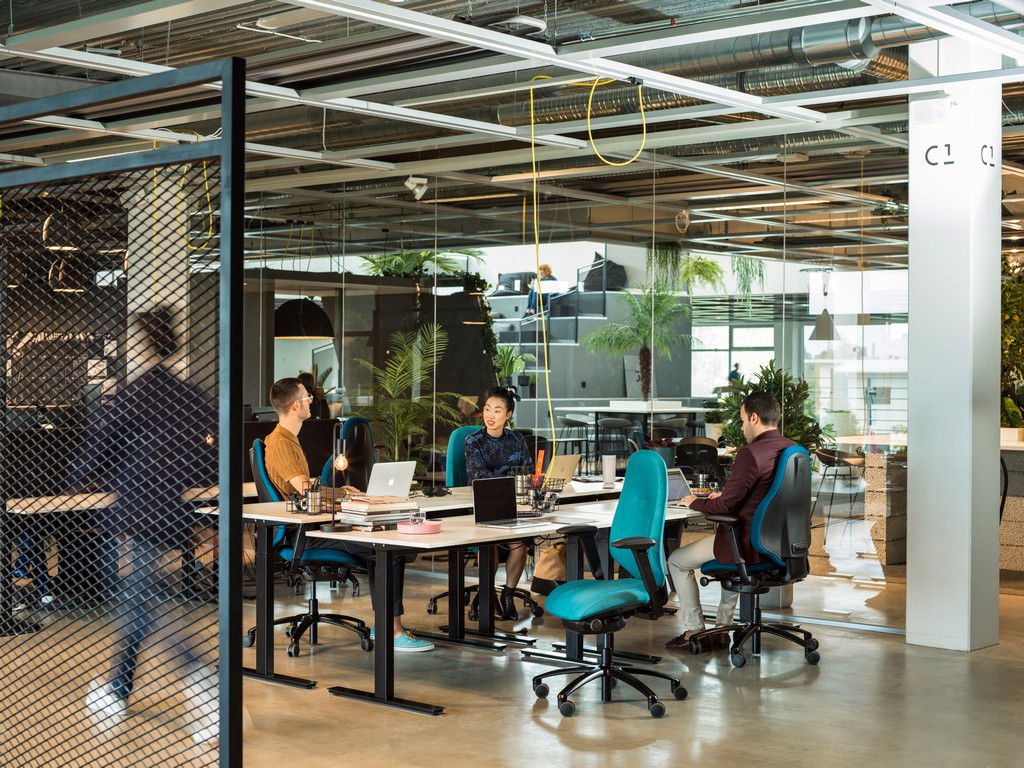
Understanding the Role of Ergonomics in Office Space
Ergonomics encompasses more than just chairs and desks; it revolves around creating a work environment tailored to individual needs, promoting both efficiency and comfort. The effectiveness of ergonomics in workplace organization can be grasped through an examination of how our physical interactions with work tools can either enhance or hinder performance. By understanding the principles of ergonomics, organizations can actively foster a culture where employee health is prioritized, leading to a more engaged workforce.
Fundamental Elements of Ergonomic Workspaces
- Posture Support: One of the cornerstones of ergonomic design is ensuring that employees maintain proper posture throughout the workday. This involves adjustable chairs that support spinal alignment and desks that can be modified for standing or sitting use. When employees can easily change their position, they are less likely to experience strain and discomfort, reducing the risk of injury.
- Accessible Tools: The placement of tools and equipment within the workspace should cater to the user’s natural movements. Frequently used items, such as keyboards and mice, should be positioned to minimize reaching and twisting. This simple adjustment can be life-changing, as it leads to a more fluid workflow and less strain on the body.
- Environmental Considerations: Factors like lighting, noise level, and air quality also play a critical role in the ergonomic landscape. Proper lighting reduces eye strain and enhances focus, while a controlled noise environment can help maintain concentration. Simply put, an investment in these elements contributes significantly to employee satisfaction and productivity.
Companies that prioritize ergonomics are not merely making a fashion statement with stylish furniture; they are embracing a transformative approach that can reshape the workplace. For example, in 2017, a study conducted by the Occupational Safety and Health Administration (OSHA) revealed that workplaces implementing systematic ergonomic interventions saw a 50% reduction in workers’ compensation claims. This remarkable statistic underscores the importance of creating supportive environments for employees.
Moreover, fostering ergonomics within the workplace extends beyond the physical environment; it flourishes in a culture that encourages feedback and adaptation. Engaging employees in conversations about their workspace experiences not only makes them feel valued, but it can also unveil hidden issues. By prioritizing open communication, organizations can identify pain points and areas for improvement, ensuring that ergonomic strategies remain relevant and effective.
As we continue to navigate evolving work trends, the significance of ergonomics in workplace organization will likely only intensify. With flexible work arrangements on the rise, businesses have the unique opportunity to develop tailored ergonomic solutions for remote and hybrid employees. This requires innovative thinking and a firm commitment to ensuring that every worker, regardless of their location, can thrive in an ergonomically sound environment.
The Importance of Ergonomics in Workplace Organization
Workplace ergonomics is a crucial factor in maintaining employee well-being and enhancing productivity. When we consider the design and arrangement of workspaces, it is essential to recognize the profound impact that ergonomically sound practices can have. By placing a focus on ergonomics, organizations can reduce the risk of injuries, improve job satisfaction, and create a more efficient work environment.
One of the most significant advantages of incorporating ergonomic principles into workplace organization is the reduction of musculoskeletal disorders (MSDs). These disorders are often caused by repetitive movements, poor posture, and inadequate workstation setups. By ensuring that chairs, desks, and equipment are adjustable and tailored to fit individual employees’ needs, companies can lower the incidence of MSDs, resulting in fewer sick days and reduced healthcare costs.
Moreover, a well-organized ergonomic workplace can lead to enhanced employee productivity. When employees can work comfortably and efficiently, they are less likely to experience fatigue and distractions that can impede their performance. Elements such as proper lighting, suitable seating, and designated break areas all contribute to a more focused and energized workforce. This not only helps individuals thrive in their roles but also fosters a culture of collaboration and innovation.
Furthermore, organizations that prioritize ergonomics often notice an improvement in employee morale. When workers feel valued through the implementation of ergonomic standards, they are more likely to engage in their tasks with enthusiasm and commitment. The psychological factor of comfort in one’s working environment cannot be underestimated, as it plays a significant role in overall job satisfaction.
To illustrate these benefits, consider the potential impact of providing ergonomic tools like keyboards, mouse devices, and adjustable desks. Such investments not only promote physical health but can also have a positive ripple effect on teamwork and creative problem-solving within the organization.
| Advantages | Description |
|---|---|
| Reduced Injuries | Ergonomic designs help prevent musculoskeletal disorders and other job-related injuries. |
| Increased Productivity | When comfort is prioritized, employees are more focused and efficient in their roles. |
| Enhanced Morale | A comfortable workplace leads to greater employee satisfaction and motivation. |
Incorporating ergonomic principles into workplace organization is not merely a trend; it is a necessity for fostering a healthier, more productive work environment. By understanding and addressing the needs of employees, organizations can create spaces that not only enhance performance but truly elevate the workplace experience.
DISCOVER MORE: Click here for valuable time management tips
The Long-term Benefits of Ergonomics for Organizations and Employees
Recognizing the importance of ergonomics in workplace organization is not merely about creating a comfortable environment; it serves as a strategic investment that pays dividends in productivity, employee satisfaction, and overall business success. As organizations prioritize ergonomic practices, they can expect to witness tangible benefits that extend beyond mere compliance with safety regulations.
Increased Productivity and Efficiency
One of the most compelling arguments for implementing ergonomic strategies is the potential for increased productivity. When employees are comfortable and free from physical discomfort, they are better equipped to focus on their tasks. Research from the Cornell University Ergonomics Worksite Program found that ergonomic improvements led to a 25% reduction in lost work-time due to musculoskeletal disorders. This improvement translates directly to a more productive workforce, ultimately reflecting positively on the bottom line.
Reduction in Health-Related Costs
Organizations that invest in ergonomic solutions often see a significant reduction in health-related costs. According to the U.S. Bureau of Labor Statistics, musculoskeletal disorders account for almost 30% of all workplace injuries, leading to exorbitant medical expenses and increased workers’ compensation claims. By implementing ergonomic practices, companies can expect to lower these costs substantially. In fact, the Occupational Safety and Health Administration (OSHA) estimates that for every $1 invested in ergonomics, employers can save up to $4 in injury-related expenses.
Employee Retention and Job Satisfaction
Furthermore, embracing ergonomic principles contributes to a positive workplace culture, aiding in employee retention. Workers who feel that their employers care for their well-being are more likely to be engaged and loyal. Studies show that workplaces with supportive conditions experience reduced turnover rates. A survey by Gallup indicated that organizations that prioritize employee wellness and satisfaction outpace their competitors in terms of retention and morale. Retaining skilled employees not only reduces hiring costs but maintains the institutional knowledge crucial for sustained success.
The Role of Training and Awareness
A critical aspect of effectively incorporating ergonomics into workplace organization is through training and awareness. Employees must be educated about the benefits of ergonomic practices and how to implement them in their daily routines. Providing training workshops on proper posture, lifting techniques, and workspace arrangement can empower employees to take ownership of their health. Companies that emphasize training in ergonomics often cultivate a more informed and proactive workforce, which in turn drives both innovation and performance.
Adapting to Modern Work Arrangements
Amidst the transition to remote and hybrid work models, embracing ergonomics remains crucial. Organizations must account for the unique challenges posed by home workspaces. They can provide resources and guidance to help employees set up ergonomic home offices, including subsidies for ergonomic furniture or virtual consultations with ergonomic specialists. By extending ergonomic support beyond traditional office settings, companies can enhance employee satisfaction and efficiency in any work arrangement.
As the focus on ergonomic design continues to grow, businesses must remain committed to adaptive strategies that respond to evolving workplace dynamics. By prioritizing ergonomic considerations in workplace organization, companies can create not just better work environments, but empowered employees who thrive in their roles.
DIVE DEEPER: Click here to unlock time management secrets
Conclusion: Embracing Ergonomics for a Sustainable Future in Workplace Organization
In summary, the significance of ergonomics in workplace organization cannot be overstated. It is a multifaceted approach that converges employee well-being, operational efficiency, and organizational success into a cohesive strategy. By investing in ergonomic solutions, companies are not just enhancing the physical comfort of their employees but are also paving the way for long-term health benefits and cost savings. The statistics speak volumes; with a mere $1 investment yielding up to $4 in return, the financial incentive for businesses is compelling.
Moreover, as the landscape of work evolves with hybrid and remote arrangements becoming commonplace, organizations must adapt their ergonomic strategies accordingly. Proper home office setups and continued workplace training will empower employees, ensuring that they remain engaged and proactive—an essential quality for personal and corporate growth.
As employers seek to cultivate a thriving workplace culture, recognizing the role of ergonomics can lead to improved job satisfaction and employee retention. In doing so, organizations foster loyalty among their workforce, benefiting from reduced turnover rates and increased institutional knowledge. The future of successful workplace organization lies in the attention given to ergonomic practices, leading to healthier employees and ultimately, more prosperous businesses.
To conclude, the importance of ergonomics in workplace organization extends beyond immediate comfort; it is an essential investment in a company’s most valuable asset—its people. By prioritizing ergonomic practices, organizations are set to adapt and excel in an ever-changing work environment.
Related posts:
The Influence of Colors and Textures on Workplace Organization and Its Impact on Productivity
How Lighting and Ergonomics Influence the Organization of the Workspace
Digital Tools for Managing Workspace Organization and Increasing Productivity
Digital Organization Techniques to Maximize Productivity in Remote Work
The Impact of the Physical Organization of Materials on Professional Performance
The Importance of Zoning in the Workplace to Increase Productivity

Linda Carter is a writer and productivity and personal organization specialist focused on helping readers build better routines, manage their time, and stay on top of daily priorities. With experience covering practical planning methods, habit-building strategies, and tools for organization, Linda shares actionable guidance on our platform. Her goal is to empower readers with clear, realistic tips to work smarter, reduce overwhelm, and stay consistent over time.