Transforming Spaces: How Minimalism Facilitates Reuse and Resource Reduction in DIY Projects
Understanding Minimalism in Home Projects
In today’s fast-paced world, where materials overflow and spaces often feel cramped, the principle of minimalism stands out as a beacon for those seeking serenity in their living environments. This design philosophy emphasizes simplicity and intentionality, encouraging individuals to focus on what is truly necessary and valuable, ultimately transforming their homes into tranquil havens. Minimalism acts not only as a design strategy but also as a lifestyle choice, influencing how we engage in DIY projects while contributing positively to sustainability efforts.
Emphasizing Reuse and Creativity
One of the core tenets of minimalism is the art of reuse. Instead of discarding old furniture or materials, minimalists find innovative ways to repurpose them. For example, an old wooden pallet can be transformed into a stylish coffee table or wall art. Such projects not only give discarded items a new life but also enable homeowners to create unique pieces that reflect their personal style. Remarkably, according to a survey by the Environmental Protection Agency, reusing materials can significantly reduce the amount of waste sent to landfills, promoting a more sustainable lifestyle.
Reducing Waste for a Greener Future
Another prominent advantage of minimalism is the conscious effort to reduce waste. By minimizing the amount of material used in DIY projects, we lessen our environmental footprint. Choosing to upcycle items rather than purchasing new ones prevents excess demand for resources. For instance, a contained garden built from spare bricks or bottles not only beautifies a space but also diverts waste from landfills and encourages local biodiversity. Minimalist projects often inspire communities to engage in eco-friendly practices, reinforcing a culture of sustainability.
Creating Multifunctional Spaces
Minimalism also advocates for the creation of multifunctional spaces. In smaller homes, maximizing utility may mean choosing furniture that serves multiple purposes, such as a fold-out desk or a bed with built-in storage. This goal can transform even the tiniest apartment into a versatile environment that caters to different needs without feeling cluttered. By optimizing space in this way, homeowners can enjoy a cleaner, more organized setting that enhances daily life.
Streamlined Design Choices
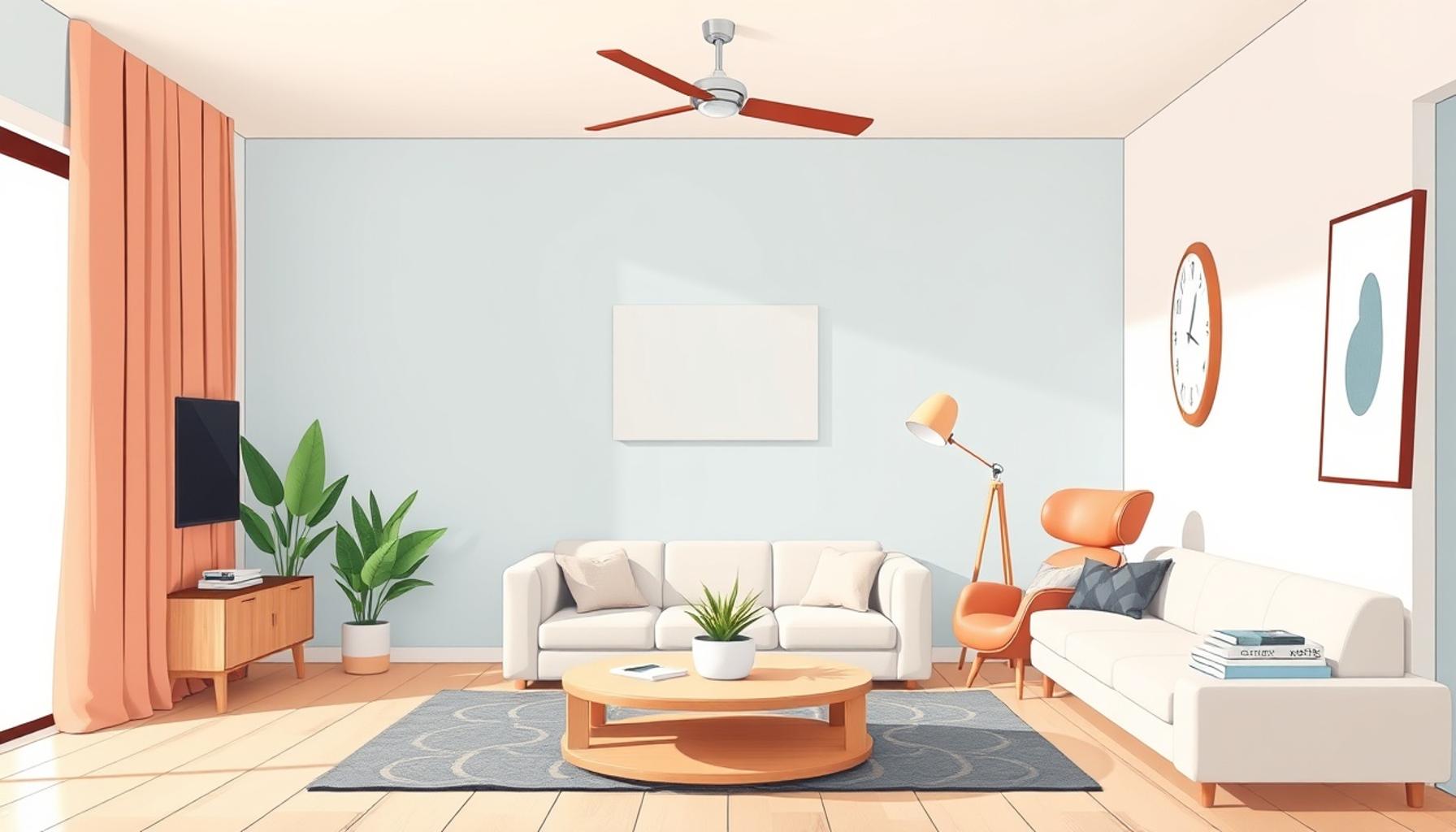
In addition, minimalism prompts a simplification of design choices. By concentrating on essential elements that offer both beauty and functionality, individuals can create harmonious environments that resonate with their lifestyles. For instance, using a neutral color palette combined with a few key decorative accents can provide a calm aesthetic that feels inviting and expansive. This design clarity not only enhances personal comfort but also may contribute to an increase in real estate value over time.
Ultimately, embracing minimalism in DIY projects goes far beyond aesthetics; it represents a significant shift in how we view our environments and interactions with materials. As individuals explore the intersection of functionality, sustainability, and creativity, they engage in a rewarding journey that benefits not only themselves but also the planet. By making conscious decisions, homeowners have the power to create spaces that reflect their core values, helping to shape a greener future for generations to come.
DISCOVER MORE: Click here to learn about minimalism and sustainable living
Innovative Upcycling Techniques
At the heart of minimalist DIY projects lies the concept of upcycling, which elevates unwanted items into prized possessions. This transformative approach not only saves money but also promotes a culture of creativity and resourcefulness. In a nation where consumerism reigns, upcycling encourages individuals to rethink how they interact with materials around them. Instead of merely discarding old items, people are discovering methods to reshape these objects into functional art. Here are some innovative techniques that can inspire your next minimalist project:
- Furniture Overhaul: A coat of paint or new upholstery can breathe new life into outdated chairs or tables. With just a bit of creativity and some tools, old wooden furniture can be transformed into a statement piece that retains its utilitarian nature.
- Wall Art from Scrap: Pieces of reclaimed wood, broken tiles, or even fabric scraps can be woven together or arranged in a unique pattern to create stunning wall art that adds character to your space without breaking the bank.
- Planters from Everyday Items: Repurposing containers such as tin cans, jars, or old boots for plants not only showcases your green thumb but also diverts waste from landfills while adding a personal touch to your home decor.
Navigating the Resources: Where to Find Materials
The beauty of minimalist DIY projects is that they often rely on materials that are readily available, allowing creativity to flourish without financial strain. Individuals looking to source these items can explore a multitude of avenues:
- Local Thrift Stores: These often overlook gems can be reimagined into something extraordinary, providing both nostalgia and function to your home.
- Community Swap Events: Participating in local events allows you to exchange items you no longer need with others, fostering a sense of community and reducing waste.
- Online Marketplaces: Websites like Craigslist, Facebook Marketplace, and Freecycle provide an accessible platform for obtaining materials others want to discard.
By embracing a minimalist approach, individuals can engage in an enriching DIY journey that encourages resource reduction. Studies indicate that upcycling contributes not only to reduced landfill waste but also positively impacts mental health—providing a sense of accomplishment and purpose. As you dive into your next home project, consider how the minimalist philosophy of reuse and creativity can transform your space while simultaneously nurturing a more sustainable lifestyle.
The Intersection of Functionality and Aesthetics
Moreover, minimalism fosters a seamless intersection of functionality and aesthetics. Every item in a minimalist space should serve a purpose, and through careful selection and reimagining, each piece can contribute to the overall harmony of the environment. For instance, a repurposed wooden crate can serve as both a rustic storage solution and a decorative element in your living room.
Engaging with Your Community
Finally, minimalist DIY projects often create an opportunity for community engagement. Participating in workshops or local classes focused on upcycling not only enhances individual skills but also strengthens community ties. As people gather to share their approaches to DIY projects, a shared value of sustainability emerges, enriching both participants and the environment.
As you explore the world of minimalism in home projects, remember that every small action can contribute to a larger impact. The journey towards transforming spaces does not merely rely on physical changes; it cultivates a mindset centered around conscious living, making choices that resonate with your principles while advocating for a greener future.
Transforming Spaces through Minimalism
Minimalism is not just a design trend but a lifestyle that emphasizes simplicity and conscious consumption. In DIY projects, this approach encourages individuals to reevaluate what they truly need and find innovative ways to reuse or repurpose existing materials. By focusing on the essentials, DIY enthusiasts can significantly cut down on waste and resource usage, contributing positively to the environment. One of the key components of minimalism in DIY is the concept of reuse. For example, old furniture can often be transformed into something new with just a few modifications. Instead of purchasing entirely new items, individuals can breathe new life into their spaces by refinishing or repurposing what they already own. This not only saves money but also drastically reduces the carbon footprint associated with manufacturing new products.Moreover, minimalism encourages a reduction in clutter, which is vital for a functional living space. By eliminating unnecessary items and focusing on a few key pieces, homeowners can create a more meaningful environment. The process of decluttering often reveals materials that can be creatively used in DIY projects. For instance, reclaimed wood from an old fence can serve as a striking feature in a new shelving unit. Furthermore, the minimalist approach often emphasizes sustainable materials and finishes. As DIY enthusiasts adopt eco-friendly paints, varnishes, and other supplies, they contribute to a healthier living environment while also conserving resources. This aligns with a growing awareness of sustainability and responsible sourcing practices in home improvement projects.To immerse oneself deeper into the world of minimalism in DIY, one might explore workshops or community groups focused on these principles. These gatherings often share knowledge and resources that can inspire innovative ideas for transforming spaces while promoting resource reduction. As this movement continues to grow, there are boundless opportunities for individuals to engage with minimalism, making significant impacts on their personal environments as well as the broader ecosystem.
| Reuse Strategies | Benefits of Minimalism |
|---|---|
| Repurposing old materials | Reduces waste and costs |
| Upcycling discarded items | Promotes creativity and sustainability |
The intersection of minimalism with DIY projects unlocks a world of possibilities, inviting individuals to transform their spaces while fostering resource consciousness. As more people embrace this philosophy, the potential for positive change in both personal environments and the global landscape becomes increasingly palpable.
DISCOVER MORE: Click here to learn about the benefits of mental simplicity</a
Embracing Sustainable Practices
As the minimalist movement continues to gain traction, many DIY enthusiasts are embracing sustainable practices that align perfectly with the philosophy of reusing and repurposing materials. Sustainability is not just a trend; it is a necessary shift toward reducing our environmental footprint. By adopting sustainable methods in DIY projects, individuals can engage in a more conscientious approach to home improvement. Here are some essential practices that can guide your DIY endeavors:
- Eco-Friendly Finishings: When refurbishing furniture or crafting new pieces, consider using eco-friendly paints, stains, or finishes. These products often use fewer volatile organic compounds (VOCs), ensuring better air quality in your home while being safer for the environment.
- Natural Materials: Choose sustainable or reclaimed materials such as bamboo, reclaimed wood, or recycled plastics for your projects. These materials not only reduce the reliance on new resources but also harmonize with a minimalist aesthetic that values natural textures and colors.
- Energy-Efficient Solutions: Incorporating energy-efficient lighting and appliances into your DIY projects can significantly reduce energy usage. Opt for LED fixtures or smart home devices that regulate power consumption, thus contributing to a minimalistic yet modern lifestyle.
Integrating Technology for Smart Solutions
In today’s world, technology plays a crucial role in enhancing DIY efforts through improved design and efficiency. Smart home technology enables minimalists to optimize their spaces by seamlessly integrating functionality with minimalist design. For instance, motion sensor lights can illuminate a pathway or closet only when needed, reducing energy waste while offering practicality. Additionally, apps available for both iOS and Android platforms can assist in tracking materials and resources, ensuring nothing goes to waste in the process. This intersection of minimalism and technology not only elevates home aesthetics but also fosters a forward-thinking mindset.
The Role of DIY Workshops and Online Communities
Another critical element contributing to the minimalist DIY culture is the rise of workshops and online communities that focus on sustainable practices. As enthusiasts delve deeper into upcycling and resource reduction, they share invaluable knowledge, tips, and experiences with each other. Many towns host workshops that teach skills like woodworking, sewing, or upcycling furniture, enabling individuals to connect with like-minded people and enhance their crafting expertise.
Online forums and social media groups further amplify this experience, providing a platform for users to ask questions, share their projects, or showcase completed works. Platforms like Pinterest and Instagram have become treasure troves of inspiration, where DIY lovers can discover inventive ways to repurpose common items. This sense of community not only fosters accountability in sustainable practices but also enhances creativity and innovation, showing that minimalism is a shared journey toward environmental stewardship.
By integrating technology, embracing eco-friendly practices, and engaging with communities, you not only facilitate resource reduction in your DIY projects but also contribute to a wider movement embracing lasting sustainable change. The collaborative spirit of minimalism sparks a ripple effect, encouraging others to rethink their relationship with material goods and to consider the impact of their choices in a modern consumer society.
DISCOVER MORE: Click here to find out how meditation can enhance your mental clarity
Conclusion: The Impact of Minimalism on DIY Culture
In the ever-evolving landscape of home improvement, minimalism emerges not just as a style choice, but as a profound philosophy that aligns with the urgent need for sustainability and resource reduction. By prioritizing simplicity and function, DIY enthusiasts are not only transforming their spaces but also fostering a deeper connection to the materials they use. This approach encourages creative solutions that prioritize reuse and repurposing, allowing individuals to craft unique projects while minimizing their environmental footprints.
As we embrace this minimalist ethos, we enhance our ability to engage with our surroundings meaningfully. Selecting eco-friendly materials, incorporating energy-efficient technology, and participating in workshops or online communities cultivate an environment of responsibility and innovation. Such practices inspire individuals to explore their creativity while remaining accountable to the greater good, demonstrating that sustainable living can harmonize with personal expression.
In a society increasingly aware of its impact on the planet, minimalism provides a pathway toward lasting change. The movement sparks discussions about consumption and compels us to reassess our relationships with our possessions. By championing a culture that values quality over quantity, we pave the way for a future that not only respects our resources but also invites others to join in the journey of transformation. As each project unfolds, the collective effort of DIY enthusiasts contributes to a more sustainable world—one mindful choice at a time.
Related posts:
Resources and Responsibility: The Impact of Minimalism on Efficient Management of Spaces and Materia...
The impact of resource efficiency on sustainability and conscious minimalism
Digital Minimalism: Optimizing Resources and Space in a Connected World
The intersection of resource efficiency and minimalism: creating a sustainable lifestyle through per...
Minimalism and Resource Efficiency: How Living with Less Can Save Time and Money
Redefining Consumption: How Minimalism Helps Maximize Financial and Emotional Resources