
Minimalist Spaces: Creating Environments that Promote Resource Efficiency in Decoration and Organization
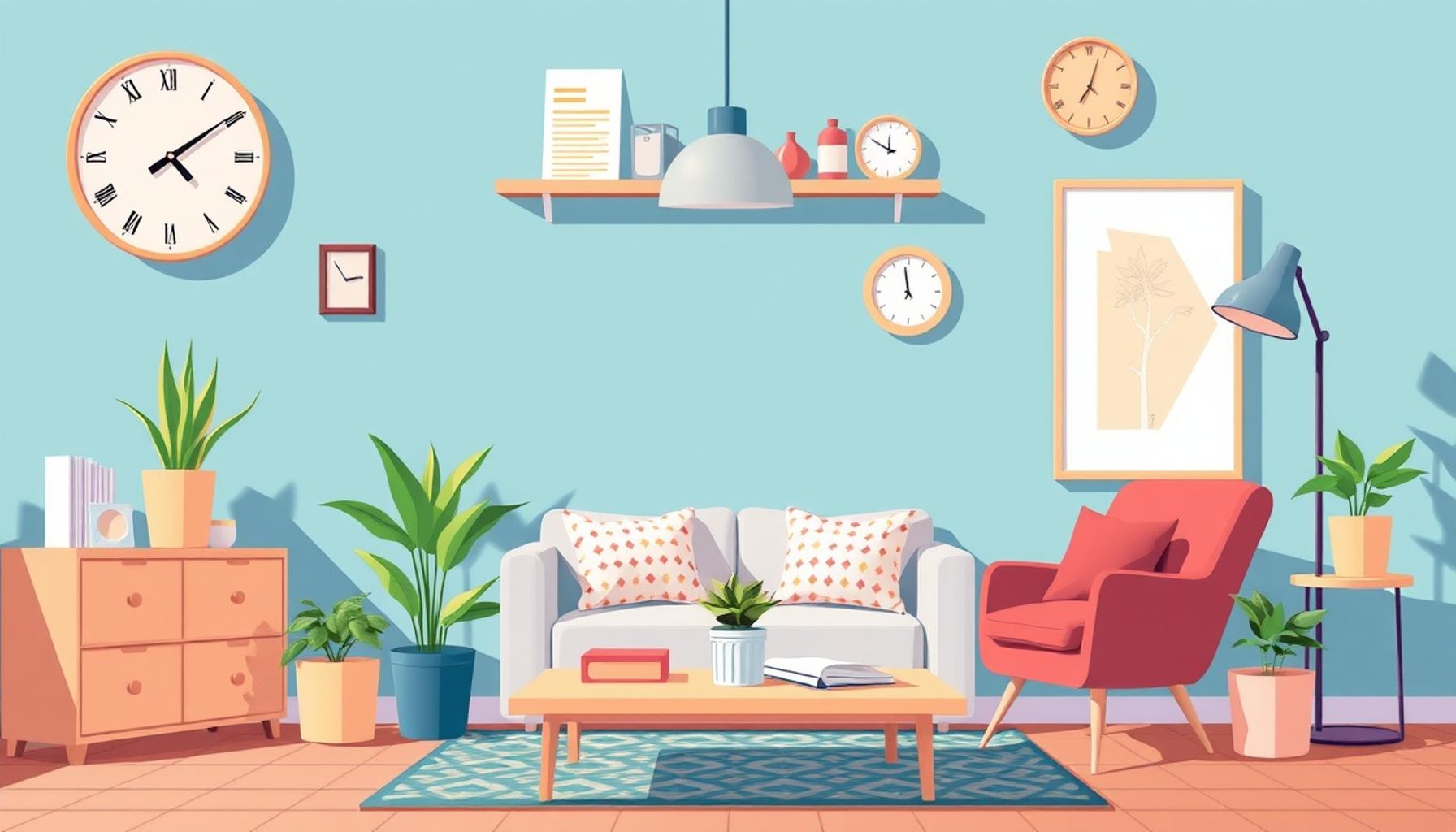
Transforming Your Space for Efficiency
In today’s fast-paced world, the concept of minimalism has emerged as a powerful approach to decoration and organization. By stripping away excess, minimalist spaces foster clarity and functionality, enabling a more efficient way of living. Minimalism is not merely an aesthetic; it’s a philosophy that encourages thoughtful choices in design and resource use.
Why Choose Minimalism?
Here are a few compelling reasons to embrace minimalist spaces:
- Reduced Clutter: A focus on fewer belongings leads to a more serene environment. By limiting possessions, individuals can avoid the overwhelming sensation that clutter often brings, resulting in a peaceful and organized living space.
- Increased Efficiency: Simplicity in design promotes ease of movement and accessibility. For instance, a well-organized kitchen with only essential tools can enhance cooking efficiency, enabling quicker meal preparation and a more enjoyable experience overall.
- Resource Conservation: Minimalism encourages the use of sustainable materials and practices. Choosing quality over quantity not only reduces waste but also supports local economies that prioritize sustainable production processes.
Key Features of Minimalist Design
To effectively create a minimalist space, consider these essential elements:
- Neutral Color Palettes: Soft tones like whites, beiges, and pastels create a calm, inviting atmosphere. For example, a living room bathed in natural light with light-colored walls can feel airy and spacious, making it an ideal retreat from the bustling world outside.
- Functional Furniture: Pieces that serve multiple purposes maximize utility, such as a coffee table that doubles as a storage unit or a sofa that converts into a guest bed. This approach not only saves space but also enhances the versatility of your living environment.
- Natural Light: Emphasizing windows and open spaces enhances the feeling of spaciousness. Incorporating large windows or skylights can invite sunlight, which not only brightens a room but can also have a positive effect on one’s mood and well-being.
As you dive deeper into the world of minimalist spaces, you will discover how effective organization and decoration can lead to a more fulfilling lifestyle, where every item has both purpose and intention. Think about how often you use each item in your home. This practice not only encourages you to keep what truly matters but to actively eliminate distractions. Whether you’re redesigning your home or simply decluttering, the minimalist approach opens new pathways for resource efficiency and sustainable living. By adopting minimalist principles, you can transform not just your space, but your mindset towards consumption and ownership, enabling a more intentional and enriched life.
DISCOVER MORE: Click here for insights on minimalism and mental clarity
Embracing Minimalist Principles in Your Home
Adopting a minimalist approach to design and organization goes beyond just aesthetics; it instills a sense of purpose in how we interact with our spaces and material possessions. The core principle revolves around the idea of intentionality—every item has a designated role, elevating functionality while simultaneously minimizing excess. As you begin to implement minimalist principles in your home, consider how these key strategies can enhance resource efficiency:
Assess Your Belongings
The first step in creating a minimalist space is to evaluate your current possessions. Start by categorizing items into three distinct groups: keep, donate, and discard. This exercise not only declutters your space but also brings to light the items that truly serve a purpose in your daily life. Consider the following tips to streamline your belongings:
- One-Year Rule: If you haven’t used an item in the past year, it may be time to let it go. This rule promotes a practical approach towards the things you own.
- Sentimental Value: While it’s essential to prioritize functionality, allow yourself to hold onto a few keepsakes that carry significant memories. This balance prevents the overwhelming urge to retain everything.
- Digital Alternatives: For paperwork and photographs, consider switching to digital storage solutions. This transition not only saves physical space but also makes finding and organizing materials more efficient.
Utilizing Efficient Storage Solutions
Once you’ve cleared your space of unnecessary belongings, it’s time to tackle the organizational aspect. A minimalist environment typically embraces multi-functional storage solutions that enhance usability and reduce waste. Here are a few efficient storage strategies:
- Underutilized Spaces: Maximize limited areas such as under beds or staircases with customized storage options to keep your items organized and out of sight.
- Vertical Storage: Take advantage of vertical space with shelves or wall-mounted storage. This not only saves land area but can also serve as a decorative element with curated displays.
- Clear Containers: Opt for clear storage bins that allow for easy visibility of contents. This encourages organization and helps you quickly locate what you need without sifting through clutter.
Establishing efficient storage solutions encourages a streamlined environment while promoting the philosophy of minimalism. Beyond simplicity, this methodology fosters a lifestyle centered on mindfulness in consumption, where every possession is both useful and relevant. In embracing these techniques, you will find an opportunity not just to transform your surroundings, but to align your living space with your values on sustainability and efficiency.
Exploring Resource Efficiency in Minimalist Spaces
Creating minimalist spaces goes beyond aesthetics—it is a movement toward resource efficiency in decoration and organization. By embracing simplicity, individuals can significantly reduce waste and promote sustainability in their environments. Minimalism encourages the incorporation of functional design where every item serves dual purposes, leading to less consumption and a greater focus on quality rather than quantity. As we delve deeper into the principles of minimalist decor, one striking advantage is the enhancement of mental clarity. A decluttered space can substantially reduce stress, fostering productivity and creativity. This approach ensures that people are surrounded by only what they truly need and love, thereby eliminating distractions and boosting overall well-being.Moreover, minimalist spaces often require fewer resources for maintenance. With less furniture and decor, cleaning becomes quicker and requires fewer cleaning products, which is not only time-efficient but also environmentally friendly. By investing in durable materials and timeless designs, homeowners can support sustainable practices and cut down on the need for frequent replacements.In addition to personal benefits, adopting minimalist principles can also contribute to a broader cultural shift toward sustainability. As society begins to appreciate the virtues of living with less, significant changes in consumer behavior could pave the way for a more resource-efficient future. Each small step taken in the realm of decoration and organization can lead to meaningful reductions in our ecological footprint, highlighting the potential of minimalist spaces to create a healthier planet.
| Category 1 | Category 2 |
|---|---|
| Resource Efficiency | Minimalism promotes the efficient use of materials and space, reducing waste in decoration. |
| Simplicity and Functionality | Every element in a minimalist space is chosen for its function and contribution to a calmer environment. |
As we explore these themes further, it becomes increasingly clear how minimalist design not only elevates personal spaces but aligns with a progressively sustainable way of living. The intersection of simplicity with resource efficiency marks a vital conversation in modern decoration and organization strategies.
DIVE DEEPER: Click here to discover the benefits of minimalism
Transforming Your Decor with Minimalist Aesthetics
As you move towards a more minimalist lifestyle, it’s time to re-evaluate your decoration style. Minimalism is often associated with clean lines, neutral colors, and a sense of spaciousness. This aesthetic not only enhances the visual appeal of a space but also promotes resource efficiency by advocating for fewer, more deliberate design choices. Here’s how to effortlessly transition your decor into a minimalist approach:
Choose Quality Over Quantity
In a minimalist space, every item should hold significance and contribute to the overall ambiance. Instead of acquiring numerous decorative pieces, focus on sourcing high-quality items that resonate with your personal taste and values. Consider the following guidelines:
- Timeless Design: Invest in classic, timeless pieces that will stand the test of trends. For example, a beautifully crafted wooden chair or an artisan-made vase can serve as a focal point while providing long-lasting durability.
- Natural Materials: Opt for decor made from natural, sustainable materials like organic cotton, bamboo, or reclaimed wood. This choice not only minimizes environmental impact but also contributes to a healthier indoor air quality.
- Artisanal Touch: Consider supporting local artisans or makers, as their unique creations often embody minimalism’s essence—functionality integrated with artistry.
Mindful Color Palettes
Your color choices can significantly influence the ambiance of your space. A minimalist aesthetic often utilizes a serene color palette that promotes tranquility and simplicity. Here are some tips to choose and implement colors effectively:
- Neutral Tones: Stick to shades of white, beige, gray, and soft pastels that create a harmonious environment. These colors can make spaces feel larger and more inviting while providing a calm backdrop for occasional pops of color.
- Accent with Purpose: Instead of cluttering your walls with excessive art, select one or two standout pieces that speak to you. This approach revitalizes your space without overwhelming it, allowing for a cleaner aesthetic.
- Live Greenery: Incorporate plants to enliven your minimalist design. Not only do plants purify the air, but they also add a touch of vibrancy and warmth, making your environment feel more organic.
Streamlined Furnishings
The furniture you choose plays a crucial role in the creation of minimalist spaces. To ensure resource efficiency, consider these essential tips:
- Multifunctional Pieces: Seek out furniture that serves multiple purposes—like a coffee table with built-in storage or a sofa bed for accommodating guests. These choices reduce the need for excess furniture without sacrificing comfort.
- Right-Sized Furniture: Carefully measure your spaces and avoid oversized furniture that infringes on the openness of your environment. Instead, opt for pieces that fit your room’s dimensions and allow for fluid movement.
- Minimalist Lighting: Lighting can define a space. Select fixtures with simple designs that blend function with style, such as pendant lights or floor lamps that provide both ambient and task lighting.
By transforming your decor and furnishings with intentional choice, you not only declutter your environment but also align your spaces with sustainable living. The minimalist aesthetic champions the notion of less being more, encouraging a lifestyle that reflects conscious consumption and efficiency in every corner of your home.
DIVE DEEPER: Click here to learn how to simplify your life
Conclusion
Embracing minimalist spaces is more than just a trend; it is a transformative approach towards creating environments that enhance both resource efficiency and personal wellness. The principles of minimalism—conscious consumption, thoughtful decoration, and streamlined organization—encourage us to refocus our habits, prioritizing quality over quantity. By integrating high-quality decor, utilizing a mindful color palette, and opting for multifunctional furnishings, we not only cultivate tranquility in our living spaces but also foster a deeper connection with the items we choose to surround ourselves with.
As we navigate the cluttered landscape of consumer culture, minimalism offers a refreshing perspective that compels us to consider the environmental footprints of our choices. Each intentional decision contributes to a more sustainable lifestyle, enabling us to succeed in both enhancing our home aesthetics and supporting a healthier planet. Moreover, the serenity that minimalist spaces bring allows for more mental clarity and emotional balance, underscoring the intrinsic link between our surroundings and our well-being.
To embark on your own journey towards minimalism, take small, deliberate steps—curate your space, invest in quality, and prioritize functionality. By doing so, you’ll not only create a beautiful living environment but also cultivate a lifestyle that embodies harmony and efficiency. This shift may inspire you to explore further the rich philosophy behind minimalism, where every choice is an expression of personal values aimed at improving the world around us.
Related posts:
Simplifying the Buying Process: Minimalist Strategies to Increase Resource Efficiency in Our Acquisi...
Digital Minimalism: Optimizing Technological Resources for a More Organized and Efficient Life
How resource efficiency can transform minimalist spaces into functional homes
Personal organization strategies to maximize resource efficiency in daily life
The role of resource efficiency in creating minimalist and productive routines
Transforming Spaces: How Minimalism Facilitates Reuse and Resource Reduction in DIY Projects