
Mind Declutter: How Meditation Can Help with Mental Organization in Minimalism
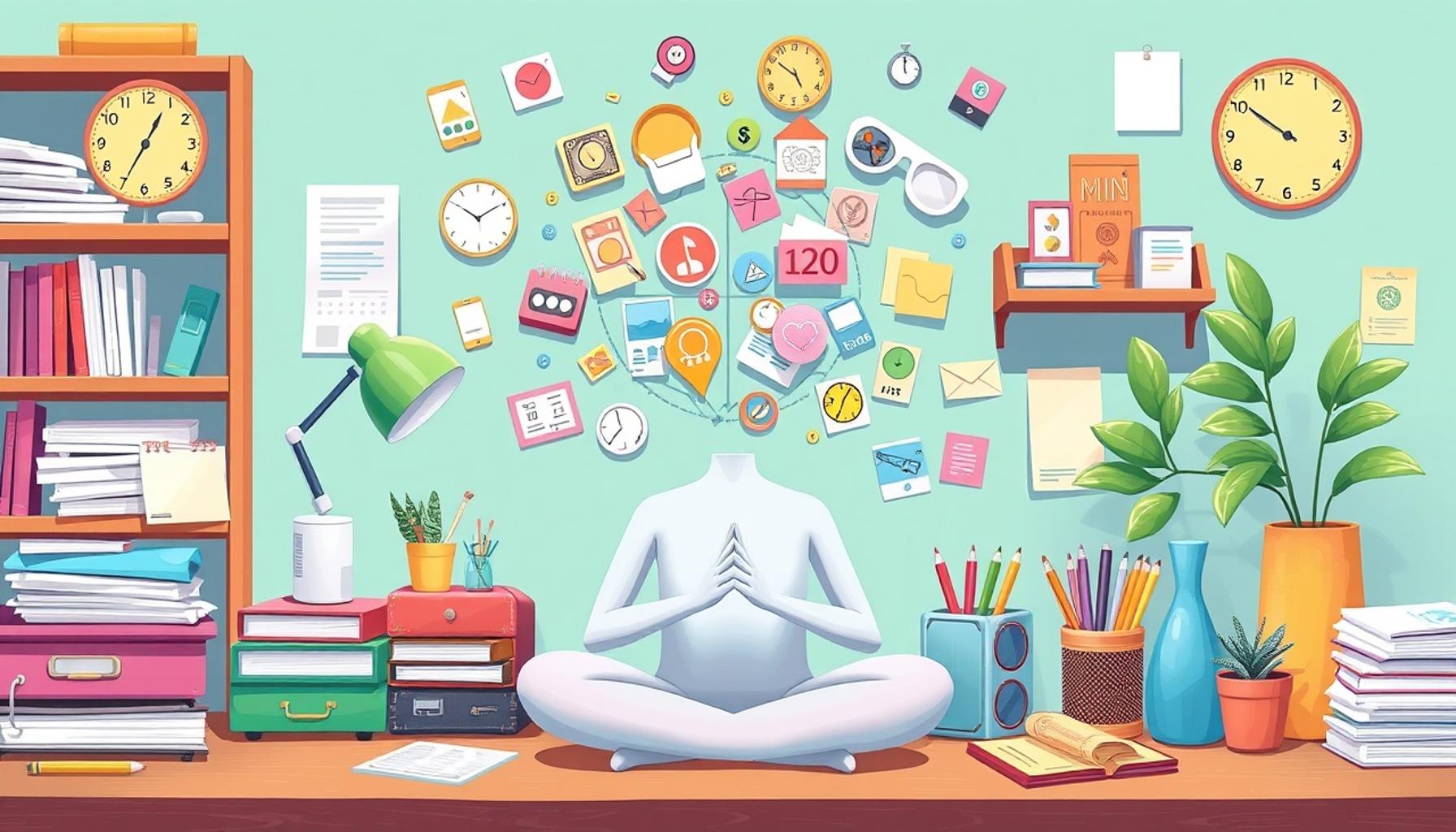
Unpacking the Benefits of Mind Decluttering through Meditation
The modern landscape of relentless notifications, heavy workloads, and endless choices often leaves individuals feeling mentally overwhelmed. As distractions multiply, it can become increasingly challenging to maintain mental clarity and focus. To combat this chaotic environment, meditation has emerged as an effective practice, offering a serene path to regain calm and sharpen mental acuity.
Delving deeper into what meditation has to offer, several key benefits stand out as significant contributors to mental organization:
- Enhances Focus: Regular meditation allows individuals to train their attention span. Studies have shown that those who meditate experience improved concentration levels, enabling them to complete tasks more efficiently. For instance, professionals in high-stakes fields like technology or finance report heightened performance and less error when integrating meditation into their daily routines.
- Reduces Stress: The cumulative stress from work and daily responsibilities can be debilitating. Meditation serves as a refuge, significantly lowering cortisol levels—the hormone associated with stress. Research indicates that even as little as 10 minutes of mindfulness meditation can yield noticeable reductions in anxiety and foster a sense of tranquility among participants. This practice encourages individuals to take a step back, breathe, and approach life’s challenges more calmly.
- Boosts Creativity: A quieter mind becomes a breeding ground for creativity. By removing mental clutter, meditation fosters an environment conducive to innovative thought. Artists, writers, and entrepreneurs alike find that taking time to meditate helps them tap into new ideas, leading to breakthroughs that might have been obscured by a noisy mind.
As the minimalism movement continues to thrive across the United States, with many seeking to pare down their material possessions and live more intentionally, the relationship between meditation and minimalism presents a compelling synergy. Embracing the principles of simplicity in daily life resonates not just in the physical realm but also mentally. The act of decluttering the mind complements the minimalist ethos, encouraging individuals to let go of mental baggage and focus on what genuinely matters.
Understanding the techniques of meditation can lead to transformative changes. By creating dedicated moments of stillness, individuals can carve out mental space that aligns with their minimalist lifestyles. This shift allows for more intentional living, where decisions are made with clarity and purpose rather than impulsiveness.
Through this exploration of meditation practices and their direct relationship to mental organization, readers are invited not only to understand the benefits but to actively engage in their journey towards a more focused and decluttered mind. The exploration of these techniques promises an opportunity for greater peace, enhanced well-being, and a refined sense of direction in today’s complex world.
DISCOVER MORE: Click here to find out how
Finding Clarity: The Intersection of Meditation and Minimalist Living
As the pursuit of minimalism becomes more prominent within society, people are increasingly recognizing that decluttering extends far beyond the physical realm. The practice of mental organization through meditation aligns seamlessly with minimalist principles, inviting individuals to not only remove physical distractions but also to achieve mental clarity. The transformative effects of meditation can cultivate a deep-seated sense of peace, helping to foster a lifestyle that values simplicity and intentionality.
At its core, meditation acts as a powerful tool for achieving mental decluttering. By providing a sanctuary where the mind can rest and rejuvenate, meditation enhances the essential skills necessary for a balanced and minimalist life. Here are some pivotal ways in which meditation complements the journey toward mental organization:
- Improved Decision-Making: In a world filled with options, making choices can often induce decision fatigue. Meditation encourages a state of mindfulness, allowing individuals to quiet the inner chatter and focus on what truly matters. This mental clarity facilitates more thoughtful, deliberate decision-making—a key attribute for those seeking to live a minimalist lifestyle.
- Greater Self-Awareness: Engaging in meditation fosters increased self-awareness, encouraging individuals to reflect on their values, goals, and priorities. By tapping into their inner selves, practitioners can identify what aspects of their lives are essential and which ones may need to be released. This alignment of intentions naturally supports a minimalist approach, promoting a life of purpose.
- Enhanced Emotional Regulation: Meditation assists in managing emotions, equipping individuals to navigate life’s challenges with grace and composure. By regularly practicing mindfulness, it becomes easier to respond rather than react, leading to lower emotional clutter. This emotional stability is paramount for living a minimalist life, as it enables individuals to detach from the drama that often accompanies excess accumulation—be it physical possessions or mental distractions.
The practice of meditation does not require extensive time commitments; even short, consistent sessions can yield significant results. Techniques like focused breathing, body scans, or guided visualizations can all facilitate the mental decluttering process. Many individuals find that beginning or ending their day with just ten minutes of meditation creates a profound shift in their overall mindset.
Moreover, the integration of meditation into daily routines can synergistically enhance a minimalist approach. By waking up a few minutes early to meditate or by taking a break during lunch to breathe deeply and center oneself, individuals can cultivate a sense of tranquility that promotes intentional living. The act of clearing both the mind and surroundings paves the way for a fulfilling existence, characterized by a deeper appreciation for what truly holds value.
Ultimately, the relationship between meditation and minimalism invites individuals to explore life with fresh eyes. As the practice encourages mental organization, it fosters a greater appreciation for simplicity and an enriched understanding of what it means to live intentionally.
| Advantage | Details |
|---|---|
| Enhanced Focus | Meditation trains the mind to focus on the present moment, which can drastically improve concentration and productivity. |
| Reduced Stress | Regular meditation practice is known to lower cortisol levels, leading to an overall decrease in stress and anxiety. |
| Improved Clarity | Mental clutter reduces clarity; meditation assists in decluttering thoughts, allowing for clearer decision-making processes. |
| Mindfulness | Incorporating mindfulness into daily practices helps in recognizing unproductive thoughts, enabling immediate redirection. |
The advantages of utilizing meditation as part of a minimalist lifestyle are significant. Through enhanced focus, practitioners can direct their energy toward what truly matters, resisting distractions that complicate their mental landscape. Meanwhile, the reduced stress that comes alongside regular meditation creates an environment conducive to living more intentionally. Not only does this practice yield improved clarity in one’s thoughts, but it also fosters mindfulness, encouraging individuals to remain aware of their mental state and surroundings. By practicing meditation, one can consistently challenge and reshape thought patterns, ultimately leading to a more organized and peaceful mind. Exploring how these aspects tie into minimalism opens the door for deeper understanding of personal growth and intentional living. As the practice deepens, individuals may discover that meditation is not merely a tool for relaxation but a cornerstone of achieving a simpler, more fulfilling life.
EXPLORE MORE: Click here to discover essential tips
Transforming Routine: The Practical Benefits of Integrating Meditation into Daily Life
As more people seek to cultivate a minimalist lifestyle, the role of meditation becomes increasingly relevant, serving not only as a tool for mental clarity but as a pivotal component of daily routine. The practice of meditation can seamlessly weave itself into the fabric of everyday life, transforming mundane tasks into opportunities for mindfulness and mental organization. Here are several compelling ways meditation can be integrated into daily routines, enhancing the minimalist ethos:
- Mindful Mornings: Starting the day with just a few minutes of meditation can set a positive tone for the hours ahead. Instead of rushing into the day, practitioners can carve out a small window for mindfulness, which helps prioritize intentions and provides clarity on daily goals. By anchoring the morning with meditation, individuals can navigate their tasks with a clear mind, diminishing the chaos that can arise from cluttered thoughts.
- Productive Pauses: As individuals engage in their daily activities, it can be easy to become overwhelmed or distracted. Introducing brief moments of meditation during busy workdays acts as a reset button. Techniques such as taking a few deep breaths or quick body scans allow for mental pauses, enabling re-centeredness amidst a hectic schedule, and ultimately reducing the cognitive clutter that can accumulate in a minimalist lifestyle.
- Intentional Evenings: Evening meditations can help unwind the mind after a bustling day. By establishing a peaceful ritual before bed, practitioners can reflect on the day’s occurrences, release lingering thoughts, and clear away stressors. This practice is particularly beneficial in promoting quality sleep, essential for overall mental wellness. A well-deserved night of rest facilitates a fresh start each morning, inherently supporting minimalist principles of simplicity and clarity.
Furthermore, research supports the mental benefits of meditation, particularly in relation to mindfulness practices and their impact on life satisfaction. A study published in the Journal of Happiness Studies found that individuals who regularly practice mindfulness meditation report higher levels of life satisfaction and lower levels of anxiety and depression. Such benefits make a strong case for incorporating meditation into the journey toward minimalism, as these positive mental states align closely with the minimalist pursuit of well-being and intentional living.
The growing accessibility of meditation resources also plays a significant role in its practical integration. With the rise of phone applications and online platforms offering guided sessions, individuals can conveniently access meditation practices tailored to their experience levels and time constraints. This accessibility can motivate even the busiest individuals to explore meditation, reinforcing its role in promoting mental organization and a minimalist mentality.
Ultimately, the synergy of meditation and minimalism can lead to a holistic transformation in how individuals perceive and manage their mental and physical spaces. By embracing meditation as a daily practice, practitioners can effectively declutter their minds, resulting in a consciously curated lifestyle that reflects simplicity—free from excess distractions and rooted in meaningful experiences.
DISCOVER MORE: Click here for smart storage solutions
Embracing Mindfulness for a Minimalist Future
In a world often characterized by chaos and distraction, the convergence of meditation and minimalism offers a refreshing perspective on achieving mental clarity and organization. By embracing mindfulness practices, individuals not only declutter their minds but also cultivate a sense of purpose and intentionality within their lives. The benefits of meditation—from fostering a serene start to the day, enhancing focus during work, to promoting restful evenings—empower practitioners to navigate both their internal and external environments with greater ease.
As we delve deeper into the benefits of meditation, it becomes apparent that the synergy between mental decluttering and minimalism extends beyond individual well-being. Research underscores the significant psychological advantages associated with mindfulness, revealing that those who engage in regular meditation often enjoy heightened life satisfaction and reduced anxiety levels. These findings highlight the role of meditation as not just a momentary respite but a transformative practice that enhances the minimalist ethos of living with less, while simultaneously enriching the quality of life.
Moreover, the growing array of accessible meditation resources—from apps to online courses—juxtaposes the busy lifestyles many lead, making it easier to incorporate these vital practices into daily routines. As individuals recognize the importance of mental organization, the journey toward minimalism becomes an enriching adventure rather than a daunting task.
Ultimately, fostering a mindfulness practice through meditation can significantly enhance one’s journey towards minimalism, allowing for a profound reshaping of how we perceive both our minds and our environments. By intentionally embracing the principles of meditation, we not only declutter our mental landscapes but also pave the way for a life defined by simplicity, clarity, and joy.
Related posts:
Mind Declutter: The Connection Between Mental Health and Minimalism
Mind Declutter Strategies to Improve Personal Productivity
Mind Declutter and the Art of Saying No: How to Eliminate Mental Overloads
Mind Declutter: The Role of Meditation in Simplifying Minimalist Living
Mind Declutter and Stress Reduction: Creating Space for Clarity and Inner Peace
Mind Declutter and Stress Reduction: Creating a Mental Space for Clarity