How Minimalist Interior Design Promotes Resource Efficiency and Mental Clarity
Understanding Minimalist Interior Design
The appeal of minimalist interior design goes far beyond mere aesthetics; it represents a philosophy that prioritizes simplicity, functionality, and a profound respect for space. In an era where consumerism often reigns supreme, minimalism serves as a refreshing antidote, allowing individuals to reevaluate their possessions and lifestyle choices. By adopting this design philosophy, many have found not only tranquillity in their surroundings but also clarity in their daily lives.
Key Features of Minimalist Design
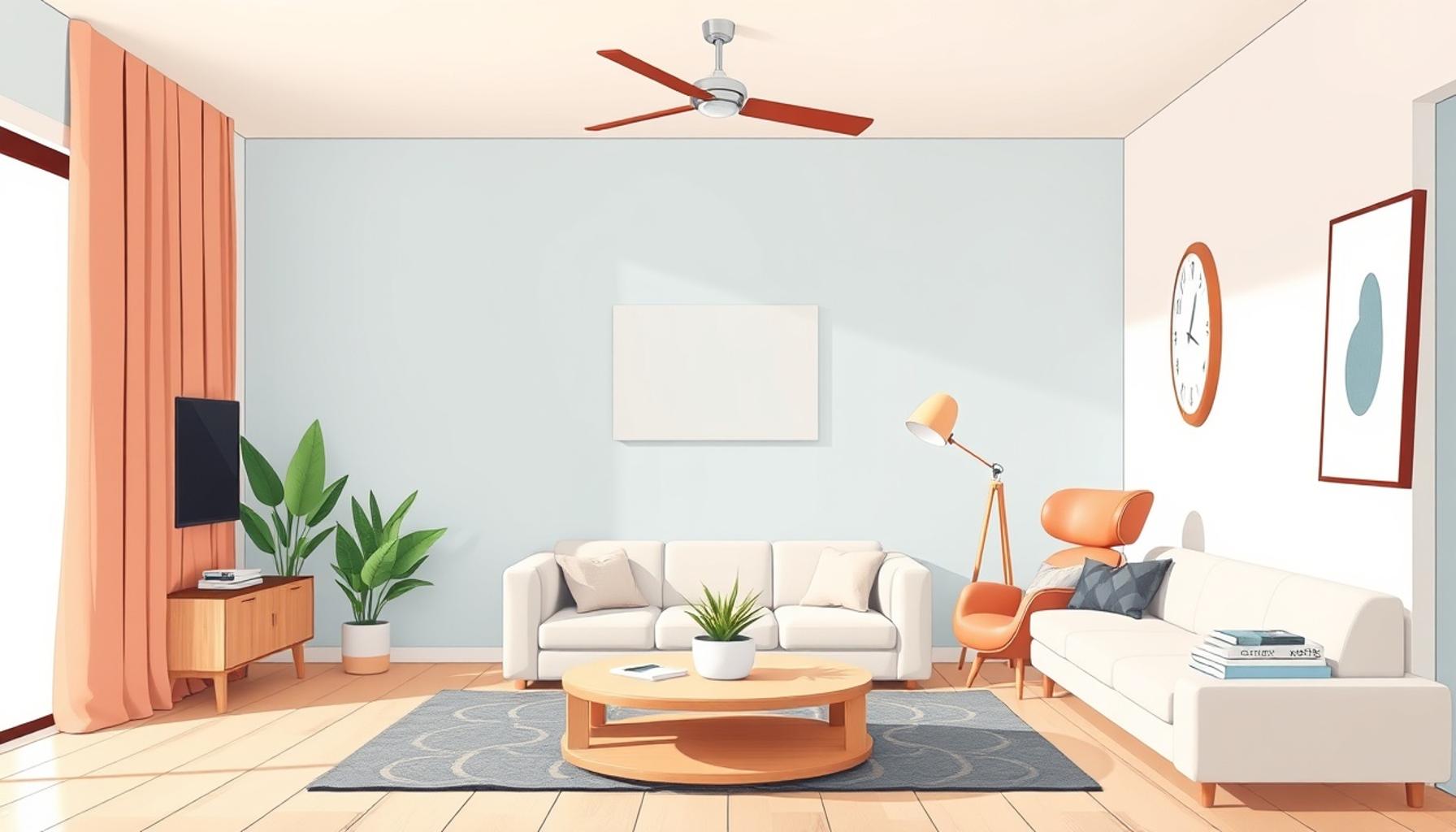
At the heart of minimalist design are several key features that contribute to its unique charm. Among these, decluttered spaces play an essential role. A home free of excess belongings can evoke a sense of serenity, transforming it into a sanctuary away from the chaos of everyday life. For instance, a living room with a sparse sofa, a single coffee table, and an expertly chosen piece of art creates a calm atmosphere that encourages relaxation.
Another critical aspect is the incorporation of natural light. Larger windows and open floor plans optimize sunlight, illuminating interiors in a manner that uplifts the psyche. In cities like Los Angeles or New York, where urban landscapes often feel closed-in, strategically placed glass and open spaces can create a refreshing feeling of connection to the outdoors. For example, homes that utilize sliding glass doors to connect indoor and outdoor spaces allow light as well as fresh air to flood in, enhancing the living experience.
Moreover, the integration of eco-friendly materials is increasingly prevalent in minimalist designs. This approach not only reduces environmental impact but also reflects a commitment to sustainability. Bamboo flooring, recycled glass countertops, and natural fiber textiles signify a mindful approach to consumption that contemporary homeowners can embrace. For instance, using reclaimed wood furniture not only cuts down on waste but also instills a unique character into a space.
The Psychological Benefits of Minimalism
Beyond its intriguing aesthetic, the psychological benefits of adopting a minimalist approach are significant. Research shows that improved focus often results from reducing visual clutter. A clean desk, for instance, allows one to concentrate better on work without distraction from unnecessary items. A 2014 study published in the journal “Psychological Science” found that people performed better on tasks when they worked in environments with less clutter.
Additionally, stress reduction cannot be overlooked. A calm environment devoid of chaos fosters a peaceful mind. Individuals who declutter report feeling less anxiety, proving that our surroundings profoundly influence mental well-being. The connections between a tidy home and mental health are evidently strong, as many find their mood lifts as their space becomes more organized.
In conclusion, embracing a minimalist lifestyle has multifaceted benefits that extend from our living spaces to our minds. As we explore the essence of minimalist interior design, it becomes clear that the journey toward simplicity can yield profound insights into what truly matters in our lives. Ultimately, minimalism invites us to think critically about our consumption habits and how we can curate an existence that prioritizes not only beauty and functionality but also mental clarity and environmental responsibility.
DIVE DEEPER: Click here to uncover more
Resource Efficiency Through Minimalist Design
Minimalist interior design is not merely a trend; it represents a sustainable approach that champions resource efficiency while enhancing our living spaces. At its core, minimalism is about making thoughtful choices that reduce waste and promote the efficient use of materials. This thoughtful consumption aligns seamlessly with contemporary concerns about environmental sustainability, pushing more individuals to embrace a lifestyle that values quality over quantity.
Inventory Reduction
The first step toward resource efficiency in minimalist design is a conscious reduction of inventory. By focusing on what is truly necessary, individuals can significantly decrease the number of items stored within their homes. This practice not only minimizes clutter but also reduces the energy required for manufacturing, transporting, and disposing of excess possessions. Research by the National Geographic suggests that less consumption leads to lower greenhouse gas emissions, indicating a direct correlation between how we design our interiors and our impact on the planet.
Key benefits of reducing inventory include:
- Less storage space needed – A streamlined home reduces the necessity for large, cumbersome furniture.
- Financial savings – Fewer items mean less spending on unnecessary purchases.
- Encouraging mindful consumerism – Homeowners become more discerning about what they bring into their space.
Multi-Functional Spaces
Another hallmark of minimalist interior design is the creation of multi-functional spaces. By employing furniture that serves multiple purposes, individuals can maximize their living areas while minimizing resource usage. For example, a murphy bed can transform a home office into a guest room, reducing the need for separate, resource-intensive furnishings. This approach not only leads to more efficient use of space but also fosters creativity, inspiring homeowners to think differently about their environments.
Sustainable Material Usage
Emphasizing eco-friendly materials is an essential component of minimalism. Utilizing products like reclaimed wood, bamboo, or recycled materials can significantly lower environmental footprints. For instance, a living room adorned with an artisan-crafted coffee table made from reclaimed timber not only adds character but also showcases a commitment to resource conservation. By opting for materials that are both sustainable and aesthetically pleasing, homeowners are empowered to make smarter decisions that reflect their values.
In constructing a minimalist space, the choices are as much about avoiding excess as they are about honoring the earth. Each element contributes to an overall harmony that resonates not only aesthetically but also ethically. As individuals increasingly recognize the need for resource-efficient lifestyles, minimalist interior design emerges as a compelling solution that marries practicality with morality.
| Advantages | Description |
|---|---|
| Resource Efficiency | Minimalist design prioritizes functionality and eliminates excess, reducing unnecessary consumption of materials and energy. |
| Mental Clarity | A clean, uncluttered space fosters better focus, promotes calmness, and enhances creativity, allowing individuals to think more clearly and effectively. |
Minimalist interior design promotes a mindful approach to living and working environments. The emphasis on fewer items not only leads to resource efficiency but also creates a peaceful atmosphere that can significantly boost mental well-being. Research has shown that clutter can negatively impact productivity and mental clarity. By simplifying spaces, individuals are encouraged to prioritize what truly matters, leading to both psychological and environmental benefits. Furthermore, minimalist interior design often incorporates sustainable practices by sourcing eco-friendly materials and prioritizing natural light, which can reduce dependency on artificial lighting. This conscious selection not only benefits the planet but also contributes to an overall sense of well-being. Investing in minimalist design creates a sustainable lifestyle choice that resonates with the growing awareness of resource conservation and mental health. From functionality to aesthetic appeal, the principles of minimalism reveal substantial advantages that transcend basic design elements, urging people to rethink their surroundings and embrace a more intentional way of living.
DISCOVER MORE: Click here to learn about the power of mental simplicity</a
Mental Clarity Fueled by Minimalist Design
While the resource efficiency of minimalist interior design is an essential aspect, the impact on mental clarity is equally significant. In a world overwhelmed by consumerism and overstimulation, minimalist design offers a tranquil sanctuary that fosters focus and well-being. This design philosophy prioritizes simplicity and functionality, which can lead to profound improvements in mental health and cognitive performance.
Reducing Visual Clutter
One of the key psychological benefits of minimalist spaces is the reduction of visual clutter. Research shows that excessive clutter can negatively affect our ability to concentrate, leading to feelings of stress and anxiety. A study published in the *Personality and Social Psychology Bulletin* found that individuals in cluttered environments experienced higher levels of cortisol, a stress hormone. By embracing a minimalist aesthetic, homeowners can create a serene atmosphere that alleviates mental overload, allowing for improved focus on tasks and increased productivity.
- Easier to focus – A clean, simple environment minimizes distractions and enhances concentration.
- Boosted creativity – Clear spaces foster innovative thinking by allowing the mind to wander without hindrance from unnecessary items.
- Improved emotional health – A decluttered environment correlates with reduced anxiety and elevated mood.
Intentional Design Choices
The philosophy behind minimalism encourages intentional design choices that elevate the quality of life. Each element within a minimalist space serves a purpose and resonates with the homeowner’s values. This intentionality extends beyond physical items; it also encompasses color palettes, textures, and layouts that are calming and cohesive. For instance, opting for neutral color schemes and natural light can create an inviting atmosphere that promotes relaxation and rejuvenation.
According to the American Psychological Association, colors profoundly affect our emotions. Soft earth tones or muted pastels can help to ground something as chaotic as modern life. By choosing colors deliberately, homeowners can influence their mood and create a space that feels harmonious and empowering, further underscoring the mental benefits of minimalist design.
Enhancing Mindfulness
Minimalism also encourages the practice of mindfulness. With fewer distractions, people are more likely to become present in their surroundings and appreciate the beauty of simplicity. This can be enhanced further with natural elements such as indoor plants or the inclusion of natural light through large windows. According to a study from the *Journal of Environmental Psychology*, exposure to nature, even within interior spaces, has been linked to increased feelings of well-being and satisfaction, leading to a greater sense of connection with one’s environment.
- Encourages presence – Fewer items lead to a greater ability to engage with the present moment.
- Supports well-being – A mindful space nurtures a holistic approach to self-care and mental health.
- Fostering connections – Highlighting essentials promotes relationships and experiences over material possessions.
In an age where mental overload is common, the minimalist approach provides a counterbalance. By reducing unnecessary distractions and emphasizing what truly matters, minimalist interior design invites individuals to cultivate clarity, creativity, and an authentic sense of self, leading to a balanced and fulfilling lifestyle. The interplay between resource efficiency and mental clarity offers a compelling case for adopting this design ethos in our homes and workspaces.
DISCOVER MORE: Click here to learn how to boost your efficiency
Conclusion: The Symbiosis of Minimalism, Efficiency, and Mindfulness
In a rapidly changing world marked by consumerism and environmental concerns, minimalist interior design emerges as a transformative approach to not just aesthetics, but also to resource efficiency and mental clarity. By minimizing visual clutter and emphasizing functional beauty, minimalist spaces offer an antidote to the chaos of modern life, helping individuals recover lost focus and mental serenity.
The integration of thoughtful design choices, such as color palettes and natural elements, facilitates a sense of tranquility that is essential for emotional well-being. Furthermore, research suggests that these calming environments foster creativity and productivity, allowing for a more fulfilling life experience. Homes designed with mindfulness in mind create an environment that encourages presence, enabling individuals to savor the nuances of day-to-day life rather than being overwhelmed by them.
The dual benefits of resource efficiency and enhanced mental clarity in minimalist design not only support sustainable living but also advocate for a holistic approach to personal well-being. As more Americans explore the intersection of environmental awareness and mental health, the adoption of minimalist principles in home and workspaces may well be the key to attaining a balanced lifestyle. Exploring this minimalist ethos invites individuals to question what they truly value, leading to richer experiences rooted in intention rather than accumulation.
In summary, embracing minimalist interior design could serve as a powerful catalyst for personal and environmental transformation, paving the way for a more sustainable future and a clearer mind.
Related posts:
The role of resource efficiency in creating minimalist and productive routines
The Role of Minimalism in Creating Efficient and Sustainable Work Environments
Personal Organization and Waste Reduction: Strategies to Maximize Resources in a Minimalist Lifestyl...
Digital Minimalism: Optimizing Resources and Space in a Connected World
Resources and Responsibility: The Impact of Minimalism on Efficient Management of Spaces and Materia...
Personal Organization and Sustainability: Strategies to Reduce Waste in Everyday Life