
The Importance of Effective Time Management
In today’s fast-paced world, effective time management has become crucial for productivity. With technology evolving rapidly, individuals and businesses are leveraging various tools to gain control over their schedules and prioritize tasks. This shift not only enhances efficiency but also allows us to be more mindful of how we spend our time, ultimately leading to a better work-life balance.
As various sectors become more competitive, the need for streamlined operations and optimized time allocation becomes apparent. Professionals often find themselves juggling multiple responsibilities, which can lead to stress and burnout if not managed correctly. Consequently, mastering the art of time management is not just desirable; it’s essential for surviving in a demanding environment.
Essential Digital Tools
Countless apps and digital tools have emerged, specifically designed to optimize our time management practices. Here are some popular types that are changing the game:
- Task Management Tools: Apps like Todoist and Trello revolutionize the way users organize tasks and projects. With intuitive interfaces, these platforms allow users to create to-do lists, set deadlines, and even collaborate with team members. Such tools often have features that enable prioritization, ensuring that the most critical tasks receive the attention they deserve. For instance, a project manager might use Trello to visualize ongoing tasks, thereby improving communication within a team.
- Time Tracking Software: Tools like Toggl and Clockify empower individuals to monitor how they allocate their working hours, promoting awareness and accountability. By keeping track of how much time is spent on various tasks, users can identify patterns, optimize their workflows, and even address procrastination. For example, a freelancer using Toggl may discover that a significant amount of time is wasted on unproductive tasks, allowing them to adjust their focus accordingly.
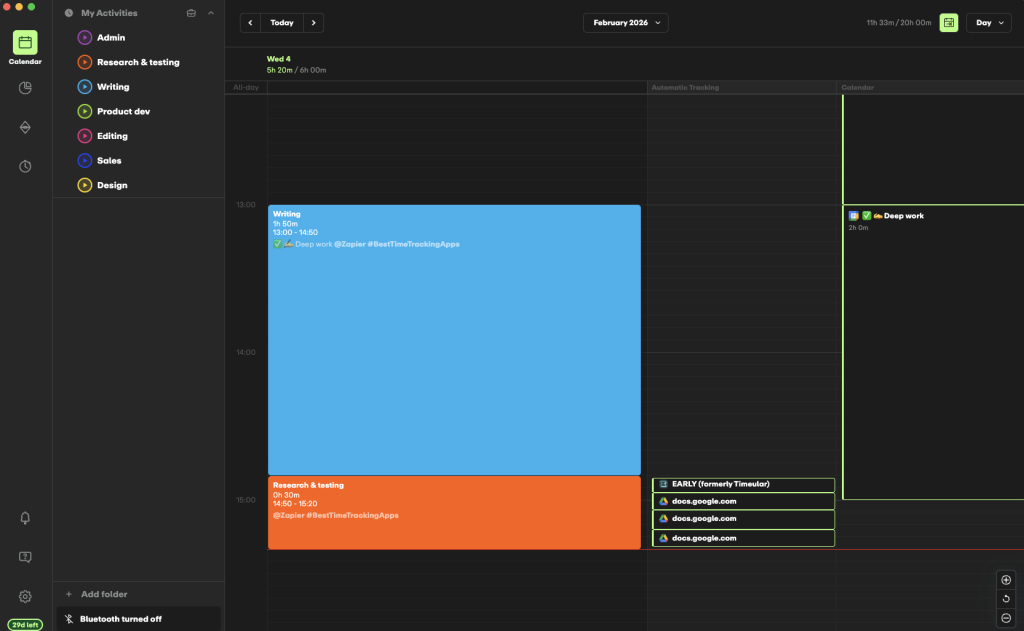
- Calendar Applications: Google Calendar and Microsoft Outlook are indispensable tools for anyone aiming to organize their schedule effectively. These platforms not only allow users to schedule appointments and set reminders but also enable seamless integration with other applications. For instance, a sales professional might sync their calendar with a CRM platform, ensuring that they never miss a meeting or follow-up task.
Unlocking the Potential of Technology
As we delve deeper into the relationship between technology and time management, we uncover the immense potential these tools hold for empowering users to maximize productivity. Understanding their features, benefits, and integration capabilities is essential for making informed decisions that can lead to better time management practices.
Furthermore, it is worth noting that adopting these tools requires a mindset shift. Users must be willing to commit to their use and leverage their full capabilities. While the learning curve for new technology can be daunting, the long-term benefits of enhanced productivity and reduced stress are well worth the effort. As technology continues to evolve, the tools for effective time management will likely follow suit, creating even more opportunities for users to optimize their daily routines.
In conclusion, being proactive about time management through the use of digital tools can lead to significant improvements in both personal and professional spheres. Therefore, embracing these technologies is not merely an option; it is a necessary step towards achieving greater efficiency in our busy lives.
DISCOVER MORE: Click here to enhance your task management skills
Maximizing Efficiency with Innovative Technology
The rise of digital technology has significantly transformed the landscape of time management. As individuals face increasing demands on their time, the implementation of specific apps and tools can streamline processes and enhance productivity. This evolution in time management reflects a broader shift in work culture, wherein efficiency and effectiveness are paramount. Understanding how these tools function and their ability to integrate seamlessly into daily routines can empower users to master their schedules and achieve both personal and professional goals.
Task Management Tools That Transform Workflow
One of the most notable advancements in time management technology is the development of task management tools. These applications allow users to break down their workloads into manageable segments, fostering a sense of accomplishment and clarity. Here are some notable features of popular task management tools:
- Visual Organization: Tools like Asana and Monday.com provide visual boards that allow users to drag and drop tasks between stages of completion. This not only makes tracking progress intuitive but also helps in identifying bottlenecks in workflows.
- Collaboration Capabilities: Features enabling team collaboration, such as comments and notifications, enhance communication among team members. For instance, Slack can be integrated with tools like Trello to ensure everyone remains on the same page when working on joint tasks.
- Customization Options: Many task management apps allow users to tailor their dashboards according to preferences, helping them focus on what matters most. For instance, a marketing team could prioritize tasks based on project deadlines or client needs using Custom Fields in tools like ClickUp.
The Significance of Time Tracking
In an era where maximizing productivity is crucial, time tracking software has emerged as indispensable. By logging hours spent on various projects, users gain insights into their working habits, allowing them to make informed adjustments. Recent studies have suggested that individuals who adopt time tracking experience a 30% increase in productivity on average. This heightened awareness can lead to more effective prioritization and a reduction in time spent on non-essential tasks.
Beyond mere tracking, such software often offers reporting features that highlight performance trends over time. For example, a business analyst using a tool like RescueTime may uncover that they’re consistently spending time on low-priority tasks, prompting a necessary reevaluation of their schedule. This powerful information can help employees maintain focus and increase accountability; thus empowering them to improve their time management skills.
Calendar Applications Enhancing Daily Routines
Within the realm of digital tools, calendar applications play a critical role in organizing commitments and deadlines. Incorporating applications like Google Calendar or Apple Calendar into daily schedules can drastically reduce the likelihood of missed appointments and forgotten tasks. These platforms offer more than just a timeline for events; they can also serve as time management tools by incorporating reminders and alerts, syncing with other applications, and even providing insights into time estimation.
Moreover, the ability to share calendars among colleagues fosters collaboration — an essential element in today’s work environment. By sharing their schedules, team members can easily identify optimal meeting times or collaborate on joint projects while avoiding scheduling conflicts.
Ultimately, these technological advancements in time management not only optimize how we allocate time but also encourage mindful engagement with our schedules. As technology continues to develop, embracing these innovative tools and their potential can lead to substantial benefits in productivity and work satisfaction.
| App/Tool Category | Key Features |
|---|---|
| Task Management | Offers a user-friendly interface to organize tasks, set deadlines, and prioritize workload for enhanced productivity. |
| Time Tracking | Monitors working hours, providing insights into time usage and identifying areas for improvement. |
| Collaboration Tools | Facilitates team communication and project coordination, leading to more effective time management across projects. |
The evolution of apps and tools has dramatically reshaped our approach to time management. In the realm of task management, apps such as Todoist and Asana provide structured platforms where users can seamlessly create, organize, and prioritize tasks. Features like deadlines and notifications play a crucial role in ensuring nothing falls through the cracks. Moreover, tools like Toggl and RescueTime allow individuals to track their time effectively; they capture granular data about daily activities and time spent on various tasks, enabling users to analyze and adjust their routines for maximum efficiency.Also notable are collaboration tools like Slack and Trello, which streamline communication among team members and enhance project coordination. With these tools, teams can work synchronously, breaking down silos, and improving the overall productivity of the group. As the influence of technology pervades our daily lives, it empowers individuals and teams to manage their time more effectively than ever before—an essential skill in today’s fast-paced environment.
DISCOVER MORE: Click here to learn how to prioritize without the guilt
Leveraging Automation to Streamline Responsibilities
Another remarkable facet of technology’s influence on time management is the integration of automation tools. These applications automate routine tasks, allowing users to minimize repetitive activities that detract from their productivity. From email management to scheduling meetings, automation tools serve as an invaluable asset in carving out more time for essential responsibilities. For instance, platforms like Zapier enable users to create workflows that automatically carry out actions across different applications, drastically reducing time spent on manual processes.
Email Management Solutions for Enhanced Organization
In the digital age, email can be both a blessing and a curse. With the average professional receiving an estimated 121 emails per day, managing this influx effectively is critical. Tools such as Clean Email and Unroll.me empower users to declutter their inboxes, allowing them to prioritize important messages and eliminate distractions. By automating the organization of emails into defined categories or by unsubscribing from unwanted newsletters, users can reclaim valuable time that would otherwise be lost sifting through their inboxes.
Furthermore, some email clients now come equipped with features designed to help users manage their time better. For example, Microsoft Outlook and Gmail allow users to schedule emails for later, set reminders, and create templates for routine correspondence. These capabilities ensure that users can focus on high-priority tasks without the constant interruption of incoming emails.
Smart Planning with Note-Taking Apps
Note-taking applications like Evernote and Notion have also contributed significantly to improved time management. These platforms enable users to capture ideas, task lists, and reminders in one centralized location. With features like searchability and tagging, users can quickly locate relevant notes, preventing time-consuming searches for information. Additionally, such tools support cross-device synchronization, ensuring that users can access their notes whenever and wherever they need them.
The collaborative features of note-taking apps cannot be overlooked either. For teams working on projects, shared notes in apps like Google Keep facilitate seamless information exchange and brainstorming sessions. By consolidating insights and tasks in a digital workspace, these tools enhance teamwork and clarity while helping teams stay aligned and organized.
Adopting Mindfulness and Focus Apps
As time management increasingly dives into the realm of psychological well-being, mindfulness and focus apps are gaining traction. Tools like Forest and Focus@Will provide users with strategies to minimize distractions by promoting focused work sessions and encouraging breaks. Forest, for example, gamifies the act of staying focused, where users can grow a virtual tree by avoiding their smartphones for predetermined periods. The more focused time they accumulate, the larger their forest grows.
Implementing mindful practices alongside productivity tools not only improves efficiency but also ensures users maintain a healthy balance between work and personal life. The cumulative effect of these practices can lead to increased creativity, reduced stress levels, and ultimately a more satisfying work experience.
DISCOVER MORE: Click here to learn how goal setting can reshape your day
Conclusion: Embracing Technology for Effective Time Management
The impact of technology on time management is profound and undeniably transformative. As the workforce becomes increasingly fast-paced and competitive, the necessity for effective, efficient strategies cannot be overstated. The array of apps and tools discussed, ranging from automation solutions to mindfulness applications, exemplifies how technology can reshape the way we plan and execute our daily tasks. By embracing platforms like Zapier for automation or Google Keep for streamlined note-sharing, individuals and teams can not only enhance their productivity but also gain substantial control over their time.
Moreover, the integration of email management tools helps alleviate the stress associated with overwhelming inboxes, thereby creating a foundation for clearer communication and improved focus. Meanwhile, mindfulness apps promote a healthy balance between work and well-being, ensuring that productivity does not come at the expense of mental health. These innovations collectively demonstrate that effective time management is not just about doing more, but doing better.
As technology continues to evolve, so too will the tools available to us. Staying informed about the latest advancements in time management apps and resources is crucial for maximizing their benefits. For those eager to enhance their productivity, the journey is as much about exploration as it is about implementation. Harnessing these technologies empowers us to reclaim our time, ensuring that we can focus on what truly matters – both personally and professionally.
Related posts:
The relationship between time management and mental health: how to balance productivity and well-bei...
Time Management Strategies for Remote Workers: Balancing Personal and Professional Life
The Impact of Procrastination on Time Management: Strategies to Overcome and Be More Efficient
Time Management Techniques for Students: How to Maximize Learning and Minimize Stress
Digital Tools for Time Management: How Apps Can Transform Your Routine
The role of SMART goals in time management and personal organization

Linda Carter is a writer and productivity and personal organization specialist focused on helping readers build better routines, manage their time, and stay on top of daily priorities. With experience covering practical planning methods, habit-building strategies, and tools for organization, Linda shares actionable guidance on our platform. Her goal is to empower readers with clear, realistic tips to work smarter, reduce overwhelm, and stay consistent over time.