Unveiling the Social Side of Brain Teasers: Group Games and Human Connections
Unleashing the Power of Brain Teasers
Brain teasers, such as riddles, puzzles, and logic problems, have the extraordinary ability to captivate individuals through their intricate designs and challenging nature. These mental challenges are not just idle pastimes; they serve a greater purpose by acting as a powerful tool for enhancing social connections among players. Whether it’s a lively dinner party, an engaging team-building exercise in the workplace, or a cozy night spent with family, these group activities create opportunities for individuals to bond in meaningful ways.
Engaging in brain-stimulating activities offers a myriad of advantages that extend beyond intellectual improvement:
- Enhanced communication: As players navigate through complex scenarios, they learn to express their thoughts, articulating perspectives clearly so their teammates can understand. This practice not only helps in problem-solving but also promotes active listening.
- Team collaboration: When individuals come together to crack a tough puzzle, they cultivate skills essential for effective teamwork. Collaborating towards a shared objective cultivates a sense of unity, where success becomes a collective triumph rather than an individual accolade.
- Shared experiences: The process of tackling challenges as a group often yields memorable moments. Completing a puzzle or answering a particularly tricky riddle generates a sense of accomplishment that players carry with them long after the game concludes.
In our fast-paced world, where technology often prioritizes virtual exchanges over genuine interactions, the importance of maintaining personal connections cannot be overstated. Integrating brain teasers into social functions not only entertains but significantly deepens relationships. As friends, family, and colleagues come together to confront mental challenges, they create bonds that transcend mere acquaintance.
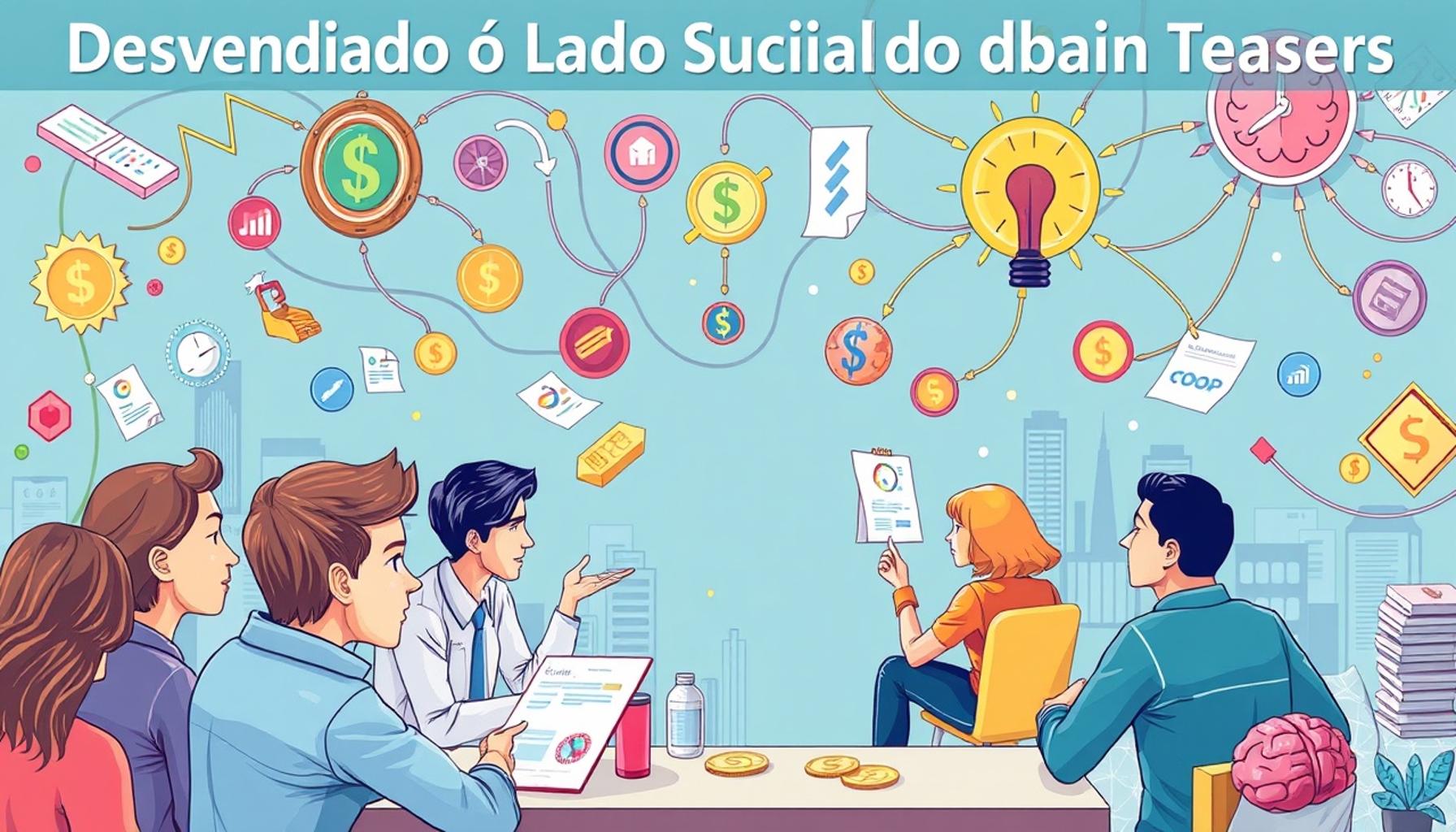
For instance, consider a team-building retreat where colleagues engage in a series of brain teasers. As they huddle to strategize the best approach to solve a complex riddle, laughter and dialogue ensue, fostering a supportive environment. In this context, competition transforms into camaraderie, paving the way for more profound workplace relationships.
Ultimately, the dynamic nature of these group games offers both intellectual stimulation and an essential element of sociability that enriches our interactions. By uncovering the social side of brain teasers, we reveal a rich layer that goes beyond problem-solving—inviting us to prioritize connection in our daily lives. So, the next time you’re planning a gathering, consider incorporating engaging brain teasers; the rewards may extend far beyond the immediate sense of accomplishment, enhancing the quality of the friendships you nurture.

DISCOVER MORE: Click here to dive deeper
Strengthening Bonds Through Collaborative Challenges
When it comes to fostering human connections, the impact of shared experiences cannot be overstated. Engaging in brain teasers within a group setting not only ignites the mind but also acts as a catalyst for deeper interactions and lasting memories. Collaborative challenges, like escape room puzzles or team-based trivia games, encourage participants to work together towards a common goal, and this often leads to surprising revelations about one another. The interplay of creativity and logic fuels conversations that might never occur in more static social environments.
One standout aspect of group brain teasers is how they encourage a blend of diverse skill sets. Each participant brings unique strengths, backgrounds, and thought processes to the table, making the problem-solving experience richer and more rewarding. For instance, one person may have excellent verbal reasoning, while another excels in numerical puzzles or pattern recognition. This assortment of abilities not only enhances the problem-solving process but also cultivates respect for each other’s talents, bridging gaps between individuals.
Moreover, the nature of these games often requires players to step outside their comfort zones. They are encouraged to voice their opinions, brainstorm ideas, and share strategies, creating a dynamic environment where everyone feels valued. Here are some key elements that make brain teasers effective for strengthening social bonds:
- Encouragement of Vulnerability: When participating in challenges, players often make mistakes or struggle to find solutions. This vulnerability fosters empathy and understanding among teammates, leading to a supportive atmosphere.
- Celebration of Achievements: The collective excitement that arises from successfully completing a challenge creates a shared victory that players cherish together. It’s this celebratory spirit that nurtures camaraderie.
- Fostering Trust: As individuals rely on each other’s contributions to navigate challenges, they build trust and strengthen their interpersonal relationships. Trust is a fundamental component of any meaningful connection.
As individuals navigate these engaging mental exercises, they inadvertently refine their social and emotional skills. The laughter and light-hearted banter that often accompanies these activities create a relaxed environment where authentic relationships can blossom. Picture yourself at a festive gathering; the atmosphere lightens as friends gather around a trivia game, eagerly exchanging playful jabs while trying to outsmart one another. The connection formed during these moments can transform acquaintances into lifelong friends.
In workplaces, the integration of brain teasers into team-building activities not only enhances productivity but also cultivates a culture of connection among employees. As colleagues unite to solve puzzles, they break down hierarchical barriers and promote an egalitarian dynamic, where every voice is heard and valued. This nurtures an inclusive environment, which is vital for enhancing teamwork and overall employee satisfaction.
Ultimately, delving into the social side of brain teasers reveals an enriching tapestry of interactions and connections. As we highlight these dynamics, it becomes clear that these activities serve as more than mere entertainment; they are instrumental in nurturing and enhancing our human connections in both personal and professional spheres.
| Category | Description |
|---|---|
| Collaborative Problem Solving | Group brain teasers unify participants, fostering teamwork and enhancing social skills. |
| Emotional Bonding | Shared challenges can lead to deeper connections, building trust and camaraderie among players. |
Within the realm of brain teasers and group games, the social dynamics that emerge are truly fascinating. The first advantage lies in Collaborative Problem Solving. When individuals engage in these mental challenges collectively, they not only develop critical thinking but also enhance their communication skills. The necessity to share ideas and strategies promotes a sense of community, making every puzzle a platform for interaction.Equally important is the aspect of Emotional Bonding. Engaging in puzzles together allows participants to experience moments of triumph and frustration in unison. This shared journey often establishes strong bonds, encouraging individuals to connect beyond the game itself. As players navigate through difficulties, the laughter and brainstorming sessions act as vital threads that weave lasting relationships. By understanding these powerful social interactions, enthusiasts can appreciate the deeper implications of group challenges in our lives.
DIVE DEEPER: Click here to discover the evolution of brain teasers
Harnessing Creativity and Communication
As we continue to explore the social dynamics of brain teasers, it is essential to recognize the role of creativity and communication in fostering connections among participants. These group games often function as a platform for individuals to express themselves in ways that may not typically arise in routine conversations. The challenge of solving puzzles together can spark not only logical reasoning but also a wealth of imaginative solutions, allowing players to think outside the box.
Take, for example, the popular party game “Codenames.” Players must work in teams to identify words based on cryptic clues given by teammates. Here, the challenge lies not only in deciphering the clues but also in understanding how the mind of another person works. This game illustrates how effective communication requires a delicate balance of conveying ideas while remaining mindful of others’ interpretations. Through this process, participants learn to appreciate diverse communicative styles, broadening their perspective and enhancing their interpersonal skills.
Furthermore, incorporating elements of storytelling into brain teasers significantly enhances the social experience. Games like “Dixit” leverage beautiful illustrations to prompt players to weave narratives around the cards presented. This results in conversations that dive deeper, as players connect their experiences and emotions to the abstract concepts around them. As they share tales and insights, they develop a sense of intimacy that forges stronger ties—an essential aspect of any meaningful relationship.
The impact of brain teasers on social bonds extends beyond casual gatherings and informal settings. In professional environments, initiatives that utilize these engaging activities can have profound effects on team dynamics. For example, companies like Google and Facebook have long incorporated playful challenges into their team-building strategies to encourage employees to collaborate and communicate in inventive ways. Studies consistently show that such practices can boost creativity and innovation, underscoring the fact that when employees feel connected, their productivity often flourishes.
Moreover, the ongoing shift towards remote work has only amplified the importance of maintaining these connections. Virtual brain teasers—such as online escape rooms or digital trivia competitions—have emerged as effective tools for teams separated by distance. These activities allow participants to engage in collaborative problem-solving while simultaneously cultivating social relationships, ensuring a supportive work culture is sustained even in a virtual landscape.
The significance of these group brain teaser activities also extends to the realm of educational institutions, where teachers incorporate them into classroom settings to promote peer interaction. Such games serve as an engaging tool to break down barriers and foster friendships, particularly among students who may not otherwise interact. By collaborating on problem-solving tasks, students learn to value teamwork and develop essential social skills that will benefit them beyond the classroom.
This fusion of competition and cooperation within brain teasers nurtures an atmosphere of inclusive engagement, where participants can thrive irrespective of their background or expertise. The spirit of friendly competition infuses energy into social interactions, often leading to new friendships and partnerships, both personal and professional.
By unraveling these layers, it becomes evident that brain teasers play a pivotal role in enhancing communication, fueling creativity, and ultimately creating lasting human connections that enrich our lives in various contexts.
DISCOVER MORE: Click here to delve deeper
Conclusion
In an increasingly disconnected world, the integration of brain teasers into social settings emerges as a compelling avenue for nurturing human connections. These group games do more than merely entertain; they forge bonds through shared challenges that stimulate creativity and enhance communication skills. From casual gatherings with friends to structured team-building exercises in corporate environments, the power of collaborative problem-solving becomes evident. By engaging with others through brain teasers, participants not only share laughter and frustration but also reveal insights into their thought processes and interpersonal styles.
Moreover, the adaptability of these puzzles in virtual scenarios speaks volumes about their significance in today’s remote culture. Online platforms hosting brain teasers foster valuable interactions, ensuring that even miles apart, teams can unite in a common goal while cultivating camaraderie. Schools, too, are embracing this trend, using games to break down barriers and encourage meaningful social interactions among students.
Ultimately, as we peel back the layers of brain teasers, we uncover their profound impact on our social fabric. They serve as a powerful reminder that at the heart of problem-solving lies not just the quest for answers but the journey of human connection. As you explore these engaging activities, consider how they can enrich your social experiences—be it enhancing teamwork, sparking friendships, or igniting creative dialogues. In every puzzle solved and challenge met, we strengthen not only our minds but also the ties that bind us together.
Related posts:
Interactive Brain Teasers: The Revolution of Apps and Online Games in Mental Stimulation
Classic vs. Modern Brain Teasers: Evolution and Popularity
Brain Teasers and Logic: The Importance of Critical Thinking in Problem Solving
Cognitive Benefits of Brain Teasers: How They Increase Intelligence and Creativity
The Role of Brain Teasers in Developing Problem-Solving Skills in Adults
The Evolution of Brain Teasers: From Antiquity to the Digital Age

Linda Carter is a writer and puzzle expert specializing in mind games, brain teasers, and cognitive challenges. With extensive experience helping individuals enhance their problem-solving skills and think critically, Linda shares her knowledge on our platform. Her goal is to empower readers with practical advice, engaging puzzles, and strategies to sharpen their minds and achieve success in the captivating world of mind games and puzzles.