Unveiling the Secrets of Chess: Strategies to Improve Strategic Thinking in Competition
Unpacking the Essentials of Chess Strategy
Chess is celebrated as one of the most profound intellectual games, where every move can swing the tide of competition. Emphasizing strategic thinking and mental agility, chess players dive into layers of possibilities on an 8×8 board. Every piece moves with purpose and intention, transforming a casual game in a park into a fierce battle of wits. Beyond memorizing specific opening moves or endgame patterns, the path to success involves delving into various core strategic principles that define high-level play.
Understanding these fundamentals equips players, whether in friendly matches or formal tournaments such as those hosted by the United States Chess Federation (USCF), to sharpen their skills effectively. Let us examine some essential strategies that can transform your approach to the game:
- Positional Play: This aspect revolves around the long-term advantages of controlling key squares and setting up favorable piece placements. For instance, advanced players often recognize the strong influence of central control, using pawns and pieces to assert dominance and restrict their opponent’s options.
- Tactics: Here, the focus shifts to short-term maneuvers, like spotting forks, pins, and skewers. A move such as delivering a queen fork can simultaneously attack two pieces, creating immediate threats that can lead to material gain if the opponent fails to respond correctly. This emphasizes the necessity of acute visual acuity during each phase of play.
- Psychological Warfare: Chess is not only about physical pieces but also about the mental game. Players often attempt to read their opponents’ emotions and reactions, using tactics that may unsettle them. A sudden sacrifice can shock an opponent and compel them to make hasty decisions, potentially leading to errors that a player can then capitalize on.
- Endgame Techniques: Mastery of the endgame is essential for converting even the smallest advantages into a win. Understanding concepts like opposition or the importance of king activity can tip the scale in your favor. For example, knowing how to navigate a simplistic endgame scenario, like king and pawn against king, can be the difference between a win and a draw.
As players engage more deeply with the game, they are constantly discovering techniques that expand their tactical repertoire. This exploration not only improves their chess skills but also enhances broader cognitive abilities, such as problem-solving and critical thinking, which are beneficial in other aspects of life.
Chess promotes a unique journey of continuous learning and strategic skill development. As individuals involved in this matrix of strategy and intellect, let’s collectively explore more insights into these profound strategies, unearthing the hidden depths of competitive chess and sharpening our own strategic thinking along the way.
DISCOVER MORE: Click here to enhance your interpersonal skills
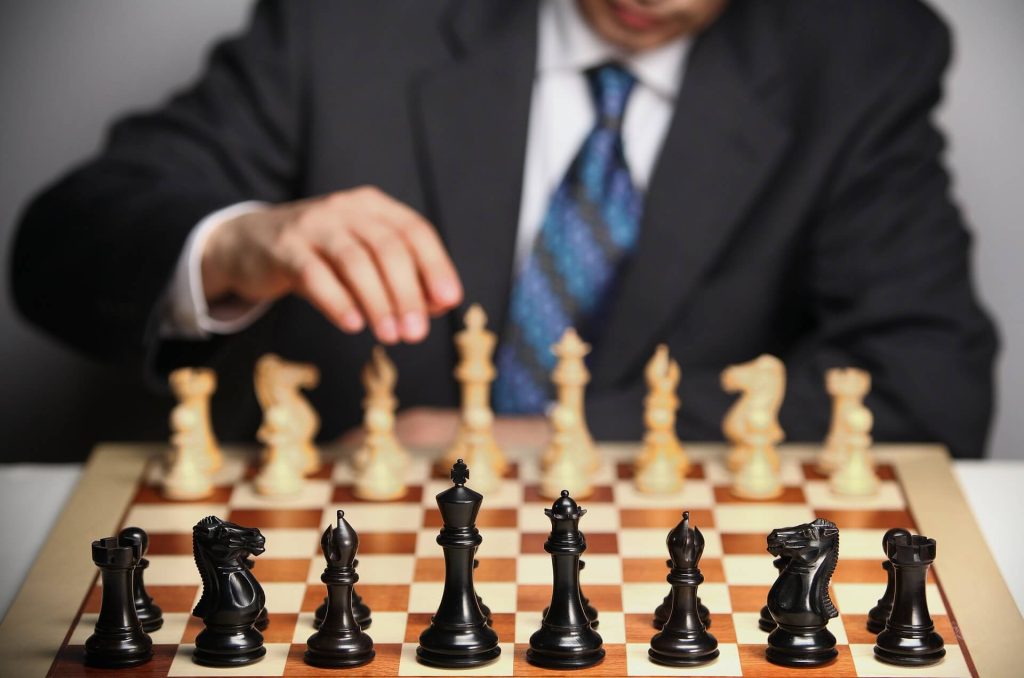
Key Principles to Elevate Your Chess Game
To truly elevate one’s chess game, players must embrace a multifaceted approach that respects the interconnection between various strategic concepts. This framework not only sharpens their competitive edge but also fosters growth in strategic thinking and problem-solving abilities. Here, we delve into critical principles that help players thrive in competitive environments:
- Opening Principles: The opening phase of the game sets the tone for the entire match. Chess players must navigate this stage by adhering to some fundamental principles: developing pieces quickly, controlling the center of the board, and ensuring the safety of the king through castling. For instance, a successful opening like the Ruy Lopez can offer you a reliable structure and create pressure on your opponent’s position while enhancing your own piece activity.
- Middle Game Strategies: As the game transitions to the middle phase, players should shift focus from development to tactical awareness. Here, the two important components to master are coordination and timing. Effective coordination allows your pieces to work together in active combat, while timing helps discern the right moment to launch attacks or consolidate your position. A well-timed knight sacrifice can often shift the balance in your favor by exposing the opponent’s vulnerabilities.
- Evaluating Positions: To improve strategic thinking, players must practice evaluating their own positions as well as their opponents’. This includes assessing factors like material balance, pawn structure, piece activity, and the safety of the king. Creating a reliable checklist when approaching a position, such as weighing each factor and determining the strengths and weaknesses of both sides, can streamline this evaluation process and lead to more effective decision-making.
- Reflection and Post-Game Analysis: One of the most effective ways to enhance strategic thinking in chess is through reflection on completed games. Analyzing your own moves as well as those of stronger players—whether it’s an over-the-board match or an online duel—can reveal common mistakes and highlight areas for improvement. Utilizing chess software and databases to revisit notable games can further solidify learning and help to internalize advanced strategies through repetition.
The ability to synthesize these techniques not only sharpens one’s chess acumen but also nurtures a strategic mindset that extends beyond the chessboard. Through continuous practice, players cultivate critical abilities that serve them well in daily life, inspiring a unique combination of discipline, patience, and foresight. Armed with these principles, let us delve deeper into the art of chess strategy and uncover more secrets that will fortify our competitive spirit.
Developing a Winning Mindset through Chess
One of the most fascinating aspects of chess is how it is deeply intertwined with the psychology of competition. Strategic thinking in chess not only enhances cognitive skills but also fosters a resilient mindset critical for success in any competitive arena. Embracing the mindset that every game, regardless of the outcome, is a learning opportunity can lead to improved decision-making in high-pressure situations.
Learning From Every Move
Each move on the chessboard can serve as a valuable lesson, teaching players to evaluate risks and benefits in real-time. This skill translates seamlessly into real-life scenarios where swift yet calculated decisions are essential. By analyzing both successful and unsuccessful moves, players develop the ability to anticipate opponents’ strategies, thereby enhancing their own strategic foresight.
The Practice of Patience and Focus
In the fast-paced world of competitions, the trait of patience becomes invaluable. Chess players learn to resist impulsive moves, instead thinking several steps ahead. This patience fosters a profound ability to focus, making it easier to concentrate on long-term goals, vital not only in chess but also in professional settings.
| Category 1 | Category 2 |
|---|---|
| Mental Resilience | Strengthens emotional fortitude in competitive scenarios. |
| Enhanced Planning | Encourages strategic foresight and long-term thinking. |
Chess serves as a powerful platform for honing these vital skills, creating a bridge between the chessboard and competitive environments in everyday life and high-stakes situations. The secrets of chess aren’t just in the moves but in its ability to influence our cognitive and emotional strengths, paving the way to becoming adept strategists in any competition.
DIVE DEEPER: Click here to discover more
Advanced Tactics to Bolster Competitive Insight
Chess is not merely a game of individual tactics but a profound exercise in strategic foresight that challenges players to anticipate their opponent’s moves while simultaneously plotting their own. In order to foster an advanced level of strategic thinking in competition, players should consider the following key tactics that can elevate their gameplay and enhance their decision-making skills:
- Tactical Awareness and Patterns: The intricacies of chess rely heavily on understanding tactical motifs — common patterns that frequently arise during games. By dedicating time to study and recognize these patterns, players can improve their ability to spot opportunities for tactics like forks, pins, and discovered attacks. Chess literature, instructional videos, and online puzzles are excellent resources for honing this skill. For instance, familiarizing yourself with the typical tactics present in openings such as the Sicilian Defense can prepare you for the complexities of an active mid-game.
- Endgame Mastery: While many players focus on the opening and middle game, the endgame is where true strategic thinking is often tested. Improving endgame skills entails understanding key concepts like opposition, pawn promotion, and the importance of piece coordination. Techniques such as the Lucena and Philidor positions must be mastered, as they can turn a drawn position into a winning one. Engaging with chess endgame studies, such as Charles Hertan’s book “Forcing Moves,” allows players to transform even marginal leads into victories, thereby reinforcing their competitive strategies.
- Psychological Warfare: Chess is as much a mental battle as it is a strategic one. Players must develop an acute sense of psychological interplay with their opponent. This involves recognizing body language, maintaining an air of confidence, and adapting to opponents’ psychological states. Employing tactics that disrupt an opponent’s thought process, such as spending extra time on seemingly mundane moves, can induce pressure and errors. Notable players like Magnus Carlsen employ such strategies to unsettle their opponents. To enhance psychological tactics, consider observing match play where high-stakes emotions come into play.
- Time Management Techniques: The advent of rapid and blitz formats has altered the landscape of chess competition, emphasizing the importance of time management strategies. Players should practice pacing their moves, allotting more time to crucial positions while ensuring they allocate a reasonable amount of time for less critical moves. The concept of “thinking ahead” should become a routine part of a player’s preparation, fostering the ability to make informed decisions swiftly under time constraints.
By embracing these advanced tactics, players can unlock deeper layers of strategic understanding and problem-solving skills integral to chess competition. Engaging with other players through tournaments or online platforms supplements these strategies, as real-time practice can illuminate unexpected insights and foster adaptability. Whether you are a novice looking to improve or a seasoned competitor striving for that edge, exploring these tactical dimensions can significantly transform your chess journey.
EXPLORE MORE: Click here to enhance your learning techniques!
Embracing the Journey of Strategic Mastery
In conclusion, the intricate world of chess offers players not just a game, but an unparalleled opportunity to enhance their strategic thinking and problem-solving skills in a competitive environment. By delving deep into essential tactics such as tactical awareness, endgame mastery, and psychological warfare, players can develop a robust arsenal of strategies that will not only improve their performance on the board but also foster a sense of adaptability amid dynamic challenges.
As players embark on this journey, it is crucial to remember that growth in chess is a gradual process. Engaging with fellow enthusiasts through tournaments or online platforms can provide valuable real-world insights and opportunities for practical application of learned strategies. Furthermore, embracing a holistic approach to time management not only cultivates efficiency but also enhances the ability to think several moves ahead, a skill paramount to success in any competitive chess scenario.
Ultimately, unlocking the secrets of chess is about more than merely learning rules or memorizing openings; it is about cultivating a profound understanding of oneself and one’s opponents. By committing to continual learning and practice, chess players can truly transform their gameplay and strategic acumen, paving the way for triumphs not just on the chessboard, but in all competitive realms of their lives. Embrace the challenge, and let the journey begin.
Related posts:
Strategy and Innovation: How Simulation Games Stimulate Critical Thinking in Business Environments
Breaking the Routine: The Impact of Group Puzzles on Strategic Collaboration
Logic and Creativity: The Intersection of Word Games and the Development of Strategic Skills
The Art of Strategic Thinking in Board Games: How to Develop Planning Skills
Winning Mindset: How Strategy Games Enhance Resilience and Decision-Making
The Art of Anticipating: How Board Games Develop Strategic Thinking

Linda Carter is a writer and puzzle expert specializing in mind games, brain teasers, and cognitive challenges. With extensive experience helping individuals enhance their problem-solving skills and think critically, Linda shares her knowledge on our platform. Her goal is to empower readers with practical advice, engaging puzzles, and strategies to sharpen their minds and achieve success in the captivating world of mind games and puzzles.