The Role of Social Interaction in Memory Improvement Games

Unlocking the Power of Connection
In an era dominated by digital interaction, the importance of social interaction in memory improvement games is often overlooked. These games do more than challenge our mental faculties; they serve as a gateway to enhancing cognitive function through human connection. Research suggests that engaging socially while playing can significantly bolster memory retention and recall.
Why Social Interaction Matters
- Enhanced Memory Retention: Collaborative gameplay promotes active engagement, which has been shown to aid in information retention. For instance, studies demonstrate that when players discuss strategies with one another, they are more likely to remember the rules and objectives of the game. This method can be particularly effective in environments like classrooms or community centers, where collaboration is encouraged.
- Increased Motivation: Playing with friends or family adds a layer of accountability, making players more committed to improvement. The friendly competition or collaborative efforts can drive players to push their limits. Consider a neighborhood game night where participants vie for the title of champion—this shared goal not only fosters camaraderie but also encourages each player to improve their skills.
- Shared Experiences: Discussing strategies and outcomes creates a shared narrative that can reinforce what players learn. Whether it’s analyzing a difficult puzzle together or recounting a thrilling game moment, these discussions can solidify learned concepts and boost memory. This is notably relevant in group settings, where players can reflect on their experiences, creating bonds that enhance social and cognitive engagement.
Moreover, studies have indicated that socially interactive games foster a supportive environment that encourages cognitive challenge. This is especially critical in the United States, where more individuals are seeking innovative ways to maintain their cognitive health in a fun and engaging manner. From traditional board games like Scrabble and chess to mobile applications designed for group play, the integration of social elements can lead to lasting improvements in memory.
Tapping Into Shared Knowledge
Social dynamics in memory games also introduce diverse perspectives, enriching the gameplay experience. This exchange of ideas can catalyze learning and adaptation, providing an essential boost to memory skills. For example, a group of friends playing a trivia game might each come from different backgrounds, bringing unique knowledge to the table that can benefit all players. Whether discussing historical facts or pop culture references, the collaborative aspect can expand individual memory recall.
As we delve deeper into the fascinating connection between social interaction and cognitive enhancement, one thing becomes clear: enhancing our brains can be surprisingly enjoyable when shared with others. The joy of competitive play or cooperative puzzling doesn’t merely lead to better memory; it cultivates relationships and strengthens community bonds. By leaning into the power of connection, players can foster an enriching cycle of social engagement and cognitive growth.
DISCOVER MORE: Click here for insights on cognitive functioning
The Dynamics of Collaborative Gameplay
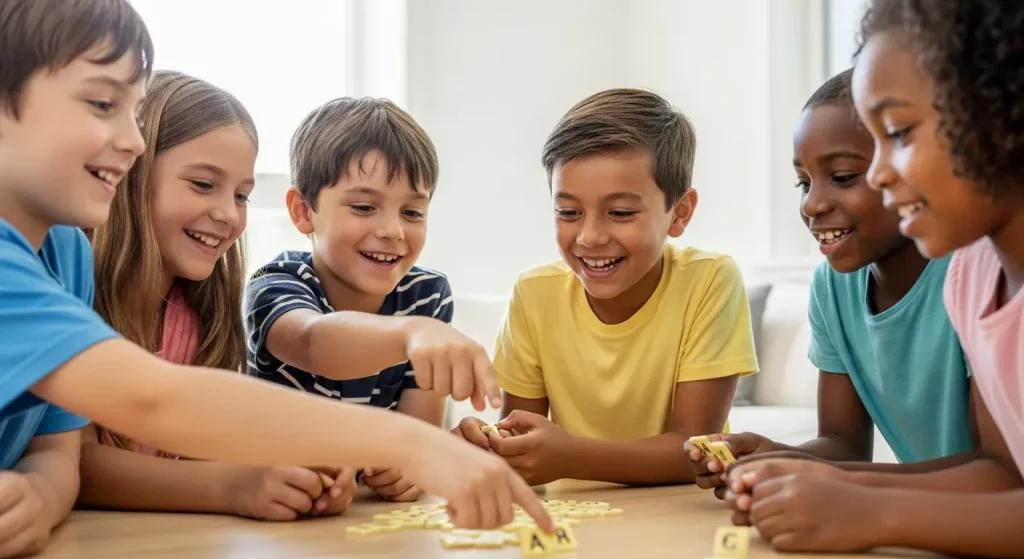
In the landscape of memory improvement games, social interaction acts as a crucial catalyst for cognitive development. Engagement with others not only transforms traditional solitary gameplay into vibrant communal experiences, but it also takes full advantage of the human desire for connection. As players gather to tackle challenges together, the dynamics of collaborative gameplay become a powerful tool for improving memory.
Mechanisms of Enhanced Learning
When players engage in memory games in a group setting, several psychological mechanisms come into play that significantly bolster learning and retention. These include:
- Active Participation: Memory improvement occurs most effectively when players are not just passive observers but active participants. Group discussions about strategy, rules, and outcomes keep everyone engaged and mentally stimulated. The act of verbally articulating thoughts and strategies can help cement information in memory.
- Social Reinforcement: The presence of peers creates a supportive atmosphere where players feel comfortable making mistakes and learning from them. This reinforcement encourages risk-taking and exploration, critical components of the learning process. When encouragement comes from friends or family, it can lead to a greater willingness to engage with complicated memory tasks.
- Collaborative Problem Solving: Players often learn better through collaboration. By brainstorming solutions to challenging tasks, individuals are exposed to diverse methods of approach and understanding, which can enhance their own cognitive flexibility. This shared effort not only benefits personal memory skills but helps develop critical thinking and strategic planning abilities.
Additionally, memory games that promote teamwork nurture an atmosphere of mutual learning. For instance, games like Pictionary or charades require not just memory recall but also a quick synthesis of clues and concepts, all while working alongside teammates. The resulting interactions not only stimulate the brain but also fortify interpersonal relationships and team-building skills.
The Influence of Competition
Another significant facet of social interaction in memory games is the element of competition. Friendly rivalry often emerges among players, inspiring them to push their cognitive limits. Incorporating competitive elements can transform ordinary play into a thrilling challenge, leading participants to sharpen their memory skills to outsmart their opponents. In settings like trivia nights at local bars or community gatherings, players find motivation not only in winning but also in excelling together.
Moreover, motivational research suggests that participants who engage in competitive settings may experience heightened dopamine levels, which can enhance learning and memory recall. This biological response, coupled with social influence, can create a formidable foundation for improved cognitive performance.
As we explore further into the role of interaction and collaboration in memory improvement games, it’s essential to recognize the wide-reaching implications this can have on overall cognitive health. The essence of playing together does more than entertain; it fosters an enriching environment that stimulates our minds, encourages resilience, and strengthens social bonds—all contributing to more robust memory enhancement.
The Influence of Social Interaction on Cognitive Development
Social interaction plays a pivotal role in enhancing cognitive capabilities, particularly in the context of memory improvement games. Engaging in these games with others not only fosters a competitive spirit but also encourages cooperative learning. When players collaborate or compete, they are often required to share strategies and insights, which can lead to a deeper understanding of the game mechanics and improve retention of information. This phenomenon is often referred to as the social learning theory, highlighting the importance of observation and collaboration in developing memory skills.Moreover, social interactions during gameplay can create a sense of community and belonging, which can further motivate individuals to participate and challenge themselves. The positive reinforcement that comes from interacting with peers can diminish the intimidation factor often associated with complex games. As players share successes or struggles, they build emotional connections that can enhance their overall gaming experience and, subsequently, their memory retention.
Enhancing Retention Through Communication
Memory improvement games that incorporate social interaction allow participants to verbalize their thought processes and memories, which can lead to improved recall. Discussing game outcomes, strategies, and experiences encourages players to articulate their understanding and can solidify learned concepts. This type of verbal processing is an important tool in cognitive psychology, as it reinforces memory pathways that aid in retention. Players might find that they can recall details better after discussing them with others, which speaks to the impactful role of social dialogue in memory retention.In addition to these cognitive benefits, memory improvement games that involve social interaction can also enhance motivation and engagement. When players see others succeed, they may be inspired to improve their own skills, leading to increased participation and more significant memory enhancements. The competitive nature of these games can stimulate not just individual growth but also a collective drive towards achieving cognitive goals.
Conclusion
Through these layers of social interaction, memory improvement games become not merely leisure activities but influential cognitive tools. Individuals can gain more than foundational memory skills; they can foster essential interpersonal connections and boost their overall cognitive health. As we delve deeper into how social engagement shapes learning, exploring innovative memory improvement games offers a promising avenue for enhancing both personal and communal growth.
DISCOVER MORE: Click here for powerful memory techniques
The Psychological Benefits of Group Engagement
Beyond the cognitive advantages, the social aspect of memory improvement games brings forth a range of psychological benefits that enhance the overall gaming experience. When individuals partake in these activities as a group, an emotive and stimulating environment is cultivated that not only supports memory retention but also nourishes mental wellbeing.
Boosting Motivation and Engagement
A strong sense of belonging can significantly bolster motivation levels during memory games. When people play together, they tap into the shared goal of achieving success as a team, which can ignite intrinsic motivation. This connection to others—whether family, friends, or colleagues—fuels energy and excitement, making participants more likely to immerse themselves fully in the challenges laid before them.
For instance, games like Escape Room experiences encourage groups to work collectively under pressure to complete tasks and solve puzzles. The collaborative environment creates high-stakes alertness, drawing players in and sustaining their focus, ultimately leading to increased retention of information as they strive to beat the clock and achieve success together.
Building Emotional Resilience
Additionally, memory games steeped in social interaction can contribute to the development of emotional resilience. Engaging with peers helps individuals cultivate coping strategies in the face of defeat or difficulty. When players support one another through challenges, they learn to handle pressure and develop a growth mindset—viewing setbacks as opportunities for growth rather than failures.
Research indicates that individuals who engage in collaborative learning experiences report lower levels of anxiety and stress. An example often highlighted in psychological studies is the impact of support groups or team sports, where team members are encouraged to share their thoughts and feelings. This interaction often leads to mutual understanding and provides a safer space to navigate the complexities of memory tasks together, bolstering confidence while improving memory skills.
The Role of Communication
Effective communication is another critical element inherent in memory improvement games featuring social interaction. Players learn to articulate their thoughts, inquiries, and strategies, which fosters critical social and cognitive skills. In games like Telephone or Team-based Trivia, for example, clear communication and cooperation are essential to success. The ability to convey ideas succinctly and listen responsibly sharpens both verbal skills and memory recall.
Moreover, cognitive psychology suggests that discussing and explaining concepts to others aids in the internalization of those ideas. This ‘teaching effect’ can be potent motivators. When players take turns guiding their peers or articulating strategies, they reinforce their own understanding and enhance recall through the process of expression.
Strengthening Social Bonds
Importantly, the relationships forged through shared challenges extend beyond the gaming experience. Players often find that their interactions strengthen friendships and create a support network that fosters continued engagement in memory-improving activities. Regularly gathering for games can also contribute to maintaining social connections and improving overall life satisfaction, which are intertwined with cognitive health.
In an age where digital interactions often replace face-to-face engagements, the importance of nurturing social connections through cooperative memory improvement games is more vital than ever. This facet of social interaction not only enhances memory but also frames an enriching backdrop for dynamic human experiences, creating a holistic approach to cognitive enhancement.
LEARN MORE: Click here to discover the benefits of memory exercises
The Takeaway: Enhancing Memory through Connection
In conclusion, the interplay between social interaction and memory improvement games unveils a fascinating dimension of cognitive enhancement. As illustrated throughout the exploration of collaborative gameplay, the benefits extend far beyond the improvement of memory skills. Engaging in memory games within a group context fosters a sense of belonging and motivation, empowering participants to thrive in the face of challenges and build lasting emotional resilience.
The psychological and cognitive advantages achieved through unity in gaming environments underscore the importance of communication and teamwork. As players navigate tasks together, they not only fortify their memory through shared experiences and mutual encouragement, but they also cultivate essential social skills that enhance their overall cognitive abilities. This ‘teaching effect’ further amplifies memory retention, revealing how communicating concepts and strategies solidifies knowledge within individuals.
Moreover, the social bonds nurtured through these interactions contribute to a supportive network that extends the cognitive benefits of gameplay beyond the gaming table, promoting consistent engagement in memory-enhancing activities. As an increasing number of people seek opportunities to connect in meaningful ways, memory improvement games stand out as a delightful and efficacious strategy for mental and emotional wellbeing.
As we continue to navigate an increasingly digital world, embracing the power of social interaction in games becomes imperative. This realization invites individuals—whether friends, families, or colleagues—to leverage collaborative memory activities as a holistic approach to enhance cognitive health while simultaneously forging deeper connections. It is a win-win scenario that just might revolutionize our understanding of memory improvement.
Related posts:
The Impact of Memory Exercises on Cognitive Function in Older Adults
The Role of Memory Exercises in Preventing Age-Related Cognitive Decline
Exploring the Connection Between Memory Puzzles and Mental Health Benefits
The Impact of Memory Exercises on Cognitive Functioning in Older Adults
Innovative Memory Exercises for Enhancing Workplace Productivity
The Science Behind Memory Palaces: A Historical Perspective

Linda Carter is a writer and puzzle expert specializing in mind games, brain teasers, and cognitive challenges. With extensive experience helping individuals enhance their problem-solving skills and think critically, Linda shares her knowledge on our platform. Her goal is to empower readers with practical advice, engaging puzzles, and strategies to sharpen their minds and achieve success in the captivating world of mind games and puzzles.