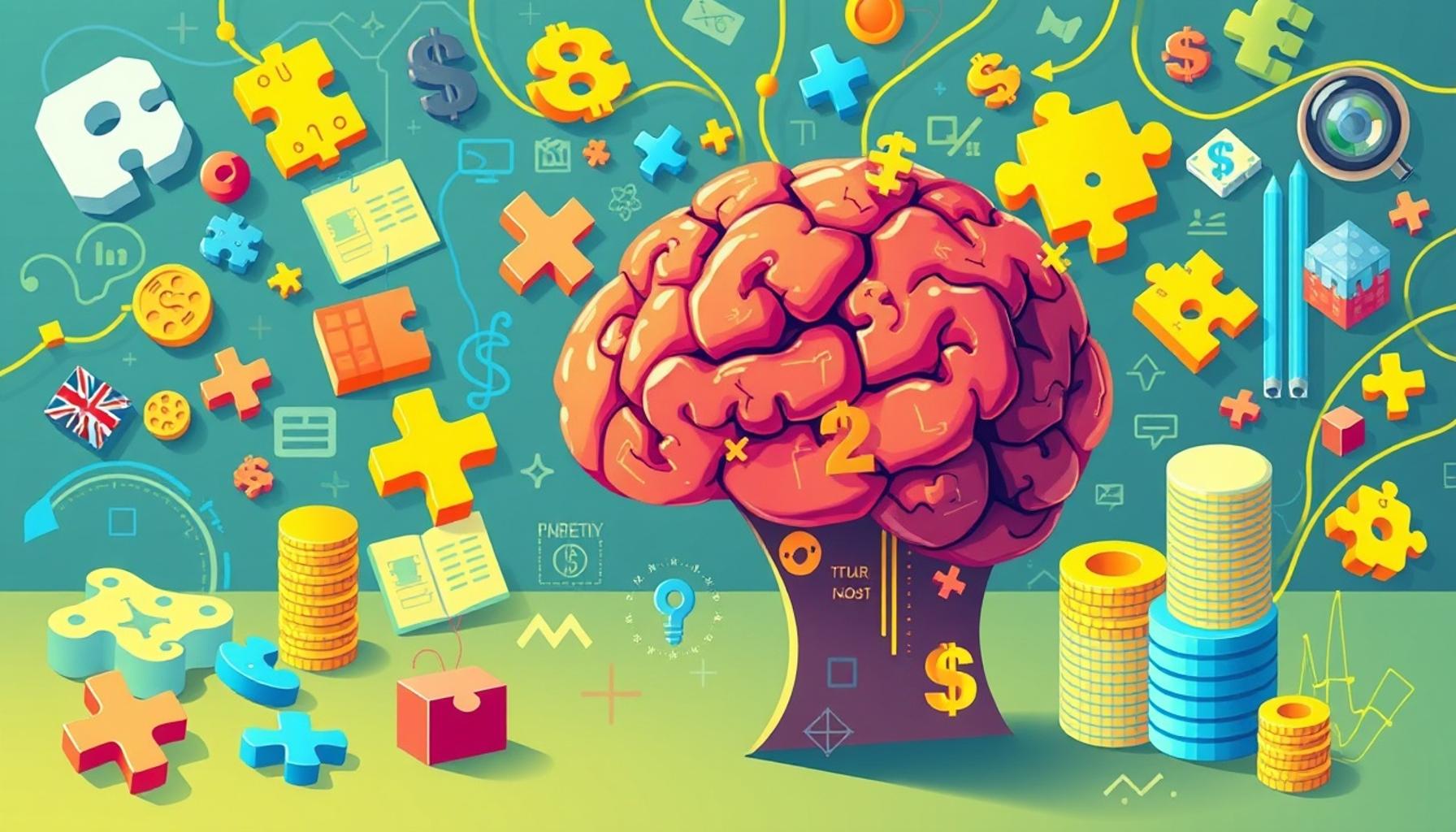
The Psychology Behind Logic Games: How to Solve Problems Creatively

The Psychology Behind Logic Games
Problem-solving can often feel like an overwhelming task, yet logic games offer a fascinating avenue for enhancing creativity. These puzzles engage our brain in unique ways, blending analytical thinking with imaginative approaches. But what drives us to enjoy these brain teasers? Delving into the psychology of logic games can uncover the mechanisms at work and reveal how these intriguing puzzles shape our minds and lives.
Unpacking the Mind
Understanding the psychology behind logic games reveals valuable insights into human cognition and creativity:
- Critical Thinking: Engaging with logic games such as chess or logic grids sharpens our reasoning abilities. Players must evaluate multiple possible moves and counter-moves, honing their capacity for strategic planning and foresight. In the long run, these skills translate to improved decision-making in both personal and professional contexts.
- Cognitive Flexibility: These games encourage adaptability, promoting creative solutions. For example, players of crossword puzzles often need to approach clues from different angles, which fosters a mindset that embraces diverse perspectives. This cognitive flexibility is essential for tackling complex problems in an ever-changing world.
- Intrinsic Motivation: The challenge of conquering a puzzle fuels our desire to improve. When we complete a Sudoku or solve a riddle, our brains release dopamine, a feel-good neurotransmitter. This sense of accomplishment not only boosts our mood but also reinforces our motivation to take on more challenging tasks in the future.
In the United States, logic games are prevalent in diverse formats—from Sudoku and crosswords to escape rooms and online brain challenges. As we immerse ourselves in these activities, we often overlook the deeper cognitive processes at work. By exploring these layers, we can harness our brain’s potential and tackle problems more creatively.
Why Logic Games Matter
Harnessing strategies from logic games can transform everyday challenges, equipping us with tools to innovate across various fields:
- Business Strategies: In the corporate world, developing unique solutions to complex problems is vital for success. Logic games encourage divergent thinking, allowing teams to brainstorm innovative approaches to marketing strategies or product development. For example, a company might use insights gained from strategy games to enhance team collaboration and conflict resolution.
- Education: In classrooms, enhancing learning experiences with interactive and engaging methods has become increasingly vital. Logic games can improve students’ cognitive abilities while also making learning enjoyable. Educators can integrate these games into their teaching to boost critical thinking skills and foster a love for problem-solving among students.
- Personal Growth: Engaging in these games builds resilience and adaptability when facing life’s hurdles. Whether it’s tackling unexpected challenges at work or navigating personal relationships, the skills gained through logic games help individuals maintain composure and think clearly under pressure.
As we delve deeper into the world of logic games, we prepare to discover not just how to solve puzzles but also how to think outside the box in every aspect of life. Each game serves as a microcosm of broader issues and requires a blend of creativity and analytical thinking, skills that lead to enhanced problem-solving abilities and innovative thinking in the real world.
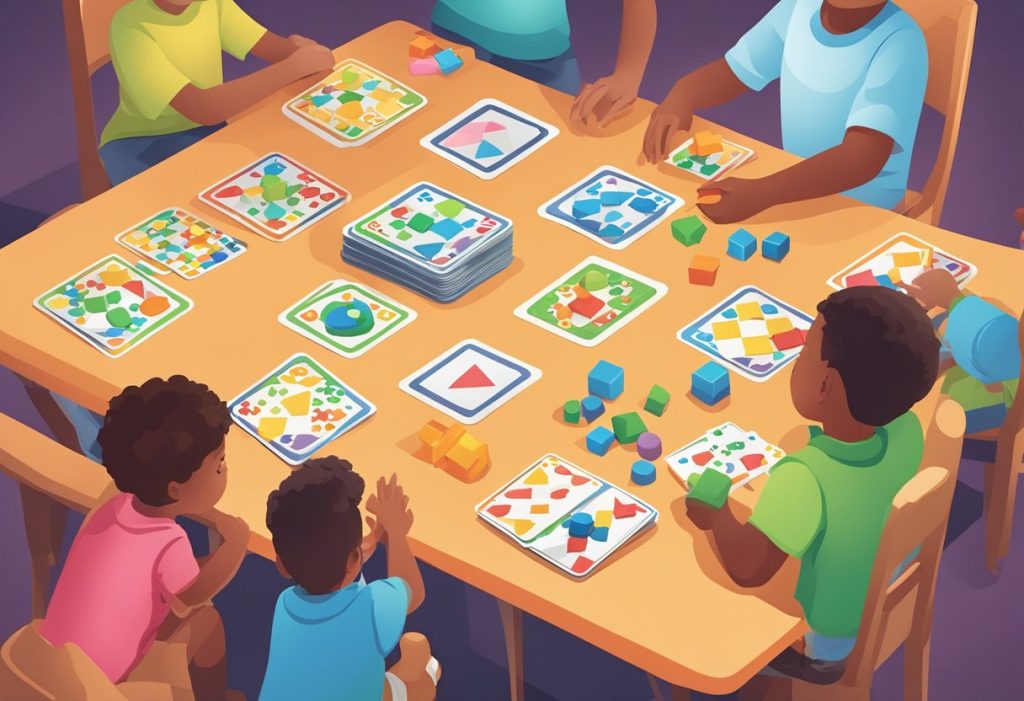
DISCOVER MORE: Click here to learn about strategic thinking through board games
The Mechanics of Logic Games
Logic games are not merely entertainment; they are intricate puzzles that stimulate our brains and influence our cognitive functions in profound ways. When we engage in these games, several psychological mechanisms come into play, shaping how we think, learn, and solve problems. Understanding these mechanisms is crucial for anyone seeking to harness their full potential.
At the core of logic games is a dynamic interplay between reasoning and creativity. As players navigate through these challenges, they engage both analytical and creative parts of their brains. This dual engagement serves as a cognitive workout, enhancing neural connectivity and fostering a more agile mindset. Here are some key mental processes activated by logic games:
- Pattern Recognition: Logic games require players to identify patterns and make connections that may not be immediately obvious. This ability to discern relationships between elements sharpens our overall analytical skills, equipping us to spot trends and insights in various areas of life, from data analysis to personal decision-making.
- Problem Deconstruction: Breaking down complex puzzles into manageable components is a vital skill developed through logic games. This practice of deconstructing problems is applicable in real-world scenarios, allowing individuals to tackle multifaceted challenges methodically and effectively.
- Strategic Planning: Engaging with games such as chess not only requires immediate tactical decisions but also long-term strategic foresight. Players must anticipate their opponent’s moves while also being prepared to adjust their own strategies on the fly. This planning enhances our ability to think several steps ahead in both competitive and collaborative environments.
The impact of these games extends beyond the immediate enjoyment of solving a puzzle. Research shows that regular engagement with logic games can lead to long-term cognitive benefits. A study from the American Psychological Association indicated that participants who played such games exhibited improved memory and enhanced cognitive flexibility compared to those who did not partake in such activities. These findings suggest that logic games serve as a brain-training tool, essential for maintaining cognitive health as we age.
Moreover, the societal implications of engaging with logic games cannot be overstated. In environments such as schools and workplaces, incorporating these games can foster a culture of innovation and creative problem-solving. For instance, tech companies often utilize logic-based activities during team-building exercises to encourage collaboration and out-of-the-box thinking. This application demonstrates how learning through fun can yield significant benefits for team dynamics and productivity.
As we explore the psychological intricacies of logic games, it becomes clear that these activities do more than simply challenge our minds; they shape how we approach problems and foster a culture of creativity that transcends the gaming world. By understanding the cognitive benefits of logic games, we can better appreciate their role in cultivating a mindset geared towards innovative solutions.
Logic games engage the mind in unique ways, often revealing unexpected pathways to creative problem-solving. Understanding the psychological principles at play can enhance not only our approach to these games but also our everyday problem-solving skills. For instance, the concept of cognitive flexibility plays a crucial role in how individuals navigate through logic games. This ability allows a person to adapt their thinking and approach when faced with new information or obstacles, fostering innovative solutions rather than sticking to rigid thought patterns.
Moreover, motivation is a significant factor affecting performance in logic games. The intrinsic motivation stemming from curiosity and the challenge presented by these games can drive individuals to explore deeper levels of thought and creativity. Research indicates that when players are genuinely engaged, they are more likely to think outside the box and employ lateral thinking techniques, which further sharpens their overall cognitive skill set.
Studies show that individuals who regularly engage in logic games tend to develop improved problem-solving abilities in real-world scenarios. This is because the brain strengthens its neural connections through consistent practice, enhancing skills such as critical thinking and strategic planning. Consequently, leveraging these skills can lead to better decision-making and more effective outcomes in various aspects of life and work.
Understanding the intricate relationship between the psychology of logic games and creative problem-solving not only deepens our appreciation for these puzzles but also opens new avenues for personal development. By delving into how game mechanics influence thought processes, we can equip ourselves with strategies that transcend gaming, empowering us in the challenges we face daily.
| Category 1 | Category 2 |
|---|---|
| Cognitive Flexibility | Adapts thinking, fosters innovative solutions. |
| Intrinsic Motivation | Drives engagement, enhances creativity. |
Exploring these connections can deepen our understanding of problem-solving and inspire innovative practices that benefit not only individual growth but also collaboration in teams.
DIVE DEEPER: Click here to learn more
Unlocking the Mind: Cognitive Benefits of Logic Games
Delving deeper into the realm of logic games, it’s essential to recognize their profound impact not just on individual cognitive processes, but also on our emotional and social well-being. Engaging with these games can play a pivotal role in enhancing critical components of our psychology, empowering players to confront and adapt to life’s challenges with improved resilience and creativity.
One significant emotional benefit derived from solving logic games is the boost in self-efficacy. As players successfully navigate through complex puzzles and achieve victories, they cultivate a sense of accomplishment. This heightened sense of self-efficacy—the belief in one’s ability to accomplish tasks—can extend beyond the gaming environment. It allows individuals to approach real-world challenges with greater confidence and determination. Research from Stanford University highlights a positive correlation between problem-solving skills in gaming and enhanced self-confidence in academic and professional settings.
Additionally, logic games serve as a powerful means for improving emotional regulation. The challenges presented in these games often necessitate patience and persistence. Players learn to endure setbacks, strategize around failures, and remain composed under pressure. This development of emotional intelligence is crucial, especially in high-stress environments. Organizations increasingly recognize the value of employees with strong emotional regulation, leading to improved team performance and interpersonal dynamics.
Furthermore, logic games can act as a unique platform for social interaction. Many of these games are designed to be played collaboratively or competitively, making them excellent tools for building relationships. For instance, board games like “Catan” or digital platforms like “Among Us” encourage players to communicate, negotiate, and strategize with others. These social aspects not only enhance the gaming experience but also improve participants’ communication skills and foster a sense of community. Such engagements can lead to meaningful friendships and professional networks, reinforcing the notion that play is a critical aspect of human connection, even in adulthood.
- Stress Relief and Cognitive Recharge: Logic games also serve as a form of escapism, providing a welcome distraction from daily stressors. Engaging with these puzzles allows players to immerse themselves in a different world, reducing anxiety and offering a cognitive recharge. This mental break is particularly beneficial in today’s fast-paced environment, where burnout is increasingly common. Studies suggest that activities requiring concentration, like solving puzzles, can significantly decrease cortisol levels, leading to improved mental health.
- Learning through Failure: One of the most valuable lessons imparted by logic games is the acceptance of failure. Every misstep or wrong move in a game serves as an opportunity for learning, encouraging players to adapt their strategies and think critically about their decisions. This concept closely aligns with the growth mindset advocated by educational psychologists, where individuals learn to view challenges as opportunities for personal development rather than obstacles.
Through the intricate interplay of cognition, emotion, and social connections, logic games emerge as powerful tools for fostering a resilient and creative mindset. For those seeking to maximize their problem-solving aptitude and cognitive flexibility, embracing the world of logic games could very well be a transformative endeavor, leading to unparalleled growth in various aspects of life.
DISCOVER MORE: Click here to learn about the benefits of memory exercises
Conclusion: The Transformative Power of Logic Games
As we explore the psychology behind logic games, it becomes evident that their benefits stretch far beyond mere entertainment. These games serve as a cognitive exercise that sharpens critical thinking, enhances emotional intelligence, and fosters social connections. The building blocks of self-efficacy and emotional regulation cultivated through engaging with complex puzzles have transformative effects, empowering individuals to tackle real-life challenges with renewed confidence and creativity.
Moreover, the principles of learning through failure present in logic games equip players with essential life skills. By teaching players to view missteps not as setbacks but as valuable lessons, these games align with the growing recognition of a growth mindset in educational and professional contexts. This perspective encourages resilience, adaptability, and continual improvement—qualities that are increasingly crucial in our rapidly changing world.
In addition, the inherent social aspect of many logic games promotes communication, collaboration, and community-building. Whether through cooperative problem-solving or energetic competition, players create connections that enrich their social lives and professional networks. As societal interactions become more digital, these engagements remind us that the essence of play persists in nurturing human connections.
In conclusion, incorporating logic games into our daily routines offers not just a means of escape but a pathway to personal and professional growth. For individuals seeking to develop their problem-solving skills and enhance their psychological resilience, embracing these games is not merely an option; it is a smart investment in one’s cognitive and emotional well-being. So, whether you are a casual player or a serious game enthusiast, the world of logic games awaits, promising mental clarity, innovative thinking, and a chance at meaningful connections.
Related posts:
Developing Problem-Solving Skills with Puzzles: A Practical Guide
The Psychology Behind Logical Games: How to Solve Problems Through Puzzles
The Impact of Sudoku Games on Improving Critical Thinking and Problem Solving
The Importance of Intuition in Problem Solving in Board Games
Mental Stimulation: How Digital Puzzles Can Enhance Creativity and Problem-Solving Ability
The Intersection of Role-Playing Games and Complex Team Problem Solving

Linda Carter is a writer and puzzle expert specializing in mind games, brain teasers, and cognitive challenges. With extensive experience helping individuals enhance their problem-solving skills and think critically, Linda shares her knowledge on our platform. Her goal is to empower readers with practical advice, engaging puzzles, and strategies to sharpen their minds and achieve success in the captivating world of mind games and puzzles.