
The Impact of Memory Exercises on Cognitive Functioning in Older Adults
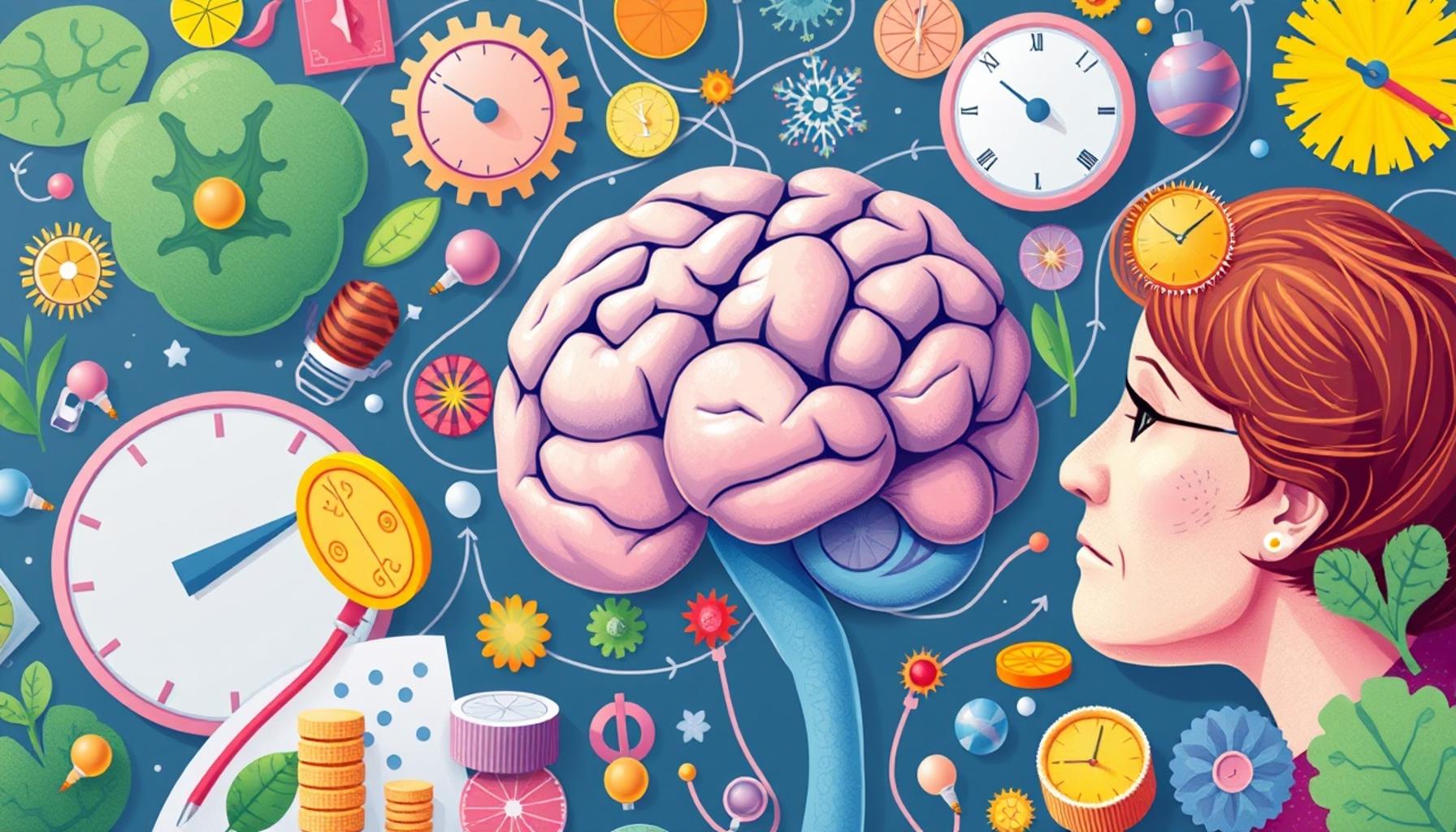
The Impact of Memory Exercises on Cognitive Health
The phenomenon of cognitive decline in older adults is a significant concern, particularly as millions grapple with conditions such as Alzheimer’s disease and other forms of dementia. Research increasingly indicates that engaging in memory exercises can play a transformative role in enhancing cognitive health. By exploring how these activities influence brain function, we can uncover strategies that promote a proactive approach to mental wellness in older adults.
Memory exercises encompass a variety of activities aimed at stimulating the brain and enhancing its capacity. For instance, enhancing memory retention is one key benefit of regular cognitive engagement. Studies have shown that frequent participation in activities such as memory games or recalling lists of words can improve the ability to retain valuable information over time. A fascinating case study involved a group of seniors who participated in memory retention workshops and demonstrated marked improvement in their ability to recall information compared to those who didn’t engage in similar activities.
In addition, these exercises can improve problem-solving skills. Activities such as puzzles, Sudoku, and even strategy-based board games encourage critical thinking. Participants must analyze, strategize, and navigate challenges, ultimately resulting in enhanced cognitive flexibility. One example is the “Brain Age” video game series, which was designed to stimulate various aspects of cognitive function. Anecdotal evidence from users has shown that regular play not only made them sharper but also made problem-solving tasks in daily life easier to manage.
Moreover, engaging the brain through these exercises can boost mood and confidence. As cognitive abilities improve, individuals often experience a heightened sense of self-efficacy and self-worth. This positive reinforcement is crucial, especially in combating feelings of depression or loneliness that may accompany aging. Programs such as “Cognitive Behavioral Therapy” integrated with memory exercises have emerged, showing promise in enhancing the mental health of seniors while fostering strong social connections among participants.
In the United States, the soaring population of older adults brings the issue of cognitive health to the forefront. As more seniors look to maintain their mental acuity, platforms offering memory-centric games and brain-training apps are increasingly popular. Digital resources such as Lumosity or Elevate provide brain exercises that are not only fun but also scientifically designed to impact cognitive function positively.

By delving deeper into the impact of memory exercises, we unlock effective strategies that may slow cognitive aging. This exploration goes beyond mere interest; it is a potential lifeline for older adults wishing to maintain their mental faculties and improve their quality of life. Whether through traditional games, modern apps, or community engagement, the path to better cognitive health is becoming clearer for those who seek to stride confidently into their golden years.
DIVE DEEPER: Click here to discover the link between nutrition and memory
Understanding the Mechanisms Behind Memory Exercises
The growing body of research concerning the impact of memory exercises on cognitive functioning in older adults highlights several compelling mechanisms through which these activities operate. The brain, often likened to a muscle, requires regular stimulation to remain sharp and effective. Engaging in memory exercises not only helps in maintaining existing cognitive pathways but also fosters the creation of new ones. This process, known as neuroplasticity, is crucial in combating cognitive decline.
One of the primary ways memory exercises contribute to cognitive health is through increased neural connectivity. When older adults engage in brain-stimulating activities, they enhance the connections between neurons, facilitating communication within the brain. This is particularly relevant when considering that aging is typically associated with a decrease in synaptic connections. A study conducted by neuroscientists at the University of California found that seniors who regularly performed memory exercises demonstrated enhanced synaptic plasticity, leading to improved cognitive processing speed and efficiency.
Furthermore, memory exercises are shown to bolster executive function, which encompasses a variety of cognitive processes such as planning, decision-making, and multitasking. Activities that require memory retention, like card games or word searches, challenge the brain to think critically and adaptively. According to a report from the National Institute on Aging, older adults who engaged in structured cognitive training exercises experienced significant gains in their executive function performance, resulting in better daily life management and increased adaptability in new situations.
The Importance of Variety in Memory Exercises
Incorporating a diverse range of memory exercises is essential for achieving optimal cognitive benefits. Here are some popular types of activities that have been identified to enhance cognitive functioning:
- Crossword puzzles: These word games not only challenge vocabulary but also enhance recall abilities.
- Memory matching games: Such games improve visual memory and concentration by requiring players to remember the positions of cards.
- Storytelling: Engaging in narrative construction boosts both memory and creativity, encouraging older adults to recall and share personal experiences.
- Brain training apps: Digital platforms such as Peak and Elevate provide a modern twist to traditional memory exercises, tailored to different skill levels and preferences.
Research has indicated that mixing these activities not only keeps the brain engaged but also prevents the exercise routine from becoming monotonous. A study published in the journal “Aging & Mental Health” noted that participants who engaged in a rotating array of cognitive tasks showed greater overall retention and improvement in cognitive tests than those who stuck to a single type of exercise.
As we delve into the impact of memory exercises, it becomes clear that these activities transcend mere entertainment. They serve as vital tools for enhancing cognitive functioning among older adults, paving the way for a more enriching, fulfilling life as they age. The science behind these exercises demonstrates that it is never too late to strengthen one’s brain, a discovery crucial for families and caregivers of seniors across the United States. Embracing memory exercises is becoming increasingly recognized as a proactive step towards safeguarding cognitive health in one’s later years.
| Advantages | Impact on Cognitive Health |
|---|---|
| Enhanced Memory Retention | Memory exercises promote neural plasticity, allowing the brain to adapt and reorganize itself, which is crucial for maintaining memory in older adults. |
| Improved Problem-Solving Skills | Regular mental challenges can lead to sharper analytical thinking, enhancing the ability to tackle daily life challenges effectively. |
As researchers have delved deeper into cognitive health, it is clear that engaging in memory exercises can significantly mitigate the effects of age-related cognitive decline. A study conducted by the National Institute on Aging highlights how activities, such as crossword puzzles and practicing imagery, can help sustain and even improve cognitive functions in older adults.Another notable advantage of memory exercises is their potential to elevate one’s overall emotional well-being. Engaging regularly in such activities has been associated with a reduction in anxiety and depression, which can otherwise interfere with cognitive performance. Furthermore, social activities that incorporate memory challenges, like memory games in group settings, not only enhance cognitive abilities but also foster social interaction, keeping spirits high and promoting a sense of community. In essence, the importance of memory exercises extends beyond just memory retention; it encompasses overall mental health and social engagement, factors that are vital for the ongoing cognitive functioning of older adults. As these insights unfold, it becomes imperative for caregivers and practitioners to consider integrating memory exercises into their routines, capitalizing on their profound benefits.
DIVE DEEPER: Click here to unlock memory-boosting tips
Long-Term Benefits of Memory Exercises on Cognitive Aging
The journey of cognitive decline in older adults is a significant concern, but engaging in regular memory exercises can provide long-lasting benefits that extend far beyond mere entertainment. The implications of these exercises are profoundly positive, as they not only improve immediate memory function but contribute to a more resilient cognition over time. For example, research conducted by the University of Wisconsin-Madison indicated that participants who dedicated just 10-15 minutes a day to memory exercises showed enduring improvements in overall cognitive abilities, persisting even months after the exercises ceased.
One of the key benefits of memory exercises is their potential to reduce the risk and delay the onset of serious cognitive conditions such as Alzheimer’s disease and other forms of dementia. A longitudinal study published in the journal “Alzheimer’s & Dementia” tracked older adults over a period of years and found that those who consistently participated in cognitive training were up to 50% less likely to develop mild cognitive impairment compared to those who did not engage in these activities. This significant statistic emphasizes the preventative aspect of memory exercises, providing a proactive measure rather than a reactive response to cognitive decline.
The Role of Social Interaction in Memory Exercises
A not-so-obvious yet crucial aspect of memory exercises lies in the social interaction they often involve. Many forms of cognitive activities, such as group games or discussions around memories, foster a sense of community. This social engagement is critically important, as it has been shown to enhance cognitive performance in older adults by providing emotional support and reducing feelings of isolation. According to a study by the National Institute on Aging, older adults who regularly engaged in social memory exercises reported higher emotional well-being, which is intrinsically linked to cognitive health. The emotional stimulation derived from sharing stories or working collaboratively strengthens cognitive functions, illustrating the integrated approach to memory challenges.
Furthermore, physical health intersects with memory exercises in meaningful ways. Engaging in activities that involve movement, such as dance or certain memory-based exercises that require physical coordination, can lead to improved blood flow to the brain. A recent study from the Mayo Clinic emphasized that older adults who combined physical activities with memory exercises experienced cognitive benefits that were greater than those who performed cognitive tasks in isolation. This aerobic activity helps maintain cardiovascular health, which is essential for optimal brain function. As the brain relies on a consistent flow of oxygen and nutrients via blood, the synergy of both memory training and physical health emerges as a powerful ally against cognitive decline.
Current Trends in Memory Exercises
As technology advances, the accessibility and options for memory exercises are continuously evolving. With the surge of digital brain training games and applications like Lumosity and CogniFit, older adults have a rich toolbox at their disposal, allowing them to engage in tailored cognitive challenges. Studies indicate that these apps can lead to significant cognitive improvement, as they offer personalized feedback and progression tracking, motivating individuals to stay active in their cognitive engagement. Furthermore, community programs are emerging across the United States, integrating memory exercises into classes or workshops designed for seniors, fostering both cognitive agility and a sense of belonging.
As research continues to unfold the depth of how memory exercises enhance cognitive functioning in older populations, it remains clear that these activities provide essential support not only for mental health but also for improving quality of life. For families and caregivers, encouraging active cognitive engagement is an important step toward improving the holistic well-being of older loved ones.
DISCOVER MORE: Click here to learn about the benefits of group memory exercises
Conclusion
In conclusion, the findings surrounding the impact of memory exercises on cognitive functioning in older adults paint a hopeful picture for combating age-related cognitive decline. Engaging consistently in memory-enhancing activities offers not only immediate improvements in memory and attention but positions older adults on a path to long-term cognitive resilience. The evidence supporting these benefits, particularly in their role in reducing the risk of conditions like Alzheimer’s disease, is compelling and highlights the importance of proactive engagement in mental exercises.
Additionally, the social interactions that accompany many cognitive activities cannot be overlooked; they foster a sense of community and emotional well-being, both of which are critical in maintaining cognitive health. As research continues to unveil new insights, the intersection of memory exercises, social engagement, and physical health becomes increasingly significant. Older adults who combine these elements are finding themselves equipped with better cognitive tools to navigate the complexities of aging.
With the rise of technology and innovative digital brain training programs, there are more accessible opportunities than ever for seniors to partake in these enriching activities. By encouraging not just participation in memory exercises, but also fostering an environment that prioritizes social connections and physical health, we can significantly enhance the quality of life for older adults.
As families and caregivers, understanding and promoting these facets of cognitive engagement can lead to profound improvements in the everyday lives of older individuals, enhancing their mental agility, emotional health, and overall well-being. The journey of cognitive aging may be inevitable, but with targeted memory exercises, we can shape how that journey unfolds.
Related posts:
The Role of Memory Exercises in Preventing Age-Related Cognitive Decline
Fun and Engaging Memory Games for Children: Building Skills Through Play
The Role of Social Interaction in Memory Improvement Games
Memory Exercises for Students: Techniques to Enhance Learning and Retention
Exploring the Connection Between Memory Puzzles and Mental Health Benefits
The Science Behind Memory Palaces: A Historical Perspective

Linda Carter is a writer and puzzle expert specializing in mind games, brain teasers, and cognitive challenges. With extensive experience helping individuals enhance their problem-solving skills and think critically, Linda shares her knowledge on our platform. Her goal is to empower readers with practical advice, engaging puzzles, and strategies to sharpen their minds and achieve success in the captivating world of mind games and puzzles.