The Evolution of Board Games as a Tool for Group Problem Solving

The Evolution of Board Games as Collaborative Tools
Board games have come a long way from their traditional roots, where they were primarily seen as forms of leisure. Today, they serve multifaceted purposes that extend beyond mere entertainment; they are recognized as essential instruments for group problem solving. As our societies evolve, navigating complexity often requires collaborative effort, and engaging in board games emerges as an ideal platform for fostering teamwork.
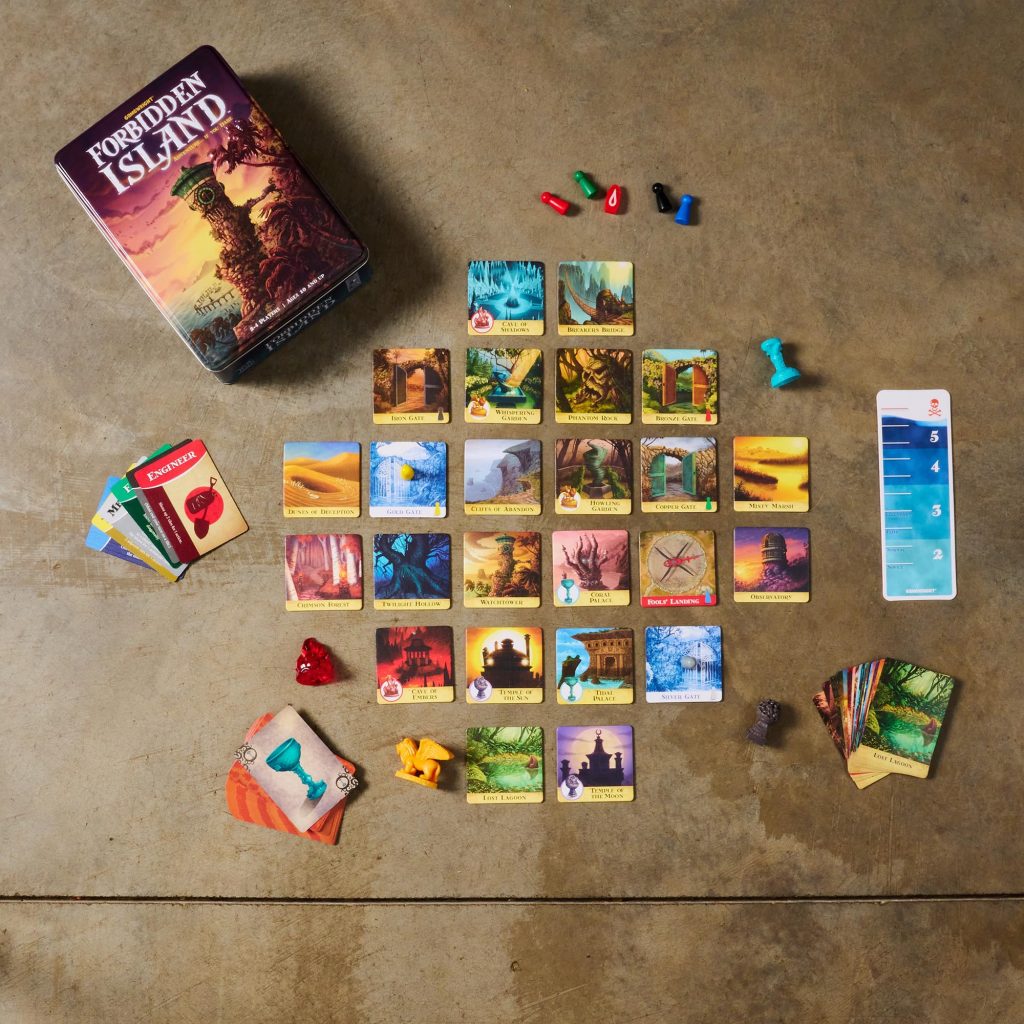
Historically, games like chess have showcased strategic thinking for centuries, reflecting the social structures and philosophies of their times. Chess, with its intricate strategies and emphasis on forward-thinking, has been a tool for developing tactical skills. In contrast, modern cooperative games, such as Pandemic or Forbidden Island, require players to unite against a common goal, reinforcing the importance of collaboration over competition.
Changing Educational Landscapes
In educational settings, board games have transitioned into valuable pedagogical tools. Many teachers incorporate games into their curricula to cultivate critical thinking and teamwork among students. For instance, games like Scrabble enhance vocabulary and spelling skills, while Catan encourages resource management and negotiation tactics. By integrating these games into lessons, educators can create engaging environments where learning is interactive and collaborative, making the educational experience more enjoyable for students.
Innovative Corporate Training
Corporate training programs are also embracing the use of board games to promote teamwork and problem-solving abilities. Employers recognize that traditional methods can be dry and uninspiring, leading to disengagement. In response, companies have started utilizing games such as The Game of Life or even custom-designed scenarios that mirror workplace challenges. These activities encourage employees to work together and think creatively to overcome obstacles, thereby enhancing their ability to collaborate in real-world tasks.
- Historical Significance: The journey from ancient strategic games to contemporary cooperative formats highlights the evolution of societal values and skills.
- Educational Tools: Classrooms fostering critical thinking through board games encourage strategic discussions and peer interactions.
- Corporate Training: Businesses leverage game mechanics to inspire innovative thinking and collaborative problem-solving during workshops.
The underlying mechanics of rolling dice or moving pieces often obscure the sophisticated dynamics that promote collaborative skills. Participants must confront challenges collectively, making decisions that can affect all players. As we delve deeper into the history and application of board games, it becomes evident that their contribution to enhancing collaborative problem-solving is significant and far-reaching.
Join us on this exploration of how board games have been redefined to not only entertain but also educate, unite, and inspire creativity in groups, paving the way for new methodologies in tackling collective challenges.
DISCOVER MORE: Click here for deeper insights
Board Games as Catalysts for Critical Thinking
The role of board games as collaborative tools extends beyond simple enjoyment; they actively cultivate critical thinking and problem-solving skills in groups. The transformation from solitary or competitive play towards collaborative engagement mirrors societal shifts toward teamwork and shared goals. This evolution has allowed board games to become essential for navigating complex challenges across various settings.
To illustrate this development, one must consider the rise of games designed specifically for cooperative play. Titles like Pandemic and Gloomhaven allow players to set aside competition in favor of joining forces to achieve a common objective. In these games, the collective intelligence and varied perspectives of players become fundamental to success. Players discuss their strategies, weigh risks, and devise solutions together, which cultivates a deeper understanding of group dynamics.
The Science Behind Collaborative Play
Recent studies have shown that engaging in collaborative board games can lead to improved communication skills and enhanced group cohesion. When participants discuss their choices, they employ critical reasoning to evaluate different perspectives, which promotes mutual respect and understanding. A study by researchers at the University of Colorado found that group problem-solving scenarios led to a 25% increase in effective communication among participants when engaged in gameplay compared to traditional team-building exercises.
Additionally, many of today’s board games incorporate elements of gamification. This trend enhances engagement through interactive challenges that require players to think outside the box. For example, games designed with narrative elements can immerse players in scenarios that demand innovative solutions. As they encounter obstacles in the game, they must brainstorm strategies, analyze results, and adapt their approach dynamically. This mirrors real-life problem-solving, preparing participants for challenges they may face outside the gaming table.
- Enhanced Communication: Collaborative gameplay fosters dialogue and improvements in verbal and non-verbal communication.
- Creative Problem Solving: Players learn to think on their feet, adapting strategies in response to unforeseen challenges.
- Increased Team Cohesion: Engaging with one another in a fun context strengthens relationships and promotes bonds among team members.
As board games continue to evolve, they increasingly resonate with the notion that success is seldom achieved in isolation. The dynamics established through gameplay pave the way for participants to practice teamwork and collective problem-solving in a safe environment. This trend not only reveals the educational potential of board games but also highlights their capacity to reshape how individuals approach challenges together.
The next phase of this exploration will delve into specific genres of games that have found their place in educational and corporate settings. Understanding these applications will further underscore the significance of board games in molding collaborative skills essential for modern teamwork.
| Advantages | Key Insights |
|---|---|
| Enhanced Communication | Board games foster open dialogue and encourage players to articulate their thoughts and ideas while strategizing. |
| Critical Thinking Skills | Players must evaluate scenarios and make strategic decisions, honing their problem-solving abilities in a collaborative environment. |
The evolution of board games as a tool for group problem solving is a fascinating journey that showcases their transformation from traditional pastimes to dynamic facilitators of teamwork and negotiation. Early board games, such as chess and Go, emphasized tactical prowess and foresight; however, modern adaptations like Pandemic and Codenames highlight cooperation and collective strategy. These games not only serve as entertainment but also help build a critical skill set necessary for addressing real-world challenges.Moreover, the increasing incorporation of technology into board games, such as hybrid or digital formats, enriches the way groups engage with these activities. They allow for varied representation, where players can engage from different backgrounds, fostering a sense of inclusivity. This blend of tradition and innovation ensures that board games remain relevant tools for enhancing group problem-solving capabilities, drawing interest from educators, businesses, and community organizations alike. The multifaceted benefits of these games invite deeper exploration and understanding of their impact on collaboration and creative solutions.
DIVE DEEPER: Click here to discover more insights
The Role of Board Games in Educational Settings
As the understanding of collaborative problem-solving evolves, educational institutions increasingly embrace board games as tools for teaching essential skills. Within classroom environments, these games not only serve as a means of entertainment but also provide a platform for experiential learning. Educators are recognizing how games can significantly enhance student engagement and retention of complex concepts.
For instance, games such as Settlers of Catán and Ticket to Ride have found their way into various lesson plans, inspiring students to collaborate and negotiate effectively. As they trade resources in Settlers, students practice economic principles such as supply and demand while honing their negotiation skills. Similarly, in Ticket to Ride, players strategize route-building while discussing geographical concepts, thus applying their knowledge through interactive play.
Case Studies: Board Games in Action
Several schools across the United States have implemented board game curricula with notable success. One such example is the use of the cooperative game Forbidden Island in middle school classrooms. This game challenges players to work together to collect treasures while facing obstacles such as flooding. In doing so, students not only learn about teamwork but also practice critical thinking as they discuss strategies to mitigate risks and make informed decisions collectively.
Moreover, nonprofit organizations are leveraging board games for team-building workshops. According to a report from the National Association for Play, organizations that incorporate board gaming into their team-building exercises witness a marked improvement in group dynamics, with a 40% increase in cooperative cooperation among staff. This growing trend highlights the potential of board games to facilitate group problem-solving and enhance workplace communication.
- Real-World Applications: Board games designed for educational purposes help students apply theoretical concepts in practical scenarios.
- Teacher-Driven Facilitation: Educators can guide discussions post-gameplay, encouraging reflection on decisions made during the game.
- Cognitive Skills Development: Games stimulate analytical thinking and promote adaptability by presenting unforeseen challenges in dynamic settings.
The intersection of board games and education demonstrates their profound influence on how groups approach problem-solving. As educational frameworks evolve, integrating board games fosters a culture of collaboration that prepares students for future challenges in their academic and professional lives. By experiencing cooperative gameplay, students not only develop essential skills but also cultivate a love for learning, making the educational journey more engaging and effective.
Incorporating board games as problem-solving tools within educational settings signifies a shift towards more interactive and impactful learning experiences. The next section will explore how corporate environments are tapping into the power of board games to promote teamwork and innovative thinking in the workplace.
DIVE DEEPER: Click here to uncover the secrets of creative problem-solving
Conclusion: Embracing Board Games as a Dynamic Problem-Solving Tool
The evolution of board games as a powerful tool for group problem-solving has transcended mere entertainment, emerging as a cornerstone in both educational and corporate settings. As explored throughout this article, the transformative journey of these games reflects a growing recognition of their ability to foster collaboration, critical thinking, and communication among participants. The integration of board games into curricula illustrates their potential to enhance experiential learning, enabling students to engage deeply with fundamental concepts in a cooperative environment.
Moreover, the demonstration of board games in various case studies highlights their effectiveness as team-building mechanisms in the workplace, promoting cooperation and innovative thinking. The findings, particularly from organizations that report significant increases in teamwork dynamics, emphasize a shift toward using interactive play as a strategy for enhancing group cohesion and problem-solving abilities.
This blend of education and play not only captivates audiences but also cultivates vital skills that are paramount in today’s fast-paced world. As we continue to see an uptick in game-based learning and team-building methodologies, it’s crucial to recognize that the future of both classrooms and workplaces may increasingly rely on these engaging and effective formats.
In conclusion, the journey of board games from home entertainment to essential educational and professional resources signifies a pivotal shift in how we approach problem-solving in groups. Embracing this evolution can lead us to develop stronger collaborative capabilities and enrich our collective experiences, making the challenges we face not only manageable but also enjoyable. As we delve deeper into this fascinating field, the potential for board games as a multifaceted tool for group problem-solving becomes boundless.
Related posts:
The Psychology Behind Logic Games: How to Solve Problems Creatively
The Psychology Behind Logical Games: How to Solve Problems Through Puzzles
Unraveling Mysteries: How Escape Games Enhance Collaboration and Creative Problem Solving
The Impact of Sudoku Games on Improving Critical Thinking and Problem Solving
The Importance of Intuition in Problem Solving in Board Games
The Intersection of Role-Playing Games and Complex Team Problem Solving

Linda Carter is a writer and puzzle expert specializing in mind games, brain teasers, and cognitive challenges. With extensive experience helping individuals enhance their problem-solving skills and think critically, Linda shares her knowledge on our platform. Her goal is to empower readers with practical advice, engaging puzzles, and strategies to sharpen their minds and achieve success in the captivating world of mind games and puzzles.