The Art of Strategic Thinking in Board Games: How to Develop Planning Skills
Unlocking the Power of Strategy
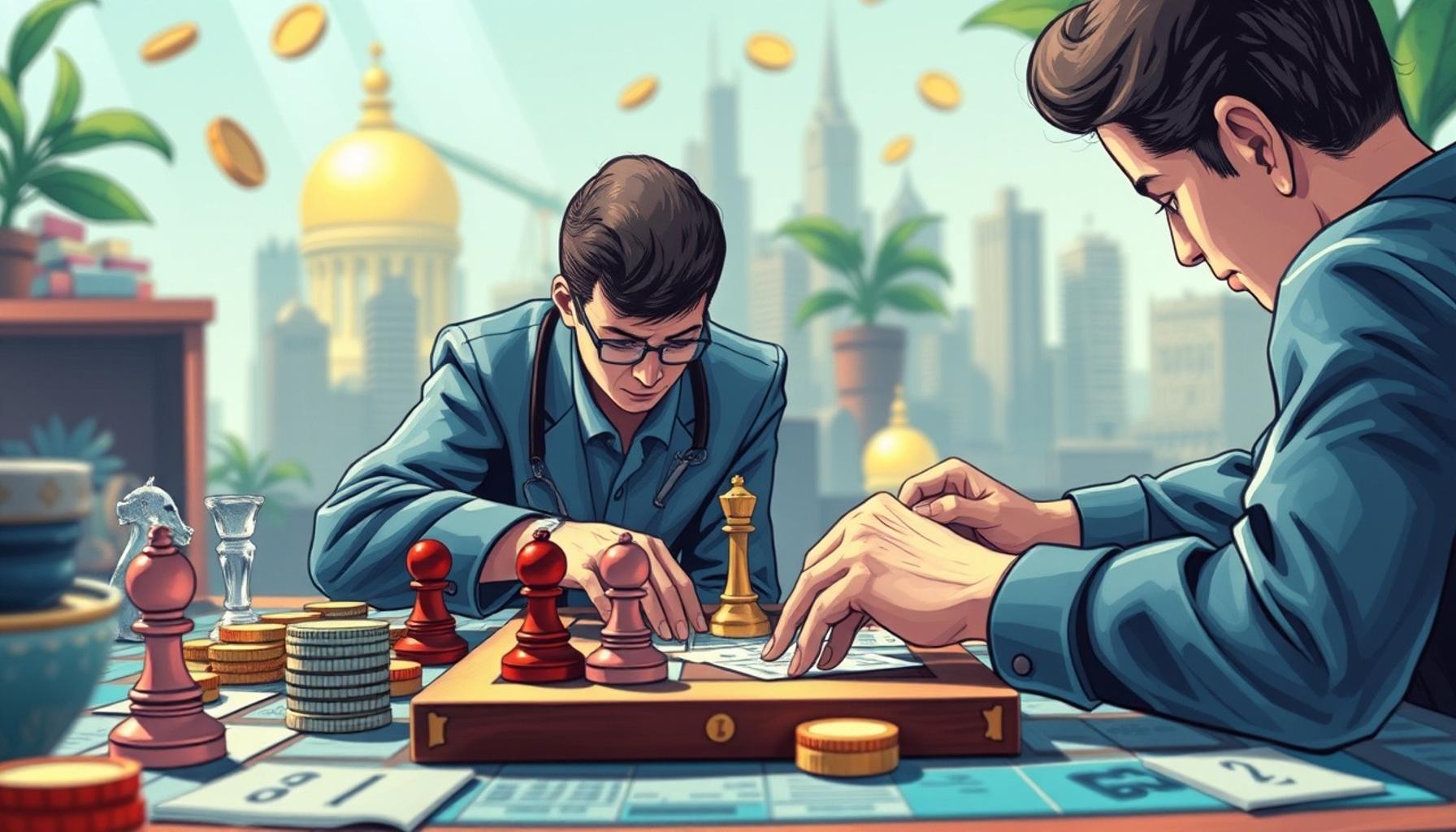
Board games have transcended generations, serving as a battleground for critical thinking and tactical planning skills. Each game is a unique landscape, where players navigate challenges, outsmart opponents, and devise winning strategies. This intricate dance of thought and action is not just about fun; it’s a vital exercise in developing planning skills that can significantly impact personal and professional life.
Why Board Games Matter
Engaging in board games can enhance your cognitive abilities by:
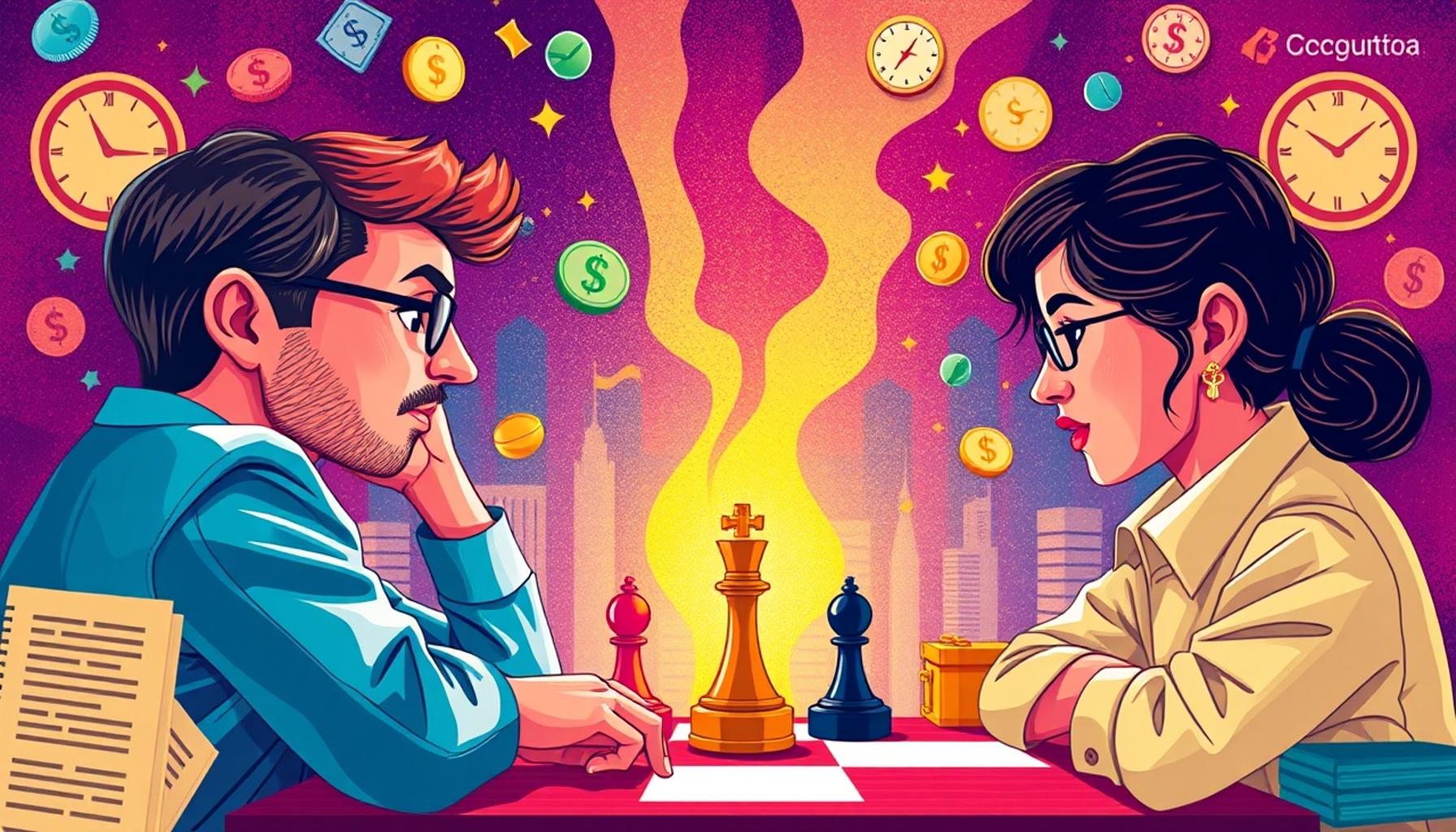
- Encouraging Critical Thinking: Players must evaluate risks and make decisions under pressure. For instance, in Chess, each player contemplates not just their next move but also anticipates the opponent’s strategy, fostering a mindset of analysis and foresight.
- Improving Problem-Solving Skills: Every move requires forethought and adaptability. In games like Pandemic, players need to respond to unexpected challenges and devise cooperative strategies to achieve a common goal, teaching valuable lessons in flexibility.
- Teaching Collaboration: Many games involve teamwork, fostering communication and strategy development. In games such as Codenames, successful play hinges on the ability to effectively share ideas and interpret clues with teammates—a skill transferable to workplace dynamics.
From classic titles like Chess and Go to modern sensations like Settlers of Catan and Pandemic, the variety is endless. Each game presents its own set of rules and strategies, making it crucial for players to adapt and think critically. Understanding the core principles of these games can be invaluable, translating to real-life situations that require long-term planning and strategic insight. For instance, the resource management skills honed in games like Catan can directly relate to budgeting in everyday life, demonstrating how structured gameplay enhances decision-making capabilities.
Engage with the Challenge
As you delve into the world of board games, you will uncover layers of strategy that mirror life’s complexities. The nuances of game mechanics and player interactions challenge you to think differently and approach problems from multiple angles. Shifting your perspective to see these games as tools for skill enhancement opens new doors to personal growth.
The journey into strategic thinking not only enriches your gameplay experience but also equips you with valuable tools to handle everyday challenges more effectively. Whether it’s negotiating your way through a complex project at work or navigating social dynamics in your personal life, the lessons learned at the game table can inspire confidence and creativity in tackling real-world scenarios. So, gather some friends, introduce them to a new game, and get ready to unlock the hidden potential of strategic thinking together!

DIVE DEEPER: Click here to learn more
The Mechanics of Thought: How Board Games Cultivate Planning Skills
At the heart of every engaging board game lies a complex web of mechanics, designed to challenge players’ strategic thinking and decision-making abilities. Understanding these mechanics is essential for success, but more importantly, they serve as a platform for honing the planning skills necessary in both competitive play and real life. By dissecting some popular board games, we can see how each element encourages players to think ahead, evaluate alternatives, and employ effective strategies.
Key Elements of Strategic Gameplay
When approaching the art of strategy in board games, certain principles consistently emerge. These elements not only define the game experience but also mirror the strategic planning necessary in personal and professional endeavors. The following points outline key aspects of strategic gameplay:
- Anticipation: Players must learn to predict opponents’ moves and counter them effectively. In advanced games like 7 Wonders, players anticipate the strategies of others while simultaneously devising their own, encouraging foresight and adaptability.
- Resource Allocation: Many games, such as Agricola and Terraforming Mars, emphasize managing limited resources wisely. Players must determine the optimal way to allocate time, energy, and materials, reinforcing the importance of budgeting resources in real-life scenarios.
- Long-Term Vision: Successful gameplay often requires players to develop a long-term strategy. For instance, in the game Scythe, players must think several turns ahead to secure their position on the board, echoing the need for strategic foresight in business planning.
- Flexibility: As conditions change—be it through an opponent’s successful move or an unexpected event—players must adapt their strategies. Games like Betrayal at House on the Hill require players to think on their feet, crucially teaching the importance of flexibility in changing environments.
These core elements reflect how engaging with board games equips players with a toolkit of skills that extend beyond the game itself. For example, when faced with a resource allocation challenge in a game, a player may develop an understanding of prioritizing tasks in their daily routine, illustrating a practical application of learned skills.
The Link to Real-World Applications
Many industry leaders and educators have recognized the potential of board games as teaching instruments for planning skills. Companies often use strategy games in workshops to foster team collaboration, innovative thinking, and problem-solving abilities. The interactive and competitive nature of these games creates a rewarding environment for personal growth and development.
Moreover, through continual play and exploration of different strategies, players enhance their ability to assess risks effectively and devise contingency plans—skills invaluable in high-pressure professional settings. This process of engaging with board games fosters a mindset geared towards critical analysis, strategic foresight, and adaptability, making it an underestimated yet powerful medium for skill enhancement.
As players dive deeper into their favorite games, they not only gain enjoyment but also unlock the profound potential for strategic thinking that translates seamlessly into everyday life. In the competitive world we live in, mastering these planning skills can set individuals apart, whether in the office or any other arena.
Strategic thinking is not just essential in board games; it’s a vital skill that can beneficially transfer to many aspects of life, enhancing problem-solving and decision-making capabilities. As players engage in these games, they learn the importance of anticipating opponents’ moves, which cultivates foresight and adaptability. Adopting various game strategies allows individuals to explore creative solutions and outcomes, leading to improved analytical skills. This trait becomes invaluable when navigating complex situations off the board as well, whether in business negotiations or everyday challenges.
Moreover, the development of planning skills through board games emphasizes the significance of resource management and prioritization. Players often find themselves balancing their strategies with limited resources, requiring them to make prudent decisions under pressure. Such gameplay scenarios empower participants to assess risks and rewards, ultimately honing their ability to think critically and act decisively.
A fascinating aspect of strategic thinking in board games is the variety of approaches and styles. For example, some games encourage players to build alliances, which fosters teamwork and communication skills, while others may emphasize the importance of solitary tactics, focusing on self-reliance and planning individual moves. This diversity not only enriches the gaming experience but also prepares players to approach real-world situations from multiple viewpoints, making them more versatile problem solvers.
Ultimately, the art of strategic thinking cultivated in board games serves to create well-rounded individuals who are equipped to tackle unforeseen challenges and navigate complex dynamics with confidence. By immersing themselves in this stimulating environment, players can unleash their potential and harness the skills necessary for success, both on and off the board.
| Benefits of Strategic Thinkings | Characteristics |
|---|---|
| Enhanced problem-solving abilities | Ability to foresee potential challenges and solutions |
| Improved decision-making skills | Increased capacity to weigh risks vs rewards effectively |
This intersection of gaming and strategic thought continues to fascinate scholars and enthusiasts alike, elucidating how pastimes can pave the way for practical life skills.
DISCOVER MORE: Click here to delve deeper
Designing Strategies: The Role of Game Mechanics in Enhancing Planning Abilities
Strategic thinking in board games is not just a matter of following rules; it involves a deep understanding of the underlying mechanics that guide play. These mechanics cultivate essential planning skills that players can leverage in their everyday lives. By examining game designs and how they shape strategic decisions, we can uncover valuable insights into effective planning.
The Influence of Game Structure on Planning
The structure of a board game plays a pivotal role in encouraging strategic thought. Games that incorporate multiple paths to victory, such as Ticket to Ride and Catan, challenge players to think critically about their moves. They must analyze not only their own position but also predict how others might respond, which requires careful manipulation of their strategies. This analytical approach is reminiscent of professional environments, where anticipating competitor moves can often make or break success.
Strategic Depth Through Gameplay Dynamics
Another significant aspect is the dynamics introduced by game mechanics such as turn-taking, action points, or event cards. For instance, in Power Grid, players must balance the immediate need for energy production against the long-term goal of expanding their networks. This dynamic drives participants to stretch their planning capabilities, weighing immediate benefits against potential future outcomes. Such experiences cultivate a forward-thinking mentality ideal for project management and strategic execution in workplaces.
Moreover, games that implement shifting objectives or evolving goals, like Cosmic Encounter, further enhance cognitive flexibility. Players must constantly adapt to new realities, an exercise that develops resilience and strategic flexibility valuable in fast-paced work environments.
Boosting Social Skills Through Strategic Interaction
Beyond analytical skills, board games often provide unique opportunities for social interaction. Many strategy games require negotiation, alliance-building, or even deception, enabling players to refine their interpersonal communication. Games such as Diplomacy and The Resistance necessitate forming temporary alliances and betrayals, offering real-time lessons in persuasion and conflict resolution. These skills are indispensable in team settings, helping individuals advocate for their ideas or build consensus towards a common goal.
Progressive Challenges: Learning through Play
Most board games increase in complexity the more they are played. Players are generally exposed to layers of strategy that gradually unveil deeper levels of thinking and planning. For example, mastering simple tactics in games like Chess may lead players to explore advanced openings and endgame techniques over time. This learning curve mirrors real-life scenarios where skills build upon foundational knowledge, emphasizing the importance of persistence and continuous improvement in achieving strategic goals.
As players engage with various board games, they learn to appreciate effective iteration of strategies, allowing them to refine their capabilities and adapt their planning accordingly. Each session becomes more than a game—it is an iterative process of learning, applying, and evolving, echoing the continuous nature of planning in personal and professional scenarios.
In this dynamic environment, board games establish an increasingly relevant framework for understanding strategic thinking. They do so while simultaneously providing enjoyment, social engagement, and opportunities for meaningful skill development that resonate well beyond the game table.
DISCOVER MORE: Click here for innovative memory exercises
Conclusion: Unleashing Potential Through Strategic Gameplay
The journey through board games is not merely a path of entertainment; it represents a powerful gateway to enhancing essential planning skills and strategic thinking. As we have explored, the interaction of game mechanics, structure, and dynamics encourages players to engage in critical analysis, adaptation, and foresight. Whether mastering balance in resource management in Power Grid or negotiating alliances in Diplomacy, each game serves as a microcosm for real-world strategic challenges.
Moreover, the iterative nature of gameplay fosters resilience and cognitive flexibility, enabling players to experiment with various strategies without fearing the consequences of failure. This practice mirrors professional environments, where adaptability to shifting landscapes is crucial for success. As players embrace these challenges, they learn to hone their decision-making abilities, preparing them to navigate complexities in both personal and professional contexts.
Ultimately, the art of strategic thinking in board games transcends the confines of the tabletop. By recognizing the value of these interactive experiences, individuals can uncover greater insights into their own planning skills and competencies. Whether you are a seasoned strategist or a newcomer to the board game realm, the lessons learned through play offer a unique opportunity for growth and development that is both intriguing and invaluable. So grab your game pieces, gather your friends, and embark on an adventure that sharpens both your mind and your future.
Related posts:
Unraveling the Enigma: Puzzles as Tools for Improving Decision Making
Puzzles and the Analytical Mind: How Logical Challenges Enhance Decision-Making in Competitive Scena...
Winning Mindset: How Strategy Games Enhance Resilience and Decision-Making
Strategy in Motion: How Action Games Stimulate Critical Thinking and Adaptation
Strategy Games and the Development of Mental Resilience: How Puzzles Help Tackle Challenges
Unveiling the Secrets of Chess: Strategies to Improve Strategic Thinking in Competition

Linda Carter is a writer and puzzle expert specializing in mind games, brain teasers, and cognitive challenges. With extensive experience helping individuals enhance their problem-solving skills and think critically, Linda shares her knowledge on our platform. Her goal is to empower readers with practical advice, engaging puzzles, and strategies to sharpen their minds and achieve success in the captivating world of mind games and puzzles.