The Art of Logical Challenges: Exploring Creativity Through Innovative Puzzles

Unlocking the Power of Thoughtful Puzzles
In a world dominated by rapid digital communication, the emergence of logical challenges has become a refreshing counterbalance. These puzzles captivate the mind, inviting us to detach from screens and embrace a more hands-on approach to problem-solving. From classic brainteasers to modern interactive experiences, puzzles spark our creativity in unique ways.
What makes logical challenges so compelling? To understand their allure, we can examine the multitude of benefits they provide:
- Enhances critical thinking: Engaging with these puzzles forces us to analyze and interpret information systematically. For example, solving a Sudoku requires understanding numerical patterns and applying logic to fill each grid correctly.
- Boosts creativity: Innovative puzzles often require out-of-the-box solutions, unlocking new perspectives. Take a lateral thinking puzzle, which encourages players to approach problems from alternative angles; this can stimulate creative brainstorming in everyday situations.
- Promotes social interaction: Collaborative puzzle-solving fosters teamwork and camaraderie. Games like escape rooms require groups to work together, honing their communication skills and building stronger connections as they unravel clues to advance.
Consider popular puzzle types like Sudoku, crosswords, or escape room scenarios. Each variety presents its own set of rules and strategies, all designed to challenge and entertain. In a typical crossword puzzle, for instance, one must ascertain synonyms and think critically about wordplay, thus expanding vocabulary and improving linguistic skills as well. Similarly, a jigsaw puzzle invites participants to visualize the big picture while diligently piecing together intricate details, promoting patience and focus.
In recent years, puzzles have evolved into more immersive experiences. The rise of virtual reality (VR) puzzles and mobile applications has made it easier for people of all ages to engage with these challenges. The popular app “Words with Friends” not only allows players to construct words but also connects them with friends, blending gameplay with social interaction in the digital space.
Stay with us as we uncover the layers behind these innovative puzzles and learn how they can transform the way we think, play, and connect with one another. As we dive deeper into this fascinating world of logical challenges, we invite you to explore how engaging with these puzzles can enhance your problem-solving skills and enrich your social interactions. The journey into the realm of puzzles is not only about finding solutions; it is about discovering new ways to engage with the world around us.
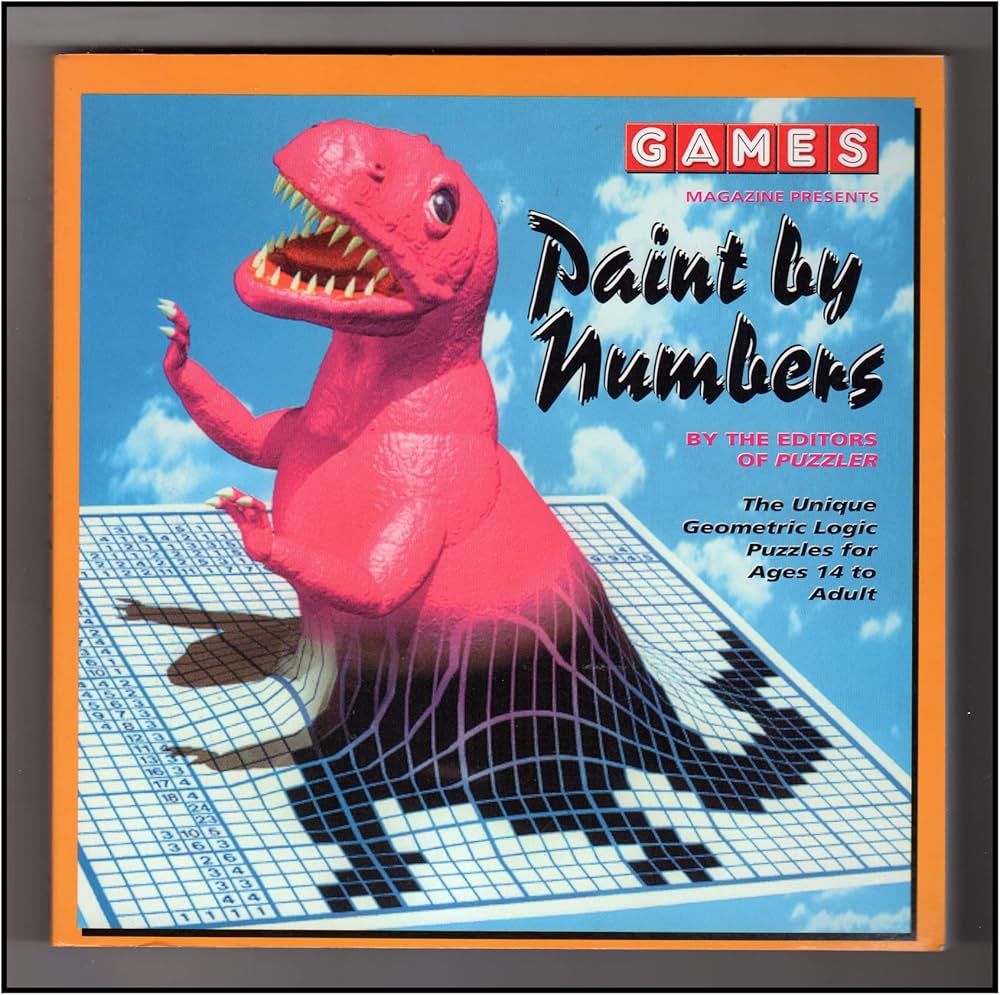
DIVE DEEPER: Click here to learn how problem-solving boosts your analytical skills
The Diversity of Puzzles: A Gateway to Innovative Thinking
Logical challenges come in many forms, each designed to stretch our minds in different ways. This diversity is part of their charm, as they cater to various skills and interests, making them accessible to a broad audience. From mathematical conundrums to spatial reasoning tasks, each puzzle is a unique invitation to think critically and creatively.
For instance, the ever-popular Sudoku has become a staple in daily newspapers across the United States. Engaging with Sudoku not only sharpens numerical skills but also teaches players how to strategize their problem-solving approach. Players must recognize patterns while ensuring that their choices comply with specific rules, leading to a rewarding sense of accomplishment upon completion.
An equally captivating option is the crossword puzzle, which challenges one’s vocabulary and general knowledge. Each clue can vary in difficulty, allowing solvers of all levels to engage with the craft of wordplay. This not only enriches one’s language skills but also encourages a keen awareness of semantics and context. Enthusiasts can even find themed crosswords, further enhancing the experience by connecting the puzzle to cultural or current events.
Beyond traditional paper-and-pencil puzzles, escape rooms have surged in popularity, particularly in urban centers. These immersive environments combine logical reasoning with teamwork, as players decipher clues and solve challenges under timed conditions. The collaborative nature of escape rooms fosters not only stronger connections among participants but also encourages a multifaceted problem-solving approach, showcasing how different minds can converge creatively. The need to think on one’s feet adds an exhilarating element, turning logical challenges into a thrilling adventure.
- Logic puzzles: In these challenges, players use deductive reasoning to uncover solutions. Examples include logic grid puzzles that require solvers to determine relationships between different entities.
- Mathematical puzzles: These often involve numerical challenges or sequences, promoting mathematical reasoning and problem-solving techniques.
- Visual puzzles: Jigsaw puzzles or riddles that necessitate spatial reasoning skills encourage creativity as one visualizes different configurations and outcomes.
The digital age has further transformed the landscape of logical challenges. Mobile apps and online platforms provide endless access to innovative puzzles that integrate elements of gamification, making them even more engaging. For instance, puzzle games like “Cut the Rope” or “The Room” compel players to think critically while navigating visually-stunning environments. Such experiences encourage players to experiment with solutions, fostering a mindset open to creativity and exploration.
This evolution of puzzles into interactive digital formats suggests that the art of logical challenges is merely beginning to unfold. The future holds endless possibilities as designers continue to push boundaries, creating new types of puzzles that not only entertain but also cultivate creativity and problem-solving skills in audiences of all ages. The journey does not simply end with solving a puzzle; rather, it opens doors to a deeper understanding of how we think and innovate.
| Advantage | Description |
|---|---|
| Cognitive Development | Engaging with logical challenges enhances critical thinking and problem-solving skills. |
| Boosting Creativity | Innovative puzzles encourage out-of-the-box thinking and inspire creative solutions. |
Engaging with logical challenges like those found in “The Art of Logical Challenges: Exploring Creativity Through Innovative Puzzles” not only sharpens your mind but also significantly boosts your creativity. Cognitive development is a pivotal benefit here; as individuals strive to solve intricate problems, they enhance their critical thinking skills, allowing for more effective decision-making in daily life. This process fosters a profound understanding of complex concepts.In addition, innovative puzzles often call for unconventional approaches, pushing solvers to explore unique pathways to find solutions. This not only makes the experience enjoyable but also stimulates the brain’s creative centers, which can ignite inspiration in various areas of life—be it art, science, or everyday problem-solving. By delving into these challenges, participants tap into a wellspring of creativity that can redefine their approach to life’s hurdles. Discover how integrating these puzzles into your routine can transform your cognitive capabilities and unleash untapped creativity.
DISCOVER MORE: Click here to learn about the fascinating history of memory palaces
The Educative Power of Puzzles: Enhancing Skills Beyond Entertainment
Beyond providing an enjoyable pastime, logical challenges hold significant educational value. They serve as tools for cognitive development, fostering skills such as critical thinking, analytical reasoning, and creativity. For students and lifelong learners alike, puzzles can be integrated into educational settings to enhance engagement and comprehension.
Research suggests that regularly engaging with puzzles can improve memory and cognitive functions. According to a study published in Neuropsychology Review, participating in logic and word puzzles can lead to enhanced brain function, particularly in areas associated with memory and problem-solving. Making puzzles a regular fixture in classrooms or at home can stimulate young minds, promoting skills necessary for academic success.
For example, math teachers might incorporate logic puzzles into their lesson plans to help students understand concepts such as problem-solving sequences and number theory. By framing math challenges as interesting puzzles, educators can turn complex subjects into engaging activities. This method breaks the monotony of traditional teaching, allowing students to learn through application rather than rote memorization.
The Role of Puzzles in Team Dynamics
In professional settings, logical challenges are increasingly recognized for their potential to enhance teamwork and collaboration. Engaging in puzzles as a group can help build stronger relationships among colleagues. They encourage improved communication and mutual trust as team members must collaborate to find solutions. This is particularly relevant in corporate training environments where fostering a collaborative culture is crucial for productivity.
Companies like Google and IBM have successfully integrated puzzles and team-building challenges into their corporate culture, promoting critical thinking and innovation. Such activities not only break the ice but also encourage a collective approach to problem-solving, where diverse perspectives can converge on creative solutions. This recognition of the importance of teamwork in logical challenges elevates the practice from a simple pastime into a valuable organizational strategy.
Innovative Puzzles: The Intersection of Art and Logic
The fusion of art and logic within many modern puzzle formats adds another layer to their appeal. Innovative puzzle designers are crafting experiences that stimulate both the analytical and the creative sides of the brain. For example, 3D puzzles, such as architectural models or intricate mechanical designs, challenge players to visualize spatial relationships while appreciating the artistic design behind each piece.
Moreover, recent trends have seen the rise of thematic puzzle events that blend storytelling with logical challenges. For instance, murder mystery puzzles invite participants to analyze clues while immersing them in a narrative. This combination of storytelling and problem-solving can spark creativity and deeper engagement, as players explore the narrative while working through challenges.
- Digital design puzzles: As technology advances, users can find interactive puzzle experiences on gaming platforms, where visuals and logic work hand in hand.
- Physical puzzles with augmented reality: The incorporation of AR technology into puzzles gives a unique visual experience, encouraging players to think outside the box.
- Collaborative mobile puzzles: Online games that require multiple players to communicate and strategize to solve puzzles enhance social interaction and collaborative skills.
The continual evolution of logical challenges reflects broader trends in society. As we embrace creativity and innovation through puzzles, we celebrate the intersection of logic, art, and collaboration, making the journey of exploration and discovery a multi-faceted experience. Whether one is an avid puzzler or just starting, the world of logical challenges presents opportunities both enjoyable and enlightening, inviting individuals to push boundaries and rethink their approach to problem-solving.
DIVE DEEPER: Click here to discover how puzzles can enhance your decision-making
Conclusion: Embracing the World of Puzzles
In conclusion, the art of logical challenges serves as a remarkable bridge between creativity and critical thinking, allowing individuals to experience the joy of problem-solving in diverse and innovative ways. As we have explored throughout this article, puzzles are far more than mere entertainment; they are dynamic tools that foster cognitive development and enhance essential skills applicable in various educational and professional settings. From classrooms to corporate offices, the integration of logical puzzles not only enriches learning experiences but also promotes teamwork and collaboration among colleagues.
The intersection of art and logic in modern puzzles continues to evolve, introducing engaging formats that captivate individuals of all ages. Whether it’s through immersive 3D designs, captivating narratives, or the latest in digital puzzle technology, the possibilities for exploration and creativity are endless. Moreover, the healing power of puzzles, particularly in moments of stress and distraction, serves as a valuable reminder of their mental health benefits in an increasingly complex world.
As we move forward, there lies a profound opportunity for educators, employers, and puzzle enthusiasts alike to embrace this multifaceted realm. By challenging ourselves through innovative puzzles, we not only sharpen our intellect but also celebrate the art of creative problem-solving. Therefore, let us dive into the world of logical challenges and unlock new dimensions of our thinking, forging a path toward enhanced creativity, collaboration, and lifelong learning.
Related posts:
Logical Challenges and Gamification: How Game Elements Transform Reasoning Learning
The Psychology Behind Logical Challenges: What Do They Do to Our Mind?
Logical Challenges in Groups: Strengthening Teamwork Through Mental Games
Logical Challenges and Decision Making: How Problem-Solving Enhances Analytical Skills
The Evolution of Logical Challenges: From Traditional Puzzles to Interactive Apps
The Evolution of Logical Challenges: From Antiquity to Modern Games

Linda Carter is a writer and puzzle expert specializing in mind games, brain teasers, and cognitive challenges. With extensive experience helping individuals enhance their problem-solving skills and think critically, Linda shares her knowledge on our platform. Her goal is to empower readers with practical advice, engaging puzzles, and strategies to sharpen their minds and achieve success in the captivating world of mind games and puzzles.