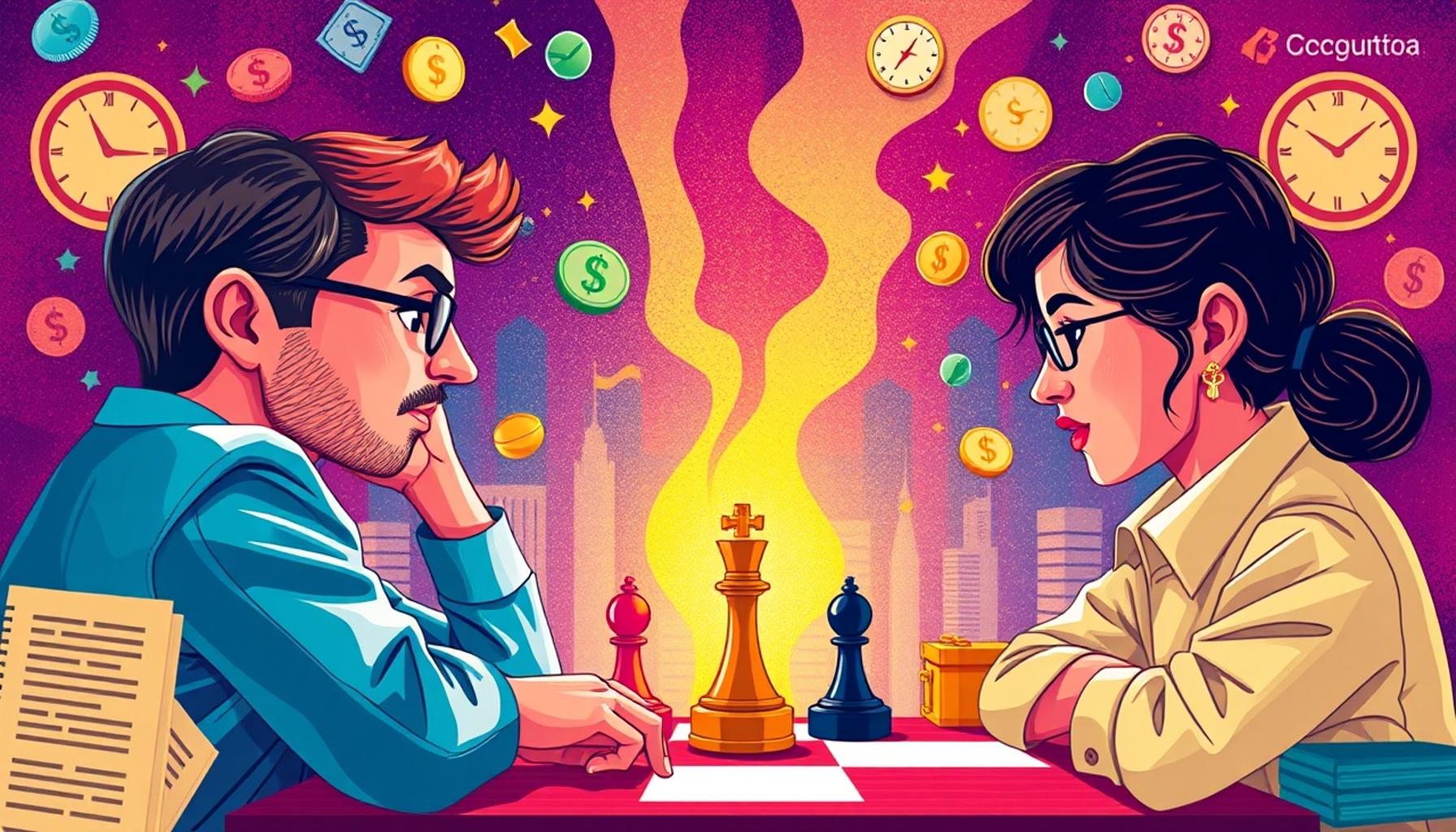
The Art of Anticipating: How Board Games Develop Strategic Thinking
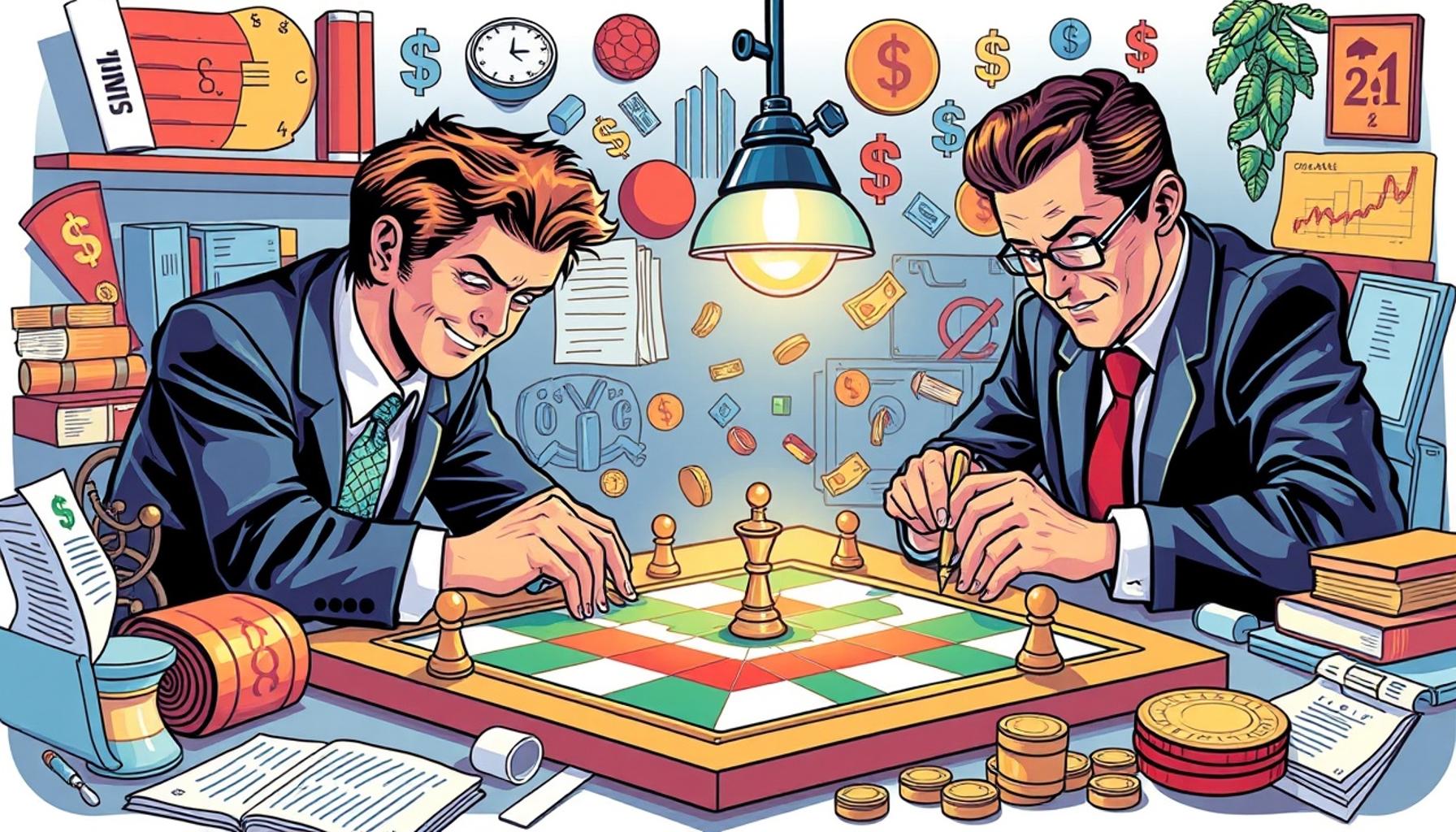
The Valuable Lessons Board Games Offer
Board games have captivated audiences for generations, providing not just enjoyment but also a robust arena for enhancing cognitive abilities. One of the most compelling benefits of engaging with board games is their capacity to cultivate strategic thinking. Players must hone their skills in forecasting opponents’ actions while simultaneously devising effective tactics, which nurtures a critical approach to problem-solving.
The essence of strategic thinking is encapsulated in several core concepts that emerge during gameplay, including:
- Risk Assessment: Players must weigh potential outcomes before executing their moves. For instance, in games like Monopoly, choosing to invest heavily in particular properties can either yield high rewards or lead to bankruptcy.
- Planning Ahead: Successful players visualize multiple steps into the future. This is especially evident in Chess, where a single move can set off a chain reaction leading to victory or defeat.
- Adaptability: As circumstances shift during the game, players are often required to pivot their strategies. For instance, in Settlers of Catan, acquiring resources can change rapidly based on other players’ actions, demanding a flexible mindset.
Popular board games offer rich opportunities to illustrate these principles:
- Chess: This timeless game epitomizes strategic foresight, with over 400 different openings and countless midgame strategies, making each match a fresh challenge. Players learn to anticipate not only immediate threats but also future moves several turns away.
- Settlers of Catan: A social strategy game that emphasizes resource management and negotiation. Players must develop settlements while anticipating others’ moves to secure prime locations on the board, showcasing the importance of collaborative and competitive dynamics.
- Ticket to Ride: In this route-building game, players connect cities across a map while thinking several steps ahead to predict their opponents’ paths. Strategic placement of train cards can mean the difference between winning and losing.
As players navigate the complexities and challenges of these games, they are often engaged in a profound learning experience. The skills nurtured at the game table can be translated into real-world scenarios, significantly enhancing decision-making skills both in personal life and professional settings. For example, the ability to assess risks and strategize can lead to better planning in business projects or personal endeavors like investing in stocks.
In today’s fast-paced environment, where quick decision-making is crucial, board games present an enjoyable yet educational way to prepare individuals for a strategic mindset. So, whether you are a casual player or a seasoned veteran, the art of anticipating moves and adapting strategies in board games not only shapes agile thinkers but also enriches their capacity to navigate life’s various challenges with confidence.

DISCOVER MORE: Click here to dive deeper
Building Blocks of Strategic Thought
At the core of every riveting board game lies a strategic puzzle waiting to be solved. This dynamic environment challenges players not only to think critically but also to intuitively grasp the motivations and potential moves of their opponents. As players immerse themselves in the game, they unknowingly engage in a rich learning experience that enhances their ability to anticipate future events—a vital skill in both personal and professional spheres.
To better understand how board games cultivate strategic thinking, it is essential to break down the various components that come into play. Each aspect contributes significantly to developing one’s foresight and adaptability, equipping players with tools that extend beyond the gaming table. Here are key areas where board games excel:
- Scenario Analysis: Each game creates unique scenarios that force players to consider multiple variables. For example, in Pandemic, team members must analyze how best to allocate their roles and resources to contain outbreaks. This teaches players to evaluate changing scenarios and to react accordingly, a skill that proves invaluable in high-stakes environments.
- Resource Management: Games like Catan and Power Grid challenge participants to handle limited resources effectively. Players learn to maximize potential through strategic allocation, which mirrors the decision-making necessary in various industries, from finance to project management.
- Predictive Insights: Anticipating opponents’ moves is critical in games such as Poker and Chess. Players must read non-verbal cues, make educated guesses based on established patterns, and leverage incomplete information to outmaneuver their competitors. This practice sharpens analytical skills that can be applied in negotiations or strategic planning.
As players move beyond mere enjoyment to fully engage with the strategies at play, they begin to cultivate a heightened sense of awareness. For instance, the intuitive ability to adapt strategies in games like Betrayal at House on the Hill fosters resilience, encouraging players to remain nimble even when confronted by unexpected challenges.
Moreover, the social component of board games cannot be overlooked. The interactions foster camaraderie and competition in equal measure, enabling players to experience the impact of their strategic choices in real-time. Research has shown that engaging in strategic games can enhance emotional intelligence, as players learn to navigate complex interpersonal dynamics while pondering the next move. The thrill of outsmarting an opponent provides immediate feedback, a crucial element in learning and self-improvement.
Ultimately, the benefits of mastering strategic thinking through board games extend far beyond the confines of gameplay. The skills cultivated in this playful environment can lead to more informed decision-making in everyday life, making board games a powerful educational tool that marries fun with cognitive development. In an era where rapid changes in technology and market conditions require quick thinking and adaptability, the art of anticipating through board games prepares individuals to face the challenges of the real world with poise and assurance.
| Category | Advantages |
|---|---|
| Critical Thinking | Board games encourage players to analyze situations, weigh options, and make informed decisions, enhancing their critical thinking skills. |
| Social Interaction | Games foster collaboration and communication, allowing players to negotiate strategies, thereby strengthening their interpersonal skills. |
| Creative Problem Solving | Players must think outside the box to devise unique solutions, enhancing their ability to tackle diverse challenges. |
| Adaptability | Board games often require players to adjust strategies swiftly, promoting a mindset of adaptability in various life scenarios. |
The ability to anticipate moves and plan ahead is a valuable skill cultivated through engaging in board games. Players learn to foresee potential outcomes and adjust their strategies accordingly, a practice that not only makes the game competitive but also translates into real-life situations. Whether it’s in professional environments or personal pursuits, the strategic thinking developed through these games enables individuals to approach challenges with greater confidence.Additionally, exploring various genres of board games can broaden understanding and application of strategic thinking. For instance, tactical war games emphasize resource management and long-term planning, while cooperative games promote shared decision-making. Both avenues reveal different dimensions of strategic thought, showcasing how varied experiences can enhance cognitive abilities in dynamic ways. By immersing oneself in the world of board games, the journey of mastering strategic thinking unfolds, enriching the mind with skills that extend beyond the gaming table.
DISCOVER MORE: Click here to learn about the power of group puzzles
The Role of Collaboration and Competition
While individual strategy is pivotal in board games, the dual aspects of collaboration and competition play crucial roles in enhancing strategic thinking. In today’s interconnected world, the ability to collaborate effectively is increasingly essential, whether in the workplace or social settings. Board games provide an excellent platform for players to practice these skills in a risk-free environment. Team-based games like Forbidden Island require collective strategizing to achieve a common goal, pushing players to communicate effectively and consider diverse perspectives. The necessity to rally together around a shared objective cultivates an understanding of group dynamics and the importance of teamwork, key elements in any organizational structure.
Simultaneously, the competitive element incentivizes players to hone their personal strategies. In games where players can betray one another, such as in Cash Flow or The Resistance, individuals must learn to read their peers, anticipate their strategies, and capitalize on any openings. This competitive edge drives players to refine their analytical skills and develop foresight, which can lead to improved decision-making abilities outside of the game. The interplay of competition and collaboration fosters a more well-rounded strategic thinker, enabling them to adapt to different situations that may arise in real-life contexts.
Learning From Failure
Another vital aspect of developing strategic thinking through board games is the learning process that comes from failure. Unlike in many competitive activities, board games allow for a safe space to test strategies without the stakes associated with actual businesses or critical decisions. When players lose a game, they are faced with an opportunity to evaluate their choices. In games like Risk or Settlers of Catan, mismanagement of resources or poor alliance choices can lead to defeat, prompting players to reflect on the decisions that led them to this outcome. This analysis of what went wrong encourages resilient thinking and promotes a growth mindset, where players learn that failure is often a stepping stone towards success.
Moreover, the iterative nature of board games means that strategies can be refined over multiple play sessions. Frequent players of cooperative games often observe how their approaches evolve in response to both victories and defeats. This iterative process mirrors scenarios encountered in professional settings where strategic adjustments are necessary based on market performance or evolving team dynamics. The critical feedback loop provided by board games reinforces the idea that adaptability is essential for successful strategy formulation.
Trends in Game Design and Strategic Learning
The increasing popularity of board games has spurred innovations in game design that further enhance strategic thinking. Modern tabletop games often integrate complex decision trees and expansive narratives, drawing players into deeply engaging scenarios. Games like Gloomhaven or Twilight Imperium illustrate how intricate designs not only challenge players’ basic tactical skills but also compel them to develop long-term strategies based on an evolving narrative landscape. These experiences cultivate a more profound understanding of long-term planning, risk assessment, and the balance between short-term gains and overarching objectives.
As board games continue to evolve, so too does their potential as educational tools for enhancing strategic thinking. Educational institutions and corporations are increasingly adopting board games in training programs, recognizing their capacity to teach critical thinking, problem-solving, and teamwork in engaging and enjoyable ways. By embracing these interactive platforms, learners are provided with the opportunity to master the art of anticipating, preparing them for the complex, unpredictable challenges of the future.
DISCOVER MORE: Click here to learn how strategy games enhance problem-solving
Conclusion: Embracing Strategic Insights Through Play
In conclusion, the art of anticipating is intricately woven into the fabric of board games, offering players invaluable insights into the mechanics of strategic thinking. By engaging in both collaboration and competition, individuals develop a nuanced understanding of group dynamics and personal strategy, paving the way for enhanced problem-solving abilities in various aspects of life. The iterative learning experience provided in these games fosters resilience and adaptability, allowing players to grasp the importance of analyzing failures and refining their approaches.
The advancements in modern game design further amplify the potential of board games as powerful educational tools. By immersing players in complex narratives and decision-making landscapes, games such as Gloomhaven and Twilight Imperium cultivate critical thinking and foresight, skills that are essential in today’s fast-paced environment. As educational institutions and corporations continue to adopt these interactive experiences, they recognize the unique opportunities board games offer in nurturing strategic leaders.
Ultimately, the journey of mastering the art of anticipating through board games is not solely about winning or losing; it is about harnessing the vital skills of analysis, collaboration, and growth that can enhance our everyday interactions and decision-making processes. By embracing the multifaceted lessons found in board games, players can better prepare themselves for the complexities of the real world, ensuring that they are not only strategic thinkers but also effective collaborators in any endeavor they pursue.
Related posts:
Logical Puzzles as Tools for Critical Thinking: Learning to Anticipate Moves
Breaking the Routine: The Impact of Group Puzzles on Strategic Collaboration
Logical Challenges: The Importance of Puzzle Games in Improving Critical Analysis
Unveiling the Secrets of Chess: Strategies to Improve Strategic Thinking in Competition
The Art of Strategic Thinking in Board Games: How to Develop Planning Skills
The Power of Board Games in Leadership Development: Cultivating Strategic and Communication Skills

Linda Carter is a writer and puzzle expert specializing in mind games, brain teasers, and cognitive challenges. With extensive experience helping individuals enhance their problem-solving skills and think critically, Linda shares her knowledge on our platform. Her goal is to empower readers with practical advice, engaging puzzles, and strategies to sharpen their minds and achieve success in the captivating world of mind games and puzzles.