Memory Exercises for Students: Techniques to Enhance Learning and Retention

The Importance of Effective Memory Techniques
In the competitive landscape of American education, where students often juggle multiple subjects and extracurricular activities, mastering the art of memory becomes crucial. Students are not only required to learn but also to retain vast amounts of information in a short span of time. It has become essential to cultivate effective memory skills that go beyond rote memorization. The use of memory exercises emerges as a powerful ally in this endeavor, enabling learners to enhance their capacity for retention and recall.
Educational research consistently highlights the power of various memory techniques to boost learning outcomes. For instance, visualization involves creating mental images that help connect new information to existing knowledge. A student studying biology might visualize the processes of photosynthesis by imagining vibrant green leaves converting sunlight into energy, making the concept more tangible and easier to remember.
Another effective strategy is chunking, which breaks down complex information into smaller, manageable units. For example, when trying to memorize the first ten elements of the periodic table, a student might group them into smaller sets: the first five (Hydrogen, Helium, Lithium, Beryllium, and Boron) can be learned together before moving onto the next group. This technique not only makes information less daunting but also facilitates better organization in memory.
Mnemonic devices also play a pivotal role in aiding memory. Acronyms such as “PEMDAS” (Parentheses, Exponents, Multiplication and Division, Addition and Subtraction) help students recall the order of operations in math. Similarly, rhymes and songs can transform mundane facts into catchy tunes, making them stick more effectively in the brain. These clever memory tools resonate particularly well in the vibrant settings of U.S. classrooms, where creativity in learning is encouraged.
Furthermore, active retrieval is a powerful memory exercise, where students repeatedly test themselves on the material. This method of self-testing not only reinforces learning but also identifies areas where further study is needed. Techniques like flashcards or practice tests are invaluable, as they encourage students to engage with the content actively rather than passively absorbing it.
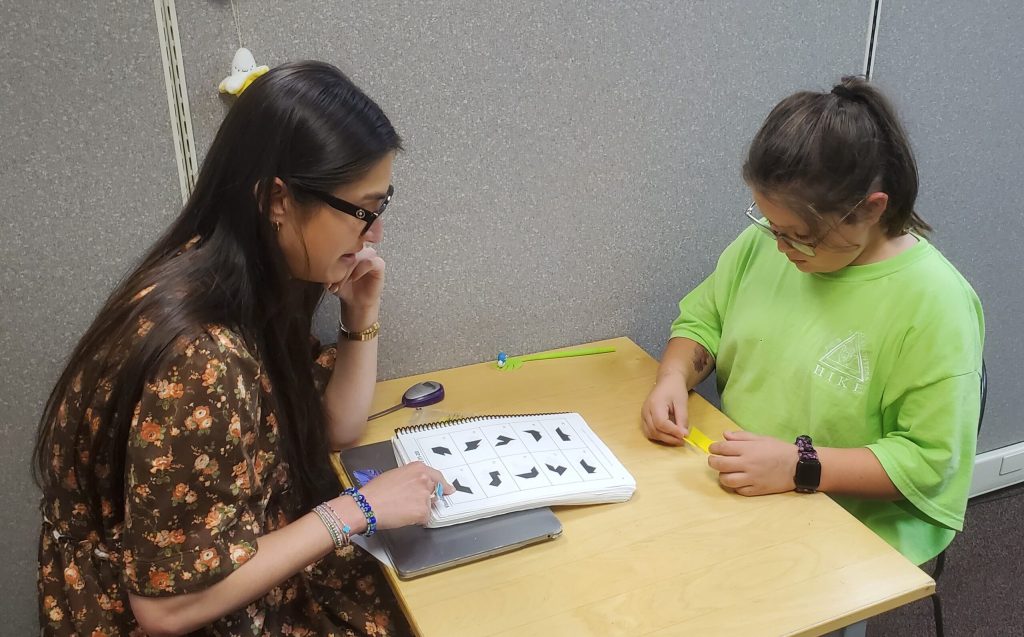
As students in the United States work to navigate increasingly high stakes academic environments, the integration of these memory-enhancing practices into their study routines can prove transformative. Rather than simply memorizing facts, students begin to approach learning with a deeper understanding, ultimately cultivating confidence in their abilities to conquer the curriculum.
As the educational landscape continues to evolve, exploring these memory exercises presents an exciting opportunity for students to unlock new dimensions of their potential. Embracing these techniques not only equips them with the tools necessary for academic achievement but also fosters a lifelong love for learning.
DISCOVER MORE: Click here for practical memory tips
Diving Deeper into Memory Techniques
To truly master the art of memory, students must embrace a variety of memory exercises that align with their learning styles and needs. Each technique offers unique benefits, and when combined, they can create a robust toolkit for enhancing both learning and retention. Let’s explore some of the most effective methods that students can incorporate into their study routines.
1. Association Techniques
Association involves linking new information to something already familiar. This cognitive process is rooted in how our brains naturally connect ideas. For instance, a student may remember the capital of Spain, Madrid, by associating it with a personal experience or a well-known fact about the city, such as its famous football team, Real Madrid. The more vivid and personal the association, the more likely it is to stick.
2. The Method of Loci
The Method of Loci, also known as the memory palace technique, is another powerful memory exercise. This ancient method entails visualizing a familiar location, such as a childhood home or a route to school, and placing pieces of information along that mental journey. For example, if a student is studying for a history exam, they could imagine placing key events or dates in various rooms of their house. As they mentally walk through their memory palace, the visual cues help trigger recall of the information.
3. Spaced Repetition
Spaced repetition is a scientifically backed method that involves reviewing material multiple times over increasing intervals. Instead of cramming information in one sitting, students can use this technique to space out their learning sessions. For example, after initially learning a set of vocabulary words, a student could review them after one day, then again after three days, and then after a week. This structured approach helps reinforce the material and prevents forgetting, making it an effective exercise for long-term retention.
4. Engage with Technology
In today’s digital age, technology can also aid memory enhancement. Numerous apps are designed to facilitate learning through engaging formats. For instance, Anki and Quizlet are popular choices among students for creating digital flashcards that incorporate spaced repetition and active recall. These tools not only allow students to create customized study materials but also incorporate gamification elements that make learning more enjoyable.
5. Utilize Collaborative Learning
Collaborative learning environments can significantly enhance memory retention as well. Group study sessions enable students to explain concepts to one another, benefitting from different perspectives and interpretations. Teaching the material to peers solidifies knowledge in a way that solitary study often cannot achieve. Active discussion can clarify misunderstandings and encourage deeper engagement with the subject matter.
Conclusion
By diversifying their approach to memory exercises, students can cultivate strategies that resonate with them personally. The techniques highlighted above not only support retention but also elevate the learning experience, providing students with a sense of ownership over their academic journey. As students experiment with these methods, they will find that understanding and recall become more manageable, paving the way for success in even the most challenging subjects.
| Memory Techniques | Description |
|---|---|
| Mnemonic Devices | Mnemonic devices leverage patterns of letters or ideas to enhance memory retention. Common examples include acronyms like PEMDAS for remembering the order of operations in math. |
| Visualization | Using mental imagery to create vivid images of information helps students recall details more effectively. This technique is especially useful for visual learners. |
Incorporating these memory exercises into a student’s daily routine significantly boosts their ability to remember and apply learned information. Through mnemonic devices, complex information can be simplified into an easy-to-remember format, aiding in both studying and recalling information during exams. Visualization allows students to create mental scenarios, which can lead to deeper understanding and retention of academic material. By embracing these techniques, students are not only enhancing their study habits but also developing skills that will serve them long after they have left the classroom setting. As we delve deeper into memory enhancement strategies, additional methods such as spaced repetition and active recall emerge as powerful allies in the pursuit of academic success. Each technique complements one another, creating a robust framework for learning and retention. The use of these methods can revolutionize how students interact with information, making learning not only more effective but also far more enjoyable.
DISCOVER MORE: Click here to enhance your memory skills
Exploring Additional Memory Enhancement Techniques
Memorization can often feel like an uphill battle for students, but applying diverse memory exercises can truly transform the learning experience. Beyond the techniques previously discussed, there are several additional strategies and tips that can further enhance memory retention, making studying less daunting and more effective.
6. Chunking Information
Chunking is a technique that involves breaking down large amounts of information into smaller, manageable units or “chunks.” This method is particularly useful for memorizing number sequences, such as phone numbers or student IDs. Instead of attempting to remember a long string of digits, grouping them into sections—like separating a phone number into area code, prefix, and line number—can make recall significantly easier. For example, when learning a new language, instead of memorizing a long list of vocabulary, students can group words by category, such as animals, foods, or colors, thereby improving their retention.
7. Visualization Techniques
Visualization employs mental images to enhance memory. Students can create graphical representations of material, such as mind maps or diagrams, to visualize connections among concepts. This is particularly effective for visual learners who can recall information more easily when they have a mental image associated with it. For instance, when preparing for a biology exam, a student might draw a diagram of the human body to label its various systems or organs, solidifying the knowledge with visual cues.
8. Use of Mnemonics
Mnemonics are creative memory tools that involve associating complex information with easy-to-remember phrases or acronyms. A classic example is the popular mnemonic for remembering the order of operations in mathematics: “Please Excuse My Dear Aunt Sally” indicates Parentheses, Exponents, Multiplication, Division, Addition, and Subtraction. Mnemonics can be tailored to any subject matter, making them versatile and fun. Students are encouraged to develop their own memorable phrases to encode information uniquely personal to them.
9. Emphasizing Active Learning
Active learning involves engaging directly with the material rather than passively reading or listening. Techniques like summarizing information in one’s own words, teaching fellow students, or participating in interactive discussions help reinforce learning. According to research, active engagement boosts retention rates far beyond traditional rote memorization methods. A student studying literature might act out scenes from a play or debate interpretations of a character’s decisions to create deeper cognitive connections.
10. Maintaining a Healthy Lifestyle
A holistic approach to memory enhancement shouldn’t be overlooked; factors like nutrition, sleep, and exercise play crucial roles in cognitive function. A balanced diet rich in omega-3 fatty acids, antioxidants, and vitamins is essential for brain health. Regular physical activity has been shown to improve memory and learning as it increases blood flow to the brain. Additionally, prioritizing quality sleep helps consolidate memories, making it easier for students to recall information during exams. Creating a consistent routine that includes relaxation techniques, such as mindfulness or meditation, can also alleviate stress, which is a barrier to effective learning.
For students looking to enhance their educational experience, employing a combination of these techniques will cater to various learning styles and encourage a more profound understanding of the material while building a strong foundation for future academic success.
DISCOVER MORE: Click here to learn about the benefits of group memory exercises
Conclusion: Empowering Students Through Memory Enhancement
In the dynamic landscape of education, expanding one’s memory capabilities is not just advantageous; it is essential for long-term academic success. The various memory exercises discussed—ranging from chunking information and employing visualization techniques to utilizing mnemonics and embracing active learning—offer practical methods that cater to different learning styles. By exploring these strategies, students can not only improve their ability to retain information but also foster a deeper understanding of complex concepts.
Moreover, it is vital to recognize that maintaining a healthy lifestyle plays a significant role in cognitive function. Ensuring adequate nutrition, sleep, and physical activity can dramatically enhance memory retention and overall brain health. As students become more aware of these interconnected elements, they can create a balanced approach towards their studies and personal well-being.
Ultimately, the journey toward effective learning and retention is a personal one. It calls for experimentation and adaptability, as students navigate which techniques resonate best with them. By investing time into mastering these memory exercises, students can elevate their educational experience, equip themselves for future challenges, and cultivate lifelong learning habits that extend far beyond the classroom. As they embark on this path, the knowledge gained today will serve as a formidable tool in their academic arsenal, unlocking doors to success in their educational pursuits and beyond.
Related posts:
Innovative Memory Exercises for Enhancing Workplace Productivity
Using Mnemonic Devices in Everyday Life: Practical Applications for Memory Improvement
Fun and Engaging Memory Games for Children: Building Skills Through Play
How Technology is Transforming Memory Training: Apps and Online Resources
The Role of Social Interaction in Memory Improvement Games
The Impact of Memory Exercises on Cognitive Function in Older Adults

Linda Carter is a writer and puzzle expert specializing in mind games, brain teasers, and cognitive challenges. With extensive experience helping individuals enhance their problem-solving skills and think critically, Linda shares her knowledge on our platform. Her goal is to empower readers with practical advice, engaging puzzles, and strategies to sharpen their minds and achieve success in the captivating world of mind games and puzzles.