Logical Challenges: The Importance of Puzzle Games in Improving Critical Analysis
The Cognitive Benefits of Puzzle Games
In an era characterized by rapid technological advancements and constant information overload, finding ways to engage the mind effectively is more important than ever. Puzzle games serve as critical tools for not only entertainment but also for enhancing cognitive abilities, particularly critical thinking. Through engaging challenges, players are invited to navigate intricate scenarios that cultivate a mindset geared towards analysis and reasoning.
The benefits of puzzle games go beyond mere amusement; they are substantial in fostering a range of cognitive skills. For example, the classic game of Sudoku requires players to employ improved problem-solving skills by breaking down the larger puzzle into smaller elements—each row and column must contain unique numbers. This process teaches players how to dissect complex problems into manageable parts, facilitating better decision-making both in-game and in real-life situations.
Moreover, puzzle games significantly enhance logical reasoning. Each puzzle presents an opportunity for players to follow structured patterns of thought. For instance, logic-based games like crosswords or logic grid puzzles encourage players to make deductions and infer relationships, honing their analytical skills. Studies have shown that regular engagement with such games can lead to improved cognitive functions in various age groups, from children learning foundational skills to adults refining their logical capacities.
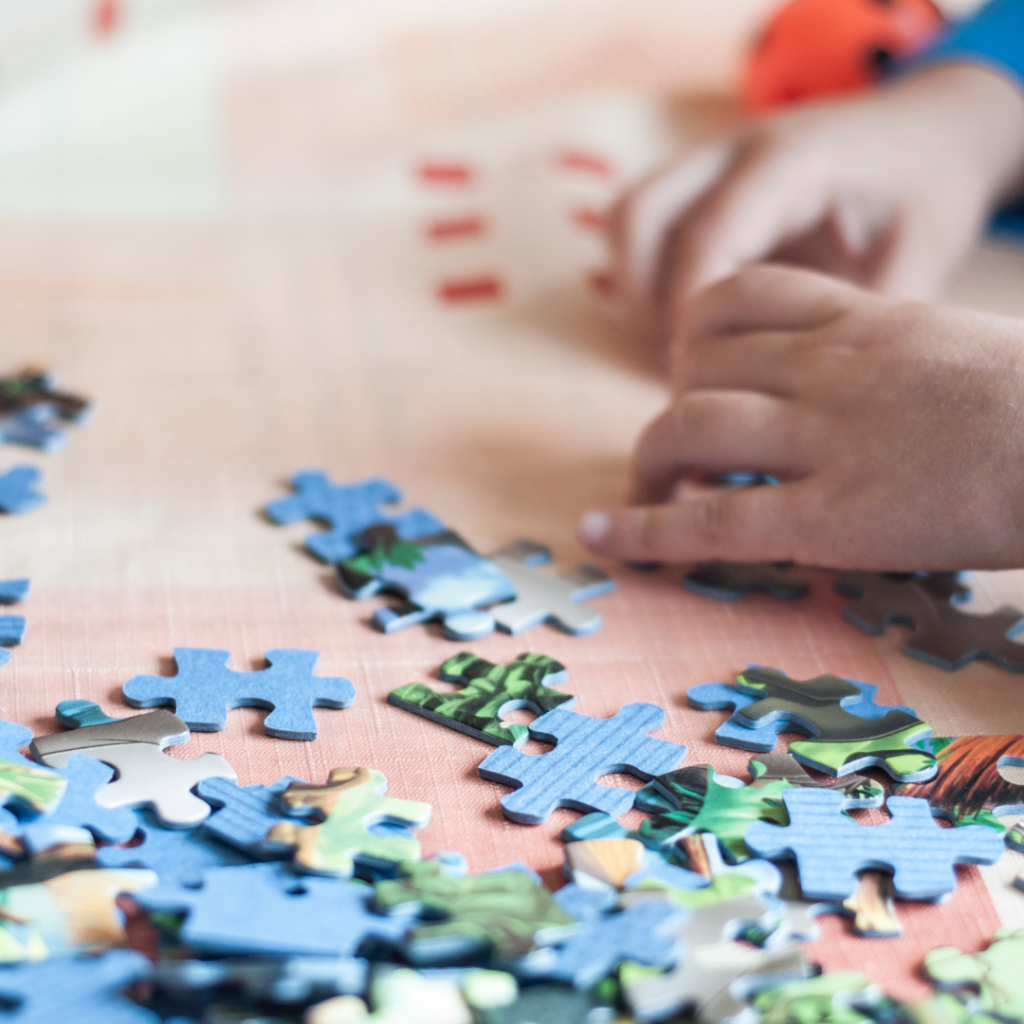
Increased focus and concentration are additional advantages of puzzle gaming. The immersive nature of these challenges compels players to dedicate their attention fully, fostering patience and persistence. Games that involve time limits or complex structures, such as escape room simulations or jigsaw puzzles, require sustained concentration, which significantly benefits players’ ability to focus in a distraction-heavy environment.
Evidence suggests that these reasoning games can spark a heightened interest in learning and intellectual curiosity. For example, educational apps geared toward children often incorporate puzzles to teach subjects like math and language, transforming learning into an engaging experience. Adult learners also find value in puzzle games as a method for increasing workplace productivity through improved cognitive flexibility and problem-solving skills.
As we conjoin the realms of entertainment and education, it becomes increasingly evident that these logical challenges are invaluable for developing a nuanced understanding of critical analysis. Puzzle games are not merely a form of leisure; they represent essential exercises for the brain—sophisticated tools for sharpening our minds amidst the chaos of the information-saturated modern age. Engaging regularly in these stimulating activities not only enriches the individual experience but also paves the way for a more analytical and thoughtful society.
DISCOVER MORE: Click here to learn about the power of group puzzles
Puzzle Games as Tools for Critical Thinking Development
The world of puzzle games offers a unique landscape where fun intersects with mental growth, creating a fertile ground for enhancing critical thinking. These games challenge players not just to solve problems but to think deeply about their approach and refine their methods. For anyone looking to boost their analytical skills, engaging with puzzle games serves as an accessible and enjoyable strategy.
As players immerse themselves in various games, they encounter diverse scenarios that require innovative thinking. Games like chess and even video game puzzles such as those found in “The Legend of Zelda” series invite players to consider multiple strategies and outcomes. Each match or level is a mini-experiment in decision-making where players must weigh potential risks against rewards. This practice significantly enhances their ability to evaluate options critically and make informed choices. According to a study conducted by the University of Illinois, playing chess regularly can increase cognitive development by teaching essential problem-solving skills, demonstrating the academic value embedded within these games.
Another aspect of puzzle games is their ability to promote creative thinking. Many games are designed to require players to think outside the box, redefining what solutions might look like. For instance, in games like “Portal” or “Baba Is You,” players must manipulate game rules and physics creatively to progress, relying heavily on lateral thinking. This exposure helps build not just logical reasoning but also an improvisational mindset that can be applied far beyond gaming into real-life problem-solving situations.
Here are some specific cognitive skills that puzzle games help to develop:
- Analytical reasoning: Breaking down complex problems into simpler components.
- Decision-making: Weighing options and assessing outcomes.
- Pattern recognition: Identifying trends and connections within data.
- Spatial awareness: Visualizing and manipulating objects in a three-dimensional space.
- Memory enhancement: Remembering sequences and formulas essential for solving challenges.
The effectiveness of these games in fostering critical analysis is further supported by evidence reflecting their widespread use in educational settings. Schools and educational programs across the United States have recognized the potential of puzzles to excite students about learning while simultaneously developing analytical proficiencies. Interactive puzzle workshops are becoming more common and have been met with enthusiasm from educators seeking innovative methods to stimulate their classrooms.
Furthermore, the rise of mobile gaming applications has democratized access to puzzle games, making it simpler than ever for individuals of all ages to engage in meaningful play. From Sudoku apps to brain-training platforms like Lumosity, the convenience of puzzles helps ensure that millions can participate in cognitive enhancement activities during their daily routines. Each time players challenge themselves with a new puzzle, they engage in an invaluable exercise that sharpens their critical thinking skills and enhances their ability to analyze information effectively.
Exploring Logical Challenges Through Puzzle Games
Puzzle games have emerged as a vital tool for enhancing critical analysis skills, capturing the attention of educators, psychologists, and game enthusiasts alike. These games challenge players to think outside the box, requiring a combination of logic, creativity, and strategic planning. The benefits of engaging in such activities extend beyond mere entertainment; they offer profound cognitive advantages that can be applied in real-world scenarios.
One of the key advantages of puzzle games is their ability to enhance problem-solving skills. By presenting complex challenges that often have multiple solutions, players learn to assess various methods of approaching problems. This encourages an analytical mindset, which translates effectively into everyday decision-making processes. For instance, work-related tasks that require organizational skills or innovative thinking can be tackled more efficiently by individuals who frequently engage in puzzle-solving activities.
Furthermore, puzzle games can significantly improve memory retention. Many of these games incorporate elements that require remembering patterns, sequences, or rules, which exercise the brain. Studies have shown that consistent engagement with memory-based puzzles can lead to improvements not only in short-term memory but also in long-term cognitive functioning. By reinforcing neural connections, players are less likely to suffer from cognitive decline as they age.
Additionally, logical challenges in puzzle games often entail elements of collaboration and teamwork. Multiplayer puzzle games foster communication skills, as players must work together to solve intricate problems. This social interaction encourages players to articulate their thoughts and strategies, further enhancing their critical analysis skills. Moreover, exposure to diverse perspectives within a team can lead to innovative solutions that one might not have considered independently.
As we delve deeper into the world of puzzle games, it becomes increasingly clear that these logical challenges serve not only as a form of entertainment but also as a foundational pillar for developing essential cognitive abilities. The amalgamation of fun and learning creates a unique environment where players can enhance their analytical skills while enjoying a captivating experience.
| Advantage | Description |
|---|---|
| Improved Problem-Solving Skills | Engaging with puzzles fosters a mindset for evaluating multiple solutions to complex problems. |
| Enhanced Memory Retention | Memory-based puzzles strengthen brain function, aiding in both short-term and long-term memory improvement. |
| Team Collaboration | Multiplayer puzzles promote communication, enhancing critical analysis through diverse perspectives. |
The remarkable intersection of entertainment and cognitive development through puzzle games emphasizes their role as essential tools in nurturing critical analytical skills, making them indispensable in both academic and casual contexts.
DIVE DEEPER: Click here to learn more
The Social Dynamics of Puzzle Games and Their Impact on Critical Thinking
Delving deeper into the realm of puzzle games, it is crucial to explore the social dynamics that accompany these engaging activities. Many puzzle games, especially those that have transitioned into multiplayer formats or community-driven platforms, offer opportunities for collaboration and competitive play. These interactions further bolster critical analytical skills by introducing elements such as teamwork, negotiation, and strategic communication.
For instance, games like Escape Rooms require players to work collectively under time constraints. Participants must quickly analyze clues, articulate ideas, and devise strategies to escape, all of which promote not only critical thinking but also effective collaboration. According to research published in the *Journal of Educational Psychology*, group-based problem-solving activities can enhance the cognitive skills of individuals while fostering a sense of community and shared goals. These collective environments push players to assess their perspectives critically in relation to others, allowing for a richer understanding of problem-solving dynamics.
Moreover, competitive puzzle games, such as online trivia platforms or word games like Scrabble, bring out the natural human tendency to compete, which can lead to deeper engagement with content. Players are often motivated to think at higher levels when they face opponents, leading to an increase in their analytical prowess. Engaging in mental battles can help develop quick thinking and adaptability, essential traits in critical analysis. A report from the *American Psychological Association* found that individuals who regularly engage in competitive puzzle games exhibit greater cognitive flexibility and are better at adjusting their thought processes in response to changing information.
Another significant factor contributing to the efficacy of puzzle games in enhancing critical thinking is the concept of failure as a learning tool. In many puzzle scenarios, failure is not just a possibility; it’s a common occurrence. Players frequently encounter setbacks, be it in failing to solve a riddle or losing a competitive match. This inherent aspect trains them to analyze their mistakes critically and learn from them. A survey from the *Journal of Applied Psychology* indicates that individuals who partake in activities that involve trial and error tend to develop a more resilient mindset, which facilitates stronger critical thinking abilities. They learn to dissect failures, identify mistakes, and adjust their approaches moving forward, skills that are invaluable in both academic and professional settings.
Furthermore, the diversity of puzzles available today caters to a broad range of interests and skill levels, making it easier for anyone to find a game that challenges their thinking. From logic puzzles like those found in *The New York Times Crossword* to number games such as *Killer Sudoku*, the variety ensures that players can select puzzles that not only resonate with them personally but also challenge their analytical capabilities. The accessibility of these games via mobile apps and online platforms further facilitates participation, allowing critical thinking development to occur at an individual’s own pace and convenience.
The relationship between puzzle games and critical analysis is further underscored by the ability of these games to adapt. Many modern puzzle games offer different levels of difficulty and branching scenarios, requiring players to constantly reassess their strategies. This adaptability mirrors real-life situations where flexibility in thought processes is essential. Studies have shown that experiencing varied problem-solving frameworks through gameplay leads to improved cognitive flexibility, which ultimately enhances analytical skills applicable in various fields, including business, science, and education.
DIVE DEEPER: Click here to uncover innovative memory exercises
Conclusion: Unlocking Potential Through Puzzle Games
In an increasingly complex world, the ability to think critically and analyze problems effectively is paramount. Puzzle games have emerged as a powerful tool in honing these essential skills, offering players not only entertainment but also avenues for mental growth. The social dynamics inherent in multiplayer puzzle formats foster collaboration, encouraging individuals to communicate and negotiate while navigating challenges together. Such interactions enhance critical thinking through diverse perspectives, as noted by various educational studies.
Additionally, the competitive aspect of puzzle games taps into our innate desire for achievement, pushing players to engage deeply with content, thus enhancing cognitive flexibility. The concept of failure as a learning tool within these games provides a safe space for players to embrace setbacks and refine their strategies. This resilience—cultivated through repeated trials—translates seamlessly into real-world scenarios where adaptability is key. The plethora of puzzle options available today ensures that individuals from all backgrounds can find a suitable challenge, further solidifying the relationship between gameplay and analytical prowess.
Ultimately, investing time in puzzle games is an investment in one’s cognitive capabilities. As they bridge the gap between fun and functionality, these challenges encourage players to think outside the box and engage in continuous learning. With advances in technology, the accessibility of these games continues to grow, inviting people of all ages to explore and elevate their critical analysis skills. The journey of unlocking one’s potential through logical challenges is not just beneficial—it’s essential for thriving in today’s fast-paced environment.
Related posts:
Logical Puzzles as Tools for Critical Thinking: Learning to Anticipate Moves
Unraveling the Enigma: Puzzles as Tools for Improving Decision Making
The Art of Strategic Thinking in Board Games: How to Develop Planning Skills
Competitive Mindset: The Influence of Strategy Games on Solving Complex Problems
The Power of Board Games in Leadership Development: Cultivating Strategic and Communication Skills
Unveiling the Secrets of Chess: Strategies to Improve Strategic Thinking in Competition

Linda Carter is a writer and puzzle expert specializing in mind games, brain teasers, and cognitive challenges. With extensive experience helping individuals enhance their problem-solving skills and think critically, Linda shares her knowledge on our platform. Her goal is to empower readers with practical advice, engaging puzzles, and strategies to sharpen their minds and achieve success in the captivating world of mind games and puzzles.