Logical Challenges in the Digital Age: How Reasoning Games Are Transforming Entertainment
Redefining Entertainment
In today’s digital landscape, entertainment is evolving at an unprecedented pace. With a myriad of options available, reasoning games have emerged as a thrilling way to engage audiences by challenging their mental acuity. These games not only entertain but also sharpen one’s critical thinking skills and problem-solving abilities, making them an appealing choice for individuals of all ages.
What Are Reasoning Games?
Reasoning games are designed to stimulate cognitive functions through various formats, ultimately engaging players in challenging scenarios that require intellect and strategy. The main types of reasoning games include:
- Puzzles that require logical deductions: Think Sudoku or jigsaw puzzles, where players must think critically and make connections based on limited information.
- Strategy games that involve tactical planning: Board games like Chess or digital versions such as StarCraft compel players to anticipate opponents’ moves and develop long-term strategies.
- Trivia challenges that test knowledge and quick thinking: Platforms like Trivia Crack and Kahoot engage users in a race against time while invoking their general knowledge on diverse subjects.
As technology advances, the accessibility and variety of these games have expanded significantly, reaching a broader audience. Many of these games are now available as mobile apps or online platforms, allowing players to engage regardless of their physical location. This increased accessibility has also cultivated diverse communities around these games.
Benefits of Reasoning Games
Engaging with reasoning games comes with a variety of benefits that extend beyond mere amusement:
- Enhancement of mental agility: Consistent engagement can improve cognitive functions, keeping the mind sharp and responsive. Research has shown that brain games can boost memory and improve processing speed.
- Promotion of social interactions through multiplayer formats: Games like Codenames or Escape Room-style challenges encourage teamwork and collaboration, drawing friends and families together in a shared problem-solving experience.
- Improvement in decision-making skills: By navigating complex scenarios found in strategy games or logic puzzles, players develop the ability to analyze situations effectively and choose the best courses of action.
A Growing Trend
The popularity of logical challenges is clearly evident in the United States. Millions participate in activities like online escape rooms, brain teasers, and strategy board games, exemplifying a cultural shift towards mind-engaging entertainment. This trend merges fun with education, fostering environments where learning becomes enjoyable. For instance, during the pandemic, many individuals turned to virtual games, showcasing the adaptability of these formats to new circumstances.
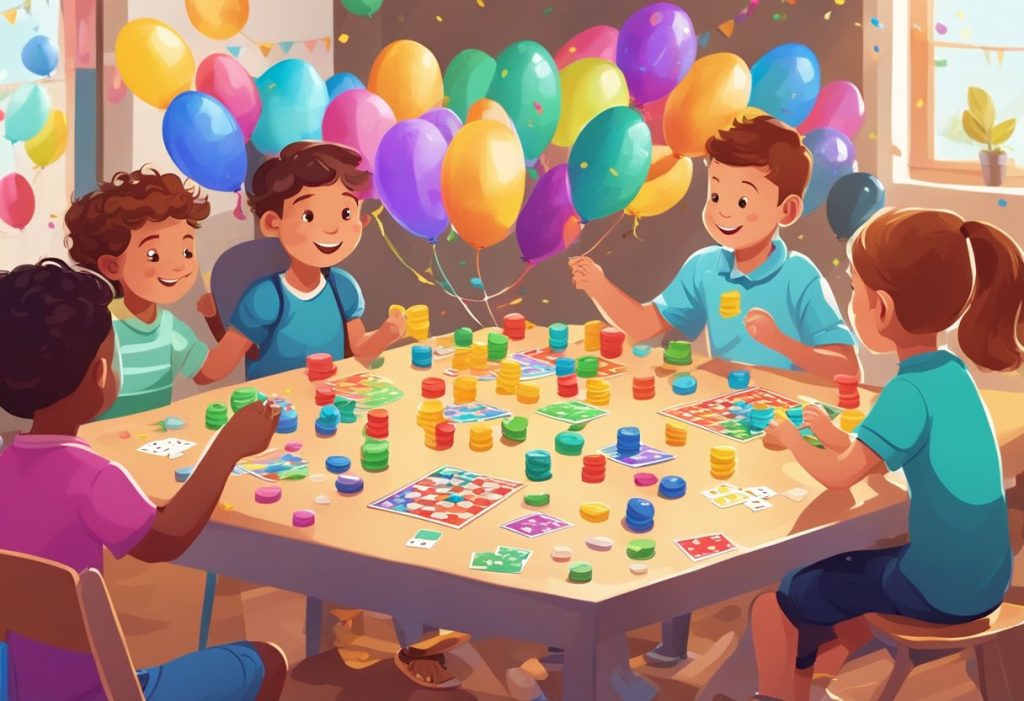
As we delve deeper into this phenomenon, we uncover how reasoning games are not just a pastime but are becoming a significant element in shaping the future of entertainment. Institutes and communities are beginning to recognize the power of such games for educational purposes, integrating them into classroom settings and team-building exercises. This evolving landscape hints at an exciting future where entertainment aligns closely with personal development and mental fitness, inviting yet another generation of players to explore the world of reasoning games.
DIVE DEEPER: Click here to learn how nutrition impacts memory exercises
The Cognitive Reboot
As we dive into the realm of logical challenges, it becomes crucial to understand how reasoning games are serving as a cognitive reboot for players across the United States. With gut reactions often prioritized in today’s fast-paced digital ecosystem, these games present a refreshing contrast by demanding patience, analysis, and strategic thinking. As players engage with these immersive formats, they often find themselves facing complex scenarios that require them to slow down, think critically, and develop solutions, fostering a more thoughtful approach to problem-solving.
Data-Driven Insights
The rise of reasoning games is not merely anecdotal; research supports their increasing popularity and effectiveness. According to a report by the Entertainment Software Association (ESA), over 70% of adults in the U.S. play video games, with reasoning-based games appealing to a broad demographic. This demographic spans ages, gender, and socioeconomic backgrounds, illustrating a surge in interest that transcends traditional gaming. Furthermore, studies from Harvard Medical School indicate that engaging consistently with reasoning games can enhance cognitive functions and yield long-term mental benefits.
Transformative Impact on Learning Environments
As the educational landscape shifts to integrate more technology, reasoning games are emerging as valuable tools within schools and workplace training programs. Educational researchers advocate for their use in classrooms, underscoring the potential of these games to promote cognitive development alongside engagement. Schools incorporating competitive trivia formats or logic puzzles have noted increased student enthusiasm and improved academic performance, showcasing how creativity married with strategy can lead to enriching educational experiences.
- Innovative Learning Techniques: Reasoning games incorporate elements of game-based learning, capturing students’ attention while seamlessly reinforcing academic concepts.
- Team Collaboration: Multiplayer reasoning games foster collaboration, preparing students for future teamwork in professional spaces.
- Critical Thinking: By presenting challenges that necessitate logical thought, players strengthen their decision-making skills and ability to analyze various scenarios.
The Sociocultural Shift
Beyond education, reasoning games are reshaping social interactions. In an increasingly digital world, they offer a counterbalance to the isolation often experienced in online environments. Families, friends, and colleagues are uniting over shared challenges, making social gatherings more interactive and engaging. The trend toward digital escape rooms, for instance, has exploded in popularity, presenting players with intricate plots that require teamwork, analytical skills, and open communication.
This sociocultural shift towards collaborative reasoning challenges fosters an environment where individuals can both entertain and educate themselves, reinforcing community bonds through shared experiences. As players navigate through obstacles together, they hone not only their cognitive abilities but also their interpersonal skills—a benefit that resonates across all facets of life.
As we unravel the intricate tapestry of reasoning games, it becomes evident that these logical challenges are more than mere entertainment; they represent a burgeoning genre reshaping interactions, learning methodologies, and cognitive exploration in the digital age.
Exploring the Intersection of Reasoning Games and Digital Entertainment
In the rapidly evolving landscape of entertainment, reasoning games have emerged as a transformative force, captivating audiences worldwide. These games, often infused with intricate puzzles and strategic challenges, engage players in a way that fosters critical thinking and problem-solving skills. As technology advances, the integration of reasoning games into various digital platforms not only enhances gameplay but also enriches the user’s experience.One of the key factors contributing to the rise of reasoning games is their accessibility. The proliferation of smartphones and tablets allows players to engage in these captivating challenges anytime, anywhere. This availability is not just a matter of convenience; it plays a crucial role in promoting cognitive development across diverse demographics. Children can sharpen their minds while having fun, and adults often indulge in these games as a means to unwind and stimulate their intellect.Moreover, the realm of virtual reality (VR) and augmented reality (AR) has further pushed the boundaries of reasoning games, transforming traditional formats into interactive experiences. Players can immerse themselves in intricate scenarios, relying on their reasoning skills to navigate through immersive worlds. This shift not only enhances engagement but also brings a social element, encouraging collaboration and competition among players around the globe.Additionally, reasoning games have found their place in educational settings, sparking a new trend in learning methodologies. Educators recognize the potential of these games to make learning more appealing and effective. By integrating gamification elements, such as rewards and challenges, teachers can create an interactive learning environment that enhances students’ engagement and retention of complex concepts.As we explore the continuing evolution of these games, it’s essential to examine the insights they provide into our cognitive processes and the overall impact on entertainment culture. The narrative surrounding reasoning games in the digital age highlights their role not just as a source of entertainment but as a vital tool for mental exercise and social connectivity. To further this discussion, we can explore the specific advantages that reasoning games offer in a structured format.
| Category | Benefits |
|---|---|
| Cognitive Skill Development | Enhances critical thinking and problem-solving abilities. |
| Social Interaction | Promotes teamwork and friendly competition among players. |
| Accessibility | Available on multiple digital platforms for diverse audiences. |
| Educational Value | Incorporates learning through gamified experiences. |
The dynamic interplay between reasoning games and digital entertainment continues to evolve, offering unparalleled opportunities for cognitive enhancement and social engagement. As players delve into these challenges, they not only entertain themselves but also contribute to a broader cultural shift towards valuing intellectual engagement in an era dominated by digital distractions. Let’s keep examining the profound impact these games have on our lives and the entertainment industry as a whole.
DISCOVER MORE: Click here to learn how brain teasers can enhance early childhood education
The Competitive Edge
In the digital age, where attention spans are continuously challenged, reasoning games emerge as not only a tool for entertainment but also a competitive asset. Gamification of reasoning has infiltrated various industries, including corporate training programs and professional development workshops. Organizations are increasingly recognizing the need for enhanced cognitive adaptability, leading them to integrate engaging logic games into their training repertoires.
Corporate Integration
Forward-thinking companies are leveraging reasoning games to develop teams that exhibit stronger problem-solving skills and improved analytical thinking. By introducing fun and interactive formats, employers are reaffirming the importance of mental exercise. For instance, consulting firms have conducted team-building retreats that revolve around competitive logic puzzles and problem-solving challenges, showing an increase in employee morale and collaborative productivity.
- Increased Engagement: Employees report higher satisfaction levels when they can engage in reasoning games during workshops, creating a more enjoyable and impactful learning environment.
- Retention Skills: Logical challenges help improve memory retention through practical engagement, enhancing learning outcomes relative to traditional training methods.
- Innovation Stimulation: Logic games prompt creative thinking and innovative solutions, which are essential skills in all areas of business development and strategy.
The Rise of Online Communities
The digital landscape has birthed vibrant online communities centered around reasoning games, fostering a sense of belonging among players. Websites and apps hosting brain teasers, crossword puzzles, and competitive logic games have become platforms for individuals to share strategies and solutions, revolutionizing the way enthusiasts connect. Such communities serve as hubs for exchanging ideas and enhancing skills through peer interactions. Popular platforms, such as PuzzleNation and BrainBashers, draw in millions of users eager to tackle daily challenges, promoting an engaging and collective pursuit of knowledge.
These platforms encompass a wide array of formats, from mobile apps to large-scale online tournaments, making it easier than ever for anyone to participate regardless of their location or expertise level. The accessibility of these logic games means people from all walks of life can engage in healthy competition and use these opportunities to articulate their thought processes in a supportive environment.
The Impact of Streaming Culture
The rise of live streaming platforms such as Twitch and YouTube Gaming has further amplified the interest in reasoning games. Content creators now regularly showcase their gameplay, offering tactics, techniques, and walkthroughs to help followers enhance their skills. This phenomenon has helped to demystify logical challenges, making them more approachable to new players. As a result, audiences grow increasingly invested in the outcomes of games, transforming mere viewers into aspiring players.
With charismatic streamers endorsing these games, nostalgia-driven titles and new releases alike have surged in popularity, merging entertainment with cognitive enhancement. Viewers not only gain insights into logic and reasoning but also develop a community around shared interests and experiences, reinforcing the cultural significance of collaborative gaming.
As the digital entertainment sphere continues to evolve, it reinforces the notion that reasoning games are pivotal in nurturing a generation that values both fun and brainpower. The impact on social interactions, learning environments, and even corporate culture illustrates the intersectionality of play and intellect, fundamentally altering the landscape of entertainment in the modern age.
DIVE DEEPER: Click here to discover how puzzles enhance empathy
Conclusion: The Future of Reasoning Games in Entertainment
As we reflect on the transformative power of reasoning games in the digital age, it’s clear that these logic-based challenges are reshaping the landscape of entertainment. They are not only enhancing cognitive skills but also creating unique platforms for social interaction, professional development, and creative expression. The integration of these games in corporate settings proves that intellectual engagement goes hand in hand with improved productivity and team cohesion. As companies embrace this trend, they are paving the way for a future where problem-solving skills are valued as essential competencies.
Furthermore, the rise of online communities around reasoning games and the impact of streaming culture are creating vibrant ecosystems where enthusiasts of all ages can share their passion. This democratization of gaming not only provides access to a wide array of puzzles and challenges but also cultivates an environment where players can learn from each other, fostering a sense of community and belonging.
Looking ahead, as technology continues to evolve, so too will the opportunities for reasoning games to innovate and engage players further. The intersection of gaming, education, and entertainment is poised to expand, suggesting that the benefits of these brain-teasing pursuits will extend far beyond current expectations. As we navigate this dynamic shift, one thing remains certain: the love for logical challenges will continue to captivate minds and reshape how we play, learn, and connect in the digital era.
Related posts:
Logical Challenges and Gamification: How Game Elements Transform Reasoning Learning
The Role of Logical Challenges in the Development of Emotional Intelligence: How Problem-Solving Inc...
Logical Challenges and Conflict Resolution: Using Puzzles to Enhance Interpersonal Skills
Unveiling the Power of Logic: How Logical Challenges Improve Critical Thinking
Logical Challenges and Neuroscience: How Reasoning Problems Influence Brain Structure
The Evolution of Logical Challenges: From Traditional Puzzles to Interactive Apps

Linda Carter is a writer and puzzle expert specializing in mind games, brain teasers, and cognitive challenges. With extensive experience helping individuals enhance their problem-solving skills and think critically, Linda shares her knowledge on our platform. Her goal is to empower readers with practical advice, engaging puzzles, and strategies to sharpen their minds and achieve success in the captivating world of mind games and puzzles.