Logical Challenges and Neuroscience: How Reasoning Problems Influence Brain Structure
Exploring the Interplay Between Reasoning Abilities and Brain Structure
As humans navigate their daily lives, they encounter a myriad of logical challenges that test their reasoning abilities. These complex problems serve not only as mental exercises but also act as catalysts for structural changes in our brain. Recent advancements in neuroscience have unveiled fascinating insights into how engaging with reasoning tasks can significantly influence the development and connectivity within our brains.
Some key factors that illustrate this connection include:
- Synaptic plasticity: This refers to the brain’s remarkable ability to adapt and form new connections based on experiences and learning. It highlights how our neural pathways can strengthen or weaken over time, depending on our engagement with logical challenges.
- Cognitive function: Challenging reasoning tasks have a profound impact on mental acuity, enhancing not only academic performance but also everyday problem-solving skills. For example, individuals who regularly engage with puzzles or strategic games often report sharper critical thinking abilities in various life scenarios.
- Neurogenesis: This is the process through which new neurons are formed, particularly as a response to enriching learning experiences. Research suggests that environments conducive to learning stimulate neurogenesis, further illustrating the brain’s capacity for growth and adaptation.
Research has shown that consistently tackling logic problems can lead to structural changes in the brain, such as increased grey matter volume in specific regions critical for reasoning and problem-solving. For instance, studies have found heightened activity and development in the prefrontal cortex, an area associated with higher-order thinking tasks. This development does not merely translate to improved academic performance; it extends to better decision-making in everyday life, enhancing our ability to analyze situations critically and make sound judgments.
Moreover, the implications of this research are profound. By incorporating logical challenges into our daily routines, whether through puzzles, strategic games, or even complex work tasks, we can actively promote our cognitive health. Programs designed for seniors, such as brain-training games, exemplify this approach, demonstrating that mental engagement can help preserve cognitive function and stave off age-related decline.
In this exploration, we will further delve into the dynamic relationship between logical challenges and neuroscience. By examining cutting-edge research and its real-world implications, we aim to illuminate the profound effects that mental challenges have on our neurological landscape. Engaging with these concepts not only enriches our understanding of how we learn but also empowers us to harness these insights for lifelong cognitive enhancement.
DISCOVER MORE: Click here to unlock valuable insights
The Neurological Impact of Reasoning Exercises
As we delve deeper into the complexities of neuroscience, a growing body of evidence links logical challenges to tangible changes in brain structure and function. When individuals engage in activities that require analytical thinking and problem-solving skills, remarkable transformations can occur, particularly in regions integral to these cognitive tasks. Various studies spanning behavioral neuroscience and cognitive psychology highlight not just the correlation between logical reasoning and brain health, but also showcase how mental engagement can actively rewire our neural architecture.
One of the most notable outcomes of regular reasoning practice is the enhancement of cognitive flexibility. This term refers to the brain’s ability to switch between thinking about different concepts, a skill that is crucial for adaptive problem-solving. Research indicates that individuals who regularly tackle logical puzzles display increased connectivity between neurons, fostering an environment where creative thinking flourishes. The brain becomes a vibrant network of pathways, effectively allowing for quicker and more efficient processing of information.
Furthermore, the role of stress reduction in cognitive performance cannot be overstated. Engaging in logical challenges can provide a form of mental escapism, lowering cortisol levels and enhancing focus. A calm mind is far more adept at tackling complex reasoning problems, facilitating the development of critical thinking skills that carry over into daily life. The benefits extend beyond mere stress relief; they can lead to significant improvements in areas such as:
- Memory retention: Regularly confronting logical challenges can enhance memory systems, aiding individuals in retaining and recalling information more effectively.
- Decision-making capabilities: Those who engage in reasoning problems demonstrate an increased ability to weigh options critically and make informed decisions.
- Problem-solving efficiency: Engage in puzzles and strategic thinking games often leads to quicker identification of solutions and improved strategic planning skills.
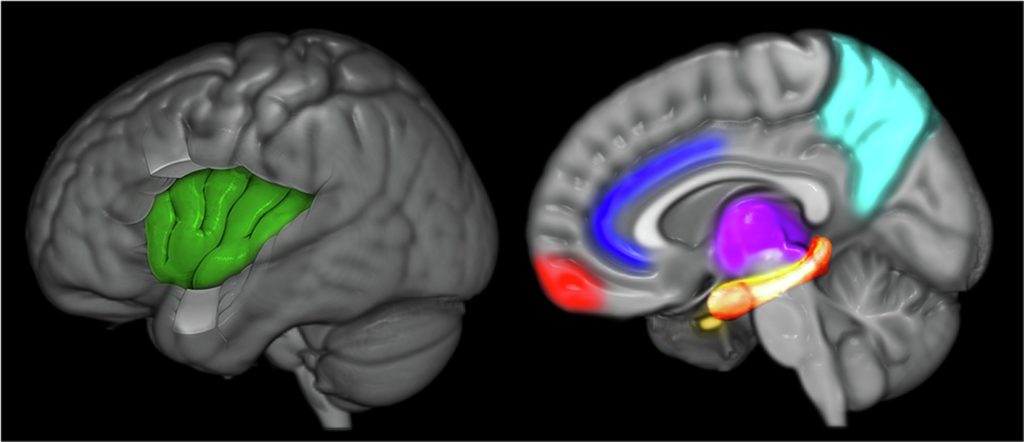
In detailing these benefits, one cannot overlook the importance of neuroimaging studies. Advanced techniques, such as functional MRI (fMRI) scans, have illuminated the dynamic changes occurring in the brain while engaging in logical tasks. For instance, increased activation in areas such as the anterior cingulate cortex and the dorsolateral prefrontal cortex has been observed during challenging reasoning exercises, areas notorious for their roles in decision-making and problem-solving. This heightened activity underlines the immediate and long-lasting impacts logical challenges have on brain structure.
As we continue to peel back the layers of this intriguing relationship between logical challenges and neuroscience, a clear narrative emerges: the more we engage our minds in reasoning tasks, the more we facilitate a richer, more resilient cognitive landscape. The implications are vast, suggesting that woven into our everyday activities, such as puzzles or strategy games, lies the potential to not only strengthen our minds but evolve how our brains physically function over time.
| Cognitive Development | Neuroscience Implications |
|---|---|
| Enhanced Problem Solving | Strong association with increased neural connections. |
| Cognitive Flexibility | Promotes synaptic plasticity, crucial for learning and adaptation. |
The influence of logical challenges on brain structure offers fascinating insights into cognitive development. Engaging in problem-solving tasks stimulates areas of the brain responsible for reasoning and critical thinking. Research indicates that individuals who consistently tackle complex reasoning problems exhibit improved cognitive flexibility, enhancing their ability to adapt to new situations. Moreover, these challenges are not just mental exercises; they are foundational for creating neural pathways that boost overall brain function. As individuals improve their reasoning skills, their brains undergo structural changes, such as increased synaptic connections. This restructuring can have long-term benefits, including improved memory and enhanced learning capabilities. Exploring how logical challenges shape our brains opens up new avenues for understanding human intelligence and adaptability. Such findings are increasingly significant in educational settings, where incorporating reasoning exercises can cultivate both cognitive abilities and emotional resilience in students.
DIVE DEEPER: Click here to discover how mental challenges reshape our brains
The Neuroplasticity of Problem-Solving Skills
The concept of neuroplasticity has revolutionized our understanding of how the brain responds to external stimuli, especially in the face of continuous cognitive challenges. Neuroplasticity refers to the brain’s remarkable ability to reorganize itself by forming new neural connections throughout life. Engaging with logical challenges is not only a matter of enhancing cognitive skills but also a pathway to reshape brain architecture in response to the demands placed upon it.
Research underscores this idea, showing that the brain’s physical structure can adapt in profound ways when consistently challenged with reasoning tasks. For instance, a major study conducted by neuroscientists at the University of California revealed that participants who practiced complex problem-solving for extended periods exhibited increased thickness in the cortical regions associated with executive functions. This suggests that challenging the mind can lead to substantial, functional changes, reinforcing the argument that our cognitive activities can mold our brain’s physiology.
Moreover, specific types of logical challenges can evoke varying neural responses. For example, engaging in chess, a classic strategic game requiring deep critical thinking, has been shown to activate the inferior parietal lobe, an area critical for mathematics, spatial reasoning, and navigation skills. This highlights a fascinating aspect of cognitive engagement: the notion that different reasoning activities can enhance distinct brain areas, tailoring intellectual development to the specific nature of the challenge.
An intriguing aspect of this topic is the potential link between age and the transformative effects of logical challenges. Studies indicate that older adults who regularly participate in logic games or puzzles exhibit slower declines in cognitive faculties compared to their less engaged peers. The brain’s plasticity appears to preserve critical reasoning and memory skills, serving as a protective buffer against age-related cognitive decline. As older adults navigate through complex problems, they may bolster connections between neurons, supporting better cognitive resilience in their later years.
The interplay between social interactions and reasoning challenges also bears consideration. Group activities that promote teamwork in solving logical problems can foster communication skills, enhance perspective-taking abilities, and create a richer neural environment conducive to cognitive growth. Collaborative problem-solving not only reinforces understanding but also helps individuals leverage their collective knowledge, which can result in a more dynamic and versatile cognitive skill set.
- Enhanced Synaptogenesis: Engaging in logical reasoning is tied to the increase of synapses—connections between neurons—which strengthens the brain’s overall functionality.
- Long-Term Potentiation (LTP): This cellular mechanism, a key player in the development of learning and memory, can be positively influenced by challenging one’s reasoning skills.
- Brain Volume Changes: Research indicates that regions of the brain related to executive function can grow as a result of sustained engagement with logical puzzles and reasoning activities.
The evidence surrounding logical challenges and their impact on neuroscience reveals an intricate tapestry of interactions between cognitive engagement and brain development. As we navigate further into this compelling domain, it becomes increasingly clear that logical reasoning exercises not only serve to sharpen our minds but also play a pivotal role in cultivating both our brain’s physical structure and cognitive abilities throughout the lifespan.
DISCOVER MORE: Click here to learn about enhancing your emotional intelligence through problem-solving</
Conclusion
Delving into the intersection of logical challenges and neuroscience reveals a profound relationship between reasoning activities and the physical structure of the brain. The evidence illustrates that engaging in complex problem-solving not only sharpens our cognitive abilities but also catalyzes significant neuroplastic changes. From enhancing synaptic connections to fostering growth in critical brain regions, the brain adapts and evolves based on the demands we place on it.
This exploration underscores the importance of maintaining cognitive engagement across the lifespan. The protective effects of regular participation in reasoning tasks, especially for older adults, highlight a vital strategy for mitigating cognitive decline. Furthermore, the benefits of collective reasoning through social interactions extend beyond individual cognitive development, fostering a shared intellectual culture rich with collaborative insight.
As we continue to uncover the intricacies of how reasoning problems influence brain structure, the implications are clear: embracing logical challenges in our daily routines can serve as an invaluable tool for nurturing cognitive resilience and fostering a mentally agile society. As interested learners, we are encouraged to explore various forms of logical challenges, from puzzles and strategic games to engaging discussions, to unlock the full potential of our brains. The journey into understanding how our minds work not only enhances personal growth but also fuels a collective commitment to a more adept and agile future.
Related posts:
Unveiling the Mysteries: How Logical Challenges Enhance Cognitive Capacity
Logical Challenges in Teams: Strengthening Bonds and Collaboration Skills Through Games
The Art of Logical Challenges: Exploring Creativity Through Innovative Puzzles
Logical Challenges and Conflict Resolution: Using Puzzles to Enhance Interpersonal Skills
The Evolution of Logical Challenges: From Antiquity to Modern Games
The Psychology Behind Logical Challenges: What Do They Do to Our Mind?

Linda Carter is a writer and puzzle expert specializing in mind games, brain teasers, and cognitive challenges. With extensive experience helping individuals enhance their problem-solving skills and think critically, Linda shares her knowledge on our platform. Her goal is to empower readers with practical advice, engaging puzzles, and strategies to sharpen their minds and achieve success in the captivating world of mind games and puzzles.