Exploring the Connection Between Memory Puzzles and Mental Health Benefits
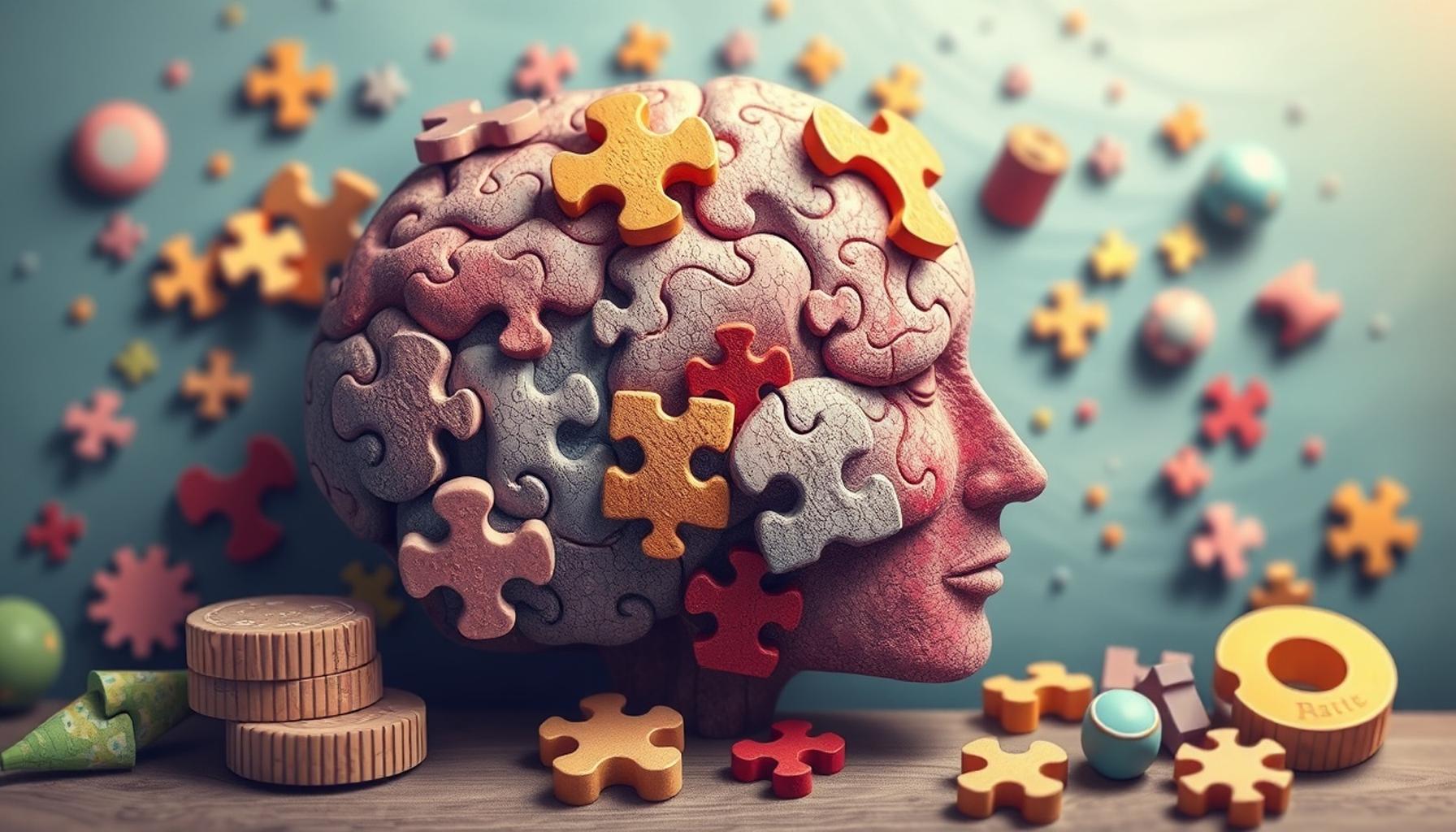
Unraveling the Benefits of Memory Puzzles
Memory puzzles are more than just a leisure activity; they can be a powerful tool for improving mental health. As people across the United States increasingly seek ways to boost their cognitive functions, these engaging challenges offer intriguing advantages.
Various studies have recently highlighted the positive impacts of memory puzzles on mental well-being. Here are a few key benefits you might find compelling:
- Enhanced Cognitive Function: Regular engagement with memory puzzles can contribute to better memory retention and recall. Research has shown that practicing memory tasks can stimulate neural pathways, making them more efficient over time. For instance, a study published in the journal “Psychological Science” found that adults who completed memory games exhibited increased brain activity and improved memory capabilities.
- Stress Reduction: Focusing on puzzles can serve as a form of mindfulness, helping to distract from daily stressors. Much like meditation, concentrating on a puzzle allows individuals to immerse themselves in a task, diverting attention from anxieties. A survey conducted by the American Psychological Association indicated that nearly 30% of respondents felt significantly more relaxed after engaging in puzzle-solving activities.
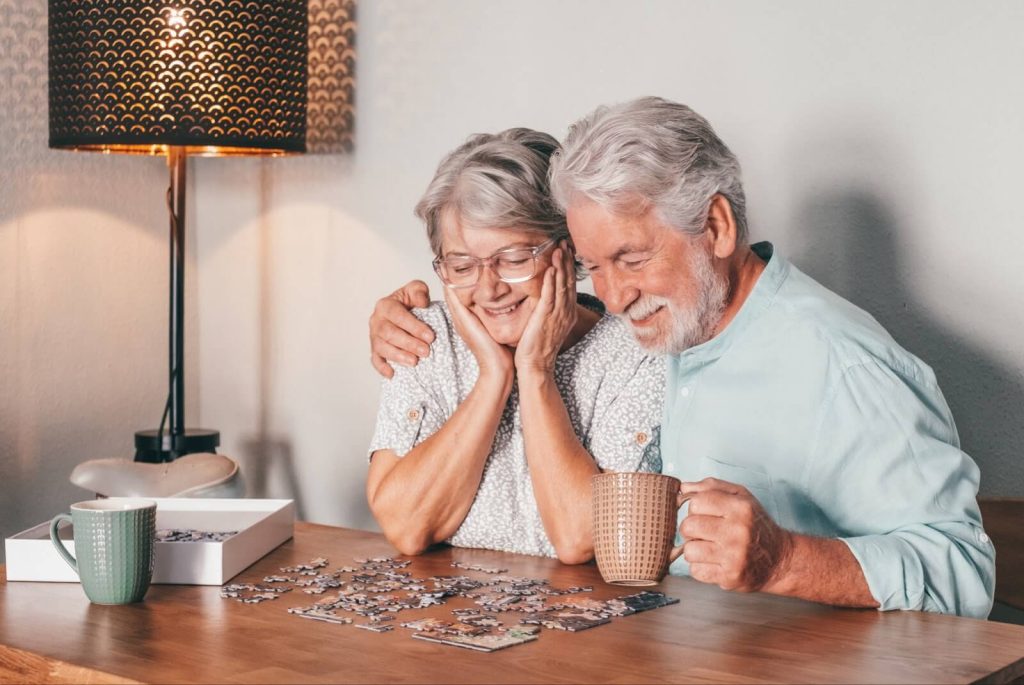
- Social Interaction: Many puzzles can be solved in groups, promoting social bonds and reducing feelings of isolation. Whether gathering around a jigsaw puzzle with family or solving a crossword with friends over coffee, these activities encourage collaboration and conversation, effectively building relationships. In fact, puzzle clubs and communities have sprouted across the country, offering opportunities for people of all ages to connect and share experiences.
Moreover, memory puzzles can be remarkably versatile, catering to varied interests and skill levels. Whether it’s jigsaw puzzles, Sudoku, or crossword challenges, there is a puzzle for everyone. Even mobile apps have brought this versatility to a new dimension, with interactive games that adapt to different proficiency levels. This inclusivity makes memory puzzles an accessible option for anyone looking to enhance their mental health.
As we delve deeper into the connection between these intriguing challenges and mental health, you’ll discover how playing with memory can lead to profound improvements in mood, cognitive function, and overall well-being. Not only do these puzzles offer a fun and stimulating way to pass the time, but they also serve as a valuable tool for maintaining mental fitness in an increasingly chaotic world.
In conclusion, embracing the world of memory puzzles can lead to enriching experiences that boost mental acuity and foster meaningful connections. With numerous options available, individuals are encouraged to explore this charming avenue to improve their cognitive health and overall happiness.
DISCOVER MORE: Click here to dive deeper
Unlocking Cognitive Gains through Engaging Activities
One of the most profound ways memory puzzles can enhance mental health is through their ability to improve cognitive resilience. Adolescents and adults alike can benefit from consistently challenging their brains in ways that fortify the mind against age-related decline. A notable study published in “Alzheimer’s & Dementia” underscores that engaging in memory-focused activities can lower the risk of developing cognitive impairment in later years. Participants who reported regular involvement in puzzles were 15% less likely to show cognitive decline compared to their less-engaged counterparts.
Furthermore, memory puzzles demand mental agility and flexibility, which can translate into other areas of life. As individuals work to solve complex grids in Sudoku or piece together intricate images in jigsaw puzzles, they exercise critical thinking, strategic planning, and problem-solving skills—qualities that are immensely valuable across various contexts, from the workplace to personal relationships.
The Psychological Impact of Puzzles
The act of solving puzzles can also serve as a fun way to boost self-esteem. Completing a challenging memory puzzle can provide a significant sense of accomplishment and build confidence. Many puzzle enthusiasts report feelings of pride in overcoming difficult challenges, reinforcing a positive self-image. This sense of achievement can be particularly vital for individuals dealing with mental health issues, as it can combat feelings of inadequacy and despair.
Additionally, the repetitive nature of certain memory tasks can induce a calming effect. As users engage in familiar puzzle formats, their brains enter a flow state—a mental condition characterized by heightened focus and enjoyment. This flow experience can be likened to other mindfulness practices, serving as a tool for emotional regulation and mood stabilization.
- Boosts Memory Retention: Engaging regularly in memory puzzles can enhance the brain’s ability to retain and recall information more effectively.
- Increases Attention Span: The focused nature of solving puzzles trains the brain to maintain attention for longer periods, which can benefit everyday tasks.
- Encourages Healthy Habits: Many puzzle enthusiasts build routines around their puzzle-solving time, fostering discipline and dedication that can spill over into other life areas.
Moreover, memory puzzles offer a medium for social connection. In today’s fast-paced lifestyle, many individuals often struggle with feelings of isolation. Engaging with friends or family members in puzzle-solving not only enriches social bonds but also fosters shared experiences that contribute to emotional support and teamwork. Puzzle parties or local puzzle clubs have sprung up in communities, providing opportunities for individuals to come together, develop friendships, and relish the joy of shared victories.
Overall, as we further explore the multifaceted connections between memory puzzles and mental health, it becomes evident that these charming activities are not just pastimes; they are pathways to nurturing and enhancing cognitive and emotional well-being. By tapping into these joyful challenges, individuals can cultivate a stronger sense of self, connect with others, and fortify their mental health in a world that can often feel overwhelming.
Exploring the Connection Between Memory Puzzles and Mental Health Benefits
As we delve deeper into the world of memory puzzles, it becomes increasingly evident that they play a significant role in enhancing mental health. These engaging activities provide not only a fun way to pass the time, but also offer a plethora of cognitive benefits. Many studies have shown that engaging with memory puzzles can lead to improved brain function. Cognitive stimulation from solving puzzles strengthens neural connections and can potentially delay cognitive decline in aging populations.
Furthermore, memory puzzles are known to reduce stress and improve mood. The focused attention required to solve these puzzles allows individuals to temporarily escape from daily pressures, leading to a clearer mind and enhanced emotional resilience. This can be particularly beneficial for those dealing with anxiety or depression, as the act of completing a puzzle can instill a sense of accomplishment and promote overall well-being.
Now, let’s take a closer look at the advantages offered by memory puzzles and how they contribute to mental health benefits:
| Category | Advantages |
|---|---|
| Cognitive Enhancement | Improves memory retention and strengthens neural pathways. |
| Stress Relief | Promotes relaxation and can serve as a distraction from daily anxieties. |
Engaging with memory puzzles is not just about entertainment; it is an investment in your mental health. The multifaceted benefits can lead to improvements in both cognitive and emotional well-being. As we continue to explore this fascinating connection, it is clear that there is much to learn and discover about the positive impact of these compelling challenges on our psychological state.
DIVE DEEPER: Click here to uncover more insights
The Therapeutic Role of Memory Puzzles in Mental Wellness
In addition to the cognitive advantages, memory puzzles can play a pivotal role in promoting emotional well-being. As individuals immerse themselves in the world of puzzles, they often find a constructive outlet for stress and anxiety. The focused engagement required to solve these challenges draws attention away from stressors, fostering a sense of tranquility. Psychologists posit that this state of immersion can provide respite from negative thoughts, thereby serving as an effective coping mechanism for those grappling with anxiety disorders or depression.
Furthermore, the structure and predictability of memory puzzles create a comforting framework, allowing users to experience a sense of control. This structured interaction can be particularly beneficial for individuals who find themselves overwhelmed by external chaos. By providing clear objectives and achievable goals, memory puzzles empower users to navigate their emotions more effectively, cultivating resilience in the face of adversity.
Memory Puzzles and Aging Populations
As the U.S. population ages, the importance of mental health initiatives for seniors cannot be overstated. Engaging with memory puzzles has garnered attention as a potential avenue for delaying cognitive decline among older adults. According to research from the National Institute of Health, participation in memory games and puzzles is linked to slower rates of cognitive deterioration in older adults. The study noted that seniors who regularly engaged in memory puzzles had sharper recall abilities and performed better on cognitive assessments than those who did not partake in similar activities.
Moreover, memory puzzles can provide an avenue for increased social interaction in senior communities. Many elder individuals find joy in participating in group puzzle sessions, which not only serves as a mental challenge but also as a means of bonding. This blend of social engagement with cognitive stimulation enhances overall mental health and could lead to improved life satisfaction among the elderly demographic.
- Enhances Creative Thinking: Memory puzzles encourage divergent thinking, pushing individuals to develop new strategies and foster creativity. This skill can positively impact both personal and professional avenues.
- Provides a Platform for Goal-Setting: By setting and achieving goals within puzzles, individuals build a habit of setting benchmarks, fostering an achievement-oriented mindset.
Additionally, memory puzzles can help break the cycle of rumination, a common behavior in individuals suffering from depression. By focusing the mind on puzzle patterns, problem-solving, and recall, individuals can divert their attention from pervasive negative thoughts. The active concentration that puzzles demand serves as a form of mental reset, allowing individuals to engage more positively with their environment.
Research also indicates that collaborative puzzle solving can lead to enhanced team dynamics and communication skills. Encouraging a shared pursuit, whether in a family setting or through community initiatives like puzzle clubs, strengthens interpersonal skills while reinforcing bonds among participants. This sense of community is particularly crucial as we navigate an era characterized by digital disconnection.
Ultimately, the multifaceted benefits of memory puzzles underscore their role not only as engaging diversions but as vital tools for enhancing mental and emotional health. As more people discover the therapeutic possibilities embedded in these engaging activities, the connections between cognitive games and well-being continue to unfold, offering a promising landscape for future exploration.
DISCOVER: Click here to enhance your creativity
Conclusion: Unlocking the Potential of Memory Puzzles for Mental Health
As we delve into the intricacies of memory puzzles and their connection to mental health, it becomes evident that these engaging activities serve as far more than simple entertainment. The cognitive enhancements, emotional coping strategies, and social interactions fostered through memory puzzles highlight their significant role in promoting mental wellness.
For individuals of all ages, particularly within aging populations, memory puzzles present a unique opportunity to not only challenge cognitive abilities but also to cultivate emotional resilience. The evidence suggests that regular participation in these puzzles can help delay cognitive decline, enhance problem-solving skills, and facilitate meaningful social connections, making them a powerful tool for enriching quality of life.
Moreover, the therapeutic benefits of memory puzzles extend to helping individuals combat stress and anxiety, creating a dynamic platform for positive mental engagement. The ability to focus on solvable tasks provides a necessary distraction from the stresses of daily life, empowering individuals to reclaim control over their mental state.
In conclusion, the fascinating interplay between memory puzzles and mental health presents a rich subject for further exploration and research. As we continue to uncover the profound impact of cognitive activities on emotional well-being, embracing memory puzzles as essential components of mental health strategies will only grow in importance. Individuals are encouraged to incorporate these enriching activities into their daily routines, not only for enjoyment but as vital steps toward enhancing their overall mental health.
Related posts:
Using Mnemonic Devices in Everyday Life: Practical Applications for Memory Improvement
Fun and Engaging Memory Games for Children: Building Skills Through Play
The Role of Memory Exercises in Boosting Workplace Productivity and Creativity
The Science Behind Memory Palaces: A Historical Perspective
The Role of Memory Exercises in Preventing Age-Related Cognitive Decline
The Role of Social Interaction in Memory Improvement Games

Linda Carter is a writer and puzzle expert specializing in mind games, brain teasers, and cognitive challenges. With extensive experience helping individuals enhance their problem-solving skills and think critically, Linda shares her knowledge on our platform. Her goal is to empower readers with practical advice, engaging puzzles, and strategies to sharpen their minds and achieve success in the captivating world of mind games and puzzles.