Exploring Cultural Memory Games: How Different Societies Enhance Recall

Exploring the Impact of Cultural Memory Games
Cultural memory games surprise and engage us by showcasing how diverse societies enhance recall and preserve their histories. These games act as a fascinating lens into the traditions and cognitive strategies that different cultures employ. By incorporating unique storytelling elements, historical events, and community dynamics, these games not only entertain but also educate participants about their roots and values.
What makes these games impactful? Here are some key features that highlight their significance:
- Community Engagement: Many games are played in groups, fostering social bonds. For instance, in African cultures, traditional games like “Oware” are often played within families or communities, allowing players to connect not just through competition, but through shared narratives and collective experiences.
- Historical Elements: Games often incorporate local legends or historical events, enriching cultural identity. For example, games like “Lotería” in Mexico draw on elaborate imagery that reflects the nation’s folklore and societal milestones, strengthening players’ ties to their heritage.
- Learning Techniques: Various mnemonic devices are utilized, aiding in memory retention. A prime example is the use of rhymes and songs in Native American memory games, where storytelling intertwines with game mechanics, making learning not just informative but also enjoyable.
Let’s explore how specific cultures leverage these techniques to enhance memory and promote social cohesion. For instance, Native American Memory Games often utilize vibrant storytelling to reinforce oral traditions. Through dynamic game play, they pass down ancestral knowledge, ensuring that younger generations remain connected to their rich cultural tapestries.
In Japanese Shikaku, players engage in a form of logic puzzle that not only sharpens cognitive skills but also incorporates visual storytelling elements, challenging players to dissect and interpret narratives embedded within the game’s structure. This method of learning fosters critical thinking and collaboration among participants, making the game more than a solitary pursuit.
In contrast, Western Trivia Games serve as modern platforms to reinforce knowledge of contemporary events while encouraging friendly competition. Popularized by shows like “Jeopardy,” these games challenge players to recall facts spanning various topics, thus becoming informal cultural touchstones that shape collective memory for participants.
As we delve deeper into these cultural memory games, it’s essential to understand how they influence collective memory and contribute to the continuity of various traditions. By promoting dialogue and understanding through play, these games continue to serve as vital instruments for cultural preservation and community building, inviting us all to engage and reflect on our shared histories.
DISCOVER MORE: Click here to unlock the secrets of memory improvement
The Role of Games in Cultural Preservation
Cultural memory games are not just playful diversions; they are crucial tools for preserving and transmitting knowledge across generations. As societies evolve, the mechanisms of storytelling and memory transfer adapt, incorporating playful elements that make learning both engaging and impactful. By examining how various cultures approach memory games, we uncover a rich tapestry of methods that enhance recall and foster communal ties.
Social Interaction as a Memory Aid
One commonality across many cultural memory games is the emphasis on social interaction. Engaging with others enhances the cognitive processes involved in memory retention. In Yoruba culture of Nigeria, games such as “Ayo” do more than entertain; they serve as communal gatherings that reinforce social networks and cultural identity. Players are not only challenged to strategize and recall but also to engage in storytelling, making connections to their shared heritage. This dynamic interplay between skill and cultural narrative strengthens the memory and purpose behind the game.
Visual Symbols and Storytelling
Visual storytelling is another powerful technique utilized in cultural memory games. In India, the game of “Pachisi” incorporates colorful boards and symbols that represent cultural motifs, allowing players to associate gameplay with vibrant stories from mythology and folklore. These visual elements play a critical role in anchoring memories and enhancing recall, turning the game into a living narrative that players partake in. Participants recall not only the game’s mechanics but also the stories tied to the images, creating a memory that is rich and multifaceted.
Mnemonic Devices in Cultural Contexts
Mnemonics are vital to memory games across cultures and can vary widely in form and application. In ancient Greece, systems like the “Memory Palace” leveraged physical spaces to anchor memories, while contemporary memory games often employ catchy tunes and rhymes. In Filipino culture, children might play “Sipa,” a traditional kicking game, that involves rhythmic chants and beats, reinforcing memory through repeated auditory cues. This blend of physical activity and mnemonic devices not only makes the game enjoyable but also embeds the knowledge deeply within the players’ minds.
The Global Appeal of Memory Games
Several Asian cultures have also embraced memory games like the “Chinese Mahjong,” which combines strategy, memory, and social interaction into a robust cultural practice. Here, the game serves as both entertainment and a means of sustaining social relationships, reinforcing the bonds that hold communities together. As players engage with each other over the tiles, they navigate not just the rules of the game but an underlying narrative of familial ties and cultural values that are essential to their identity.
These examples illustrate just a few of the myriad ways cultural memory games serve to enhance recall while simultaneously reinforcing social networks. As we delve deeper into the nuances of each culture’s approach to memory, we begin to appreciate these games as vital threads in the fabric of societal continuity and collective memory.
Exploring Memory Techniques Across Cultures
Cultural memory games take many forms across the globe, embodying unique practices and traditions that enhance recall. These games are not merely for entertainment; they serve as vital educational tools, fostering community bonds and preserving local histories. For instance, in Indigenous Australian cultures, oral storytelling combined with song and dance creates a rich tapestry of memories that solidify historical events and genealogies.In contrast, Japanese societies employ structured memory techniques, such as the use of “shiki” or four-part poems, to teach lore and societal values. These mnemonic devices are often integrated into daily life and rituals, cultivating not only individual recall but a collective memory that strengthens societal identity.
Benefits of Cultural Memory Games
The benefits of engaging with these memory-enhancing activities are profound. Firstly, they improve cognitive skills by stimulating various parts of the brain involved in memory recall. Games that require pattern recognition, like those found in African oral traditions, challenge participants to connect multiple narratives, fostering analytical thinking.Furthermore, these cultural practices promote social cohesion. Engaging in memory games allows individuals to bond over shared experiences and collective histories, thereby enhancing community identity. As one dives deeper into the exploration of cultural memory games, it becomes evident that they serve not just as playful activities but as essential mechanisms for cultural transmission and societal strength.
| Category | Description |
|---|---|
| Oral Traditions | Enhance recall through storytelling. |
| Cognitive Development | Stimulate brain regions related to memory. |
| Community Bonding | Foster relationships through shared activities. |
As we delve further into the myriad ways societies utilize these games, the importance of memory in maintaining cultural identity becomes clear, urging a deeper exploration into the fascinating world of memory enhancement through cultural practices.
LEARN MORE: Click here to discover effective techniques
Innovative Techniques for Memory Enhancement
Across cultures, innovative techniques for enhancing memory are employed through various structural and contextual approaches in memory games. These techniques not only serve to entertain but also enrich the learning experience by embedding cultural narratives deeply within players.
Intergenerational Learning Through Games
Many societies adopt intergenerational learning as a fundamental aspect of cultural memory games. For example, in Native American tribes, traditional games like “Bone Game” are often played across generations, allowing children to learn history, values, and survival skills from their elders. This exchange provides an avenue for memory transmission that goes beyond rote learning. Through participation, children are not simply memorizing facts; they are experiencing history in a deeply personal way that reinforces their identity and values.
Element of Competition and Collaboration
The infusion of competition and collaboration in memory games drives engagement and retention. In Japan, “Kendama,” a traditional skill toy, blends memory and agility as players strive to master various tricks while sharing their skills socially. This competitive yet collegial environment not only enhances individual recall but also builds a sense of belonging and identity within the community. Participants remember each other’s achievements and the shared stories of struggle and triumph, creating a communal memory that transcends individual experiences.
The Role of Emotion in Memory Retention
Emotional engagement plays a pivotal role in memory retention, making it a critical component in cultural memory games. In South Africa, vibrant and rhythm-based traditional music games like “Mafikeng” are designed to evoke emotional responses through storytelling coupled with active participation. The emotional highs and lows experienced during gameplay create a more significant imprint in players’ memories, as individuals are more likely to remember emotionally charged events. By embedding these emotional narratives within the game, players are not only engaging in a game but also inheriting cultural ethos along the way.
Technology Meets Tradition
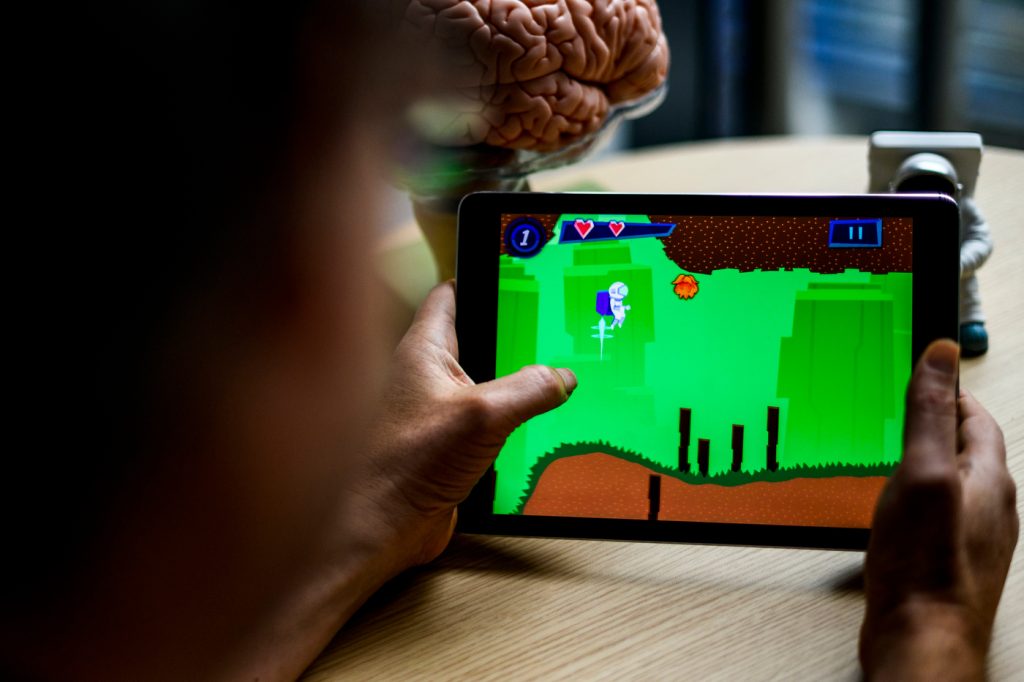
In recent years, the fusion of technology with traditional memory games has opened new avenues for cultural preservation and recall. Mobile applications inspired by traditional games, such as “Ludo” or “Snakes and Ladders,” allow users to engage with cultural history in a modern format. For instance, the app-based version of “Chutes and Ladders” often incorporates themes and characters reflective of diverse cultures. This technological approach attracts younger audiences while providing them with a unique opportunity to connect with their heritage in an accessible format, thereby enhancing recall in a way that resonates with today’s digital landscape.
The Impact of Ritual in Game Play
The presence of ritualistic elements in memory games also contributes to their effectiveness in enhancing recall. For example, in Scottish culture, the game of “Haggis” is often played during celebrations like Burns Night. With its specific patterns and celebratory context, the game becomes a ritual that emphasizes cultural heritage. The familiar routine and environment around the game foster a stronger memory of the associated cultural narratives. Rituals infuse games with a layer of meaning, ensuring that the memories tied to them are rich and enduring.
These diverse methods and approaches showcase how cultural memory games serve as multifaceted instruments for knowledge preservation and recall enhancement. Through strategies that encapsulate play, community, emotion, and technology, societies across the globe craft intricate systems that celebrate and fortify their cultural legacies.
DIVE DEEPER: Click here to enhance your memory skills
Conclusion
In our exploration of cultural memory games, we discover that their role extends far beyond mere entertainment; they are vital threads woven into the fabric of societal identity and knowledge preservation. The innovative techniques utilized in various cultures—from intergenerational learning in Native American traditions to technology-enhanced engagement in modern apps—demonstrate the adaptability of these games in promoting memory enhancement.
Through the infusion of competition and collaboration, communities cultivate belonging and shared memories, reinforcing individual recall with collective experiences. Emotional resonance is similarly pivotal; vibrant music-based games in South Africa illustrate how feelings can transform mere gameplay into memorable life lessons, embedding cultural ethos within participants. Moreover, rituals associated with these games, such as those found in Scottish celebrations, further solidify the connection between performance and memory retention.
As we venture deeper into the digital age, the intersection of technology and tradition offers exciting possibilities for future initiatives aimed at cultural preservation. By integrating cultural narratives into modern gameplay formats, we not only engage younger audiences but also build a bridge connecting generations. Understanding these dynamics sheds light on the broader implications of memory games, suggesting that they are invaluable tools for cultural transmission and the enrichment of communal identity. This ongoing exploration invites us to appreciate the rich tapestry of human experience that memory games encapsulate and inspires further investigation into the methodologies used by societies worldwide to enhance recall and celebrate their heritage.
Related posts:
The Role of Memory Exercises in Boosting Workplace Productivity and Creativity
Using Mnemonic Devices in Everyday Life: Practical Applications for Memory Improvement
Memory Exercises for Students: Techniques to Enhance Learning and Retention
The Role of Social Interaction in Memory Improvement Games
Exploring the Connection Between Memory Puzzles and Mental Health Benefits
The Benefits of Group Memory Exercises: Fostering Teamwork and Cognitive Development

Linda Carter is a writer and puzzle expert specializing in mind games, brain teasers, and cognitive challenges. With extensive experience helping individuals enhance their problem-solving skills and think critically, Linda shares her knowledge on our platform. Her goal is to empower readers with practical advice, engaging puzzles, and strategies to sharpen their minds and achieve success in the captivating world of mind games and puzzles.