Brain Teasers and Emotional Intelligence: How Solving Puzzles Can Improve Empathy
Unlocking the Connection Between Puzzles and Empathy
Have you ever considered how brain teasers might enhance your emotional intelligence? While traditionally viewed as mere entertainment, these challenging puzzles can serve a crucial role in promoting empathy and understanding in our everyday lives. This intriguing connection invites us to explore not only the mental stimulation offered by puzzles but also their unique capacity to shape our emotional landscapes.
Solving brain teasers engages the mind in unique ways, and it’s not just about critical thinking. These activities can be likened to training exercises for the brain, refining skills that are essential in social interactions. Here are some features of this fascinating relationship:
- Pattern Recognition: Puzzles require identifying patterns, a skill that directly translates into recognizing emotions in others. Just as a jigsaw puzzle demands a keen eye to see how pieces fit together, understanding complex emotional cues requires similar acuity. For instance, a person who excels at Sudoku may find it easier to decipher the subtle signs of discord in a conversation, enhancing their ability to empathize with others’ feelings.
- Perspective-Taking: Many brain teasers encourage thinking from different angles, fostering an understanding of diverse viewpoints. Consider riddles that present a scenario from multiple characters’ perspectives; by contemplating each side, individuals can develop a deeper understanding of conflicting emotions. This capability is crucial in workplaces where collaboration is key, as it encourages open communication and facilitates conflict resolution.
- Emotional Regulation: The focus needed to tackle a puzzle can promote calmness and concentration, aiding in emotional control. Engaging with a brain teaser can provide a much-needed break from stress, allowing individuals to return to their daily challenges with a refreshed perspective. This clarity can be especially valuable in high-stress environments, such as hospitals or corporate settings, where emotional resilience is paramount.
Statistics show that individuals with higher emotional intelligence tend to excel in both personal and professional relationships. Research indicates that people with elevated levels of emotional intelligence are often more successful within leadership roles, manage teams effectively, and forge strong connections with peers. This connection prompts further exploration into how engaging with brain teasers can cultivate these skills. Can the simple act of solving a puzzle truly impact our relationships in such a profound way?
As you dive deeper, you may uncover surprising insights about your own empathy levels and social interactions through the lens of puzzle-solving. Activities like crosswords and logic puzzles do not merely test your cognitive skills; they also nurture an emotional awareness that enables us to connect with others. Delving into the world of brain teasers may not just sharpen your mind, but also enrich your heart, leading to a more empathetic and understanding society.
LEARN MORE: Click here to dive deeper
Connecting Cognitive Challenges with Emotional Growth
At first glance, brain teasers may seem like trivial exercises, mere diversions to while away time. However, a closer inspection reveals much more. Engaging with these mental puzzles can be an outstanding pathway to enhancing emotional intelligence, a vital skill that governs how we interact with others. By delving into the interplay between problem-solving and empathy, we can better understand how these activities shape not only our cognitive abilities but also our emotional landscapes.
The mechanism of brain teasers leverages a multitude of cognitive functions essential for emotional growth. Here are some key areas where solving puzzles directly influences empathy:
- Problem-Solving Skills: At their core, most brain teasers require analytical reasoning and creative thought to arrive at a solution. This problem-solving capacity aligns with the emotional intelligence skill of managing interpersonal conflicts. Individuals who engage regularly with puzzles often develop a more nuanced approach to resolving disagreements, as they become adept at viewing issues from multiple angles.
- Enhancing Empathic Accuracy: Brain teasers, particularly those that involve storyline-based challenges or character-driven narratives, invite solvers to interpret emotions and intentions. This practice can sharpen one’s ability to read social cues and understand emotional subtext, a pivotal aspect of empathic accuracy. For example, crosswords that incorporate emotional vocabulary can prompt individuals to think deeply about feelings, enhancing their emotional vocabulary in real-life interactions.
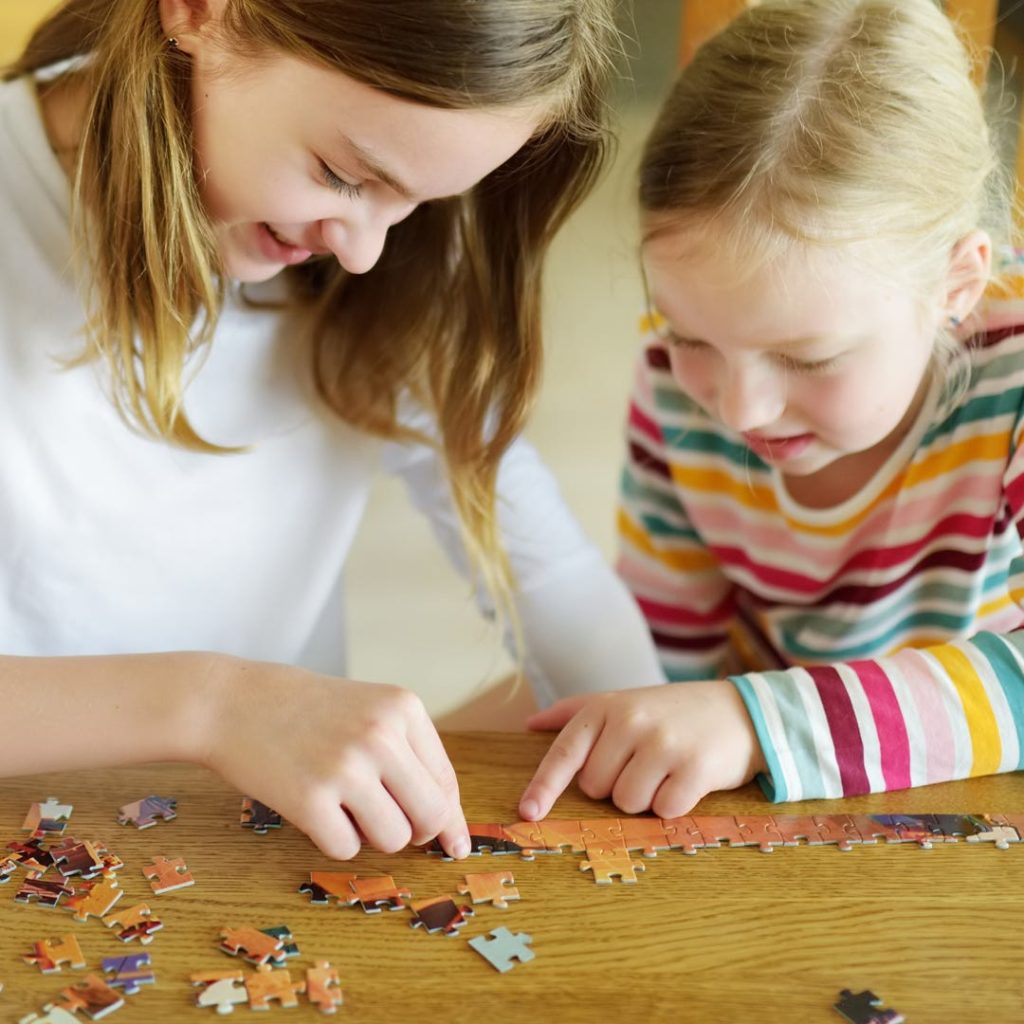
- Boosting Social Interactions: Many brain teasers are designed to be solved in pairs or groups, promoting teamwork and collaboration. This shared experience nurtures trust and communication skills, vital components of emotional intelligence. As individuals discuss and work through problems together, they practice articulating their thoughts and validating others’ viewpoints, fostering a more empathetic dialog.
Research continues to support the notion that emotional intelligence is a critical contributor to success in both personal and professional domains. According to a study published in the Journal of Applied Psychology, workplace performance is closely linked to one’s ability to manage not just their own emotions, but also those of their colleagues. In industries ranging from healthcare to corporate environments, high emotional intelligence translates into better teamwork, increased morale, and higher productivity levels.
What emerges from this exploration is not just a connection between brain teasers and cognitive resilience, but an invitation to assess how these simple puzzles can foster a deeper understanding of the human experience. As individuals immerse themselves in the world of challenges, they find that their capacity for empathy and emotional intelligence flourishes. Think about your own experiences with brain teasers: did you recognize a shift in your ability to connect with others, or did you notice improvements in your emotional awareness?
Ultimately, the act of solving puzzles opens the door to introspection and social understanding, proving that brain teasers can lead to more than just fleeting enjoyment. By enhancing our empathy, we may journey toward creating not only better individuals but also a more compassionate society.
| Advantage | Details |
|---|---|
| Enhanced Problem Solving | Engaging with brain teasers encourages critical thinking and innovation, skills that are essential for navigating social interactions. |
| Empathy Development | Solving problems with others fosters an understanding of varied perspectives, thereby enhancing emotional intelligence and compassion. |
Exploring the impact of brain teasers on emotional intelligence reveals surprising benefits. One significant advantage is the enhanced problem-solving skills developed through consistent engagement with puzzles. When individuals tackle challenges, they learn to assess situations and think outside the box, translating these skills into real-world interactions. This not only boosts analytical abilities but also heightens awareness of how personal decisions affect others.Moreover, engaging in team-based puzzle-solving activities can create an invaluable opportunity for empathy development. This approach encourages participants to share insights and understand multiple viewpoints. As emotional intelligence grows through these shared experiences, individuals find themselves better equipped to navigate complex social situations with sensitivity and consideration. This growth is essential in today’s interconnected world, where understanding different perspectives can lead to deeper, more meaningful relationships. Thus, tapping into the realm of brain teasers opens gateways not just to improved cognitive function, but also to rich emotional insights that can redefine interpersonal connections.
DIVE DEEPER: Click here to discover more
The Neuroscience Behind Puzzles and Empathy
Diving deeper into the connection between brain teasers and emotional intelligence, one cannot overlook the fascinating neuroscience at play. Engaging with puzzles stimulates various regions of the brain, particularly those involved in emotional processing, decision-making, and creative thinking. This creates a neural cocktail that enhances one’s capacity for empathy.
Studies indicate that solving brain teasers activates the prefrontal cortex, which is associated with complex cognitive behavior, decision-making, and moderating social behavior. This region of the brain plays a crucial role in understanding others’ perspectives, making it easier for individuals to navigate social landscapes. Moreover, when solving puzzles, individuals often become aware of their own emotional responses, leading to greater self-awareness—a fundamental component of emotional intelligence.
In addition to self-awareness, engaging in puzzles encourages emotional regulation. When faced with challenging brain teasers, participants must manage their frustration and maintain focus, simulating real-life scenarios where emotional control is essential. A poignant example comes from the realm of interactive puzzles found in escape rooms, where participants must communicate effectively to progress. Such experiences necessitate not only problem-solving but also recognizing and addressing the emotional states of their teammates.
Moreover, the act of solving brain teasers can directly encourage empathy-building practices. For instance, narrative-based puzzles often present scenarios requiring solvers to think from the perspective of various characters. This aligns with a practice known as perspective-taking, which has been identified as a critical pathway toward developing empathy. According to a report from the American Psychological Association, perspective-taking improves emotional intelligence by fostering a deeper understanding of others’ feelings and reactions.
- Creative Thinking: Brain teasers often require out-of-the-box thinking and innovation, skills that overlap significantly with empathetic communications. Individuals who solve puzzles often become adept at generating multiple potential solutions to social conflicts, thus enhancing their ability to empathize with different viewpoints.
- Stress Reduction: Interestingly, solving puzzles has been linked with reduced stress levels. A less stressed individual is more present and emotionally available, creating a better environment for empathy to flourish. Research shows that activities promoting relaxation and mental stimulation can increase both emotional intelligence and cognitive flexibility.
- Building Resilience: Regularly challenging oneself with brain teasers builds resilience, a critical aspect of emotional intelligence. Resilient individuals are more capable of empathizing with others who face obstacles and are often more compassionate in their responses.
Furthermore, the correlation between cognitive challenges and emotional competence extends into the educational sphere. Many schools and institutions across the United States are incorporating brain teasers and problem-solving activities into curriculums to foster not only academic skills but also social-emotional learning. This dual focus has yielded promising results, demonstrating improvements in students’ ability to understand their own emotions and those of others.
As we explore the implications of brain teasers on empathy, it becomes clear that these mental exercises serve as more than just entertainment. They act as vital training grounds for developing complex emotional intelligence skills that not only benefit individuals but also ripple outward, enhancing community and societal engagement. The relationship between cognitive engagement and emotional growth is becoming increasingly evident, urging us to harness the power of puzzles in our everyday lives.
DISCOVER MORE: Click here to dive deeper
Conclusion: Strengthening Empathy Through Puzzle Solving
In today’s fast-paced world, the interplay between cognitive challenges and emotional intelligence has never been more crucial. As we’ve explored, engaging with brain teasers offers significant benefits that extend beyond mere entertainment. The neuroscience behind solving puzzles reveals that these activities stimulate the prefrontal cortex and enhance self-awareness, emotional regulation, and perspective-taking—key components of empathy.
The incorporation of puzzles into our daily routines or educational curriculums serves not only to sharpen our minds but also to cultivate deeper emotional understanding. By fostering environments where creative problem-solving is celebrated, we can support the development of resilience and a strong ability to empathize with others. As research shows, individuals who regularly engage in such mental exercises become better equipped to navigate social dynamics and address the emotional complexities of those around them.
As we move forward, let us harness the potential of brain teasers to enrich our emotional landscapes and refine our interactions within our communities. The journey toward improved emotional intelligence begins with the simple act of solving a puzzle—encouraging us not only to think critically but also to connect more profoundly with the experiences and emotions of others. Therefore, making brain teasers a part of our lives may very well be a delightful and effective pathway to fostering empathy, understanding, and ultimately, stronger relationships.
Related posts:
Brain Teasers and Neuroplasticity: How Mental Challenges Transform the Brain
Brain Teasers and Fun: How Puzzles Can Enhance Motivation and Engagement in Work Environments
The Influence of Brain Teasers on Short-Term Memory: Training the Mind
The Role of Brain Teasers in Education: Stimulating Critical Thinking in the Classroom
Cognitive Benefits of Brain Teasers: How They Increase Intelligence and Creativity
Interactive Brain Teasers: The Revolution of Apps and Online Games in Mental Stimulation

Linda Carter is a writer and puzzle expert specializing in mind games, brain teasers, and cognitive challenges. With extensive experience helping individuals enhance their problem-solving skills and think critically, Linda shares her knowledge on our platform. Her goal is to empower readers with practical advice, engaging puzzles, and strategies to sharpen their minds and achieve success in the captivating world of mind games and puzzles.