Brain Teasers and Neuroplasticity: How Mental Challenges Transform the Brain
Mental Fitness: Harnessing Challenges for Cognitive Growth
In today’s fast-paced world, maintaining mental acuity is as crucial as physical health. This necessity has led to the rise of brain teasers as effective means to enhance our cognitive function. These engaging puzzles not only provide entertainment but also stimulate the brain through a remarkable process known as neuroplasticity.
Neuroplasticity refers to the brain’s remarkable ability to adapt and reorganize itself by forming new neural connections. This adaptability occurs throughout a person’s lifetime and is particularly influenced by experiences and challenges. Engaging regularly with brain teasers can yield significant cognitive benefits, such as:
- Enhanced problem-solving skills: Brain teasers often require innovative thinking and developing multiple strategies to find solutions. As you practice, your ability to approach problems from various angles improves.
- Improved memory retention: Many puzzles involve recalling patterns or sequences, which sharpens memory. For example, solving complex sudoku puzzles requires not just logical thinking but also remembering prior moves and outcomes.
- Increased mental agility: Regular exposure to mental challenges, like crosswords or logic puzzles, fosters quick thinking and adaptability, essential skills in both personal and professional settings.
How Mental Challenges Affect Our Brains
How exactly do these brain teasers foster lasting changes in our cognitive structure? Research suggests that consistent engagement with puzzles activates several key processes:
- Stimulating the growth of new neurons: Activities that challenge the brain can lead to neurogenesis, the creation of new neurons, particularly in the hippocampus, an area crucial for learning and memory.
- Strengthening existing neural pathways: By repeatedly solving puzzles, our brains reinforce connections, optimizing mental pathways for quicker access and retrieval of information.
- Boosting overall brain health and resilience: Engaging in mentally stimulating activities is correlated with a decreased risk of cognitive decline as we age, making brain teasers not just a fun pastime but also a proactive approach to cognitive longevity.
In exploring the compelling relationship between brain teasers and neuroplasticity, we uncover not only the scientific principles behind this process but also practical applications. Delving into this fascinating exploration can reveal insights into how we can actively shape our cognitive destinies through simple yet effective mental challenges. Whether through Sudoku, crossword puzzles, or brain-training apps, the potential for growth is vast, and the rewards may inspire you to make mental fitness a regular part of your routine.
So, the next time you pick up a puzzle, remember that you’re not just passing time; you’re investing in your most powerful asset—your brain.
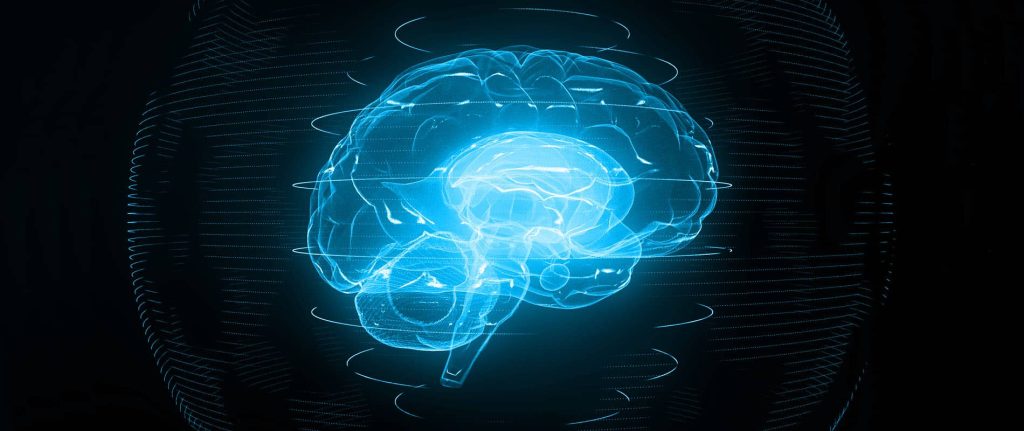
DISCOVER MORE: Click here to dive deeper
The Science Behind Challenge and Change
The intricate relationship between brain teasers and neuroplasticity highlights a fascinating area of study in cognitive science. At the core of this relationship lies the brain’s innate ability to adapt, reshape, and evolve, driven by mental challenges. Various studies indicate that engaging in brain teasers can catalyze profound changes within the brain, fostering mental resilience and enhancing cognitive capacity.
One of the remarkable features of neuroplasticity is its diversity. Neuroplastic changes can occur in different forms—some are structural, while others are functional. For instance, when you regularly solve challenging puzzles, your brain may undergo structural changes, such as:
- Increased synaptic efficiency: The frequency of engaging with challenging puzzles leads to improved communication between neurons. This enhanced synaptic efficiency means faster reflexes and sharper responses in real-life situations.
- Expanded cortical thickness: Research has demonstrated that individuals who regularly participate in mentally stimulating activities can experience an increase in the thickness of the cerebral cortex, the part of the brain responsible for complex cognitive tasks.
- Enhanced connectivity: Engaging in brain teasers can improve the connectivity between different regions of the brain. This interconnectedness allows for better integration of ideas, which is essential for creative thinking and problem-solving.
Moreover, a growing body of research suggests that brain teasers can act as a preventative measure against cognitive decline. A study published in the journal “Neurology” found that older adults who engaged in regular mental challenges, including puzzles and strategy games, showed slower rates of cognitive decline compared to those who did not. This evidence posits that stimulating the brain can lead not only to an improved quality of life during aging but also to prolonging cognitive vitality.
Dr. Barbara Small, a neuropsychologist, explains that “the brain is like a muscle; if you don’t use it, you lose it.” By consistently incorporating mental challenges into your daily routine—whether it be through puzzles, memory games, or problem-solving tasks—you are actively promoting the formation of new neural connections. This process helps maintain cognitive health and fosters a life enriched by continuous learning and adaptability.
As society increasingly recognizes the value of mental fitness, brain teasers are finding their way into various formats, catering to all age groups. From mobile apps designed for acute cognitive exercise to traditional print puzzles like crosswords—these engaging formats not only entertain but also serve as tools for cognitive enhancement.
Understanding the transformative effects brain teasers have on neuroplasticity opens up a world of possibilities for personal cognitive development. By embracing these mental challenges, individuals can not only enjoy the immediate benefits of heightened mental agility but can also safeguard their cognitive futures. As we uncover this transformative potential, it becomes clear that brain teasers are more than mere riddles; they are meaningful exercises that sculpt and strengthen our brains into adulthood and beyond.
| Advantages | Impact on the Brain |
|---|---|
| Enhanced Problem Solving | Brain teasers encourage creative thinking and improve the brain’s ability to analyze complexities. Engaging in regular mental challenges can help develop and strengthen neural pathways. |
| Increased Neuroplasticity | Mental challenges promote neuroplasticity, allowing the brain to adapt and reorganize itself. This adaptability is essential for improving memory and learning capabilities over time. |
Engaging with brain teasers not only serves as an enjoyable pastime but also plays a significant role in enhancing cognitive functions. The notion of neuroplasticity emphasizes the brain’s extraordinary ability to restructure itself through experience. Activities like puzzles, riddles, and complex games stimulate different areas of the brain, ensuring a well-rounded mental workout. By embracing these mental challenges, individuals often find improvements in their memory retention and overall cognitive speed. Additionally, studies indicate that sustained engagement with such activities could lead to a delay in age-related cognitive decline. This compelling interplay between challenging the brain and fostering new connections highlights the inherent potential within each of us to continue learning and evolving mentally throughout our lives. As one delves deeper into the sphere of brain teasers and their transformative effects, the implications for enhancing daily cognitive tasks become not only apparent but also exciting. Whether it’s seeking enjoyment through puzzles or exploring the cognitive benefits of neuroplastic activities, the journey into understanding how to harness the brain’s power is only beginning.
DISCOVER MORE: Click here to explore the significance of puzzle games
The Benefits of Regular Engagement with Mental Challenges
The benefits of integrating brain teasers into one’s routine extend far beyond immediate entertainment. Recent studies have unveiled that people who engage in regular mental challenges exhibit measurable improvements in various cognitive domains, ultimately contributing to a higher standard of living. The neuroplastic changes activated by such challenges can play a vital role in enhancing essential cognitive functions, such as memory, attention, and executive functioning.
One notable advantage of brain teasers is their potential to sharpen memory skills. Engaging in activities like crosswords or Sudoku has been shown to boost both short-term and long-term memory retention. A study conducted at the University of California, Berkeley, found that individuals who consistently solved word puzzles exhibited significant improvements in memory performance when compared to those who did not. This aspect is particularly relevant as scientists emphasize the importance of memory in tasks ranging from everyday activities to high-stakes environments.
Attention and focus are also areas where brain teasers show promise. Completing complex puzzles requires sustained attention and concentration, which translates into improved focus on tasks outside of the mental challenge. Research from the University of Queensland highlighted how engaging in mentally stimulating tasks leads to better attention spans in both young adults and seniors. By practicing focus through brain teasers, individuals might find that they are more effective in their daily decision-making and problem-solving endeavors.
The practice of tackling brain teasers can also significantly enhance executive functioning, which encompasses skills such as reasoning, problem-solving, and critical thinking. A study published in the “Journal of Cognitive Enhancement” highlighted that individuals who routinely engaged with challenging puzzles displayed enhanced reasoning capabilities, thereby preparing them for complex tasks in both personal and professional settings. The improved cognitive flexibility obtained through such engagement enables individuals to navigate life’s challenges with more agility.
In addition to cognitive benefits, brain teasers foster social interactions, especially when solved in groups. The collaborative nature of brain games, such as escape rooms or team puzzle challenges, not only makes the experience enjoyable but also builds a sense of community. A study from the University of Michigan suggested that social collaboration during cognitive challenges could increase engagement, leading to more profound learning experiences while enhancing emotional well-being.
Furthermore, the mere act of engaging with brain teasers can alleviate stress and boost mood. Activities that stimulate mental engagement can trigger the release of neurotransmitters such as dopamine, which are associated with pleasure. This means that spending time solving challenging puzzles not only benefits our cognitive functions but can also uplift our spirits and enhance motivation. Researchers at the University of Cambridge found that participants who engaged in cognitive activities felt a noticeable reduction in stress levels, indicating the holistic benefits of brain teasers on mental health.
As the understanding of the relationship between neuroplasticity and mental challenges deepens, it becomes apparent that individuals can harness the power of brain teasers to cultivate their cognitive abilities. In a world where information overload is a common challenge, taking time to engage with puzzles and other brain teasers emerges as a proactive approach to maintaining a sharp and resilient brain.
DIVE DEEPER: Click here to discover the fascinating history of memory palaces
Harnessing the Power of Mental Challenges
In conclusion, the synergy between brain teasers and neuroplasticity offers a compelling insight into how mental challenges can foster profound cognitive development. As today’s fast-paced world bombards us with distractions, dedicating time to engage with puzzles and brain games becomes essential not just for entertainment but for sustaining mental acuity. The studies discussed underscore the multifaceted benefits of brain teasers, revealing their capacity to enhance memory, sharpen attention, and boost executive functioning.
Moreover, these cognitive engagements foster social connections and emotional wellness, highlighting the holistic advantages of mental challenges. By participating in group puzzles or challenges, individuals not only stimulate their minds but also cultivate a sense of community, proving that cognitive health extends to our social lives as well. As research continues to explore the potential of brain teasers in transforming our cognitive landscapes, it becomes clear that integrating these activities into our daily routines can lead to significant improvements in overall well-being.
For anyone looking to enhance their cognitive capabilities or simply improve their mood, delving into the world of brain teasers offers a fun and scientifically backed solution. By understanding and leveraging our brain’s remarkable capacity for neuroplasticity, we can reclaim control over our mental faculties, ensuring that we navigate life’s challenges with resilience and creativity. Thus, let us embrace the power of brain puzzles and unlock the full potential of our minds, one teaser at a time.
Related posts:
Brain Teasers and Learning: How They Can Help in Early Childhood Education
Brain Teasers and Emotional Intelligence: How Solving Puzzles Can Improve Empathy
The Cognitive Benefits of Brain Teasers on Mental Health
Brain Teasers and Fun: How Puzzles Can Enhance Motivation and Engagement in Work Environments
Interactive Brain Teasers: The Revolution of Apps and Online Games in Mental Stimulation
The Evolution of Brain Teasers: From Antiquity to the Digital Age

Linda Carter is a writer and puzzle expert specializing in mind games, brain teasers, and cognitive challenges. With extensive experience helping individuals enhance their problem-solving skills and think critically, Linda shares her knowledge on our platform. Her goal is to empower readers with practical advice, engaging puzzles, and strategies to sharpen their minds and achieve success in the captivating world of mind games and puzzles.