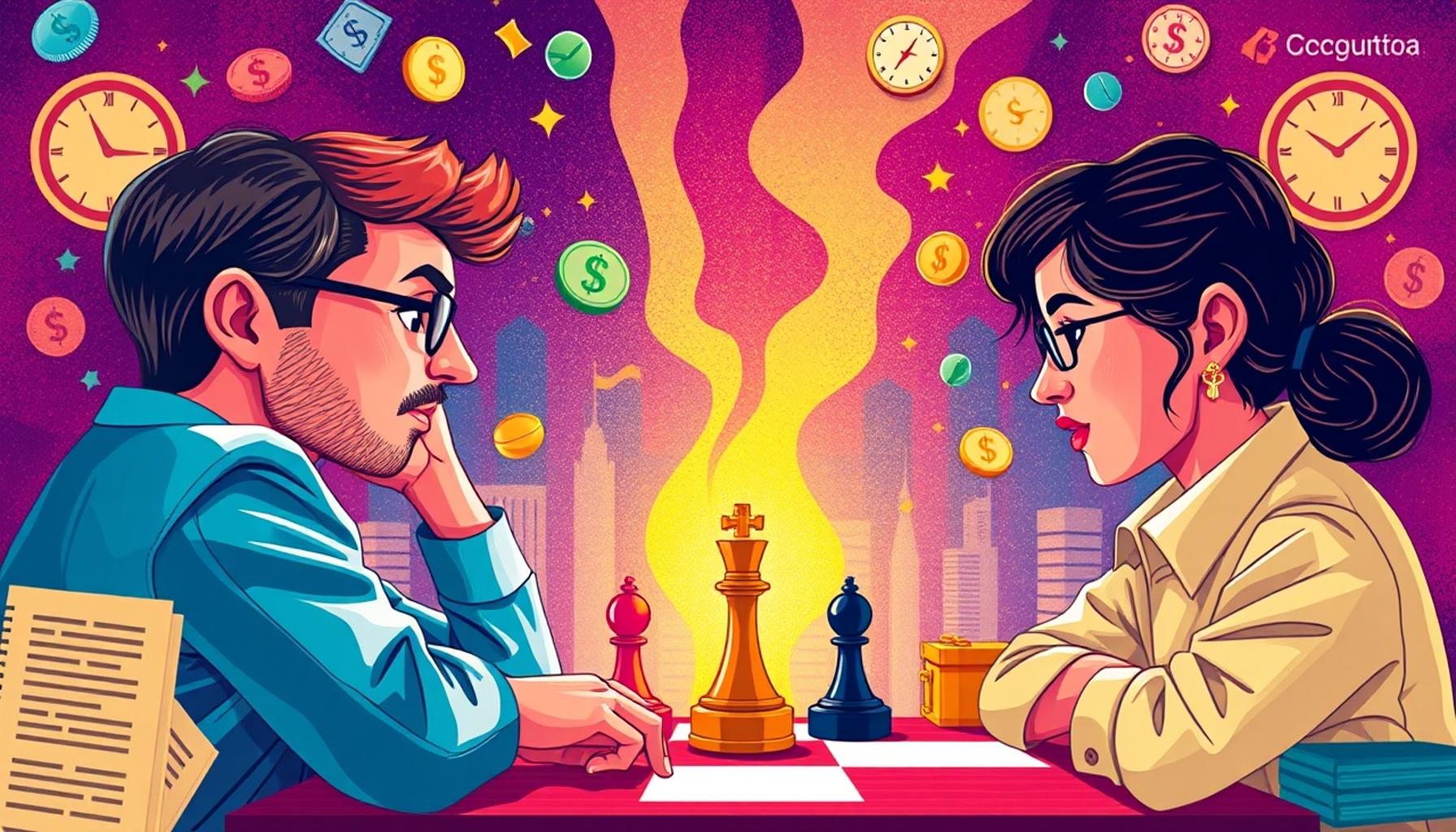
Strategy and Innovation: How Simulation Games Stimulate Critical Thinking in Business Environments
The Role of Simulation Games in Developing Business acumen
In an age where the business environment is constantly shifting due to technological advancements and globalization, organizations face the pressing need to cultivate sharp decision-making abilities among their teams. With traditional training methods often proving inadequate for the complexities of modern challenges, simulation games have emerged as a compelling alternative. These interactive tools place participants in lifelike business scenarios, prompting them to think strategically and develop insightful solutions.
One of the standout features of simulation games is their emphasis on real-time decision making. In a fast-paced environment, players are required to assess information quickly and navigate unexpected challenges, simulating the urgency of actual business dilemmas. For instance, a game that mirrors stock market fluctuations forces participants to buy or sell shares based on live data, reflecting the constantly changing nature of the financial markets. This experience can sharpen analytical skills and develop a greater awareness of economic indicators and their implications.
Another vital advantage of simulation games lies in their promotion of collaboration and teamwork. As players often work in teams to tackle complex issues, they hone their communication skills and learn to leverage diverse perspectives. These group dynamics foster an environment where participants jointly devise strategies, create shared goals, and strategize on responses to emerging challenges. An illustrative example might be the use of a simulation game to construct a marketing plan for a new product, where different team members contribute ideas based on their expertise in finance, operations, or market research.
Risk assessment is yet another critical component these games make formidable. As managers play through various business scenarios, they analyze the potential risks associated with different strategic choices. For instance, a simulation game that places individuals in the role of a CEO challenged with expanding internationally allows them to weigh factors like cultural differences, market viability, and adherence to regulatory requirements. This hands-on experience cultivates a deeper understanding of the complexities involved and the necessity of calculated risk-taking.
As organizations across the United States strive to navigate a competitive landscape, the use of simulation games as an training tool signifies a pioneering step toward fostering critical thinking skills. By engaging in these dynamic, real-world challenges, players learn not only the mechanics of business strategy but also the impact of their decisions on overall performance.
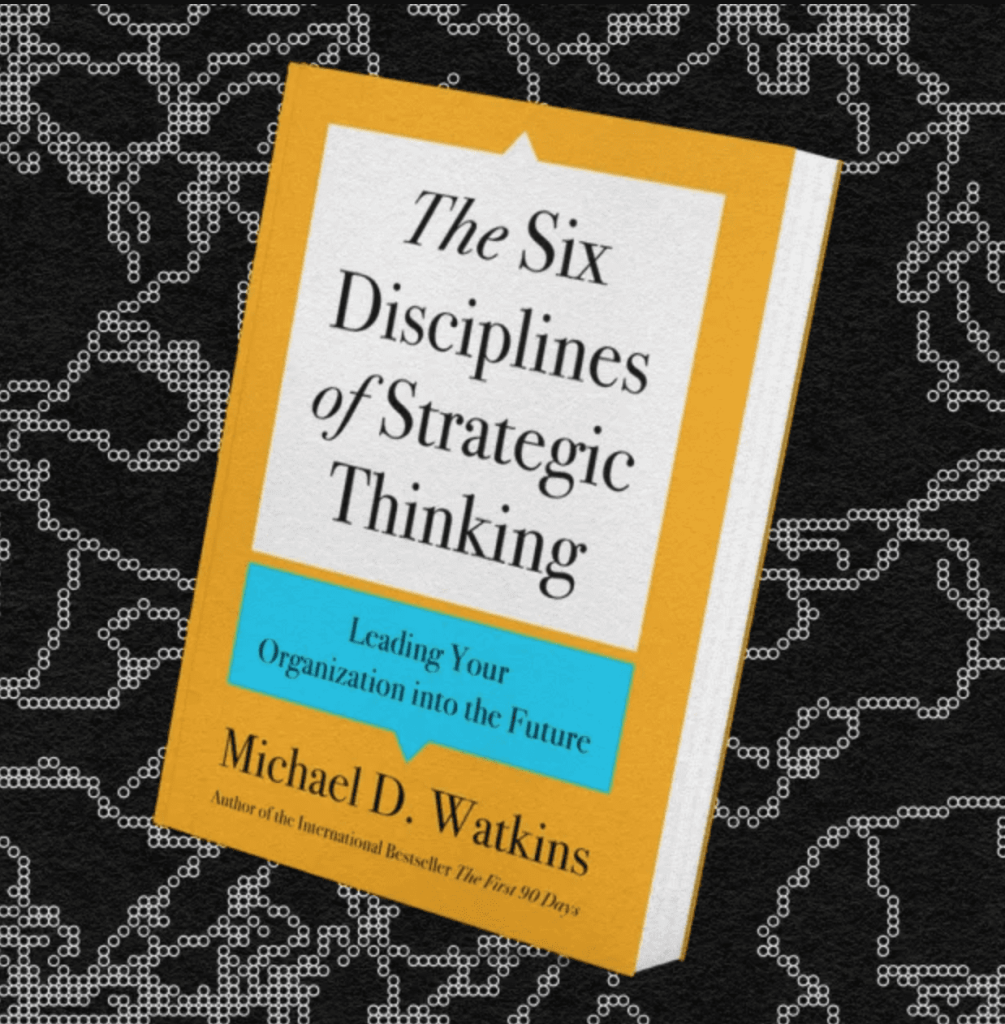
This exploration into the realm of simulation games illustrates their potential to reshape the training paradigm for modern businesses. These interactive experiences act as a catalyst for strategic innovation, enhancing cognitive skills—the very foundation for success in a challenging business environment. As organizations embrace this innovative approach, they pave the way for a more adaptable and skilled workforce ready to thrive in the ever-evolving marketplace.
DIVE DEEPER: Click here to discover how nutrition impacts memory exercises
Enhancing Decision-Making Skills Through Simulation Games
Simulation games are not merely entertainment; they serve as a robust platform for building decision-making skills in a simulated business context. These games immerse participants in scenarios where they must navigate complexities akin to those found in the real world. By challenging players to respond strategically to fluctuating circumstances, organizations can evaluate and hone their team’s ability to think critically under pressure. Managers are often tasked with balancing multiple objectives, which can closely mirror the realities of running a business.
For example, a simulation that mimics the challenges of launching a new product in a competitive market can help participants understand how to align their strategies with market needs. Players must assess consumer trends, forecast sales, and respond to competitor actions—all while managing a budget. Such scenarios train teams to consider a multitude of variables and outcomes, significantly enhancing their decision-making prowess and adaptability.
Moreover, simulation games can stimulate innovation by pushing players beyond conventional thought patterns. Participants are often encouraged to experiment with unique strategies to succeed, fostering an environment where creativity flourishes. As teams brainstorm solutions to overcome various hurdles presented in the game, they are more likely to think outside the box, an essential trait in today’s rapidly evolving business landscape.
Key Elements of Simulation Games That Foster Critical Thinking
- Authenticity: Most simulation games are designed to mimic real industry challenges, providing a practical understanding that theory alone cannot offer.
- Real-Time Feedback: Players receive immediate results based on their actions, allowing them to analyze what worked, what didn’t, and why, thereby reinforcing learning.
- Varied Scenarios: By engaging with different contexts, teams can adopt multiple perspectives to problems, a vital aspect of critical thinking.
- Iterative Learning: The ability to make decisions, see their outcomes, and adjust strategies in subsequent rounds paves the way for continuous improvement.
The implications for strategic training are profound. Organizations are increasingly recognizing that the traditional classroom model is insufficient for preparing teams to deal with real-time business intricacies. Instead, an interactive, game-based approach forms a bridge between theoretical knowledge and practical application, empowering employees to harness their critical thinking skills for actual business performance.
As corporate landscapes evolve, the significance of simulation games in cultivating innovative mindsets cannot be overstated. By placing players in high-stakes, realistic environments, these tools not only enhance critical thinking skills but also prepare a workforce capable of thriving in an unpredictable future. This innovative approach to training holds the promise of not just developing better managers, but also fostering a generation of leaders adept at navigating the complexities of modern business.
Strategy and Innovation: How Simulation Games Stimulate Critical Thinking in Business Environments
Incorporating simulation games into business strategies is not just about engagement; it’s a robust method for enhancing critical thinking. Such games provide a platform where participants can understand complex business dynamics and make decisions in a risk-free environment. This hands-on approach encourages team collaboration and fosters a sense of competition, both of which are essential in today’s fast-paced business world.One of the most intriguing aspects of simulation games is their ability to introduce players to unexpected scenarios, compelling them to adapt and innovate. By simulating unpredictable market changes, user behaviors, or resource constraints, these games challenge players to rethink their strategies. This not only enhances analytical skills but also promotes flexibility and creative problem-solving.Moreover, businesses that invest in simulation-based training often see a marked improvement in employee engagement and retention rates. Players, having experienced realistic business challenges, develop a deeper understanding of their roles and metrics that matter to their organization. This experiential learning model allows players to experiment with strategies, thereby discovering what works and what doesn’t, without the risks associated with real-life decisions.According to research, organizations that utilize these simulation-based learning tools often report a significant boost in innovation. Employees are better equipped to approach problems with a fresh perspective, continuously thinking outside of the box. Simulation games, therefore, serve as a microcosm of real-world business scenarios, where players can not only learn but thrive. To further explore the advantages of simulation games in stimulating critical thinking, refer to the table below, which outlines key benefits and features while focusing on innovative implications in a business setting.
| Category | Advantages |
|---|---|
| Enhanced Decision-Making | Participants learn to evaluate options critically, identifying possible outcomes based on data. |
| Improved Collaboration | Players collaborate in teams, learning to communicate effectively and share insights. |
Innovation through simulation not only shapes the individual players but also influences the overall strategy for businesses, guiding them to adapt and thrive in an ever-evolving environment. As organizations continue to embrace technology and experiential learning, simulation games will undoubtedly remain a vital component of business education and training.
DIVE DEEPER: Click here to discover more about technology and memory training
Fostering Collaboration and Team Dynamics Through Game-Based Learning
In addition to enhancing individual decision-making skills, simulation games play a pivotal role in fostering collaboration and improving team dynamics within business environments. Collaborative simulations challenge groups to work together to solve complex problems, encouraging members to leverage their diverse skills and perspectives. This collaborative atmosphere not only cultivates critical thinking but also strengthens interpersonal relationships, a crucial factor for effective teamwork in any organization.
Consider scenarios where teams are tasked with managing resources, addressing market fluctuations, or even navigating crises within a simulated business framework. Such experiences compel participants to engage in meaningful dialogues, allowing them to constructively challenge each other’s ideas while also building consensus. For example, during a simulation where teams compete to develop a sustainable product line, each member brings unique insights on sustainability practices, market analysis, and product development. This exchange of ideas nurtures creative problem-solving that can lead to innovative business solutions.
Real-World Applications: Learning from the Best
Many leading corporations have embraced simulation games to equip their workforce with essential skills. Companies like Google, IBM, and Procter & Gamble utilize these engaging platforms as part of their employee development programs. These organizations understand that performance in a competitive market requires both critical thinking and collaborative skill sets that can be better honed through simulated experiences.
Research conducted by the Harvard Business Review indicates that teams that participate in simulation-based training exercises demonstrate significantly improved collaboration and a greater capacity for innovative thinking. The report highlights that participants not only become adept at making decisions under pressure but also develop a shared understanding of roles within a team context, fostering unity and purpose among diverse individuals.
The Role of Technology in Simulation Games
The technological advancements in simulation game design further enhance their effectiveness in promoting critical thinking. With the integration of artificial intelligence (AI) and virtual reality (VR), participants can experience even more immersive environments that replicate the complexities of real business situations. For instance, VR allows users to navigate a 3D landscape that mirrors their own workplace, making the learning experience more tangible and relatable.
Furthermore, online platforms now allow distributed teams to participate in simulations regardless of geographical barriers. This connectivity enables companies to train remote employees effectively, ensuring that all team members are on the same page and ready to tackle real-world challenges together. The ability to gather insights and data from numerous players worldwide also enhances the learning experience, showcasing different strategies and solutions to common problems.
As companies strive to remain ahead of the curve, understanding the transformative impact of simulation games in cultivating critical thinking and teamwork becomes imperative. The focus on both individual skills and collective intelligence allows organizations to adapt effectively to market demands, fostering innovation as a byproduct of collaborative learning. By positioning simulation games as central to training agendas, businesses can ensure that their teams not only survive but thrive in an increasingly competitive business landscape.
DISCOVER MORE: Click here to learn about the impact of social interaction on memory games
Conclusion: Embracing the Future of Business Training
In today’s fast-paced and ever-evolving business landscape, the utilization of simulation games to foster strategy and innovation is not merely a trend but a necessity. These immersive training tools serve as a bridge, connecting individual skills with collaborative capabilities, thereby enhancing both critical thinking and team cohesion. The unique environment of simulation games encourages employees to step outside their comfort zones, challenge conventional wisdom, and engage in meaningful discussions that lead to creative solutions.
The examples set by prominent companies, such as Google and IBM, underline the growing recognition of simulation games as invaluable resources for employee development. Research indicates that these programs can lead to significant improvements in decision-making and innovation, a critical factor as organizations navigate unpredictable market dynamics. Moreover, advancements in technology, such as artificial intelligence and virtual reality, promise to make these experiences even more effective and accessible.
As we look to the future, it is imperative for businesses to integrate simulation games into their training agendas. Embracing this method not only equips teams with necessary skills but also fosters a culture of continuous learning and adaptation. Consequently, organizations that prioritize strategic simulation will not only enhance their operational effectiveness but will also position themselves as leaders in innovation. In this way, the application of simulation games emerges not just as a training tool, but as a strategic imperative for organizations aiming to thrive in an increasingly competitive global market.
Related posts:
Logical Challenges: The Importance of Puzzle Games in Improving Critical Analysis
The Influence of Card Games on the Development of Planning and Forecasting Skills
The Art of Strategic Thinking in Board Games: How to Develop Planning Skills
Puzzles and the Analytical Mind: How Logical Challenges Enhance Decision-Making in Competitive Scena...
Strategy in Motion: How Action Games Stimulate Critical Thinking and Adaptation
The Power of Board Games in Leadership Development: Cultivating Strategic and Communication Skills

Linda Carter is a writer and puzzle expert specializing in mind games, brain teasers, and cognitive challenges. With extensive experience helping individuals enhance their problem-solving skills and think critically, Linda shares her knowledge on our platform. Her goal is to empower readers with practical advice, engaging puzzles, and strategies to sharpen their minds and achieve success in the captivating world of mind games and puzzles.