Fun and Engaging Memory Games for Children: Building Skills Through Play
The Importance of Memory Games
Memory games present an engaging and often overlooked method for fostering cognitive growth in children. Research indicates that these activities do not merely entertain; they significantly contribute to various cognitive functions. As children navigate through different types of memory games, they are essentially exercising their brains, which can result in improved learning outcomes and a greater ability to tackle complex tasks.
Enhanced Cognitive Abilities
Improved Memory Retention: One of the primary benefits of memory games is their ability to enhance memory retention. Studies show that children who engage in regular memory exercises can recall information with greater accuracy. For example, playing classic games like Concentration or even matching card games helps reinforce visual memory. Children may find that they can remember the locations of cards, which translates into better retention of information learned in school. This skill is not just limited to simple memorization; it extends to understanding complex topics, like math problems or reading comprehension.
Strengthening Social Skills
Social Skills Development: Many memory games are designed for multiple players, requiring teamwork and collaboration. Games such as Memory or even digital apps where kids can compete in real-time help children learn to work together toward a common goal, fostering essential social skills. Through these interactions, children practice effective communication, share strategies, and learn the importance of patience and support in a group setting. The social aspect of these games is crucial, as it encourages children to navigate relationships, resolve conflicts, and develop empathy.
Encouraging Critical Thinking
Encouragement of Critical Thinking: The strategic nature of memory games necessitates that players make thoughtful decisions, which boosts analytic abilities. Take the game of Simon Says, where players must focus not only on commands but also on remembering previous rounds’ actions while considering their next move. This kind of thinking is invaluable in both academic scenarios and daily life, as children become adept at weighing options and predicting outcomes based on past experiences.
Incorporating Memory Games into Daily Routines
With the evolution of technology, there’s an abundance of memory games that can be seamlessly integrated into both educational and recreational settings. Digital applications like Lumosity and Peak offer interactive memory challenges that can be played solo or shared among friends. Meanwhile, traditional board games continue to be relevant, providing a tactile experience that nurtures face-to-face interactions. The beauty of memory games lies in their versatility; they can be played during family game nights, used as educational tools in the classroom, or even incorporated into travel activities to keep children engaged.
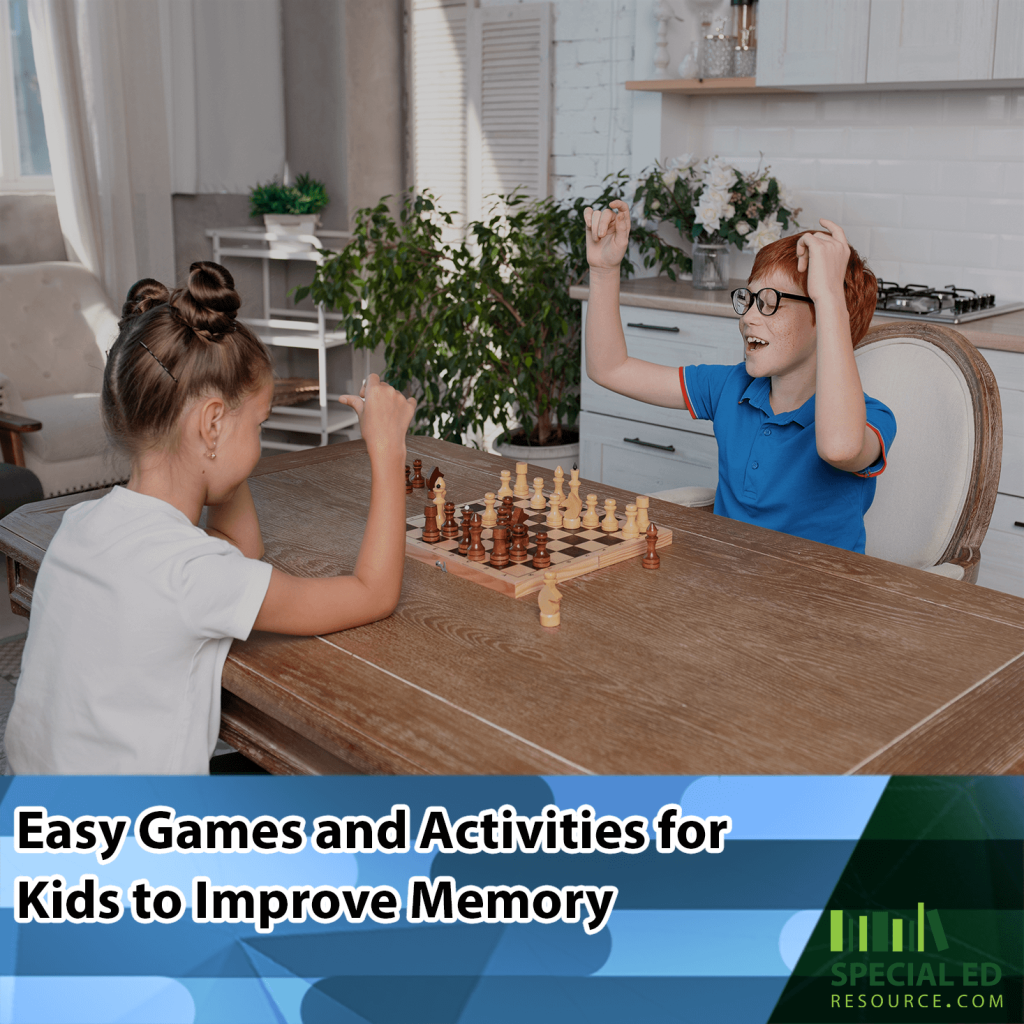
In summary, memory games are not just a source of amusement; they are vital instruments in shaping a child’s cognitive and social skills. Through a variety of formats, these games offer a fun way for children to develop crucial life skills, setting the stage for effective lifelong learning and personal growth. Whether through classic games or innovative apps, engaging in memory challenges paves the way for a brighter, more knowledgeable future.
EXPAND YOUR KNOWLEDGE: Click here to learn effective memory exercises
Types of Memory Games for Children
When it comes to memory games for children, the choices are diverse, enriching the brain in various ways. From traditional board games that have entertained families for generations to modern digital platforms, each format offers unique benefits that cater to different learning styles and preferences. Below are some popular categories of memory games that can significantly aid in cognitive development.
Classic Card Games
Classic card games, such as Concentration, are timeless staples in many households. Concentration, also known as Memory, involves laying cards face down and challenging players to find matching pairs. It’s a simple yet effective way to enhance visual memory and encourages kids to remember the positions of previously revealed cards. This game not only sharpens memory but also teaches patience and strategic thinking as players try to deduce the locations of the pairs while minimizing their turns.
Board Games
Board games like Guess Who? and Operation also serve as engaging tools to improve memory and cognitive skills. Guess Who? involves asking strategic yes/no questions to deduce a mystery character, requiring children to recall and analyze features of different characters, enhancing both memory retention and critical thinking. Similarly, the game Operation demands fine motor skills and memory as players must remember the names of various ailments while successfully removing pieces without setting off the buzzer.
Digital Memory Games
The accessibility of technology has paved the way for engaging digital memory games that captivate children’s attention. Educational apps like Endless Alphabet and Peak offer interactive memory challenges. Unlike traditional games, these apps track progress over time, helping children to see their improvement and encouraging continuous participation. Many of these apps adapt to the child’s skill level, making them effective tools for personalized learning experiences.
Outdoor Memory Challenges
For parents looking to combine physical activity with memory skills, outdoor memory challenges can be a delightful option. Activities such as Simon Says or scavenger hunts foster memory recall through action and engagement. In a scavenger hunt, children must remember the list of items they need to find, honing their observational and memory skills while enjoying the outdoors. This interactive approach to memory games not only keeps kids physically active but also encourages teamwork and communication.
Benefits Overview
The benefits of incorporating these fun and engaging memory games into children’s routines are clear:
- Boosts Memory Retention: Regular play improves the ability to recall information.
- Enhances Social Interactions: Many games require group participation, promoting collaboration and communication.
- Promotes Critical Thinking: Strategic gameplay encourages children to analyze, plan, and predict outcomes.
- Provides a Fun Learning Environment: By integrating games into play, children naturally engage and learn without the pressure of traditional schooling.
Incorporating a variety of memory games into a child’s daily activities not only builds essential skills but also ensures that learning remains a joyful experience. The versatility of these games allows parents and educators to tailor activities to suit the interests and developmental levels of their children, making memory building both fun and effective.
| Cognitive Development | Skills Enhanced |
|---|---|
| Memory Improvement | Helps in sharpening short-term and long-term memory. |
| Attention and Focus | Encourages children to concentrate on tasks longer. |
| Problem-Solving Skills | Promotes critical thinking by enabling kids to strategize. |
| Social Skills | Facilitates teamwork and communication among peers. |
Incorporating fun and engaging memory games into a child’s routine has transformative benefits, particularly regarding cognitive development. These games are designed to facilitate improvements in memory, making it easier for children to recall information. As they play, kids will naturally stimulate their brains, enhancing both short-term and long-term memory.Moreover, these games significantly improve a child’s attention and focus. Children learn to concentrate better, which can benefit their academic performance. Engaging in memory games also boosts their problem-solving skills, encouraging them to think critically and strategize toward solutions.As children participate in these activities, they develop essential social skills by interacting with peers. Teamwork and communication play crucial roles, fostering lasting friendships and collaborations. Exploring these areas can unveil even more advantages of memory games, making them an invaluable tool in children’s creative development.
DISCOVER MORE: Click here to learn about the latest advancements
Creative Memory Game Variations
While traditional memory games offer a robust foundation for building cognitive skills, innovative variations can further engage children’s imaginations and enhance their capabilities. By tweaking familiar formats or creating new challenges, parents and educators can introduce exciting twists that make memory development even more enjoyable.
Storytelling Memory Games
A creative approach to memory games involves combining storytelling with memory challenges. In these games, children are asked to remember details from a story as they hear it. For instance, after narrating a story that includes specific characters, objects, and events, kids can be quizzed about what they remember. This not only builds memory but also enhances comprehension and narrative skills. Implementing family storytelling nights where every participant contributes a part of the tale can further foster a supportive environment for learning through fun.
Musical Memory Games
Music offers a unique avenue for memory enhancement as well. Musical Chairs is a widely loved game that, while primarily a party activity, can be adapted to focus on memory. Children can be asked to remember sequences of music or lyrics, with variations like stopping the music at certain points to challenge them on recalling what they just heard. Another engaging option is using songs to create memory associations; children can learn to connect information, like vocabulary words, to melodies, reinforcing their recall ability.
DIY Memory Games
Parents and kids can collaborate to create their own memory games, fostering creativity and personal investment in the learning process. Simple DIY games can be made by crafting pairs of cards featuring family members, favorite books, or animals. By creating these cards together, children learn about their topics in depth, making their memory game experience more personal and meaningful. This hands-on activity promotes bonding while stimulating cognitive function, as the children become involved in the entire process, from conception to gameplay.
Memory and Movement Activities
Incorporating movement into memory games can significantly boost engagement levels among kids. Activities such as Follow the Leader combine physical action and memory recall. In this game, one child performs a sequence of movements or sounds that others must remember and mimic. This not only enhances their physical coordination but also sharpens their memory through repetition and observation. Similarly, games like Red Light, Green Light can be modified by adding memory elements, requiring players to recall specific actions or phrases during the game.
Memory Apps and Online Resources
With the rise of digital education tools, many app developers have designed interactive platforms focused specifically on memory skills. Games like Memory Match and BrainBox provide visually stimulating environments with vibrant graphics to keep children entertained. These apps often come with varying levels of difficulty, allowing for gradual skill enhancement while keeping learning new and exciting. Notably, some platforms track performance over time, giving both children and parents measurable insight into progress.
In summary, the landscape of memory games for children continues to evolve. By exploring creative variations and leveraging technology, parents can cultivate an enriching environment that emphasizes skill-building through play. The key is to keep the focus on fun, ensuring that children remain engaged and motivated to develop their memory skills as they grow.
DIVE DEEPER: Click here for practical memory tips
Conclusion: Unlocking Potential Through Play
In conclusion, fun and engaging memory games serve as a powerful tool for children’s development, seamlessly blending play with learning. These games do not merely serve to entertain; they offer a stimulating environment where children can enhance their memory, attention, and cognitive skills. From creative variations like storytelling and musical activities to the allure of DIY creations, each method presents unique opportunities for children to engage their minds while having fun.
Moreover, leveraging technology with memory apps and online resources further enriches the learning experience, making it accessible and interactive. These advancements ensure that children can play independently or collaborate with peers, reinforcing social skills alongside cognitive growth. As parents and educators implement these diverse forms of memory play, they create not only a nurturing educational atmosphere but also foster genuine bonding moments.
Ultimately, the focus should remain on making memory development a joyous experience. By prioritizing enjoyment, children will naturally become more motivated to challenge themselves, unlocking potentials that will benefit them throughout their schooling and beyond. Exploring various memory games equips children with essential life skills, establishing a foundation of confidence and creativity that will serve them well in their futures. So why wait? Dive into the world of memory games and watch as your child’s abilities blossom through the magic of play.
Related posts:
The Impact of Memory Exercises on Cognitive Functioning in Older Adults
Exploring the Connection Between Nutrition and the Effectiveness of Memory Exercise
The Role of Social Interaction in Memory Improvement Games
Using Mnemonic Devices in Everyday Life: Practical Applications for Memory Improvement
The Science Behind Memory Palaces: A Historical Perspective
The Role of Memory Exercises in Preventing Age-Related Cognitive Decline

Linda Carter is a writer and puzzle expert specializing in mind games, brain teasers, and cognitive challenges. With extensive experience helping individuals enhance their problem-solving skills and think critically, Linda shares her knowledge on our platform. Her goal is to empower readers with practical advice, engaging puzzles, and strategies to sharpen their minds and achieve success in the captivating world of mind games and puzzles.