Competitive Mindset: The Influence of Strategy Games on Solving Complex Problems
Understanding the Role of Strategy Games in Problem Solving Skills
In today’s fast-paced world, the ability to solve complex problems is more crucial than ever. Strategy games have emerged as a powerful tool in cultivating a competitive mindset necessary for tackling these challenges. They serve not only as a form of entertainment but also as practical training grounds for improving cognitive skills.
What makes strategy games so effective? Here are some key features:
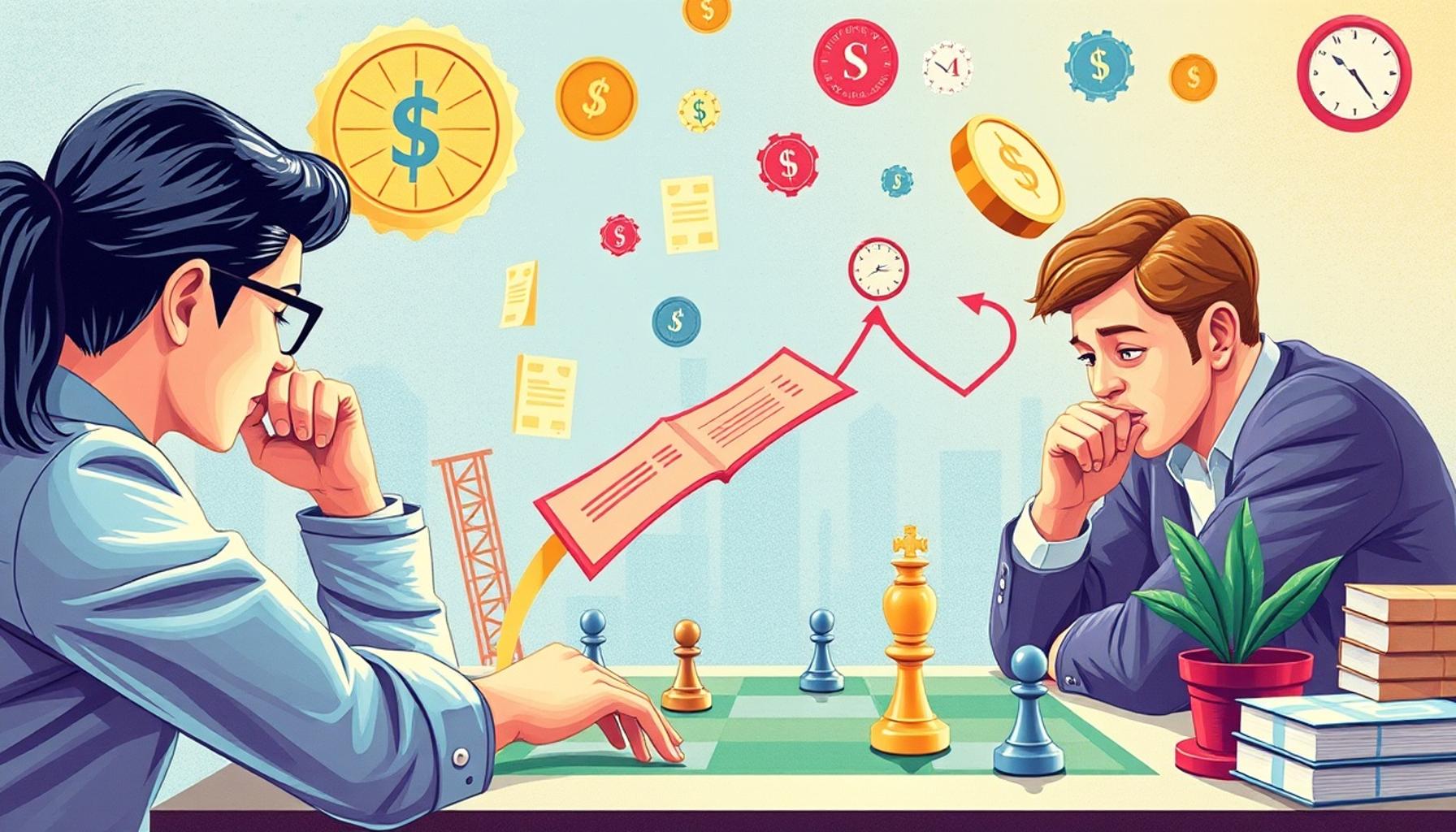
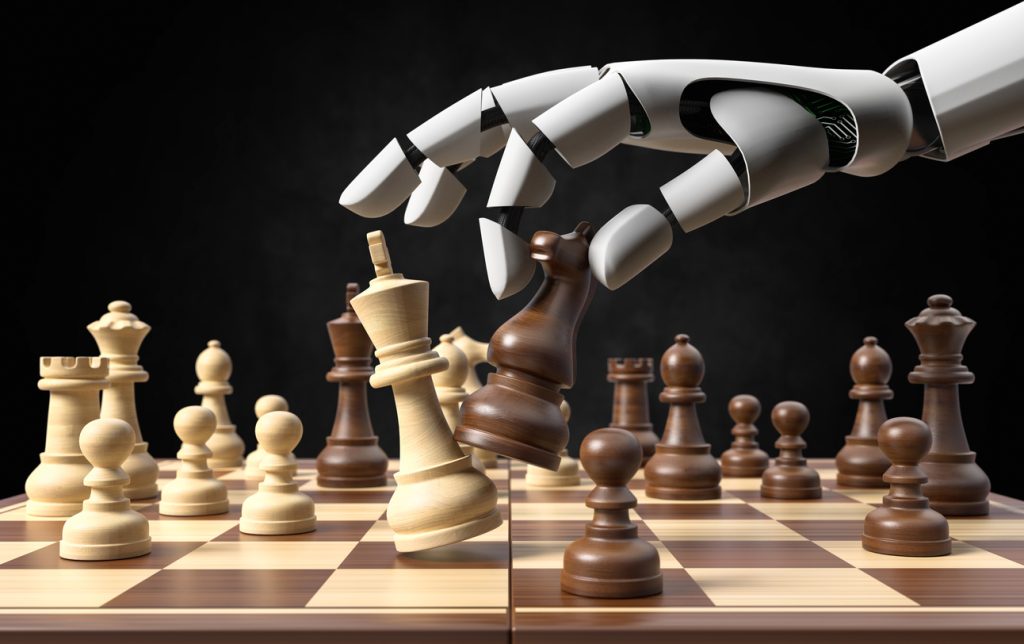
- Critical Thinking: Players must analyze various scenarios before making decisions. For instance, in games like chess, each move involves anticipating the opponent’s strategy, which sharpens predictive thinking and enhances foresight.
- Resource Management: Efficient allocation of limited resources enhances strategic planning. Games such as StarCraft require players to manage time, money, and units effectively, teaching them the importance of prioritization and long-term thinking.
- Adaptability: Constantly changing dynamics in games require players to adjust their strategies on the fly. In rapidly evolving environments like those found in Fortnite, players learn to be flexible and innovative, essential qualities for problem-solving in unpredictable real-world situations.
The influence of these games is visible in various domains, including:
- Business Strategy: Many executives use simulations to refine their tactical approaches. Companies like IBM have developed simulation games for their teams to explore market strategies, enabling employees to experiment with decisions without real-world repercussions.
- Military Training: Strategy games are utilized for tactical training in modern warfare. The U.S. Army has incorporated games like America’s Army to train soldiers, fostering skills in leadership, teamwork, and decision-making under pressure.
- Education: Schools have started to embrace games to enhance problem-solving skills among students. Educational tools like Minecraft: Education Edition promote creative problem-solving and collaboration, proving to be an engaging alternative to traditional classroom methods.
With advancements in technology, the scope of strategy games has expanded significantly, resonating with diverse audiences. Virtual reality (VR) and augmented reality (AR) technologies have taken strategy gaming to new heights, providing immersive experiences that enhance engagement and learning. As we delve deeper into the relationship between a competitive mindset and strategy gaming, we uncover the intricate ways these games prepare individuals for the complexities of real life. From fostering critical cognitive skills to enhancing teamwork and strategic thinking, the benefits are far-reaching and continue to evolve in our ever-changing society.
DIVE DEEPER: Click here to discover the impact of social interaction on memory games
The Cognitive Benefits of Engaging with Strategy Games
Strategy games serve as fertile ground for developing a competitive mindset, equipping players with vital skills that extend far beyond the screen. By challenging participants to navigate multifaceted scenarios, these games stimulate cognitive functions such as critical thinking, problem-solving, and decision-making. Below are some cognitive benefits derived from engaging with strategy games:
- Enhanced Decision-Making: Players often face high-stakes decisions where the outcome can dramatically alter the game’s trajectory. This simulation of real-life pressure teaches individuals how to evaluate options critically and make decisive choices with limited information.
- Improved Memory Retention: Strategy games frequently require players to remember a range of tactics, character abilities, and resource stats. This demand for recall not only improves short-term memory but also strengthens cognitive flexibility, enabling players to adapt their strategies based on evolving circumstances.
- Collaboration and Communication: Multiplayer strategy games, like League of Legends, necessitate effective teamwork and communication among players. This dynamic fosters interpersonal skills such as negotiation and conflict resolution, translating into better collaboration in professional settings.
- Analytical Skills Development: Players often analyze opponents’ moves, assess risks, and develop counter-strategies. This analytical framework helps players compartmentalize complex information, an essential ability for tackling intricate problems in various fields.
Moreover, the competitive nature of strategy games provides a unique environment where players are motivated to hone their skills continually. The immediate feedback loop inherent in games offers insights that traditional learning environments may lack. Players learn from both their successes and failures in real-time, allowing them to iterate their approaches quickly and effectively.
The implications of these cognitive benefits are evident across different realms. For instance, in the corporate world, companies increasingly turn to strategy games for employee training, recognizing that simulated competition can lead to innovative problem-solving strategies. According to a 2021 report from McKinsey, organizations that utilize gamified training methods see a 14% increase in employee engagement and a 20% improvement in knowledge retention.
In education, teachers are incorporating strategy games into their curricula to engage students actively. The *Educational Gaming Experiences Report* by the Institute of Play highlights that students who participated in engaging, game-based learning scored 22% higher on problem-solving tests compared to their peers in traditional settings. This shift hints at an emerging educational philosophy, where learning through play fosters deeper understanding and retention of knowledge.
As we unravel the influence of strategy games, it becomes clear that their capacity to cultivate a competitive mindset extends beyond mere entertainment. This nurturing environment fosters the development of essential skills—critical thinking, adaptability, and collaboration—that are paramount in addressing today’s complex challenges.
Strategy games have long been recognized for their ability to sharpen cognitive skills and foster a competitive mindset. These games, whether they are board games like chess or digital formats such as real-time strategy video games, create environments where players must think critically, adapt quickly, and strategize effectively. This section delves deeper into the ways in which strategy games enhance problem-solving skills and cultivate a mindset geared towards success.One of the fundamental aspects of strategy games is the emphasis on critical thinking. Players are often faced with complex scenarios requiring them to analyze multiple variables and predict opponents’ moves. This not only enhances decision-making abilities but also encourages players to consider the long-term implications of their actions. For instance, a chess player must evaluate potential opening moves and their consequences many turns ahead, a skill that directly translates into real-world problem-solving.Moreover, strategy games frequently require collaboration and negotiation, particularly in multiplayer settings. This dynamic promotes a team-oriented mindset, essential in professional environments. Engaging in cooperative strategies helps players understand diverse perspectives and develop the ability to compromise, a component vital in any successful team endeavor. Furthermore, when players face defeat, they learn resilience and the importance of revisiting their strategies, fostering a growth mindset.The structured nature of strategy games also teaches time management. Players must efficiently allocate their resources and make timely decisions, mimicking the pressures faced in everyday life. These time-sensitive situations train individuals to prioritize tasks and think swiftly, essential attributes in today’s fast-paced world.Overall, the lasting impact of strategy games on developing a competitive mindset and enhancing problem-solving capabilities highlights their significance beyond mere entertainment. Encouraging individuals to engage with these games can lead to improved analytical skills, a higher degree of resilience, and better collaboration abilities, equipping them for various challenges in both personal and professional realms. As we continue exploring the influence of strategy games, it is clear that their benefits extend far beyond the game board, making a profound impact on individual growth and success. The following table provides a concise overview of the advantages gained from engaging in strategy games:
| Category | Advantages |
|---|---|
| Creative Problem Solving | Encourages out-of-the-box thinking and innovative solutions |
| Strategic Planning | Enhances the ability to devise long-term strategies and foresee outcomes |
| Effective Communication | Fosters negotiation skills and articulating thoughts clearly in teams |
DISCOVER MORE: Click here to learn how technology is shaping memory training.
Applying Strategy Game Mechanics to Real-World Problem Solving
The rise of strategy games has increasingly influenced diverse sectors by illustrating how competitive mindsets can enhance problem-solving approaches. As players engage in these games, they exhibit behaviors and thought processes that are remarkably parallel to real-world challenges—whether in business, technology, or everyday life. Let’s explore how strategies developed in gaming contexts are applicable to real-world situations:
- Risk Assessment and Management: In strategy games, players must constantly assess risks associated with different tactical decisions. This mirrors management practices, where executives analyze potential market threats and opportunities. For example, businesses that utilize tools akin to *Risk*, a strategy board game, can better perceive financial and competitive risks, enabling smoother transitions during market fluctuations.
- Long-Term Planning: Effective players think several steps ahead, forecasting opponents’ moves while executing their strategies. This skill is invaluable in corporate strategy meetings, where leaders evaluate potential business moves over the long term. A 2022 study conducted by Harvard Business Review found that teams trained in scenario planning—mirrored in gaming tactics—improved long-term business outcomes by 30%.
- Resource Allocation: Strategy games often hinge on the management of limited resources, such as time, personnel, and finances. This cultivation of resourcefulness translates to workplaces, where efficiency is crucial. For instance, companies like Google and Apple are well-known for utilizing gamified approaches in project management to foster creativity while ensuring effective resource distribution.
- Adaptability to Change: The dynamic nature of strategy games teaches players to pivot and refine their approaches as the game evolves. This adaptability is essential in a world where technology and consumer preferences change rapidly. Industries such as technology and marketing use insights from gaming to remain agile; for instance, startups frequently employ agile methodologies, mirroring the iterative processes present in games.
Moreover, the incorporation of these gaming principles into corporate training and professional development is becoming commonplace. A notable example is the *Serious Games* movement, where game-based methodologies are applied in various fields—ranging from health care to military training. According to a report by Games for Change, organizations adopting serious games for training have reported an impressive increase in overall employee preparedness, with 65% of participants stating they felt more equipped to handle real-life challenges following such sessions.
In education, the integration of strategy games in the learning process cultivates a competitive mindset among students, pushing them to hone their abilities in critical thinking and problem-solving. Programs like *Genius Games*, which develops educational board games, are gaining traction in American classrooms, reinforcing the idea that play-based learning can yield substantive academic benefits. A survey in 2021 indicated that over 70% of teachers integrating games report higher engagement levels in their classrooms.
While the cognitive benefits of strategy games are widely recognized, their broader implications for societal problem-solving are still emerging. As the landscape of competition shifts…
DIVE DEEPER: Click here to discover more
Conclusion: The Enduring Impact of Strategy Games on Problem Solving
In summary, the rising popularity of strategy games has undeniably reshaped the frameworks through which we approach complex problem-solving in various domains. By cultivating a competitive mindset, these games foster critical skills such as risk assessment, long-term planning, and resource allocation, which are essential in today’s fast-paced and ever-changing environment. The application of gaming principles in real-life scenarios illustrates a dynamic interplay between leisure and professional development, making strategy games a valuable tool for enhancing cognitive agility.
As organizations increasingly adopt techniques from the gaming world through serious games in training, it becomes evident that play is not just a mode of relaxation but also a conduit for learning and innovation. This evolving landscape is particularly promising for sectors like education and corporate strategy, where nurturing a competitive spirit can lead to improved engagement, creativity, and outcome efficiency. As evidenced by growing trends in classroom gamification and agile methodologies in startups, the transfer of skills from virtual battlegrounds to real-world challenges is becoming a normalized and beneficial practice.
Ultimately, as we continue to explore the intersection between gaming and problem-solving, the lessons learned from strategy games may serve as a compass, guiding individuals and organizations alike through the intricate maze of today’s challenges. Engaging in these competitive realms not only equips players with critical problem-solving abilities but also encourages a culture of adaptability and resilience—qualities vital for thriving in the modern landscape.
Related posts:
Logical Challenges: The Importance of Puzzle Games in Improving Critical Analysis
Logical Puzzles as Tools for Critical Thinking: Learning to Anticipate Moves
The Power of Board Games in Leadership Development: Cultivating Strategic and Communication Skills
Strategy Games and the Development of Mental Resilience: How Puzzles Help Tackle Challenges
The Influence of Card Games on the Development of Planning and Forecasting Skills
The Art of Strategic Thinking in Board Games: How to Develop Planning Skills

Linda Carter is a writer and puzzle expert specializing in mind games, brain teasers, and cognitive challenges. With extensive experience helping individuals enhance their problem-solving skills and think critically, Linda shares her knowledge on our platform. Her goal is to empower readers with practical advice, engaging puzzles, and strategies to sharpen their minds and achieve success in the captivating world of mind games and puzzles.