
Exploring the Connection Between Nutrition and the Effectiveness of Memory Exercise
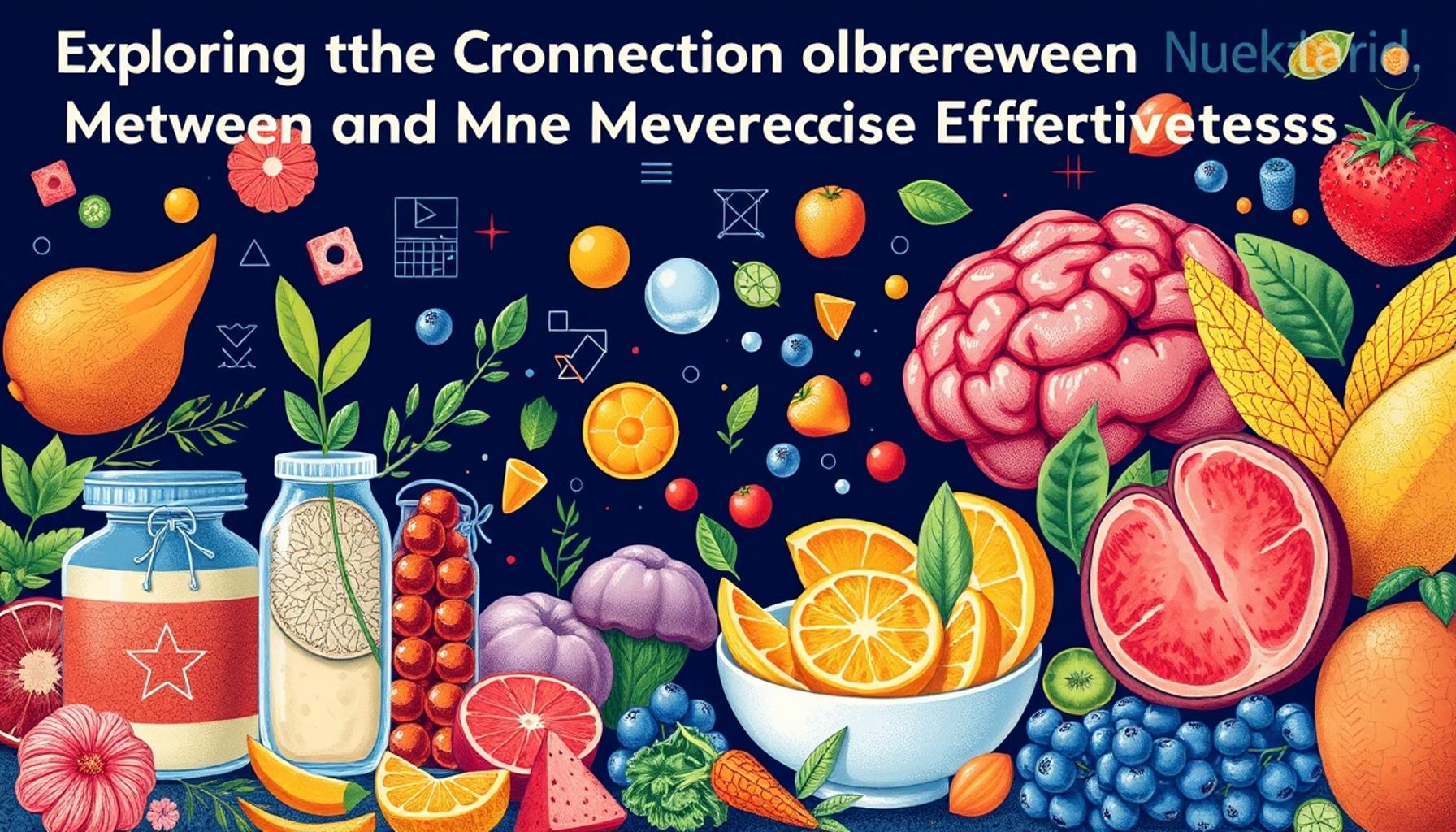
The Impact of Nutrition on Memory
The relationship between nutrition and memory function has garnered increasing attention from both researchers and health enthusiasts in recent years. With the growing exploration into how our diets affect cognitive health, studies reveal that what we consume can significantly influence our ability to remember and process information. This convergence of dietary science and neurological function presents an exciting frontier for those seeking to enhance their mental acuity.
Consider the following essential points that highlight the powerful connection between nutrition and memory:
- Brain-Boosting Foods: Diets rich in omega-3 fatty acids, such as salmon, walnuts, and flaxseeds, are known to enhance brain function. These fatty acids are vital for maintaining the structure of brain cell membranes and facilitating effective communication between neurons. Additionally, antioxidants found in berries, dark chocolate, and leafy greens combat oxidative stress, which is linked to cognitive decline.
- Impact of Diet: The prevailing western diet, often heavy in processed foods and sugars, has been shown to correlate with poorer cognitive performance. In contrast, a balanced diet that includes whole grains, lean proteins, and a variety of fruits and vegetables is associated with improved mental clarity and memory retention. For example, the Mediterranean diet, rich in healthy fats and plant-based foods, has been linked to a reduced risk of Alzheimer’s disease.
- Memory Exercises: While challenging our memory through puzzles and learning new skills can be beneficial, pairing these activities with optimal nutrition can enhance their efficacy. Studies indicate that combining mental exercises with a nutrient-rich diet magnifies the growth of new brain cells, a process known as neurogenesis, thereby improving memory function.
As individuals strive to maintain sharp minds amidst the challenges of modern life, the role of diet in cognitive health becomes increasingly critical. The United States has a rich and diverse food culture, providing both opportunities and obstacles in achieving a nutritionally balanced diet. Fast food chains, convenience stores, and the proliferation of processed snacks present tempting choices that can undermine cognitive health.
This article will delve deeper into how a well-rounded diet can amplify the effects of memory exercises, guiding readers toward better dietary choices for enhanced cognitive vitality. Whether you are a student aiming for academic excellence, a professional striving for productivity, or simply someone keen on keeping their memory sharp, understanding the nutritional components that fuel your brain is essential. Are you ready to unlock the secrets of improved cognitive function through mindful eating?
The Science Behind Nutrition and Cognitive Function
The human brain is a complex organ that requires a consistent supply of nutrients to perform optimally. Research indicates that certain dietary components play a critical role in enhancing memory and cognitive function. Specifically, nutrients such as omega-3 fatty acids, B vitamins, and antioxidants are vital for supporting brain health. Understanding how these nutrients intersect with memory exercises provides invaluable insights into improving cognitive performance.

One of the most significant findings in this field is the role of omega-3 fatty acids in brain function. These essential fats are not only important for overall health but also crucial for cognitive vitality. Studies show that individuals with higher omega-3 levels tend to exhibit better memory capabilities. Incorporating foods like fatty fish, almonds, and chia seeds into one’s diet can lay the foundation for improved cognitive resilience. Furthermore, omega-3 fatty acids have been linked to neurogenesis, the process of forming new neurons, which is essential for memory formation and retention.
Moreover, B vitamins, including B12, B6, and folate, have been shown to impact brain health positively. These vitamins help combat cognitive decline by reducing homocysteine levels—an amino acid associated with an increased risk of Alzheimer’s disease when present in elevated amounts. Green leafy vegetables, legumes, and fortified cereals are excellent sources of B vitamins and can play a vital role in enhancing memory. Regular consumption of these foods can support the brain’s ability to process and recall information effectively.
Additionally, the synergistic effect of antioxidants in combating oxidative stress cannot be overstated. Oxidative stress is a condition characterized by an excess of free radicals in the body, which can lead to cell damage, including neurons. Foods rich in antioxidants, such as berries, dark chocolate, and red wine, have shown promise in protecting the brain from this damage. Incorporating a variety of colorful fruits and vegetables into one’s diet not only supports overall health but also fortifies cognitive function. Berries, in particular, have been linked to improvements in brain health and memory due to their high levels of flavonoids.
To further understand the intertwining dynamics of diet and memory exercises, the timing and quality of meals are paramount. Consuming nutrient-rich foods before engaging in cognitive tasks can enhance mental performance. For instance, consuming a balanced breakfast that includes healthy fats and proteins has been suggested to improve concentration and memory recall throughout the day. Conversely, high-sugar snacks may lead to energy crashes, ultimately impairing cognitive functioning. Thus, integrating these nutritional insights into daily practices can amplify the effectiveness of memory exercises.
In recognizing this interplay, individuals can not only enhance their cognitive abilities but can also maximize their efforts in memory improvement exercises, leading to a more fulfilling and productive life. The consistent link between nutrition and memory highlights the importance of taking a proactive approach to dietary choices, particularly as we navigate the challenges of modern lifestyles.
| Nutritional Aspects | Impact on Memory |
|---|---|
| Omega-3 Fatty Acids | Enhance cognitive functions, improve memory retention. |
| Antioxidants | Protect against oxidative stress, reducing cognitive decline. |
| Vitamins B and D | Support neurotransmitter function, vital for memory processing. |
| Whole Grains | Provide steady glucose supply, crucial for brain energy. |
An understanding of the correlation between nutritional health and cognitive efficiency can reshape the way we approach memory exercises. Studies suggest that diets abundant in specific nutrients, such as omega-3 fatty acids found in fish, may dramatically enhance memory performance. On the other hand, antioxidants present in colorful fruits and vegetables safeguard the brain from cellular damage, potentially staving off cognitive decline as we age. Furthermore, vitamins from the B and D groups have shown promise in bolstering neurotransmitter functions, crucial when engaging in memory exercises.Importantly, the role of whole grains cannot be overlooked; they ensure a continuous supply of glucose, enhancing focus and retention during mental tasks. By exploring these diverse nutritional avenues, further research could illuminate additional pathways toward improved memory efficacy through dietary habits. This intersection of nutrition and cognitive exercises offers a wealth of benefits that beckons for deeper investigation.
The Role of Hydration and Dietary Patterns in Cognitive Enhancement
While the focus on specific nutrients is essential, the impact of hydration on cognitive function deserves equal attention. Water constitutes approximately 75% of the brain’s weight, and even mild dehydration can impair memory attention and concentration. Studies have shown that hydration influences cognitive performance, with dehydrated individuals often reporting difficulty in retaining information or performing tasks efficiently. For instance, consuming adequate water throughout the day is crucial, especially during memory exercises, to maintain peak cognitive performance. Incorporating water-rich foods like cucumbers, oranges, and strawberries can complement fluid intake while providing valuable nutrients.
Moreover, the relationship between dietary patterns and memory enhancement cannot be overlooked. The Mediterranean diet, characterized by high consumption of fruits, vegetables, whole grains, and healthy fats—particularly olive oil—has garnered attention for its cognitive benefits. Research suggests that individuals adhering to this dietary pattern have a significantly reduced risk of cognitive decline and improved memory in older adults. Meal components such as legumes, nuts, and fish work synergistically to protect neurons from damage while promoting overall brain health. Additionally, regular consumption of whole grains can improve glucose metabolism, providing the brain with a steady and reliable source of energy essential for cognitive tasks.
A critical aspect of the discussion surrounding nutrition and cognitive function is the impact of processed foods on memory exercise effectiveness. High intake of refined sugars, trans fats, and artificial additives can contribute to cognitive impairment and memory deficits. For example, a diet high in processed sugars has been linked to inflammation and oxidative stress, both of which can adversely affect brain health. A study published in the journal “Neuropsychology” suggests that individuals who consume more whole foods and fewer processed options exhibit better cognitive control and memory formation. This finding emphasizes the importance of transitioning to a diet that prioritizes nutritious, whole food options.
Furthermore, meal timing, or the practice of eating at certain times of the day, presents another intriguing factor in optimizing cognitive function. The concept of intermittent fasting has gained traction, with some studies showing that it may enhance cognitive performance and memory. During fasting periods, the body initiates a process called autophagy, where cells clear out damaged components, allowing for cellular repair and rejuvenation, even in the brain. Thus, adopting intermittent fasting with a focus on nutrient-dense foods during eating windows might unlock significant cognitive benefits. Incorporating elements of this dietary strategy not only provides a structured eating approach but can also contribute to improved memory retention and exercise outcomes.
In summary, optimizing hydration levels, embracing dietary patterns like the Mediterranean diet, minimizing processed food intake, and considering meal timing are vital components in enhancing memory capacity. These factors work hand in hand with cognitive exercises to create a comprehensive strategy for improving memory function and overall neurological health. By re-evaluating dietary habits and incorporating these insights, individuals can lay a strong foundation for cognitive development and memory enhancement, thus embarking on a journey of lifelong learning and mental agility.
Conclusion: A Holistic Approach to Memory Enhancement
As we attempt to unlock the secrets of memory enhancement, it becomes increasingly clear that the relationship between nutrition and the effectiveness of memory exercises is both intricate and profound. The impact of hydration cannot be overstated; without sufficient water intake, cognitive performance falters, making even the most diligent memory workouts less effective. Furthermore, adopting dietary patterns, such as the Mediterranean diet, rich in whole, unprocessed foods and healthy fats, plays a pivotal role in safeguarding brain health and enhancing cognitive function.
The detrimental effects of processed foods reveal another layer of this connection. A diet overly reliant on refined sugars and unhealthy fats can hinder memory retention and cognitive clarity, highlighting the importance of nutritional choices in cultivating a sharp mind. Additionally, the emerging practice of intermittent fasting invites us to reconsider not just what we eat, but when we eat, further underscoring the significance of a holistic view on nutrition and memory.
In conclusion, the synergy between nutrition and memory exercise forms a robust strategy for cognitive improvement. Individuals seeking to optimize their memory and brain function should prioritize balanced hydration, nourishing dietary patterns, and mindful eating practices. By embracing these principles, we can not only enhance our memory capabilities but also foster a lifetime of cognitive vitality. As the research continues to evolve, it beckons us to delve deeper into the fascinating interplay of what we consume and how our brains thrive, paving the way for more informed dietary choices and cognitive exercises that promote lasting mental agility.
Related posts:
How Memory Games Can Enhance Learning and Retention in Students
Memory Exercises for Students: Techniques to Enhance Learning and Retention
The Benefits of Group Memory Exercises: Fostering Teamwork and Cognitive Development
The Role of Memory Exercises in Boosting Workplace Productivity and Creativity
The Impact of Memory Exercises on Cognitive Function in Older Adults
Exploring Cultural Memory Games: How Different Societies Enhance Recall

Linda Carter is a writer and puzzle expert specializing in mind games, brain teasers, and cognitive challenges. With extensive experience helping individuals enhance their problem-solving skills and think critically, Linda shares her knowledge on our platform. Her goal is to empower readers with practical advice, engaging puzzles, and strategies to sharpen their minds and achieve success in the captivating world of mind games and puzzles.