The Evolution of Brain Teasers: From Antiquity to the Digital Age
The Evolution of Brain Teasers
Brain teasers have long captivated audiences with their intricate puzzles and challenging dilemmas. From early civilizations to today’s digital platforms, these mental challenges have evolved, revealing not only our innate curiosity but also the changing nature of entertainment.
Throughout history, brain teasers have taken various forms, showcasing humanity’s drive to engage in intellectual play. While today’s world is dominated by technology, the origins of brain teasers reveal intriguing cultural histories.
- Ancient Riddles: Riddles have been part of human expression since ancient civilizations. For instance, the famous riddle of the Sphinx from Greek mythology posed a challenge that not only tested the wit of Oedipus but also served as a societal commentary. Early riddles found in texts from Mesopotamia highlight the role of intellectual challenges in community gatherings and education.
- Puzzles of the Middle Ages: During the Middle Ages, clever wordplay and logic puzzles were often shared among nobility during feasts and gatherings. These challenges displayed the host’s sophistication and wit, and were a way to engage the intellectually curious elite. For example, the famous “Puzzles of the Wise” collection circulated among scholars and poets, featuring challenges that often required an understanding of philosophy and language.
- Classic Logic Problems: By the 19th and early 20th centuries, brain teasers found their way into mainstream culture, especially through newspapers. The “Logic Problem” genre rose in popularity, with many newspapers dedicating sections to these thought-provoking puzzles. One notable example is the classic “Zebra Puzzle,” which has fascinated logic enthusiasts for decades.
- Modern Digital Puzzles: Today, brain teasers have transformed once again, adapting to the digital landscape. Interactive games and mobile applications have not only made these puzzles more accessible but have also tailored them for diverse audiences. Platforms like Lumosity and Sudoku apps have popularized cognitive training through engaging formats.
The transition from pen and paper to screens has not diminished the allure of brain teasers. Instead, it has introduced new dimensions of engagement:
- Accessibility: With the majority of people in the United States owning smartphones, brain teasers can now be accessed any time and anywhere. This shift allows for spontaneous challenges, whether on a commute or during a coffee break, making mental exercise more integrated into everyday life.
- Community Engagement: The rise of social media has fostered platforms for puzzle enthusiasts to connect. Websites and forums, such as Reddit and Facebook groups, offer spaces where users can share their favorite brain teasers, discuss strategies, and even compete in solving challenges in real-time.
- Diverse Formats: Today’s brain teasers often incorporate multimedia, including video puzzles and augmented reality experiences. Apps such as Ingress and Pokémon GO have gamified critical thinking, encouraging users to solve puzzles while physically exploring their environments.
As we explore the fascinating journey of brain teasers, we uncover not just puzzles but also the cultural and technological shifts that have influenced our cognitive entertainment. Are you ready to delve deeper into their enduring appeal and transformation through the ages? The world of brain teasers awaits, promising mental stimulation and a window into our shared human history of curiosity and play.
DISCOVER MORE: Click here to learn how memory exercises can keep your mind sharp
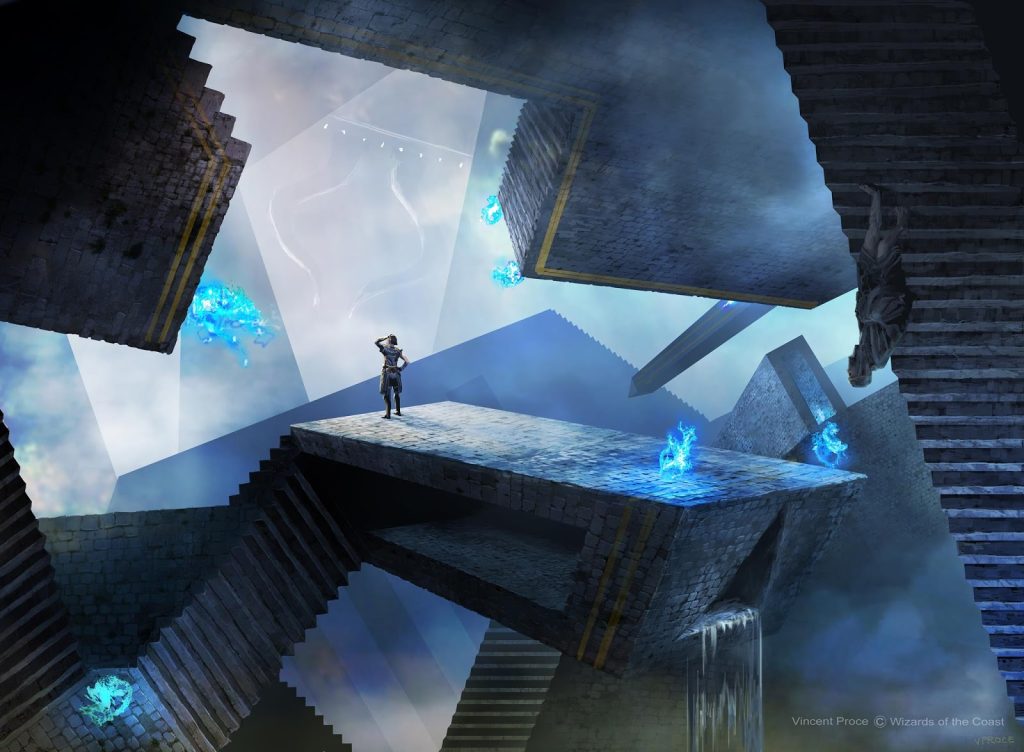
Brain Teasers Through the Ages
The journey of brain teasers is rich and diverse, reflecting the cultural and intellectual currents of societies throughout history. Beginning with ancient riddles, which laid the groundwork for future puzzles, we see a creative interplay of language and reasoning that has persisted through the ages. In ancient Assyria and Babylon, riddles were a staple of both entertainment and education, ensuring that cleverness was valued and celebrated. Such riddles would often challenge not only the minds of the participants but also foster a sense of community as they were shared among friends and family during gatherings.
Moving forward to the Classical Era, riddles reached a peak of sophistication, epitomized by the enigmatic Sphinx’s riddle: “What walks on four legs in the morning, two in the afternoon, and three in the evening?” This riddle, steeped in mythology, tested the limits of human reasoning and emerged as a metaphor for the human experience itself. The ability to solve such riddles was not merely a demonstration of intelligence; it was a matter of honor, reflecting one’s status in society.
The Middle Ages: Elegance in Complexity
During the Middle Ages, the landscape of brain teasers became more elaborate, often seeping into the realms of courtly gatherings and scholarly pursuits. Noble hosts shared puzzles and conundrums as a display of intellectual prowess, creating an atmosphere that mingled amusement with an appreciation for the arts of rhetoric and logic. Collections like “Puzzles of the Wise” flourished within the literate circles, challenging minds to weave together philosophy and poetry. These puzzles often demanded a deeper understanding of language and reasoning and were popularized among an elite audience who relished the chance to showcase their intellect.
The Rise of Logic Problems
Fast forward to the 19th and early 20th centuries, and we witness the emergence of logic problems in popular culture. Newspapers began to feature dedicated sections for various puzzles, providing a platform for brain teasers to reach a broader audience. One of the most iconic examples is the “Zebra Puzzle,” which has captivated enthusiasts for generations. This logic problem, alongside others, epitomized a shift where puzzles transformed from luxurious pastimes to entertainment accessible to the masses. This era enthusiastically marked the beginning of brain teasers moving beyond elite circles, fostering a newfound appreciation amongst the general populace.
- Entertainment Value: The engagement with brain teasers provided not just intellectual stimulation but also served as a source of entertainment that lasted throughout various societal shifts.
- Emerging Communities: Middle class readers began forming communities around their favorite puzzles, eagerly discussing solutions and crafting their own, leading to the first social networks centered on intellectual challenges.
- Cognitive Development: Educators recognized the value of logic puzzles in developing critical thinking skills, pushing for their inclusion in educational curricula across schools.
As we traverse from the depths of antiquity to contemporary times, the evolution of brain teasers reveals the transformative power of intellectual challenges. Their shapes may change, but the quest for understanding, problem-solving, and engagement with thought remains an enduring facet of human nature, paving the way for the adaptations that followed in the digital age.
The Evolution of Brain Teasers: A Journey Through Time
Brain teasers have fascinated humans for centuries, evolving remarkably from their inception in antiquity to the dynamic digital age we inhabit today. In ancient times, riddles and puzzles were often used as a form of entertainment, education, and even social interaction. Renowned philosopher Plato emphasized the importance of riddles in sharpening the mind and enhancing critical thinking skills. Puzzles not only engaged the intellect but also served as tools for teaching morality and encouraging discussion in public forums.As we moved through the ages, the creation and appreciation of brain teasers adapted to reflect the cultural shifts of each era. The Renaissance period, marked by a thirst for knowledge and exploration, saw a resurgence in intellectual pursuits, giving birth to mathematical riddles and logic puzzles. These were meticulously crafted to not only entertain but to challenge the mental faculties of thinkers of that time, like Leonardo da Vinci, who famously dabbled in cryptography and enigmatic designs.Fast forward to the 19th century, brain teasers found new life in the realm of print media. Newspapers began featuring daily puzzles to engage their readership, laying the groundwork for the puzzle books and magazines we see today. The advent of the 20th century brought new methods of engagement, including crosswords and Sudoku, which captured the attention of millions worldwide. These structured formats made brain teasers more accessible, turning them into a staple of everyday life.With the dawn of the digital age, brain teasers have transcended physical formats, delving into the online world. Interactive games, mobile applications, and social media have revolutionized how people approach puzzles, allowing for a global community of enthusiasts. The Internet has not only made brain teasers more accessible, but it has also paved the way for diverse genres and innovative formats, from logic games to escape room challenges.As we embrace technology, brain teasers continue to evolve, merging classical logic with modern gameplay mechanics. They not only stimulate cognitive functions, but they also provide a platform for collaboration and camaraderie in an increasingly digital society. By understanding the historical context of brain teasers, we can appreciate their role in cognitive development and social interaction, ensuring these timeless challenges remain a vibrant part of our cultural fabric.
| Category | Description |
|---|---|
| Historical Context | Throughout history, brain teasers have evolved to reflect cultural advancements, from ancient riddles to Renaissance puzzles. |
| Modern Accessibility | Digital platforms have made brain teasers accessible, fostering an interactive community and transforming traditional gameplay. |
DISCOVER MORE: Click here for insights on the fusion of logic and creativity
Brain Teasers in the Digital Revolution
As we pivot into the 20th century, the proliferation of technology ushered in a new era for brain teasers, fundamentally altering how we engage with these intellectual challenges. With the advent of the internet, brain teasers transcended geographical boundaries, fostering a global community of enthusiasts eager to test their wits. Online forums and websites sprang up, dedicated to sharing puzzles and solutions, effectively creating a dynamic hub for like-minded individuals.
The Internet Age: A Puzzle Playground
In the 1990s, the rise of personal computers transformed brain teasers from printed material into interactive experiences. Software applications featuring puzzles and logic games began to populate home computers, providing immersive ways to engage with brain teasers that were previously confined to print. This shift marked the beginning of a more technological interaction, allowing users to receive instant feedback on their problem-solving skills.
- Digital Gaming: Video games designed with puzzle elements, such as “Portal” and “The Witness,” have gained acclaim not just for their entertainment value but also for their intricate mechanics that challenge logical reasoning. These games exemplify how brain teasers can create engaging narratives that enhance cognitive skills while providing suspense and enjoyment.
- Mobile Applications: The explosion of smartphones in the 21st century led to the development of mobile apps like “Brain Teasers” and “Lumosity,” which offered users the chance to tackle various puzzles on-the-go. These applications combined fun with functionality, presenting brain teasers tailored to improve memory, speed, and overall cognitive performance.
Moreover, the social aspect of solving puzzles has flourished in the digital realm. Platforms such as Reddit and specialized websites encourage users to share their own creations, fostering collaboration and friendly competition. Online contests and leaderboard rankings cultivate a sense of achievement, making brain teasers not just a solitary endeavor but a communal experience.
AI and the Future of Brain Teasers
The latest advancement in the world of brain teasers is the integration of artificial intelligence. AI-powered platforms can generate customized puzzles, adapting to the user’s skill level and preferences in real-time. This technological metamorphosis allows for a personalized experience for solvers, ensuring continued engagement and challenge. For example, tools like “ChatGPT” can create unique riddles and logic puzzles, offering endless variety at the touch of a button.
The educational landscape has similarly embraced these innovations. Interactive learning platforms now incorporate digital puzzles that enhance problem-solving skills among students, merging entertainment with education. Teachers are increasingly recognizing the potential of brain teasers as effective tools for cognitive development, integrating them into lessons in creative ways to keep students engaged.
- Accessibility: Digital formats have made brain teasers more accessible. From children to adults, anyone with internet access can partake in these challenges, thereby democratizing the experience.
- Global Reach: Online platforms have opened doors for individuals to connect with puzzle enthusiasts from around the world, celebrating cultural diversity through shared challenges and perspectives.
- Skill Adaptation: AI can tailor the complexity of brain teasers, creating a customized experience that adapts and grows with the user, ensuring that novices and experts alike find value in the puzzles presented.
The evolution from ancient riddles to digital brain teasers underscores a broader narrative of humanity’s enduring passion for intellectual challenges. As technology continues to advance, the transformative journey of brain teasers promises to captivate and challenge the minds of future generations, adapting to new norms while preserving the essence of the quest for knowledge and problem-solving.
DISCOVER MORE: Click here to delve deeper
Conclusion: A Continuous Quest for Challenge
The journey of brain teasers from the ancient riddles of civilizations long past to the sophisticated digital puzzles of today encapsulates humanity’s innate desire for intellectual stimulation. As we have explored, brain teasers have adapted seamlessly to the technological advancements of each era, illustrating a remarkable evolution that reflects cultural shifts and societal changes. Initially crafted to intrigue and amuse, these challenges have blossomed into complex forms that engage not only the mind but also the social fabric of communities around the globe.
In the digital age, brain teasers have transformed once again, utilizing technology to enhance accessibility and interactivity. The rise of mobile applications and AI-powered platforms has introduced personalized experiences, ensuring that the thrill of solving puzzles is available to a broader audience than ever before. This evolution not only democratizes the experience but also offers opportunities for enhancement in cognitive skills across various age groups.
As we look toward the future, the potential for innovation in the realm of brain teasers appears boundless. The growing integration of artificial intelligence and interactive platforms promises to keep the spirit of these challenges alive, evolving them further to meet the needs of a diverse and tech-savvy population. Moreover, as brain teasers continue to bridge cultures and connect individuals worldwide, they reaffirm our collective understanding that the pursuit of knowledge and problem-solving is not only timeless but essential.
In conclusion, the evolution of brain teasers reminds us that the quest for knowledge is a journey worth embarking upon—one that transforms our understanding of ourselves and the world around us. As technology continues to reshape engagement, it is essential to embrace the challenges that await and relish the tiny victories that come with cracking a particularly tricky puzzle.
Related posts:
Brain Teasers and Emotional Intelligence: How Solving Puzzles Can Improve Empathy
Brain Teasers and Learning: How They Can Help in Early Childhood Education
Classic vs. Modern Brain Teasers: Evolution and Popularity
Group Brain Teasers: Promoting Teamwork and Collective Problem Solving
Brain Teasers and Logic: The Importance of Critical Thinking in Problem Solving
How to Incorporate Brain Teasers into Your Daily Routine to Stimulate Creativity

Linda Carter is a writer and puzzle expert specializing in mind games, brain teasers, and cognitive challenges. With extensive experience helping individuals enhance their problem-solving skills and think critically, Linda shares her knowledge on our platform. Her goal is to empower readers with practical advice, engaging puzzles, and strategies to sharpen their minds and achieve success in the captivating world of mind games and puzzles.